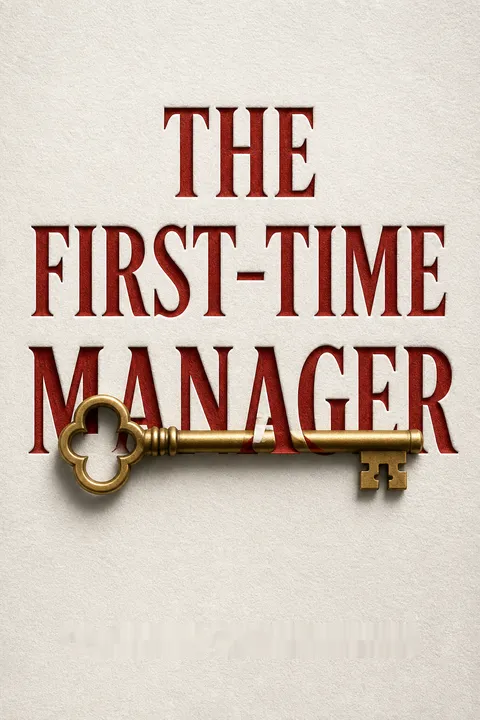

मुख्य बातें
1. प्रबंधन की चुनौतियों को आत्मविश्वास और प्रामाणिकता के साथ स्वीकार करें
"सर्वश्रेष्ठ प्रबंधक जानते हैं कि प्रबंधन के दो से अधिक तरीके होते हैं और उन्हें कई शैलियों में दक्ष होना चाहिए।"
अपने प्रबंधन शैली को अनुकूलित करें। एक नए प्रबंधक के रूप में, आपको विभिन्न चुनौतियों का सामना करना होगा जिनके लिए अलग-अलग दृष्टिकोण आवश्यक होते हैं। अपनी प्रबंधन शैली में लचीलापन रखें और टीम की जरूरतों तथा परिस्थिति के अनुसार उसे ढालें। इसमें शामिल हो सकता है:
- आवश्यकतानुसार निर्देशात्मक होना
- टीम के सदस्यों को विकसित करने के लिए कोचिंग दृष्टिकोण अपनाना
- कर्मचारियों को सशक्त बनाने के लिए कार्य सौंपना
- जटिल निर्णयों के लिए सहभागी शैली का उपयोग करना
प्रामाणिक नेतृत्व करें। नेतृत्व में प्रामाणिकता टीम के सदस्यों के बीच विश्वास और सम्मान बनाती है। अपने संवादों में ईमानदार रहें, जब आपको सभी उत्तर न पता हों तो स्वीकार करें, और हमेशा अपने कार्यों को अपने शब्दों के अनुरूप बनाए रखें। इससे आप:
- अपनी टीम के साथ मजबूत संबंध बनाएंगे
- एक खुला और ईमानदार कार्य वातावरण तैयार करेंगे
- कर्मचारियों में निष्ठा और प्रतिबद्धता को प्रेरित करेंगे
2. प्रभावी संचार और सक्रिय सुनने के कौशल में महारत हासिल करें
"यदि आप एक प्रतिभाशाली प्रबंधक के रूप में पहचाने जाना चाहते हैं, तो सक्रिय श्रोता बनें।"
सक्रिय सुनने को प्राथमिकता दें। प्रभावी संचार की शुरुआत एक सजग श्रोता बनने से होती है। सक्रिय सुनने की तकनीकों का अभ्यास करें ताकि आप अपनी टीम के सदस्यों और सहयोगियों को पूरी तरह समझ सकें:
- वक्ता को पूरा ध्यान दें
- स्पष्टता के लिए प्रश्न पूछें
- सुनी गई बातों का सारांश प्रस्तुत करें ताकि समझ की पुष्टि हो सके
- विचारशील उत्तर दें
स्पष्ट संचार विकसित करें। एक प्रबंधक के रूप में, आपकी स्पष्ट और प्रभावी संचार क्षमता अत्यंत महत्वपूर्ण है। ध्यान दें:
- अपने निर्देशों में संक्षिप्त और विशिष्ट रहें
- विभिन्न प्रकार के संदेशों के लिए उपयुक्त माध्यमों का उपयोग करें
- अपनी संचार शैली को श्रोताओं के अनुसार ढालें
- अपनी टीम को नियमित अपडेट और प्रतिक्रिया दें
याद रखें कि संचार दो-तरफा प्रक्रिया है। खुली बातचीत को प्रोत्साहित करें और ऐसा माहौल बनाएं जहाँ टीम के सदस्य अपने विचार और चिंताएं सहजता से साझा कर सकें।
3. टीम की भर्ती, कार्य सौंपने और पोषण की कला में दक्षता हासिल करें
"एक प्रबंधक के रूप में आपकी सबसे महत्वपूर्ण जिम्मेदारी अच्छी भर्ती करना है। इससे महत्वपूर्ण कुछ नहीं।"
भर्ती की कला में महारत हासिल करें। सही लोगों को अपनी टीम में लाना सफलता के लिए अनिवार्य है। भर्ती करते समय:
- स्पष्ट नौकरी आवश्यकताएं और अपेक्षाएं निर्धारित करें
- तकनीकी कौशल और सांस्कृतिक मेल दोनों वाले उम्मीदवारों की तलाश करें
- पिछले प्रदर्शन का आकलन करने के लिए व्यवहारिक साक्षात्कार तकनीकों का उपयोग करें
- अपनी अंतर्दृष्टि पर भरोसा करें, लेकिन उसे संदर्भ जांच के साथ पुष्ट करें
प्रभावी रूप से कार्य सौंपें। कार्य सौंपना आपकी टीम को विकसित करने और उच्च स्तरीय कार्यों के लिए अपना समय मुक्त करने का एक शक्तिशाली तरीका है। कार्य सौंपते समय:
- सही कार्य और सही व्यक्ति चुनें
- स्पष्ट निर्देश और अपेक्षाएं दें
- स्वायत्तता दें, साथ ही समर्थन भी प्रदान करें
- परिणामों पर फॉलो-अप करें और प्रतिक्रिया दें
अपनी टीम के विकास का पोषण करें। टीम के विकास में निवेश करें ताकि समग्र प्रदर्शन और कर्मचारी स्थिरता बेहतर हो:
- नियमित प्रतिक्रिया और कोचिंग प्रदान करें
- कौशल विकास और प्रशिक्षण के अवसर दें
- अच्छे प्रदर्शन को पहचानें और पुरस्कृत करें
- नवाचार और सहयोग को प्रोत्साहित करने वाला सकारात्मक कार्य वातावरण बनाएं
4. प्रदर्शन मूल्यांकन और वेतन प्रशासन को कुशलता से संभालें
"प्रदर्शन मूल्यांकन एक शक्तिशाली प्रबंधन उपकरण है, जिसे अक्सर कम आंका जाता है या नजरअंदाज किया जाता है।"
प्रभावी प्रदर्शन मूल्यांकन करें। नियमित प्रदर्शन समीक्षा कर्मचारी विकास और संगठनात्मक सफलता के लिए आवश्यक है। मूल्यांकन करते समय:
- अच्छी तैयारी करें, प्रदर्शन के विशिष्ट उदाहरण इकट्ठा करें
- ताकत और सुधार के क्षेत्रों दोनों पर ध्यान दें
- भविष्य के लिए स्पष्ट, मापनीय लक्ष्य निर्धारित करें
- दो-तरफा संवाद और आत्म-मूल्यांकन को प्रोत्साहित करें
वेतन प्रशासन में महारत हासिल करें। उचित और रणनीतिक वेतन निर्धारण शीर्ष प्रतिभाओं को आकर्षित करने और बनाए रखने के लिए महत्वपूर्ण है। वेतन प्रबंधन करते समय:
- विभिन्न पदों के लिए बाजार दरों की जानकारी रखें
- वेतन वृद्धि के लिए स्पष्ट, सुसंगत नीति विकसित करें
- निर्णय लेते समय प्रदर्शन और संभावनाओं दोनों पर विचार करें
- प्रक्रिया और मानदंडों के बारे में पारदर्शी रहें
याद रखें कि प्रदर्शन मूल्यांकन और वेतन चर्चा दोनों टीम के सदस्यों को प्रेरित करने और संगठनात्मक लक्ष्यों के साथ संरेखित करने के अवसर हैं। इन कार्यों को सहानुभूति और पेशेवरता के साथ करें ताकि उनका प्रभाव अधिकतम हो।
5. भावनात्मक बुद्धिमत्ता और सकारात्मक आत्म-छवि का विकास करें
"प्रबंधकों द्वारा मूल्यांकन फॉर्मों पर कई बार असम्मानजनक और कानूनी रूप से समस्याग्रस्त टिप्पणियाँ दर्ज की गई हैं।"
भावनात्मक बुद्धिमत्ता विकसित करें। भावनात्मक बुद्धिमत्ता (EQ) प्रभावी प्रबंधन के लिए अत्यंत आवश्यक है। इसमें शामिल हैं:
- आत्म-जागरूकता: अपनी भावनाओं और उनके प्रभाव को समझना
- आत्म-नियंत्रण: अपनी भावनाओं और प्रतिक्रियाओं को प्रबंधित करना
- सहानुभूति: दूसरों की भावनाओं को समझना और उनका उत्तर देना
- सामाजिक कौशल: संबंध बनाना और बनाए रखना
इन कौशलों का दैनिक अभ्यास करें ताकि टीम के सदस्यों और सहयोगियों के साथ आपके संवाद बेहतर हों।
सकारात्मक आत्म-छवि बनाएं। आपका आत्मविश्वास और आत्म-धारणा आपकी प्रबंधकीय प्रभावशीलता को बहुत प्रभावित करती है। सकारात्मक आत्म-छवि के लिए:
- अपनी सफलताओं को पहचानें और जश्न मनाएं
- गलतियों से सीखें, लेकिन उन पर अधिक ध्यान न दें
- सीखने और प्रतिक्रिया के माध्यम से निरंतर सुधार करें
- सकारात्मक आत्म-वार्ता और कल्पना तकनीकों का अभ्यास करें
याद रखें कि आपकी आत्म-छवि दूसरों की आपकी धारणा को प्रभावित करती है। आत्मविश्वास और दक्षता प्रदर्शित करें, लेकिन विनम्र और विकास के लिए खुले रहें।
6. समय प्रबंधन और उत्पादक बैठकों की शक्ति का सदुपयोग करें
"यदि आपके पास मूल्यांकन प्रणाली नहीं है, तो आपको एक चाहिए।"
समय प्रबंधन में महारत हासिल करें। प्रभावी समय प्रबंधन प्रबंधकीय सफलता के लिए आवश्यक है। इन रणनीतियों को अपनाएं:
- आइजनहावर मैट्रिक्स जैसे तरीकों से कार्यों को प्राथमिकता दें
- कैलेंडर और कार्य सूची जैसे उपकरणों का उपयोग करके व्यवस्थित रहें
- गैर-आवश्यक प्रतिबद्धताओं को अस्वीकार करना सीखें
- उपयुक्त होने पर कार्य सौंपें
प्रभावी बैठकें संचालित करें। बैठकें या तो उत्पादक होती हैं या समय की बर्बादी। उन्हें मूल्यवान बनाने के लिए:
- स्पष्ट एजेंडा बनाएं और उसका पालन करें
- केवल आवश्यक प्रतिभागियों को आमंत्रित करें
- समय पर शुरू करें और समाप्त करें
- कार्रवाई योग्य बिंदुओं और जिम्मेदारियों के साथ फॉलो-अप करें
याद रखें कि आपका समय मूल्यवान है, और इसे कैसे प्रबंधित करते हैं, यह आपकी टीम के लिए उदाहरण स्थापित करता है। अच्छे समय प्रबंधन और प्रभावी बैठकों के माध्यम से आप पूरे विभाग की उत्पादकता बढ़ाएंगे।
7. सार्वजनिक बोलने और रणनीतिक नेटवर्किंग के माध्यम से अपने करियर को ऊँचा उठाएं
"कई प्रबंधकों को ये दो वाक्य बोलने में कठिनाई होती है: 'मैंने गलती की' और 'मुझे खेद है।'"
सार्वजनिक बोलने के कौशल विकसित करें। प्रभावी सार्वजनिक बोलना आपके करियर के अवसरों को काफी बढ़ा सकता है। सुधार के लिए:
- नियमित अभ्यास करें, भले ही कम दबाव वाली परिस्थितियों में हो
- प्रत्येक प्रस्तुति के लिए अच्छी तैयारी करें
- अपनी बात को रोचक बनाने के लिए कहानी कहने की तकनीकों का उपयोग करें
- प्रतिक्रिया लें और अपने कौशल को निरंतर सुधारें
रणनीतिक नेटवर्किंग बनाएं। नेटवर्किंग करियर उन्नति के लिए आवश्यक है। ध्यान दें:
- अपने संगठन के भीतर और बाहर संबंध बनाएं
- अपने नेटवर्क संपर्कों को मूल्य प्रदान करें
- केवल जरूरत पड़ने पर नहीं, नियमित रूप से संपर्क बनाए रखें
- उद्योग कार्यक्रमों में भाग लें और पेशेवर संघों से जुड़ें
याद रखें कि सार्वजनिक बोलना और नेटवर्किंग दोनों अभ्यास से बेहतर होते हैं। अवसरों से न घबराएं, भले ही शुरुआत में असहज महसूस हो। समय के साथ, ये कौशल आपके प्रबंधकीय उपकरणों में अमूल्य संपत्ति बन जाएंगे।
समीक्षा सारांश
द फर्स्ट-टाइम मैनेजर को अधिकांशतः सकारात्मक समीक्षाएँ मिली हैं, जहाँ पाठक इसकी व्यावहारिक सलाह की प्रशंसा करते हैं, खासकर उन नए प्रबंधकों के लिए जो अभी अपने करियर की शुरुआत कर रहे हैं। कई लोग इसकी संवादात्मक शैली और प्रबंधन से जुड़ी जटिल शब्दावली की अनुपस्थिति को ताज़गी भरा पाते हैं। यह पुस्तक भर्ती प्रक्रिया, परिवर्तन प्रबंधन और प्रदर्शन मूल्यांकन जैसे महत्वपूर्ण विषयों को विस्तार से समझाती है। कुछ समीक्षक यह भी बताते हैं कि कुछ सुझाव आधुनिक कार्यस्थलों के लिए थोड़े पुराने हो सकते हैं। जबकि कुछ इसे मूलभूत स्तर का मानते हैं, वहीं कई इसके प्रबंधन के मूल सिद्धांतों को समग्र रूप से समझाने की क्षमता की सराहना करते हैं। कुल मिलाकर, यह पुस्तक उन लोगों के लिए अनुशंसित है जो प्रबंधन की नई भूमिकाओं में हैं या अपनी नेतृत्व क्षमताओं को निखारना चाहते हैं।
लोग यह भी पढ़ते हैं










अक्सर पूछे जाने वाले प्रश्न
What's The First-Time Manager about?
- Focus on New Managers: The book is tailored for individuals stepping into management roles for the first time, offering guidance on essential skills and strategies.
- Comprehensive Topics: It covers a wide range of management aspects, including communication, delegation, performance appraisals, and handling difficult situations.
- Practical Advice: Loren B. Belker provides actionable insights and real-world examples to help new managers build confidence and competence.
Why should I read The First-Time Manager?
- Essential for New Managers: It offers foundational knowledge to help avoid common pitfalls and prepare for the realities of managing a team.
- Improves Leadership Skills: Emphasizes the importance of emotional intelligence and self-awareness, crucial for effective leadership.
- Real-World Applications: Provides practical tips and strategies that can be immediately applied in management roles.
What are the key takeaways of The First-Time Manager?
- Building Relationships: Establishing trust and open communication with team members is crucial for effective management.
- Delegation is Crucial: Effective delegation allows managers to focus on higher-level tasks while empowering team members.
- Continuous Improvement: Managers should focus on their own development and be open to feedback to enhance leadership capabilities.
What are the best quotes from The First-Time Manager and what do they mean?
- "You cannot manage if you don’t have a team to lead." Emphasizes the importance of teamwork in achieving organizational goals.
- "Management isn’t doing—it’s seeing that it gets done." Highlights the role of a manager as a facilitator rather than a doer.
- "Management is not for everyone." Reminds that not all individuals are suited for management roles, and it’s essential to recognize one’s strengths and weaknesses.
How does The First-Time Manager define effective communication?
- Active Listening: Involves engaging with team members and showing genuine interest in their input.
- Two-Way Interaction: Encourages open dialogue, allowing employees to express their thoughts and concerns freely.
- Clarity and Transparency: Providing clear and timely information helps reduce misunderstandings and fosters collaboration.
What managerial styles are discussed in The First-Time Manager?
- Autocratic vs. Diplomatic: Contrasts autocratic managers, who dictate and control, with diplomatic managers, who inspire and involve their teams.
- Awareness Approach: Encourages new managers to adjust their level of control and encouragement based on individual employee needs.
- Situational Management: Emphasizes adapting management style based on the context and team dynamics.
How can I manage change effectively according to The First-Time Manager?
- Embrace Change: Managers should accept and support changes to set a positive example for their team.
- Involve Employees: Engaging team members in the change process helps reduce resistance and fosters ownership.
- Communicate Clearly: Providing clear information about the reasons for change and its benefits can alleviate fears and uncertainties.
What strategies does The First-Time Manager suggest for dealing with difficult employees?
- Address Behavior, Not Person: Focus on discussing specific behaviors that need to change rather than making personal attacks.
- Encourage Participation: Engage the employee in the conversation to understand their perspective and collaboratively develop a plan for improvement.
- Document Performance: Keep clear records of discussions and agreements to ensure accountability and provide a reference for future evaluations.
What is the importance of emotional intelligence in The First-Time Manager?
- Understanding Emotions: Helps managers recognize their own emotions and those of their team members, improving interpersonal relationships.
- Improving Decision-Making: Managers with high EQ can make more informed decisions by considering the emotional impact on their team.
- Building Trust: High emotional intelligence fosters trust and respect, essential for effective collaboration and achieving goals.
How does The First-Time Manager suggest handling difficult conversations?
- Stay Calm and Collected: Remaining calm helps create a safe space for open dialogue and reduces tension.
- Focus on the Issue, Not the Person: Address the problem at hand rather than attacking the individual, encouraging constructive feedback.
- Encourage Open Communication: Invite team members to share their perspectives, fostering a collaborative environment for resolving issues.
What strategies does The First-Time Manager provide for effective delegation?
- Analyze Tasks for Delegation: Assess which tasks can be delegated based on their complexity and team members' skills.
- Set Clear Goals and Timelines: Establish clear expectations and deadlines to ensure understanding and reduce misunderstandings.
- Monitor Progress: Check in on delegated tasks without micromanaging, allowing team members to take ownership while ensuring accountability.
How can I improve my communication skills as suggested in The First-Time Manager?
- Practice Active Listening: Fully engage with the speaker and provide feedback to ensure understanding.
- Be Clear and Concise: Aim to be clear and to the point, avoiding jargon and complex language.
- Use Body Language Effectively: Be aware of your body language and use open gestures to foster a welcoming environment.
PDF डाउनलोड करें
EPUB डाउनलोड करें
.epub digital book format is ideal for reading ebooks on phones, tablets, and e-readers.








































