
मुख्य बातें
1. आंतरिक सद्गुणों का विकास करें और अपने नियंत्रण में जो है उस पर ध्यान केंद्रित करें
"आपके मन पर आपका अधिकार है — बाहरी घटनाओं पर नहीं। इसे समझिए, और आप शक्ति पाएंगे।"
आंतरिक नियंत्रण का भाव। स्टोइक दर्शन यह सिखाता है कि सच्ची खुशी और संतोष बाहर की परिस्थितियों से नहीं, बल्कि हमारे भीतर से आता है। जब हम अपने नियंत्रण में जो है — अपने विचार, निर्णय और कर्म — पर ध्यान देते हैं, तो हम आंतरिक सद्गुणों का विकास कर सकते हैं और बाहरी घटनाओं से स्वतंत्र शांति पा सकते हैं।
व्यावहारिक उपाय:
- अपने जीवन के उन पहलुओं की पहचान करें जिन पर आपका सीधा प्रभाव है
- अपने विचारों और प्रतिक्रियाओं के प्रति सजग रहने के लिए माइंडफुलनेस का अभ्यास करें
- बुद्धिमत्ता, न्याय, साहस और आत्म-नियंत्रण जैसे सद्गुणों को विकसित करें
- परिणामों को नियंत्रित करने की कोशिश छोड़कर अपने प्रयासों और इरादों पर ध्यान दें
2. अपनी इच्छाओं को प्रकृति और तर्क के साथ संरेखित करें
"जो व्यक्ति अपने आप के साथ सामंजस्य में रहता है, वह ब्रह्मांड के साथ भी सामंजस्य में रहता है।"
तार्किक संरेखण। स्टोइक दार्शनिक मानते थे कि अपनी इच्छाओं को प्रकृति और तर्क के अनुरूप बनाना जीवन में संतोष और उद्देश्य की ओर ले जाता है। प्राकृतिक व्यवस्था को समझकर और स्वीकार करके हम अवास्तविक अपेक्षाओं या तर्कहीन इच्छाओं से उत्पन्न अनावश्यक कष्टों से बच सकते हैं।
मुख्य विचार:
- अमोर फाटी: भाग्य से प्रेम, जो कुछ भी होता है उसे स्वीकार करना और अपनाना
- मेमेंटो मोरी: मृत्यु को याद रखना, जिससे दृष्टिकोण बना रहे और महत्वपूर्ण बातों को प्राथमिकता मिले
- प्रीमेडिटैटियो मालोरम: नकारात्मक कल्पना, संभावित चुनौतियों के लिए मानसिक तैयारी
3. आत्म-अनुशासन का अभ्यास करें और विपत्तियों को पार करें
"आपके मन पर आपका अधिकार है — बाहरी घटनाओं पर नहीं। इसे समझिए, और आप शक्ति पाएंगे।"
मानसिक दृढ़ता। आत्म-अनुशासन स्टोइक दर्शन की नींव है। आत्म-नियंत्रण और सहनशीलता विकसित करके हम बाधाओं को पार कर सकते हैं और विपरीत परिस्थितियों में अपनी अखंडता बनाए रख सकते हैं।
आत्म-अनुशासन बढ़ाने के उपाय:
- स्पष्ट लक्ष्य और प्राथमिकताएं निर्धारित करें
- दैनिक आदतें और दिनचर्या विकसित करें
- विलंबित संतुष्टि का अभ्यास करें
- विकास के लिए असुविधा को अपनाएं
- अपने कार्यों और प्रेरणाओं पर नियमित रूप से विचार करें
4. चुनौतियों को विकास के अवसर के रूप में अपनाएं
"कार्रवाई में बाधा, कार्रवाई को आगे बढ़ाती है। जो रास्ते में आता है, वही रास्ता बन जाता है।"
बाधा ही मार्ग है। स्टोइक दर्शन हमें सिखाता है कि चुनौतियों को रुकावट के रूप में नहीं, बल्कि व्यक्तिगत विकास के अवसर के रूप में देखें। कठिनाइयों के प्रति अपने दृष्टिकोण को बदलकर हम बाधाओं को प्रगति के सीढ़ी पत्थर बना सकते हैं।
व्यावहारिक उपाय:
- चुनौतियों का विश्लेषण करें और उनसे मिलने वाले सबक या लाभ पहचानें
- विपत्तियों का सामना करके समस्या-समाधान कौशल विकसित करें
- कठिनाइयों में धैर्य रखकर सहनशीलता बढ़ाएं
- चुनौतियों द्वारा प्रस्तुत विकास के अवसरों के लिए कृतज्ञता का अभ्यास करें
- रचनात्मक प्रतिक्रिया प्राप्त करें और उसे सुधार के लिए उपयोग करें
5. भावनात्मक सहनशीलता और आंतरिक शांति विकसित करें
"आपके मन पर आपका अधिकार है — बाहरी घटनाओं पर नहीं। इसे समझिए, और आप शक्ति पाएंगे।"
भावनात्मक नियंत्रण। स्टोइक दर्शन भावनात्मक सहनशीलता विकसित करने और बाहरी परिस्थितियों से स्वतंत्र आंतरिक शांति बनाए रखने पर जोर देता है। शांत और तर्कपूर्ण मन के साथ हम जीवन की चुनौतियों का स्पष्टता और बुद्धिमत्ता से सामना कर सकते हैं।
भावनात्मक सहनशीलता के उपाय:
- माइंडफुलनेस और ध्यान का अभ्यास करें
- अपनी भावनात्मक प्रतिक्रियाओं के प्रति जागरूकता बढ़ाएं
- घटनाओं पर दृष्टिकोण बदलने के लिए संज्ञानात्मक पुनःफ्रेमिंग का उपयोग करें
- नियंत्रण से बाहर की बातों को स्वीकार करके समानता की भावना विकसित करें
- नियमित रूप से कृतज्ञता और प्रशंसा का अभ्यास करें
6. सार्वभौमिक सिद्धांतों के अनुसार जीवन जिएं
"अच्छा जीवन जियो। यदि देवता हैं और वे न्यायप्रिय हैं, तो वे आपकी भक्ति की परवाह नहीं करेंगे, बल्कि उन सद्गुणों के आधार पर आपका स्वागत करेंगे जिनके साथ आपने जीवन बिताया है।"
नैतिक जीवन। स्टोइक दर्शन सार्वभौमिक सिद्धांतों और प्राकृतिक नियमों के अनुरूप जीवन जीने का महत्व बताता है। बुद्धिमत्ता, न्याय, साहस और आत्म-नियंत्रण जैसे सद्गुणों के साथ अपने कर्मों को संरेखित करके हम एक पूर्ण और सार्थक जीवन जी सकते हैं।
प्रमुख स्टोइक सद्गुण:
- बुद्धिमत्ता: व्यावहारिक ज्ञान और अच्छा निर्णय
- न्याय: दूसरों के साथ निष्पक्षता और ईमानदारी
- साहस: विपरीत परिस्थितियों में धैर्य
- आत्म-नियंत्रण: अपनी इच्छाओं और भावनाओं पर नियंत्रण
7. ज्ञान की खोज करें और निरंतर आत्म-सुधार करें
"आत्मा अपने विचारों के रंग से रंग जाती है।"
जीवन भर सीखना। स्टोइक दर्शन ज्ञान की खोज और निरंतर आत्म-सुधार को प्रोत्साहित करता है। ज्ञान, आत्म-जागरूकता और आलोचनात्मक सोच कौशल विकसित करके हम बेहतर निर्णय ले सकते हैं और अधिक संतोषजनक जीवन जी सकते हैं।
आत्म-सुधार के उपाय:
- नियमित आत्म-चिंतन और आत्म-परीक्षण करें
- विविध दृष्टिकोणों को अपनाएं और अपनी धारणाओं को चुनौती दें
- विभिन्न विषयों पर गहराई से पढ़ाई करें
- दार्शनिक अभ्यास और विचार प्रयोग करें
- बुद्धिमान और सद्गुणी लोगों के साथ समय बिताएं
8. सार्थक संबंध बनाएं और सामाजिक जिम्मेदारी निभाएं
"मनुष्य एक-दूसरे के लिए पैदा हुए हैं, इसलिए या तो सिखाएं या सहन करें।"
सामाजिक सामंजस्य। जबकि स्टोइक दर्शन व्यक्तिगत सद्गुण पर जोर देता है, यह सार्थक संबंध बनाने और सामाजिक जिम्मेदारियों को निभाने के महत्व को भी स्वीकार करता है। दूसरों के प्रति दया, सम्मान और समझदारी से व्यवहार करके हम एक अधिक सामंजस्यपूर्ण समाज का निर्माण करते हैं।
सकारात्मक संबंध बनाने के तरीके:
- सहानुभूति और करुणा का अभ्यास करें
- खुलकर और ईमानदारी से संवाद करें
- दूसरों के प्रति अपने कर्तव्यों और जिम्मेदारियों को पूरा करें
- अपने समुदाय और समाज में योगदान दें
- विभिन्न दृष्टिकोणों और संस्कृतियों को समझने का प्रयास करें
9. मृत्यु का सामना साहस और स्वीकार्यता के साथ करें
"आप अभी जीवन छोड़ सकते हैं। इसे अपने विचारों, शब्दों और कर्मों का निर्धारण करने दें।"
मेमेंटो मोरी। स्टोइक दर्शन हमें मृत्यु का सामना साहस और स्वीकार्यता के साथ करने की शिक्षा देता है। यह याद रखकर कि हमारा समय सीमित है, हम महत्वपूर्ण बातों को प्राथमिकता दे सकते हैं और वर्तमान क्षण में पूर्णता से जी सकते हैं।
मृत्यु को अपनाने के अभ्यास:
- नियमित रूप से अपनी मृत्यु पर विचार करें
- मृत्यु को प्रेरणा के रूप में उपयोग करें ताकि जीवन सार्थक बने
- अपने पास मौजूद समय के लिए कृतज्ञता व्यक्त करें
- सकारात्मक विरासत छोड़ने पर ध्यान दें
- जीवन की क्षणभंगुरता के मद्देनजर तुच्छ चिंताओं को त्याग दें
10. आत्म-नियंत्रण के माध्यम से सच्ची स्वतंत्रता प्राप्त करें
"जो व्यक्ति आने वाली परेशानियों का पूर्वानुमान लगा लेता है, वह उनकी शक्ति को कम कर देता है जब वे आती हैं।"
आंतरिक मुक्ति। स्टोइक दर्शन सच्ची स्वतंत्रता को स्वयं पर नियंत्रण पाने और बाहरी परिस्थितियों से अप्रभावित रहने की क्षमता के रूप में परिभाषित करता है। आत्म-नियंत्रण, तर्कशीलता और भावनात्मक सहनशीलता विकसित करके हम आंतरिक स्वतंत्रता और शांति प्राप्त कर सकते हैं।
आत्म-नियंत्रण की ओर कदम:
- सीमित करने वाले विश्वासों की पहचान करें और उन्हें चुनौती दें
- विचारों और कर्मों में आत्म-अनुशासन का अभ्यास करें
- माइंडफुलनेस और ध्यान के माध्यम से आंतरिक शांति विकसित करें
- बाहरी परिणामों से लगाव छोड़ दें
- निरंतर व्यक्तिगत विकास और आत्म-सुधार पर काम करते रहें
समीक्षा सारांश
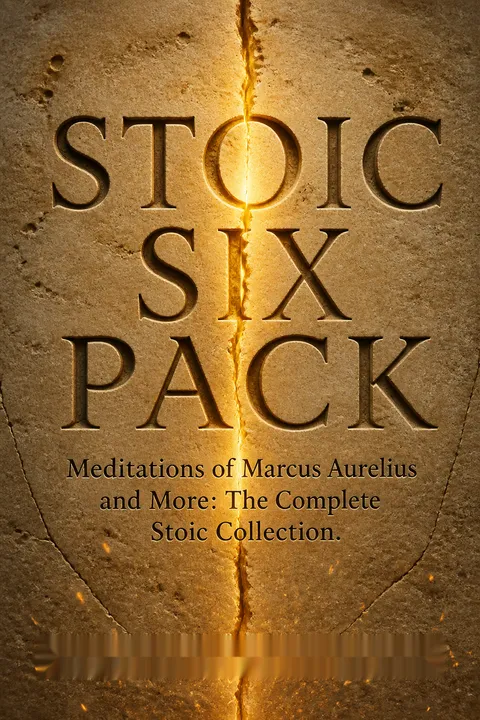
Stoic Six Pack को अधिकांशतः सकारात्मक समीक्षाएँ मिली हैं, जिसकी औसत रेटिंग 4.40/5 है। पाठक इसकी गहन बुद्धिमत्ता और दार्शनिक अंतर्दृष्टियों की सराहना करते हैं, इसे विचारोत्तेजक और आधुनिक जीवन से जुड़ा हुआ पाते हैं। कुछ लोग एपिक्टेटस और सेनेका की रचनाओं की सुलभता की प्रशंसा करते हैं। आलोचनाओं में कठिन अनुवाद, परिचय या फुटनोट्स का अभाव, और ई-बुक प्रारूप में पढ़ने में कठिनाई शामिल हैं। कुछ पाठकों ने इस दर्शन के अपने मानसिक दृष्टिकोण पर नकारात्मक प्रभाव महसूस किया। कुल मिलाकर, कई इसे स्टोइक दर्शन का एक मूल्यवान संग्रह मानते हैं, हालांकि इसे पूरी तरह समझने के लिए धैर्य और गहन चिंतन की आवश्यकता होती है।
लोग यह भी पढ़ते हैं




अक्सर पूछे जाने वाले प्रश्न
What is "Stoic Six Pack (Illustrated)" by Marcus Aurelius and others about?
- Comprehensive Stoic Anthology: "Stoic Six Pack (Illustrated)" is a curated collection of foundational Stoic texts, including "Meditations" by Marcus Aurelius, "Golden Sayings," "Fragments and Discourses" of Epictetus, "Letters from a Stoic" by Seneca, and "The Enchiridion."
- Practical Philosophy: The book focuses on practical advice for living a virtuous, tranquil, and resilient life, emphasizing the application of Stoic principles to daily challenges.
- Themes and Scope: It covers key Stoic themes such as virtue, self-control, acceptance of fate, the nature of good and evil, and the cultivation of wisdom and inner freedom.
Why should I read "Stoic Six Pack (Illustrated)" by Marcus Aurelius and others?
- Timeless Wisdom: The collection offers enduring insights into human nature, suffering, happiness, and the pursuit of virtue, remaining relevant across centuries.
- Practical Guidance: Readers gain actionable advice for managing desires, emotions, adversity, and relationships, helping to build mental strength and moral character.
- Philosophical Depth: The texts provide a rich blend of logic, ethics, and metaphysics, encouraging deep reflection on life’s purpose and the nature of the soul.
What are the key takeaways from "Stoic Six Pack (Illustrated)" by Marcus Aurelius and others?
- Virtue as the Only Good: The book teaches that virtue—wisdom, justice, courage, and temperance—is the sole true good, while external things are indifferent.
- Control and Acceptance: Stoics emphasize focusing on what is within our power (thoughts, will) and accepting what is not (body, reputation, fate).
- Living According to Nature: Aligning one’s will with the natural order and acting rationally in all circumstances leads to tranquility and happiness.
- Preparation for Adversity: The texts encourage mental rehearsal of hardships and acceptance of death as natural, fostering resilience and equanimity.
What are the main Stoic concepts explained in "Stoic Six Pack (Illustrated)"?
- Dichotomy of Control: Epictetus teaches to distinguish between what is in our power (internal states) and what is not (external events), focusing energy on the former.
- Virtue and Indifferents: Only virtue is truly good; external things like wealth, health, and reputation are "preferred indifferents" and should not disturb the soul.
- Reason and Self-Mastery: Reason is the guiding principle for aligning with nature, governing desires, and maintaining tranquility.
- Freedom Through Will: True freedom is mastery over one’s own will, not external circumstances or desires.
How does "Stoic Six Pack (Illustrated)" by Marcus Aurelius and others address the nature of virtue and happiness?
- Virtue as Sufficient for Happiness: The texts assert that virtue alone is enough for a happy life, regardless of fortune or external conditions.
- Happiness Depends on Reason: Perfect reason, or virtue, is man’s unique good and the source of lasting happiness and peace of mind.
- Freedom Through Self-Mastery: True happiness and freedom come from self-mastery, not craving or fearing external things.
- Virtue is Complete and Equal: All virtues are equal and inseparable, forming the foundation of a good character.
What practical advice does "Letters from a Stoic" by Seneca offer for living a good life?
- Value of Time: Seneca urges readers to save time, live deliberately, and focus on meaningful pursuits aligned with virtue.
- Dealing with Adversity: He counsels maintaining equanimity in the face of death, loss, and hardship, using philosophy as a guide to endure suffering.
- Friendship and Social Relations: Seneca discusses the importance of true friendship based on virtue and warns against superficial relationships.
- Self-Examination: Continuous self-reflection and improvement are emphasized as keys to moral and personal growth.
How does "Stoic Six Pack (Illustrated)" by Marcus Aurelius and others address the concept of death and mortality?
- Death as Natural: Death is portrayed as a natural and inevitable part of life, not to be feared but accepted with tranquility.
- Preparation for Death: The wise person prepares for death through mental rehearsal and philosophical reflection, seeing it as liberation from bodily bonds.
- Separation of Soul and Body: Stoics view death as the dissolution of the body and the soul’s return to the universal reason or nature.
- Living in the Present: Awareness of mortality encourages living fully and virtuously in the present moment.
What is the Stoic view on external goods like wealth, fame, and pleasure in "Stoic Six Pack (Illustrated)"?
- Indifference to Externals: External goods are considered neither good nor bad in themselves; true good lies in virtue and rational living.
- Moderation and Usefulness: Stoics advise using external goods without attachment or arrogance, enjoying them without affectation.
- Desire Reduction: True wealth is achieved by reducing desires rather than accumulating possessions.
- Pleasure is Not the Highest Good: Pleasure is fleeting and can mislead; reason and virtue are the true sources of happiness.
How do the Stoics in "Stoic Six Pack (Illustrated)" recommend handling anger, anxiety, and other negative emotions?
- Recognize Irrationality: Negative emotions are seen as irrational disturbances that separate the soul from reason and nature.
- Practice Self-Control: Stoics recommend vigilance and practice to prevent the growth of such habits, encouraging self-mastery.
- Use Reason as Remedy: When disturbed, pause and examine impressions critically, opposing false judgments with rational ones.
- Gentleness and Forgiveness: The texts promote mildness and understanding, viewing others’ faults as arising from ignorance rather than malice.
What role do reason and logic play in the Stoic philosophy of "Stoic Six Pack (Illustrated)"?
- Guiding Principle: Reason is the defining faculty of humans, enabling self-governance and moral judgment.
- Logic as a Tool: Logic is essential for discerning truth from falsehood and making sound judgments about appearances.
- Philosophy as Practical Reason: Philosophy teaches the application of reason to life’s challenges, ensuring actions align with nature.
- Training in Logic: Stoics emphasize practicing logic and reasoning skills to avoid deception and maintain a tranquil mind.
How does "Stoic Six Pack (Illustrated)" by Marcus Aurelius and others approach friendship and social relationships?
- Friendship Based on Virtue: True friendship arises from shared values and mutual pursuit of virtue, not utility or external benefits.
- Self-Sufficiency and Desire for Friends: The wise person is self-sufficient but values friends for mutual moral growth.
- Caution in Choosing Friends: One should carefully judge before admitting someone as a friend, ensuring they are trustworthy and virtuous.
- Equality and Kindness: The texts urge treating all people, including inferiors and slaves, with kindness and respect.
What are the best quotes from "Stoic Six Pack (Illustrated)" by Marcus Aurelius and others, and what do they mean?
- "Of all existing things some are in our power, and others are not in our power." (Epictetus) — Focus on what you can control to achieve peace of mind.
- "He needs but little who desires but little." (Seneca) — True contentment comes from reducing desires, not accumulating wealth.
- "Do not act as if thou wert going to live ten thousand years." (Marcus Aurelius) — Live fully and virtuously in the present, aware of life’s brevity.
- "Freedom is the name of virtue: Slavery, of vice." (Epictetus) — True freedom is internal, achieved through self-mastery and virtue.
- "He who has learned to die has unlearned slavery." (Seneca) — Mastery over the fear of death leads to ultimate freedom.
लेखक के बारे में
अन्य किताबें — मार्कस ऑरेलियस

PDF डाउनलोड करें
EPUB डाउनलोड करें
.epub digital book format is ideal for reading ebooks on phones, tablets, and e-readers.








































