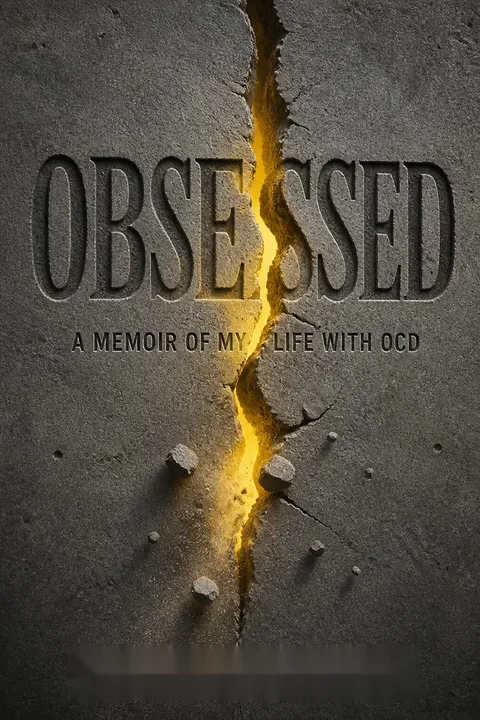

कथानक सारांश
1. भयावह अनचाहे विचारों का अचानक आना
इतनी प्रबल शक्ति बिना किसी उद्देश्य के नहीं होती। यह कोई सपना नहीं था। यह एक संदेश था, एक चेतावनी। मुझे मस्तिष्क कैंसर है।
नायिका एलिसन के गहरे चिंता में डूबने की अचानक शुरुआत को दर्शाता है। मस्तिष्क कैंसर से मरने के एक जीवंत सपने से जागते हुए, उसे एक अजीब सी निश्चितता होती है कि यह सपना भविष्यवाणी है, उसकी निकट मृत्यु का सीधा संदेश। यह एकल, अनचाहा विचार उसके बढ़ते भय का केंद्र बन जाता है।
भयानक रूप से सही लगता है, मानो उसके भीतर किसी छोड़े गए कोने को पूरा कर रहा हो, जैसे वह इस भयंकर घटना की प्रतीक्षा कर रहा हो। मस्तिष्क कैंसर होने की यह प्रारंभिक बाध्यता शक्तिशाली और पूरी तरह से उसे घेर लेने वाली होती है, जो तुरंत उसके भावनात्मक स्थिति और वास्तविकता की समझ को प्रभावित करती है। यह केवल एक बुरा सपना नहीं, बल्कि एक प्रकट सत्य है।
विश्वास किसी विनाशकारी व्यक्तिगत खतरे के प्रति बाध्यता की पहचान है। सामान्य चिंताओं के विपरीत, ये विचार अवांछित, लगातार और बेहद वास्तविक लगते हैं, भले ही इनका कोई वास्तविक आधार न हो। ये ध्यान मांगते हैं और तत्काल, भारी भय को जन्म देते हैं।
2. बाध्यताओं को दिव्य चेतावनी समझ लेना
यह मेरे कैंसर के बारे में जानता है। रेडियो मेरे सपने के बारे में जानता है। यह मुझे चेतावनी दे रहा है, बीमारी के बारे में जो सब मेरे दिमाग में है।
को उसके भय की पुष्टि करने वाले गुप्त संदेश के रूप में देखा जाता है। एक लोकप्रिय गीत के बोल "यह सब मेरे दिमाग में है" सुनकर, एलिसन मानती है कि रेडियो सीधे उसके कथित मस्तिष्क ट्यूमर का संदर्भ दे रहा है, इसे एक और चेतावनी के रूप में देखती है। इस तरह के अप्रासंगिक घटनाओं में छिपे अर्थ खोजने का सिलसिला तेजी से बढ़ता है।
परिस्थितियां दिव्य संचार या खतरे के संकेत के स्रोत बन जाती हैं। बचपन की एक कविता जिसमें दरारों पर पैर रखने की बात होती है, उसे यह भयानक विश्वास दिलाती है कि दरारें मस्तिष्क कैंसर का कारण हैं। बाद में, एक मुरझाया हुआ मोज़ा, नीला पेन, यहां तक कि उसका मोबाइल फोन भी घातक माना जाता है, जिनका खतरा तीव्र शारीरिक संवेदनाओं या अचानक, जबरदस्त विचारों के माध्यम से प्रकट होता है।
को "राक्षस," "रक्षक," या अंततः भगवान के रूप में माना जाता है। एलिसन मानती है कि उसे बीमारी और त्रासदी की सच्चाई के रहस्यों को प्राप्त करने के लिए चुना गया है। इन अनचाहे विचारों को बाहरी, पवित्र चेतावनी समझने की यह गलत व्याख्या उनकी शक्ति को बढ़ाती है और उसे उनका पालन करने का दायित्व महसूस कराती है।
3. भय को नियंत्रित करने के लिए बाध्यकारी अनुष्ठान विकसित करना
अगर दरार पर पैर रखना निश्चित मृत्यु है, तो दरार से बचना निश्चित जीवन होना चाहिए।
एलिसन जटिल और कठोर बाध्यताएं विकसित करती है। यह मानते हुए कि दरारें कैंसर का कारण हैं, वह फर्श और फुटपाथ पर धीरे-धीरे चलना, कूदना और छलांग लगाना शुरू कर देती है, जिससे लोग हैरान होकर उसे देखते हैं। यह शारीरिक बचाव उसकी मुख्य रक्षा बन जाती है।
और अधिक जटिल हो जाती हैं। यह विश्वास कि दरार पर पैर रखने को "सुरक्षित" कदमों की संख्या में मंजिल तक पहुंचकर उलटा जा सकता है, लगातार गिनती करने की आदत को जन्म देता है। कदम खत्म होने पर सौदेबाजी करनी पड़ती है, शुरू में भोजन की वस्तुएं "खरीदने" के लिए त्यागनी पड़ती हैं, जिससे गंभीर भोजन प्रतिबंध लग जाता है।
की सूची तेजी से बढ़ती है। हेयर ड्रायर, ब्रश, मेकअप, कुछ कपड़े, फर्नीचर, पेंसिल, कागज, कैलकुलेटर, यहां तक कि हरे रंग को भी खतरनाक माना जाता है। इन ट्रिगर्स से बचना या विशिष्ट क्रियाएं करना (जैसे एक पैर पर खड़ा होना, हाथ जोड़कर प्रार्थना करना) उसकी पूरी जिंदगी को घेर लेने वाला, थकाने वाला काम बन जाता है।
4. गंभीर OCD का अलगावकारी प्रभाव
सैमुअलसन के सख्त सामाजिक पदानुक्रम में, कई अनकहे नियम छात्र समुदाय को नियंत्रित करते हैं। सबसे महत्वपूर्ण नियम: कभी अकेले कहीं मत चलो।
व्यवहार उसके दोस्तों से दूरी बढ़ाते हैं। उसकी लगातार गिनती करना, धीरे-धीरे चलना, अजीब बहाने और भावनात्मक विस्फोट उसे अप्रत्याशित और शर्मनाक बना देते हैं। सारा और जेनी जैसे दोस्त, जो शुरू में चिंतित थे, अब निराश और दूर हो जाते हैं, उसके पीछे फुसफुसाते हैं।
असंभव हो जाता है। कक्षाओं के बीच कभी अकेले न चलने का अनकहा नियम टूट जाता है क्योंकि उसकी बाध्यताएं दूसरों के साथ चलना मुश्किल बना देती हैं। अकेले लंच करना, कैफेटेरिया में चिल्लाना, और स्कूल में फटे हुए पजामे पहनकर आना उसे अपने साथियों से और अधिक अलग कर देता है।
तनावपूर्ण और संघर्षपूर्ण हो जाते हैं। उसकी मां की मदद या समझने की कोशिशें गुस्से और विरोध से मिलती हैं, क्योंकि एलिसन मानती है कि उनकी दखलअंदाजी खतरनाक है। अपने अनुष्ठान और भय छुपाने से परिवार में गुप्तता और गलतफहमी की खाई बन जाती है।
5. विकार से शारीरिक और मानसिक गिरावट
मेरा शरीर शारीरिक रूप से थका हुआ है। जब मैं कैंपस में चलती हूं, तो मैं चेतना के किनारे पर डोलती हूं, नींद और अंधकार के गर्म बादल की ओर आकर्षित होती हूं।
और बाध्यकारी व्यवहारों का गंभीर शारीरिक प्रभाव होता है। लगातार सतर्कता, देर रात तक अनुष्ठान करने के कारण नींद की कमी, और कड़े भोजन प्रतिबंध से वजन में भारी कमी, थकान और शारीरिक कमजोरी होती है। वह खुद को कागज की तरह पतला और लगातार कांपता हुआ महसूस करती है।
असंभव हो जाती है क्योंकि टूथब्रश, साबुन और तौलिये जैसी वस्तुएं प्रतिबंधित हो जाती हैं। उसकी शक्ल बिगड़ जाती है, उलझे हुए गीले बाल, गंभीर मुँहासे, और फटे-पुराने कपड़े उसे और अधिक अलग-थलग और शर्मिंदा करते हैं।
भी भारी प्रभावित होता है। कभी एक उत्कृष्ट छात्रा जो आइवी लीग कॉलेजों के लिए तैयारी कर रही थी, उसकी एकाग्रता की कमी, आवश्यक स्कूल सामग्री का उपयोग न कर पाना, या नियमित कक्षाओं में न जाना उसके ग्रेड गिरा देता है। यह विकार उसकी दैनिक जीवन में कार्यक्षमता को पूरी तरह से निगल जाता है।
6. पेशेवर मदद लेने का कठिन रास्ता
मैं बेहोश होने, अभ्यास छोड़ने और न खाने की बात समझा सकती हूं, लेकिन यह—मैं खुद को भ्रूण की स्थिति में, नग्न, हॉलवे के फर्श पर देखती हूं—यह ऐसी बात नहीं है जिसे मैं कहानियों और झूठ के पीछे छुपा सकूं।
अपने माता-पिता या अन्य लोगों के किसी भी मदद के प्रयास का विरोध करती है। वह अपनी सबसे गंभीर लक्षणों को छुपाती है, अपने व्यवहार के बारे में झूठ बोलती है (फफोले, कम ब्लड शुगर, ट्यूशन) और सवाल पूछे जाने पर रक्षात्मक हो जाती है, मानती है कि उसके कार्य जीवित रहने के लिए आवश्यक हैं।
चिंता उन्हें चिकित्सा सहायता लेने के लिए प्रेरित करती है। जब वे उसे फर्श पर नग्न अवस्था में पाते हैं, तो उसकी मां परिवार के डॉक्टर डॉ. मार्क से अपॉइंटमेंट लेती है। एलिसन अनिच्छुक होती है लेकिन जाती है, फिर भी अपने भय की सच्चाई छुपाने का प्रयास करती है।
गुप्तता बनाए रखने के, डॉ. मार्क मानसिक स्वास्थ्य समस्या के संकेत पहचान लेते हैं। उसके वजन में कमी, व्यवहार में बदलाव, और उसकी मां की रिपोर्ट के आधार पर, वे उसे बाल और किशोर मनोचिकित्सक के पास भेजते हैं, जिससे उसकी मानसिक स्वास्थ्य देखभाल प्रणाली में औपचारिक प्रवेश होता है।
7. बाध्यकारी-आवेग विकार का निदान प्राप्त करना
बाध्यकारी-आवेग विकार में आवेग होते हैं, जो अनियंत्रित विचार और भय होते हैं, जो रोगी को बाध्यकारी क्रियाएं करने के लिए प्रेरित करते हैं, यानी दोहराए जाने वाले कार्य।
एलिसन मानसिक स्वास्थ्य संबंधी पुस्तिकाओं को देखती है। उन्हें पढ़ते हुए, वह विभिन्न विकारों के बारे में जानती है लेकिन बाध्यकारी-आवेग विकार (OCD) के वर्णन से प्रभावित होती है, क्योंकि वह अपने अनुभवों को उसमें पहचानती है।
"लगातार, अवांछित विचार या urges," "लगातार या दोहराए जाने वाले कार्य," और "चिंता को नियंत्रित करने के लिए बनाए गए नियम और अनुष्ठान" उसकी स्थिति से मेल खाते हैं। यह आत्म-पहचान एक महत्वपूर्ण क्षण होता है, जो उसकी उलझन भरी वास्तविकता को समझने का एक संभावित ढांचा प्रदान करता है।
अपनी सत्र के दौरान, एलिसन हिचकिचाते हुए पुस्तिका साझा करती है और अपने कैंसर और त्रासदी के "बुरे विचारों" का वर्णन करती है। डॉ. एडम्स उसकी आत्म-निदान को मान्यता देते हैं, पुष्टि करते हैं कि उसके लक्षण OCD से मेल खाते हैं, जो उसकी स्थिति की औपचारिक पहचान है।
8. OCD को एक इलाज योग्य मस्तिष्क विकार के रूप में समझना
“खैर, एलिसन, मुझे लगता है कि मैं तुम्हारे आत्म-निदान से सहमत होना पड़ेगा।”
उसके अनुभवों के लिए एक चिकित्सीय व्याख्या प्रदान करता है। यह जानना कि उसके विचार एक विकार के लक्षण हैं, न कि दिव्य संदेश या व्यक्तिगत असफलताएं, उसकी बाध्यताओं की पवित्रता और शक्ति को कम करने लगता है।
डॉ. नेल्सन बताते हैं कि OCD एक इलाज योग्य स्थिति है। वे थेरेपी और संभवतः दवाओं की अवधारणा प्रस्तुत करते हैं, जो लक्षणों को प्रबंधित करने और जीवन पर नियंत्रण वापस पाने के तरीके हैं, जो केवल विकार सहने से आगे का रास्ता दिखाते हैं।
दवाओं के प्रति विरोधी और अपने विचारों की दिव्य उत्पत्ति को लेकर संघर्ष करते हुए, चिकित्सा पेशेवरों से मिली मान्यता एक महत्वपूर्ण वैकल्पिक कथा प्रदान करती है। यह सुझाव देती है कि उसका दुख एक चुनी हुई मिशन नहीं, बल्कि एक बीमारी है जिसे ठीक किया जा सकता है।
9. एक्सपोजर रिस्पांस प्रिवेंशन (ERP) के माध्यम से भय का सामना करना
“एक्सपोजर रिस्पांस प्रिवेंशन के साथ, हम आपको आपकी चिंता या भय के स्रोत—इस मामले में पेंसिल—के सामने लाते हैं और आपकी सामान्य बाध्यकारी प्रतिक्रियाओं को रोकते हैं।”
OCD के प्राथमिक उपचार के रूप में एक्सपोजर रिस्पांस प्रिवेंशन (ERP) प्रस्तुत करते हैं। इस थेरेपी में जानबूझकर चिंता के ट्रिगर्स का सामना करना शामिल है, बिना उन बाध्यकारी अनुष्ठानों को करने के जो भय को अस्थायी रूप से कम करते हैं।
पेंसिल पर केंद्रित होता है, जो एक प्रतिबंधित वस्तु है और काफी चिंता उत्पन्न करता है। एलिसन से कहा जाता है कि वह डॉ. नेल्सन द्वारा पकड़ी गई पेंसिल को देखे और अपनी सामान्य बाध्यताओं (साँस रोकना, प्रार्थना करना, एक पैर पर खड़ा होना) का विरोध करे। यह शुरू में बेहद कठिन और चिंता बढ़ाने वाला होता है।
के माध्यम से, चिंता धीरे-धीरे कम होती है। डॉ. नेल्सन बताते हैं कि यह प्रक्रिया ट्रिगर और भय प्रतिक्रिया के बीच के संबंध को कमजोर करती है, इसे विकार के खिलाफ मुक्केबाजी के समान बताते हैं। यह व्यावहारिक अनुभव दिखाता है कि उसके भय, हालांकि तीव्र, अजेय नहीं हैं।
10. उपचार प्रक्रिया में आशा और प्रगति पाना
मैं बस एक पेंसिल के साथ उसी कमरे में था, उसकी छोटी-छोटी आंखों में घूरा, और कहानी बताने के लिए जीवित रहा।
विशेष रूप से पेंसिल के साथ, एक शक्तिशाली आशा की भावना लाती है। बिना बाध्यताओं के चिंता के बढ़ने और फिर स्वाभाविक रूप से कम होने का अनुभव एक खुलासा है, जो साबित करता है कि भयित परिणाम नहीं होता और चिंता अस्थायी है।
उपचार जारी रखने की प्रेरणा देती है। एक भयभीत वस्तु का सामना करने और जीतने की शक्ति का अनुभव, भले ही मामूली हो, उसे उसकी बाध्यताओं के नियंत्रण में होने की बेबसी से बाहर निकालता है।
की संभावना वास्तविक हो जाती है। यह देखकर कि आवेग अपनी शक्ति खो सकते हैं, सामान्य जीवन में लौटने की झलक मिलती है—स्कूल जाना बिना किताबों के ढेर के, सामान्य कपड़े पहनना, दोस्तों और परिवार के साथ बिना निरंतर भय और अनुष्ठान के बातचीत करना।
11. समर्थन की भूमिका, भले ही समझ न पाएं
मेरी माँ का मजबूत हाथ मेरी ऊपरी बांह पर मुझे स्थिर करता है।
एलिसन के माता-पिता लगातार चिंता और समर्थन दिखाते हैं। वे उसकी मुश्किलों को नोटिस करते हैं, पेशेवर मदद लेते हैं, अपॉइंटमेंट्स में जाते हैं, और उसके व्यवहारों को समझने या स्वीकार करने की कोशिश करते हैं, भले ही वे उन्हें न समझ पाएं या गुस्से का सामना करें।
एक महत्वपूर्ण गैर-न्यायिक समर्थन और मार्गदर्शन का स्रोत प्रदान करते हैं। उनका शांत स्वभाव, एलिसन के अनुभव की मान्यता, और उसकी ठीक होने की क्षमता में विश्वास, भरोसा बनाते हैं और एक सुरक्षित स्थान तैयार करते हैं जहां एलिसन अपने भय का सामना कर सके और अपने रहस्यों को साझा कर सके।
का संयोजन उपचार के लिए आधार बनाता है। जब एलिसन अपने विकार से अलग-थलग महसूस करती है, तब भी देखभाल करने वाले लोग उसके साथ खड़े रहते हैं और उपचार के माध्यम से उसका मार्गदर्शन करते हैं, जो उसके ठीक होने की यात्रा के लिए आवश्यक है।
समीक्षा सारांश
Obsessed पुस्तक को अधिकांशतः सकारात्मक समीक्षाएँ मिली हैं, जहाँ पाठक इसके ओसीडी की सच्चाईपूर्ण प्रस्तुति और लेखिका की अपनी कहानी साझा करने की साहसिकता की प्रशंसा करते हैं। कई लोगों ने इसे ज्ञानवर्धक और दृष्टि खोलने वाला बताया, जिसने ओसीडी के बारे में गलतफहमियों को दूर किया। कुछ समीक्षकों ने लेखन शैली को दोहरावदार या सरल बताया। पाठकों ने मानसिक स्वास्थ्य की जटिलताओं और उपचार की ईमानदार झलक की सराहना की है। इस पुस्तक ने ओसीडी से जूझ रहे लोगों के प्रति समझ और सहानुभूति बढ़ाने में महत्वपूर्ण भूमिका निभाई है। हालांकि, कुछ ने चेतावनी दी है कि इसकी सामग्री चिंता या ओसीडी से पीड़ित लोगों के लिए संवेदनशील हो सकती है।
लोग यह भी पढ़ते हैं

अक्सर पूछे जाने वाले प्रश्न
What is Obsessed: A Memoir of My Life with OCD by Allison Britz about?
- Personal account of OCD: The memoir details Allison Britz’s struggle with obsessive-compulsive disorder (OCD) during her high school years, focusing on her intrusive thoughts, compulsions, and the impact on her daily life.
- Unique symptoms and rituals: Allison’s OCD manifests in unusual ways, such as a fear of cancer from everyday objects, compulsive counting, and elaborate avoidance rituals.
- Journey to diagnosis and recovery: The book follows her path from confusion and isolation to seeking professional help, receiving a diagnosis, and engaging in therapy.
- Themes of hope and resilience: Despite severe challenges, Allison’s story is ultimately one of survival, gradual healing, and the importance of support.
Why should I read Obsessed: A Memoir of My Life with OCD by Allison Britz?
- First-person insight into OCD: The memoir offers a rare, honest perspective on living with OCD, especially symptoms beyond the typical germ-related fears.
- Mental health awareness: It raises awareness about adolescent mental illness, helping to break stigma and foster empathy.
- Inspiration and encouragement: Allison’s journey from debilitating fear to recovery provides hope for those facing similar struggles or supporting loved ones.
- Accessible explanation of treatment: The book demystifies therapeutic approaches like Exposure Response Prevention (ERP), making them understandable for readers.
What are the key takeaways from Obsessed: A Memoir of My Life with OCD by Allison Britz?
- OCD is complex and diverse: The memoir highlights the wide range of OCD symptoms, including fears of harm, compulsive rituals, and avoidance behaviors.
- Support is crucial: Family, friends, and professional help play vital roles in Allison’s journey toward healing and acceptance.
- Therapy is challenging but effective: Exposure Response Prevention (ERP) therapy is depicted as difficult but essential for managing OCD.
- Hope and resilience matter: Allison’s story emphasizes that recovery is possible, even when OCD feels overwhelming.
What are the most impactful quotes from Obsessed: A Memoir of My Life with OCD by Allison Britz and what do they mean?
- “Fighting OCD is like boxing. Each time you go against a thought, it’s a punch to its strength.” This metaphor highlights the ongoing, active struggle required to weaken OCD’s grip.
- “You have obsessive-compulsive disorder. For richer or poorer, for better or worse. That’s just how it is.” This quote reflects acceptance of OCD as a chronic condition that must be managed, not cured.
- “It’s just OCD. Just like pencils and calculators. Just like socks and sidewalk cracks.” Marks a turning point where Allison recognizes her fears as symptoms, helping her regain control.
- “I’m not anorexic. I have OCD.” Clarifies the importance of accurate diagnosis and understanding of mental illness.
How does Allison Britz describe her OCD symptoms and compulsions in Obsessed?
- Intrusive thoughts about harm: Allison is plagued by persistent fears that everyday objects or actions will cause cancer or death to herself or her family.
- Compulsive rituals: She engages in behaviors like counting steps, tiptoeing to avoid cracks, standing on one foot, and bartering food to prevent perceived harm.
- Avoidance of objects and colors: Items such as pencils, calculators, certain clothes, and even colors like green become sources of terror, leading to avoidance and distress.
- Religious compulsions: Allison incorporates prayers and ritualized gestures into her routines, intertwining her OCD with spirituality.
What is the significance of the “monster” or “protector” in Allison Britz’s experience with OCD?
- Source of intrusive thoughts: Allison refers to a mysterious presence—the “monster” or “protector”—that delivers cryptic warnings and commands she feels compelled to obey.
- Dual role: This entity is both terrifying and protective, as Allison believes following its rules will keep her and her family safe from harm, especially cancer.
- Physical and emotional impact: The “monster” communicates through physical sensations and vivid imagery, intensifying her anxiety and compulsions.
- Driving force behind rituals: Its demands lead to strict adherence to rituals, making daily life exhausting and isolating.
How does OCD affect Allison Britz’s academic and social life in Obsessed?
- Academic decline: Once a top student, Allison’s compulsions and anxiety cause her grades to suffer, and she struggles to complete assignments and exams.
- Social isolation: Her behaviors, such as counting steps aloud and avoiding certain objects, make her appear strange to peers, leading to gossip and loss of friendships.
- Challenges with accommodations: Receiving special accommodations at school helps but also makes her feel different and isolated.
- Gradual improvement: Through therapy, Allison slowly regains the ability to participate in class and rebuild relationships.
What role do Allison Britz’s parents and friends play in her journey in Obsessed?
- Parental concern and involvement: Her parents are deeply worried and actively seek medical and psychological help for Allison, though they often struggle to understand her condition.
- Family tension: The emotional toll of OCD leads to moments of frustration, misunderstanding, and conflict within the family.
- Friendship challenges: Allison loses many friends due to her behaviors and isolation but experiences moments of reconnection, such as with her friend Jenny.
- Support as foundation: Ultimately, the love and support from family and friends are crucial to her progress and recovery.
How does Allison Britz interpret the connection between OCD and her fear of brain cancer in Obsessed?
- Origin in a nightmare: Allison’s OCD begins after a vivid dream about being diagnosed with brain cancer, which she interprets as a warning from her protector.
- Symbolic associations: She links specific objects, actions, and even numbers to cancer risk, believing that following her protector’s rules can prevent illness.
- Compulsions as survival: Her rituals are framed as life-or-death necessities, making her OCD behaviors feel essential for survival.
- Psychological impact: This belief system intensifies her anxiety and blurs the line between OCD symptoms and genuine health fears.
What is Exposure Response Prevention (ERP) therapy, and how is it used in Obsessed: A Memoir of My Life with OCD by Allison Britz?
- Definition and purpose: ERP is a cognitive-behavioral therapy that exposes patients to anxiety triggers while preventing their usual compulsive responses, aiming to reduce anxiety over time.
- Application in Allison’s treatment: Her therapist, Dr. Nelson, guides her through confronting feared objects and situations without performing rituals.
- Process and challenges: ERP is described as a difficult, anxiety-provoking process that requires persistence, but each exposure weakens OCD’s hold.
- Homework and progress: Allison practices ERP outside therapy sessions, gradually regaining control and reducing her compulsions.
How does Allison Britz’s relationship with religion and spirituality develop in Obsessed?
- Seeking meaning and comfort: Allison turns to religion for comfort, interpreting her protector’s messages as divine guidance.
- Ritualized religious practices: She incorporates Bible reading, prayer, and specific gestures into her daily routines, sometimes as compulsions.
- Conflict with faith: As therapy progresses, Allison struggles to reconcile her religious beliefs with the understanding that her thoughts may be symptoms of OCD.
- Nuanced integration: The memoir suggests a balance between maintaining spirituality and recognizing the need for medical treatment.
What resources and advice does Allison Britz recommend for those struggling with OCD, as shared in Obsessed: A Memoir of My Life with OCD?
- Professional help is essential: Allison emphasizes the importance of seeking therapy and professional support for managing OCD.
- Support organizations: She recommends resources such as Active Minds, Mental Health America, NAMI, NIMH, and the International OCD Foundation for information and community.
- Encouragement to reach out: The memoir encourages readers not to struggle in silence and to connect with support networks.
- Hope for recovery: Allison’s story and advice underscore that with help, progress and healing are possible.
PDF डाउनलोड करें
EPUB डाउनलोड करें
.epub digital book format is ideal for reading ebooks on phones, tablets, and e-readers.








































