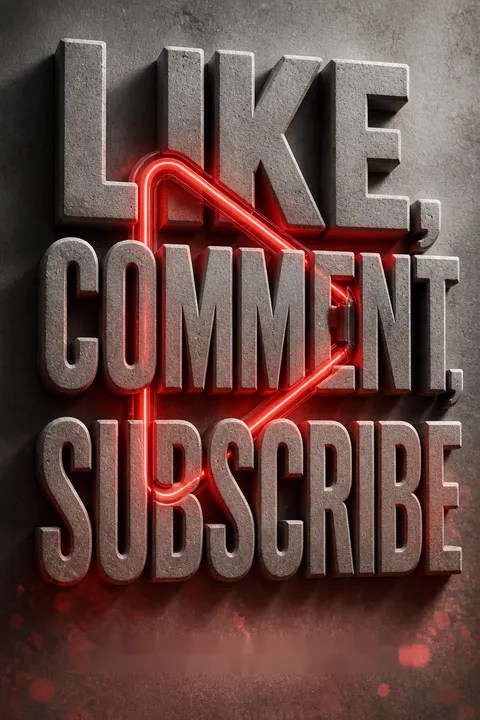

मुख्य बातें
1. यूट्यूब की शुरुआत: डेटिंग साइट से इंटरनेट के वीडियो मंच तक
इंटरनेट का वीडियो मंच।
साधारण शुरुआत। यूट्यूब की शुरुआत तीन पेपैल सहयोगियों—चैड हर्ले, स्टीव चेन, और जवेद करीम—के बीच एक सरल विचार के रूप में हुई। शुरू में इसे एक डेटिंग साइट के रूप में सोचा गया था, लेकिन जल्दी ही यह व्यक्तिगत वीडियो साझा करने के लिए एक मंच बन गया, जिसका मकसद था "खुद को प्रसारित करना।" फ्लैश तकनीक के नवाचार के साथ वीडियो एम्बेड करने की सुविधा ने यूट्यूब की तेजी से वृद्धि का रास्ता खोल दिया।
प्रारंभिक सफलता के मुख्य तत्व:
- उपयोग में सरलता: वीडियो अपलोड करना इतना आसान बनाना कि यहाँ तक कि उनकी माताएँ भी कर सकें
- सही समय: डिजिटल वीडियो रिकॉर्डिंग के उदय का लाभ उठाना
- फोकस: डेटिंग से हटकर व्यक्तिगत वीडियो साझा करने पर ध्यान केंद्रित करना
- नवाचार: अन्य वेबसाइटों पर वीडियो एम्बेड करना
प्रतिद्वंद्वियों से आगे। जब अन्य उपभोक्ता इंटरनेट स्टार्टअप्स फीके पड़ गए, यूट्यूब टिक गया और मुफ्त ऑनलाइन मूविंग पिक्चर्स के लिए प्रमुख स्थल बन गया। इसकी अनुकूलन क्षमता, नवाचार, और आम लोगों को प्रसारक बनने का अधिकार देने की ताकत ने इसे प्रभुत्व दिलाया।
2. शुरुआती चुनौतियाँ: कॉपीराइट, धन, और सामग्री नियंत्रण
अरे भाई, अपने खाने के पैसे मुकदमों के लिए बचाओ! ;)
कानूनी जटिलताओं का सामना। शुरू से ही यूट्यूब को कॉपीराइट उल्लंघन से जुड़ी बड़ी चुनौतियों का सामना करना पड़ा। संस्थापकों को खुली पहुँच की इच्छा और बौद्धिक संपदा अधिकारों का सम्मान करने के बीच संतुलन बनाना पड़ा, जिससे अंदरूनी बहसें और मुकदमों का खतरा बना रहा।
वित्तीय संघर्ष। विशाल वीडियो सामग्री की होस्टिंग और स्ट्रीमिंग की लागत यूट्यूब के संसाधनों पर भारी पड़ी। स्टीव चेन ने साइट को चलाए रखने के लिए अपने क्रेडिट कार्ड तक पूरी तरह इस्तेमाल कर लिए। सेकोइया कैपिटल से वेंचर कैपिटल प्राप्त करना एक महत्वपूर्ण सहारा था, लेकिन प्लेटफॉर्म को मुद्रीकृत करने का दबाव बना रहा।
सामग्री मॉडरेशन। संस्थापकों को उपयोगकर्ता-जनित सामग्री के नकारात्मक पहलुओं जैसे पोर्नोग्राफी, हिंसा, और घृणा भाषण से भी निपटना पड़ा। एक सुरक्षित और जिम्मेदार ऑनलाइन समुदाय बनाए रखने के लिए स्पष्ट दिशानिर्देश बनाना और मॉडरेटर नियुक्त करना आवश्यक हो गया।
3. यूट्यूबर का उदय: समुदाय, रचनात्मकता, और वाणिज्य
यह एक ऐसा क्लब था जहाँ बच्चे थे, जो वास्तव में इतने कूल नहीं थे।
नई तरह के सितारे। यूट्यूब ने एक नई पीढ़ी के सितारों को जन्म दिया, जो प्रामाणिक और बिना छान-बीन की गई सामग्री के माध्यम से दर्शकों से जुड़ते थे। ये "यूट्यूबर्स" अपनी व्यक्तिगतता, कौशल, और जुनून के इर्द-गिर्द वफादार समुदाय बनाते थे, अक्सर पारंपरिक मीडिया के गेटकीपर्स को दरकिनार करते हुए।
प्रारंभिक सितारे और उनका प्रभाव:
- ब्रूकरस: लिप-सिंक और पुनःनिर्माण की शक्ति को दिखाया
- लोनलीगर्ल15: इंटरैक्टिव कहानी कहने की कला में अग्रणी
- फ्रेड फिगलहॉर्न: अतिशयोक्ति वाली कॉमेडी की अपील को प्रदर्शित किया
शौक से पेशा तक। यूट्यूब के पार्टनर प्रोग्राम के साथ, इन शुरुआती उपयोगकर्ताओं ने अपनी सामग्री से आय अर्जित करना शुरू किया, जिससे उनके जुनूनी प्रोजेक्ट्स व्यावसायिक करियर में बदल गए। यह बदलाव प्रभावशाली विपणन उद्योग की शुरुआत थी।
4. गूगल का अधिग्रहण: दो राजा टकराते हैं, दृष्टिकोण अलग होते हैं
आज हमारे पास आपके लिए एक रोमांचक खबर है। हमें गूगल ने अधिग्रहित कर लिया है।
रणनीतिक कदम। 2006 में गूगल द्वारा यूट्यूब का 1.65 बिलियन डॉलर में अधिग्रहण वीडियो की बढ़ती महत्ता को स्वीकार करने का संकेत था। इस सौदे ने यूट्यूब को आवश्यक संसाधन और बुनियादी ढांचा प्रदान किया, जबकि गूगल को ऑनलाइन वीडियो बाजार में प्रमुख स्थान दिलाया।
संस्कृति का टकराव। इस विलय ने यूट्यूब की स्वतंत्र और तेज़ नवाचार वाली संस्कृति और गूगल के अधिक संरचित, कॉर्पोरेट माहौल के बीच तनाव पैदा किया। यूट्यूब की टीम, जो तेजी से प्रयोग और नवाचार की आदी थी, कभी-कभी गूगल की नौकरशाही प्रक्रियाओं और डेटा-आधारित निर्णय लेने से असहज महसूस करती थी।
दृष्टिकोण में भिन्नता। यूट्यूब के संस्थापक उपयोगकर्ता अनुभव और रचनात्मक स्वतंत्रता को प्राथमिकता देते थे, जबकि गूगल मुद्रीकरण और विस्तार पर केंद्रित था। इस मतभेद ने विज्ञापन, सामग्री मॉडरेशन, और प्लेटफॉर्म की दिशा को लेकर निरंतर बहसें जन्म दीं।
5. एल्गोरिदम का उदय: डेटा-आधारित निर्णय और अनचाहे परिणाम
यूट्यूब ब्रांड ऑनलाइन वीडियो का पर्याय है, और हम एक स्थायी, लाभकारी व्यवसाय बनाने पर केंद्रित हैं।
कोड की ताकत। जैसे-जैसे यूट्यूब परिपक्व हुआ, एल्गोरिदम इसके संचालन का केंद्र बन गए। ये जटिल सिस्टम तय करते थे कि कौन से वीडियो उपयोगकर्ताओं को सुझाए जाएं, कौन से निर्माता को बढ़ावा मिले, और कौन सी सामग्री विज्ञापन के लिए उपयुक्त मानी जाए।
अनचाहे परिणाम। एल्गोरिदम का उद्देश्य उपयोगकर्ता जुड़ाव और राजस्व को अनुकूलित करना था, लेकिन इसके कुछ नकारात्मक प्रभाव भी हुए, जैसे:
- इको चैंबर और फिल्टर बबल बनाना
- चरमपंथी या हानिकारक सामग्री को बढ़ावा देना
- क्लिकबेट और सनसनीखेज सामग्री को पुरस्कृत करना
- छोटे या विशेष रचनाकारों को नुकसान पहुंचाना
मानव तत्व। यूट्यूब की एल्गोरिदम पर निर्भरता ने मानवीय निर्णय और संपादकीय निगरानी की भूमिका पर सवाल उठाए। कुछ ने कहा कि कंपनी को अपनी सामग्री पारिस्थितिकी तंत्र को आकार देने में अधिक सक्रिय भूमिका निभानी चाहिए, जबकि अन्य ने एल्गोरिदमिक तटस्थता के महत्व की रक्षा की।
6. एडपोकैलिप्स और आगे: विवादों और प्राथमिकताओं में बदलाव का सामना
आप लोग पूरी तरह से जहाज चलाते हैं। जब तक हम इस सरल चेकबॉक्स पर सहमत हैं: उपयोगकर्ता, वीडियो, और दृश्य बढ़ाएं।
ब्रांड सुरक्षा की चिंताएं। 2017 में चरमपंथी सामग्री और अनुचित विज्ञापन स्थानों से जुड़ी कई विवादों ने एक बड़े विज्ञापनदाता बहिष्कार को जन्म दिया, जिसे "एडपोकैलिप्स" कहा गया। इस संकट ने यूट्यूब को अपनी सामग्री मॉडरेशन नीतियों की पुनः समीक्षा करने और ब्रांड सुरक्षा को प्राथमिकता देने के लिए मजबूर किया।
नए नियम और प्रतिबंध। इसके जवाब में, यूट्यूब ने कड़े दिशानिर्देश लागू किए, मॉडरेशन प्रयास बढ़ाए, और विज्ञापनदाताओं के लिए नए उपकरण विकसित किए ताकि वे अपने विज्ञापनों के स्थान को नियंत्रित कर सकें। ये बदलाव कुछ के लिए स्वागत योग्य थे, लेकिन इससे सेंसरशिप और वैध सामग्री की मुद्रीकरण रोकने की चिंताएं भी बढ़ीं।
संतुलन की खोज। यूट्यूब को विज्ञापनदाताओं, रचनाकारों, और दर्शकों के competing हितों के बीच संतुलन बनाना मुश्किल लगा। कंपनी ने एक ऐसा मंच बनाने की कोशिश की जो वाणिज्यिक रूप से सफल और सामाजिक रूप से जिम्मेदार दोनों हो, लेकिन यह एक कठिन और निरंतर चुनौती साबित हुई।
7. व्यक्तित्वों की ताकत: प्रामाणिकता, प्रभाव, और नया मीडिया परिदृश्य
लोग देखे जाना चाहते हैं, और यूट्यूब हर किसी के लिए एक मंच है।
इन्फ्लुएंसर का उदय। यूट्यूब की सफलता इस बात पर निर्भर थी कि यह आम लोगों को मीडिया निर्माता बनने का अधिकार देता है। ये "इन्फ्लुएंसर" अपनी ज़िंदगी, जुनून, और विशेषज्ञता साझा करके वफादार अनुयायी बनाते हैं।
प्रामाणिकता और जुड़ाव। पारंपरिक सितारों के विपरीत, यूट्यूबर्स अक्सर प्रामाणिकता और जुड़ाव की भावना पैदा करते हैं, जिससे वे दर्शकों से व्यक्तिगत स्तर पर जुड़ पाते हैं। इससे वे ब्रांडों के लिए शक्तिशाली विपणन साझेदार बन जाते हैं जो विशिष्ट जनसांख्यिकी तक पहुंचना चाहते हैं।
नया मीडिया परिदृश्य। यूट्यूब की इन्फ्लुएंसर संस्कृति ने पारंपरिक मीडिया संरचनाओं को चुनौती दी और विविध आवाज़ों के लिए नए अवसर बनाए। हालांकि, इसने इन्फ्लुएंसर मार्केटिंग की नैतिकता और शोषण की संभावनाओं पर भी सवाल उठाए।
8. खुलापन का अंधेरा पक्ष: चरमपंथ, शोषण, और नैतिक दुविधाएं
यह हम लोगों का सबसे दुर्लभ, शुद्ध, और बिना छान-बीन वाला चित्रण है।
स्वतंत्रता की कीमत। यूट्यूब की अभिव्यक्ति की स्वतंत्रता की प्रतिबद्धता की कीमत भी चुकानी पड़ी। यह प्लेटफॉर्म चरमपंथी विचारधाराओं, षड्यंत्र सिद्धांतों, और हानिकारक सामग्री का अड्डा बन गया, जो अक्सर कमजोर समूहों को निशाना बनाता था।
मॉडरेशन की चुनौतियाँ। यूट्यूब की सामग्री की विशालता के कारण प्रभावी मॉडरेशन करना कठिन था। एल्गोरिदम वैध अभिव्यक्ति और घृणा भाषण के बीच अंतर करने में असमर्थ थे, जबकि मानव मॉडरेटरों को परेशान करने वाली सामग्री के कारण थकान और मानसिक आघात का सामना करना पड़ा।
नैतिक दुविधाएं। यूट्यूब को अभिव्यक्ति की सीमाओं, उपयोगकर्ताओं की सुरक्षा की जिम्मेदारी, और अनचाहे परिणामों की संभावनाओं जैसे कठिन नैतिक सवालों से जूझना पड़ा। कंपनी के निर्णय अक्सर विवाद और आलोचना का कारण बने।
9. संतुलन की खोज: जिम्मेदारी, नियम, और यूट्यूब का भविष्य
हर किसी को आवाज़ दो और उन्हें दुनिया दिखाओ।
संकट में एक मंच। 2010 के दशक के अंत तक, यूट्यूब कई चुनौतियों का सामना कर रहा था, जिनमें शामिल थे:
- गलत सूचना और चरमपंथ के बढ़ते खतरे
- बढ़ती नियामक जांच
- विज्ञापनदाताओं और रचनाकारों से घटता विश्वास
- प्रतिस्पर्धी प्लेटफॉर्म्स से तीव्र मुकाबला
जिम्मेदारी के चार आर। इसके जवाब में, यूट्यूब की सीईओ सुसान वोज्सिकी ने कंपनी के लिए एक नया ढांचा प्रस्तुत किया, जो चार मुख्य सिद्धांतों पर आधारित था: हटाना (Remove), बढ़ाना (Raise), पुरस्कृत करना (Reward), और कम करना (Reduce)। यह दृष्टिकोण स्वतंत्र अभिव्यक्ति और जिम्मेदार सामग्री मॉडरेशन के बीच संतुलन बनाने का प्रयास था।
यूट्यूब का भविष्य। जैसे-जैसे यूट्यूब एक जटिल और चुनौतीपूर्ण परिदृश्य में आगे बढ़ रहा है, इसकी सफलता इस बात पर निर्भर करेगी कि वह कैसे अनुकूलित होता है, नवाचार करता है, और अपने व्यवसाय मॉडल में निहित नैतिक दुविधाओं का समाधान करता है। कंपनी के निर्णय ऑनलाइन मीडिया और वैश्विक सूचना पारिस्थितिकी तंत्र के भविष्य पर गहरा प्रभाव डालेंगे।
समीक्षा सारांश
Like, Comment, Subscribe पुस्तक को मिली-जुली प्रतिक्रियाएँ मिली हैं, जिसकी औसत रेटिंग 5 में से 3.73 है। कई पाठक इसे यूट्यूब के इतिहास की एक रोचक और सूक्ष्म समझ वाली किताब मानते हैं, जिसमें इस प्लेटफॉर्म के विकास, व्यावसायिक चुनौतियों और सामाजिक प्रभाव का व्यापक विवरण दिया गया है। कुछ पाठक गूगल के प्रबंधन और कंटेंट मॉडरेशन की जटिलताओं के पर्दे के पीछे की झलक की सराहना करते हैं। वहीं, आलोचक इसे कुछ हिस्सों में लंबी और उबाऊ बताते हैं, साथ ही यह भी कहते हैं कि इसमें प्रमुख हस्तियों तक पहुँच नहीं हो पाई है। कुल मिलाकर, पाठक इस किताब को यूट्यूब की सांस्कृतिक महत्ता और इसके क्रिएटर्स, विज्ञापनदाताओं तथा समाज के साथ जटिल संबंधों की गहराई से पड़ताल करने वाली एक महत्वपूर्ण कृति के रूप में देखते हैं।
लोग यह भी पढ़ते हैं






अक्सर पूछे जाने वाले प्रश्न
1. What is Like, Comment, Subscribe by Mark Bergen about?
- Comprehensive YouTube history: The book traces YouTube’s journey from a scrappy startup to a global media powerhouse, detailing its technological innovations, business challenges, and cultural impact.
- Focus on power and influence: Mark Bergen explores how YouTube drives Google’s dominance, shapes online culture, and influences politics, society, and the global media landscape.
- Insider perspectives: Drawing on interviews with founders, employees, creators, and industry insiders, the book reveals internal debates, leadership decisions, and the human stories behind YouTube’s growth and crises.
- Key moments and controversies: It covers pivotal events such as the Google acquisition, the Viacom lawsuit, the rise of the creator economy, and major content moderation controversies.
2. Why should I read Like, Comment, Subscribe by Mark Bergen?
- Understand digital media power: The book offers critical insights into how YouTube became a media giant influencing billions, making it essential for anyone interested in technology, media, or internet culture.
- Behind-the-scenes revelations: Bergen exposes internal conflicts, ethical dilemmas, and the challenges of balancing growth with responsibility at YouTube and Google.
- Context for current debates: The book provides valuable context for ongoing discussions about misinformation, radicalization, and platform regulation in the digital age.
- Human stories and transparency: Readers gain a nuanced view of the people, decisions, and cultural shifts that shaped YouTube’s evolution.
3. How did YouTube start, according to Like, Comment, Subscribe by Mark Bergen?
- Founders’ vision and origins: Chad Hurley, Steve Chen, and Jawed Karim, former PayPal employees, launched YouTube in 2005 to make video sharing easy for everyone, experimenting with ideas before settling on “broadcast yourself.”
- Early challenges: The founders faced technical hurdles, legal risks, and content moderation issues, operating from a cramped office and relying on word of mouth and MySpace for growth.
- Community and content: Early YouTube was defined by quirky, amateur videos and interactive features like comments and subscriptions, fostering a new kind of participatory media culture.
- Rapid growth and investment: Venture capital from Sequoia Capital stabilized finances, enabling YouTube to outpace competitors like Google Video.
4. What role did Google play in YouTube’s development, as described in Like, Comment, Subscribe?
- Acquisition and integration: Google acquired YouTube in 2006 for $1.65 billion, recognizing its dominance and potential despite legal and financial uncertainties.
- Managerial discipline and resources: Google brought advertising technology, legal expertise, and corporate structure, helping YouTube develop a sustainable business model.
- Cultural clashes: Tensions arose between YouTube’s startup ethos and Google’s corporate priorities, affecting decision-making and company culture.
- Policy and legal influence: Google’s leadership shaped YouTube’s approach to copyright, censorship, and global regulation, navigating complex legal and ethical challenges.
5. How did YouTube’s algorithm and business model evolve in Like, Comment, Subscribe by Mark Bergen?
- Shift to watch time: In 2012, YouTube’s algorithm began prioritizing “watch time” over views, encouraging longer, more engaging videos and changing content creation dynamics.
- Expansion of monetization: The YouTube Partner Program democratized ad revenue, allowing millions of creators to earn money but also introducing challenges like clickbait and system gaming.
- Rise of MCNs: Multichannel networks (MCNs) emerged to manage and monetize groups of creators, professionalizing content but also creating new power dynamics and contractual complexities.
- Algorithmic influence: The recommendation engine, powered by advanced AI, shaped what billions watched, often promoting sensational or extreme content to maximize engagement.
6. What were the major legal and content challenges YouTube faced, according to Mark Bergen?
- Copyright battles: YouTube faced massive lawsuits, most notably from Viacom, over copyright infringement, leading to the development of Content ID and reliance on DMCA safe harbor provisions.
- Content moderation dilemmas: The platform struggled to balance free expression with the need to remove harmful or inappropriate videos, with moderators facing traumatic content and unclear guidelines.
- Political and social controversies: YouTube became a battleground for global events, such as the Arab Spring and the “Innocence of Muslims” trailer, sparking debates about censorship and platform responsibility.
- Advertiser boycotts: Incidents like the Adpocalypse forced YouTube to tighten content policies and demonetize many creators to appease advertisers.
7. How did YouTube’s algorithm influence content, culture, and society, as detailed in Like, Comment, Subscribe?
- Watch time as a driver: The algorithm prioritized videos that kept viewers engaged longer, incentivizing creators to produce longer, more sensational, or provocative content.
- Echo chambers and radicalization: The recommendation system often led users into “rabbit holes” of increasingly extreme or niche content, contributing to polarization and the spread of conspiracy theories.
- Impact on creators: Creators adapted their strategies to satisfy algorithmic preferences, sometimes at the cost of quality or well-being, leading to burnout and formulaic content.
- Societal consequences: The algorithm’s focus on engagement sometimes amplified misinformation, fringe views, and addictive viewing patterns, raising questions about responsibility and control.
8. What were the major controversies and crises YouTube faced, according to Like, Comment, Subscribe by Mark Bergen?
- Adpocalypse and advertiser boycotts: Major brands pulled ads after discovering their commercials ran alongside extremist or inappropriate videos, leading to stricter monetization rules and content policies.
- Elsagate and disturbing kids’ content: The platform was flooded with bizarre and sometimes exploitative children’s videos, prompting public outcry and massive content removals.
- Creator scandals: High-profile creators like PewDiePie and Logan Paul sparked controversies with offensive or insensitive content, forcing YouTube to reconsider moderation and accountability.
- Political and social backlash: YouTube was accused of promoting extremist content, spreading misinformation, and exhibiting political bias, leading to ongoing scrutiny and criticism.
9. How did YouTube’s relationship with creators and the creator economy change, according to Mark Bergen?
- Early empowerment: Initially, YouTube allowed creators to monetize freely, fostering a diverse and vibrant creator economy with minimal interference.
- MCNs and corporate influence: The rise of MCNs professionalized content creation but also led to exploitation and conflicts, prompting YouTube to reclaim more control over monetization.
- Stricter monetization rules: In response to advertiser concerns, YouTube introduced tougher eligibility criteria, reducing the number of creators earning ad revenue and causing frustration.
- Creator burnout and adaptation: Increasing demands for frequent, ad-friendly content led to burnout, creative tensions, and shifts in how creators approached their work.
10. What role did Susan Wojcicki play in YouTube’s development, as described in Like, Comment, Subscribe?
- Leadership transition: Susan Wojcicki, a longtime Google executive, became YouTube’s CEO in 2014, bringing a focus on monetization, advertiser relations, and corporate structure.
- Balancing growth and responsibility: She set ambitious goals for watch time and revenue while grappling with content moderation challenges and cultural shifts on the platform.
- Crisis management: Wojcicki led YouTube through major controversies, including the Adpocalypse and Elsagate, and emphasized algorithmic responsibility and the “Four Rs of Responsibility.”
- Internal governance: She established leadership groups like the “Roomba meetings” to debate content decisions, reflecting the complexity of governing a vast platform.
11. How did YouTube handle content moderation, responsibility, and internal challenges, according to Mark Bergen?
- AI and human moderation: YouTube increasingly relied on AI and machine learning to detect problematic content, but scale and nuance made perfect moderation impossible, leading to both over-removal and under-enforcement.
- Outsourced moderation workforce: The company expanded its moderation by outsourcing to contractors, who faced difficult and sometimes traumatic work conditions.
- “Four Rs of Responsibility”: YouTube’s guiding principles became removing rule-breaking content, raising authoritative sources, rewarding trusted creators, and reducing borderline content.
- Employee activism: Internal challenges included employee protests over sexual harassment, diversity, and pay equity, highlighting tensions between public values and internal realities.
12. What are the key takeaways and lessons from Like, Comment, Subscribe by Mark Bergen?
- YouTube’s dual nature: The platform is both a democratizing force for creativity and a machine that can amplify harmful content and societal ills, driven by faith in technology and algorithms.
- Algorithmic power and pitfalls: YouTube’s recommendation system shapes what billions watch, often prioritizing engagement over quality or truth, with significant cultural and political consequences.
- Business and culture tensions: The evolution of YouTube involved constant negotiation between creators, advertisers, regulators, and corporate managers, with no easy solutions.
- Future of media: YouTube exemplifies the shift to on-demand, user-generated, and algorithmically curated content, raising ongoing questions about accountability, regulation, and the societal impact of digital platforms.
PDF डाउनलोड करें
EPUB डाउनलोड करें
.epub digital book format is ideal for reading ebooks on phones, tablets, and e-readers.








































