
मुख्य बातें
1. पत्रों में बुनी एक अनोखी डोर: संबंध की सच्चाई
पत्र लिखने की सहज संभावना … शायद दुनिया की आत्माओं को तबाह कर देती होगी।
पत्र जीवन रेखा की तरह। काफ्का और मिलना का रिश्ता मुख्यतः उनके पत्राचार के माध्यम से पनपा, जहाँ साधारण शब्द प्रेम, तड़प और साझा समझ के गहरे भाव बन गए। ये पत्र उनके संबंध की बुनियाद बन गए, एक ऐसा स्थान जहाँ वे बिना शारीरिक उपस्थिति की बाधाओं के अपने सबसे गहरे मनोभाव प्रकट कर सकते थे।
दूरी में भी निकटता। प्राग और वियना के बीच की शारीरिक दूरी ने एक अनूठी अंतरंगता को जन्म दिया। पत्र लिखने की प्रक्रिया ने उन्हें अपने विचारों और भावनाओं को सावधानी से संजोने का अवसर दिया, जिससे एक गहरा और व्यक्तिगत संवाद स्थापित हुआ। यह दूरी हर पत्र की प्रतीक्षा और महत्व को बढ़ा देती थी, जिससे डाक सेवा उनके रिश्ते की एक महत्वपूर्ण धमन बन गई।
साधारण से परे। ये पत्र केवल संवाद नहीं थे; वे विपरीत परिस्थितियों में मानवीय संबंध की शक्ति का प्रमाण थे। ये प्रेम की जटिलताओं, मानसिक और शारीरिक बीमारियों के संघर्षों, और एक ऐसे संसार में अर्थ की खोज को दर्शाते हैं जो अक्सर अलगाव और निराशा से परिभाषित होता है। ये पत्र समझ और स्वीकृति की मानवीय आवश्यकता की अमर गवाही हैं।
2. काफ्का की द्वंद्वात्मक आत्मा: बीमारी भीतर के संघर्ष की अभिव्यक्ति
मैं आध्यात्मिक रूप से बीमार हूँ, मेरी फेफड़ों की बीमारी मेरी आध्यात्मिक बीमारी का ही बहाव है।
शारीरिक रोग एक रूपक। काफ्का की तपेदिक केवल शारीरिक कष्ट नहीं, बल्कि उनके आंतरिक संघर्ष, चिंताओं और आध्यात्मिक जद्दोजहद का प्रतीक है। उनकी बीमारी उनके भावनात्मक स्थिति से जुड़ी हुई है, जो मन और शरीर के गहरे संबंध को दर्शाती है।
दोषबोध का बोझ। काफ्का के पत्रों में टूटे हुए सगाई और रिश्तों में असफलताओं से उपजी गहरी अपराधबोध और आत्म-संदेह झलकता है। यह दोषबोध एक आध्यात्मिक बीमारी के रूप में प्रकट होता है, जो उनकी शारीरिक गिरावट को बढ़ावा देता है और उनकी अनिद्रा व बेचैनी को जन्म देता है।
संबंध में सांत्वना की तलाश। अपने आंतरिक संघर्षों के बावजूद, काफ्का मिलना के साथ अपने रिश्ते में सांत्वना और समझ की खोज करता है। वह अपनी आत्मा को उसके सामने खोलता है, शांति और स्वीकृति पाने की आशा में जो उसे जीवन के अन्य पहलुओं में नहीं मिलती। हालांकि, यह संबंध भी अपनी चुनौतियों से भरा है, क्योंकि काफ्का पूरी तरह प्रतिबद्ध होने में असमर्थ है और मिलना को और दर्द देने के डर से जूझता है।
3. मिलना की प्रज्वलित आत्मा: दो दुनियाओं के बीच एक प्रेरणा
वह एक जीवंत आग है, जैसी मैंने कभी नहीं देखी; वैसे भी, एक ऐसी आग जो सब कुछ के बावजूद केवल उसके लिए जलती है।
जज़्बा और बुद्धिमत्ता की महिला। मिलना जेसेंस्का एक जटिल और आकर्षक व्यक्तित्व के रूप में उभरती हैं, एक स्वतंत्र, बौद्धिक जिज्ञासा से परिपूर्ण और प्रज्वलित आत्मा वाली महिला। वह लेखिका, अनुवादक और एक प्राकृतिक शक्ति हैं, जो काफ्का के कार्य और उसकी जटिल आत्मा की ओर आकर्षित हैं।
कर्तव्य और इच्छा के बीच फंसी। मिलना अपने पति अर्न्स्ट पोलाक के प्रति प्रतिबद्धता और काफ्का के साथ गहरे संबंध के बीच उलझी हुई हैं। वह अपने समय की विरोधाभासों का प्रतीक हैं, जहाँ वे विवाह और सामाजिक अपेक्षाओं की सीमाओं के बीच व्यक्तिगत संतुष्टि और बौद्धिक स्वतंत्रता की चाह में संघर्ष करती हैं।
काफ्का के अंधकार में प्रकाश की किरण। मिलना की "जीवन के लिए प्रतिभा" काफ्का को आशा और जीवन्तता की झलक देती है, जो उसकी आत्म-निर्वासन और निराशा से बिलकुल विपरीत है। वह एक प्रेरणा, एक विश्वासपात्र और एक प्रेरक स्रोत बनती हैं, भले ही उनका संबंध मुख्यतः पत्रों तक सीमित रहे।
4. सत्य की शक्ति और खतरा: ईमानदारी की दोधारी तलवार
कोई आपको ऐसा सत्य बता सकता है जैसा कोई और नहीं, और वह सत्य अपने और आपके लिए दोनों के लिए कह सकता है; वास्तव में, वह अपने सत्य को सीधे आपके माध्यम से भी खोज सकता है।
क्रांतिकारी ईमानदारी का बंधन। काफ्का और मिलना का रिश्ता गहरी ईमानदारी पर आधारित है, जहाँ वे अपने और एक-दूसरे के uncomfortable सच को स्वीकार करते हैं। यह ईमानदारी गहरी अंतरंगता और समझ पैदा करती है, लेकिन साथ ही उन्हें असुरक्षा और दर्द के लिए भी खोलती है।
प्रकटीकरण का बोझ। अपने सबसे गहरे विचारों और भावनाओं को प्रकट करने का कार्य भारी बोझ लेकर आता है। खासकर काफ्का इस ईमानदारी के संभावित परिणामों से जूझता है, उसे डर है कि वह मिलना को चोट पहुंचाएगा या अपनी कमजोरियों को उजागर करेगा।
सत्य परिवर्तन का उत्प्रेरक। जोखिमों के बावजूद, उनकी सत्य के प्रति प्रतिबद्धता उन्हें एक-दूसरे के दृष्टिकोणों को चुनौती देने और व्यक्तिगत विकास की ओर प्रेरित करती है। हालांकि, यह ईमानदारी उनके रिश्ते में संघर्ष का भी कारण बनती है, क्योंकि वे इसकी सीमाओं और विरोधाभासों से जूझते हैं।
5. वियना बनाम प्राग: प्रेम और कर्तव्य का द्वैत
मैं (मिलना, मेरी मदद करो! मेरी बात से अधिक समझो) नहीं चाहता (यह हकलाना नहीं है) वियना आना, क्योंकि मैं मानसिक तनाव सहन नहीं कर सकता।
वियना: स्वतंत्रता का प्रतीक। वियना मिलना के लिए बौद्धिक उत्तेजना, कलात्मक अभिव्यक्ति और व्यक्तिगत मुक्ति की दुनिया है। यह वह जगह है जहाँ वह अपनी पारंपरिक परवरिश की सीमाओं से बचकर अपनी पहचान तलाश सकती है।
प्राग: कर्तव्य की जेल। प्राग काफ्का के लिए कर्तव्य, जिम्मेदारी और बंधन का प्रतीक है। यह उसका परिवार, काम और आंतरिक संघर्षों का शहर है, जहाँ वह सामाजिक अपेक्षाओं और अपनी चिंताओं से जकड़ा हुआ महसूस करता है।
संतुलन की जद्दोजहद। वियना और प्राग के बीच भौगोलिक विभाजन उनके रिश्ते में प्रेम और कर्तव्य के बीच आंतरिक संघर्ष को दर्शाता है। काफ्का का वियना जाने से हिचकिचाना उसके जीवन के नाजुक संतुलन को बिगाड़ने और मिलना के प्रति अपनी भावनाओं की तीव्रता का सामना करने के डर को दर्शाता है।
6. असंभव आदर्श: साझा अस्तित्व की लालसा
ये पत्र उनके एकमात्र संतान थे। और भूत किसी भी सांत्वना को निगल गए।
पत्रों में सीमित प्रेम। गहरे संबंध के बावजूद, काफ्का और मिलना अपने पत्राचार से परे एक साझा जीवन बनाने में संघर्ष करते हैं। उनकी व्यक्तिगत मुलाकातें अक्सर चिंता, निराशा और अधूरी इच्छाओं से भरी होती हैं।
असंभव की मोहकता। साथ जीवन बिताने का आदर्श एक साथ आशा और निराशा का स्रोत बन जाता है। इस सपने को पूरा न कर पाने की असंभवता उनकी तड़प को बढ़ाती है और उनके भावनात्मक संबंध को गहरा करती है, लेकिन साथ ही उनके रिश्ते की सीमाओं को भी उजागर करती है।
वास्तविकता के विकल्प के रूप में पत्र। साझा भौतिक वास्तविकता के अभाव में, ये पत्र उस जीवन का विकल्प बन जाते हैं जो वे नहीं पा सकते। ये कल्पना की शक्ति और मानवीय क्षमता का प्रमाण हैं, जो असंभव बाधाओं के बावजूद अंतरंगता और संबंध बना सकती है।
7. अनिवार्य जुदाई: स्वीकारोक्ति और समर्पण
जैसे-जैसे खुशी सपनों में खो गई, जुनून वहीं खत्म हुआ जहाँ शुरू हुआ था: अनिद्रा में।
जुनून का फीका पड़ना। समय के साथ, उनके रिश्ते की प्रारंभिक तीव्रता कम होने लगती है। पत्र कम होते जाते हैं, और स्वर प्रेम के भावुक इजहार से उनके व्यक्तिगत संघर्षों पर गंभीर चिंतन की ओर मुड़ जाता है।
सीमाओं को स्वीकारना। काफ्का और मिलना धीरे-धीरे अपने रिश्ते की सीमाओं को स्वीकार करते हैं, साझा भविष्य की असंभवता को मानते हैं। वे अपनी अलग-अलग ज़िंदगियों की हकीकत को अपनाते हुए उस स्थायी बंधन में सांत्वना पाते हैं जो बचा रहता है।
समर्पण और स्थायी स्नेह। उनके रोमांटिक संबंध के फीके पड़ने के बावजूद, गहरा स्नेह और पारस्परिक सम्मान बना रहता है। वे एक-दूसरे के विश्वासपात्र और सहारा बने रहते हैं, भले ही वे अपने-अपने रास्ते चल रहे हों।
8. पत्र एक माध्यम: आत्माओं का भूतिया संवाद
पत्र लिखना वास्तव में आत्माओं के साथ संवाद है, और केवल प्राप्तकर्ता की आत्मा के साथ नहीं, बल्कि अपनी ही आत्मा के साथ भी, जो उस पत्र में छिपकर विकसित होती है जिसे आप लिख रहे हैं या पत्रों की एक श्रृंखला में, जहाँ एक पत्र दूसरे की पुष्टि करता है और उसे गवाह के रूप में संदर्भित कर सकता है।
साधारण संवाद से परे। काफ्का पत्र लेखन को केवल सूचना देने का माध्यम नहीं मानते; यह एक गहरा और परिवर्तनकारी कार्य है जो लेखक को प्राप्तकर्ता और उसकी अपनी आंतरिक आत्मा से जोड़ता है।
स्वयं का विकास। लिखने की क्रिया काफ्का को अपने विचारों और भावनाओं की खोज करने देती है, उनकी छिपी हुई परतों को उजागर करती है और स्वयं की समझ को आकार देती है। ये पत्र एक दर्पण की तरह हैं, जो उनके आंतरिक परिदृश्य को प्रतिबिंबित करते हैं और उनके व्यक्तिगत विकास का दस्तावेज़ बनते हैं।
आत्माओं के साथ संवाद। काफ्का पत्रों को "आत्माओं के साथ संवाद" के रूप में देखते हैं, जो अतीत, वर्तमान और संभावित भविष्य से जुड़ाव है। ये पत्र यादों, इच्छाओं और चिंताओं का भंडार बन जाते हैं, जो समय और स्थान की सीमाओं को पार कर मानवीय संबंध की स्थायी शक्ति का प्रमाण हैं।
समीक्षा सारांश
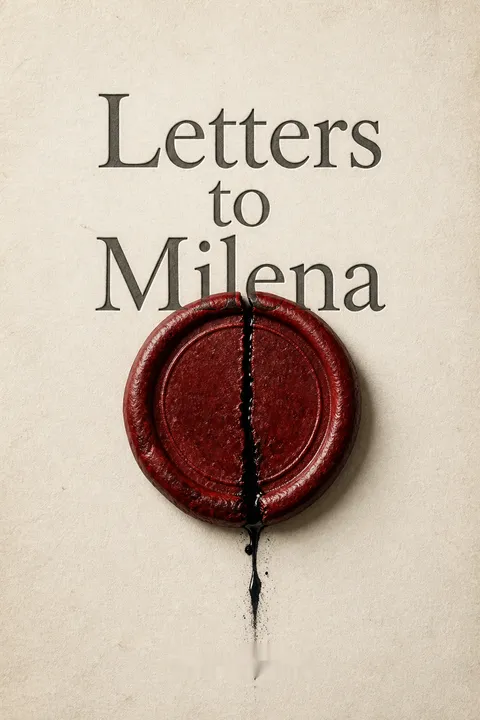
मिलिना के नाम पत्र फ्रांज काफ्का द्वारा मिलिना जेसेंस्का को लिखे गए भावुक और अंतरंग पत्रों का संग्रह है। पाठकों की राय इस पुस्तक को लेकर बंटी हुई है; कुछ इसे काफ्का की मानसिकता में गहराई से झांकने वाला और अत्यंत मार्मिक पाते हैं, जबकि कुछ निजी पत्राचार पढ़ने की इस दृष्टि से असहज महसूस करते हैं। ये पत्र काफ्का के भय, असुरक्षा और प्रेम के जटिल संबंधों की झलक प्रस्तुत करते हैं। कई पाठक इसकी कच्ची भावनाओं और काव्यात्मक भाषा की सराहना करते हैं, हालांकि कुछ को इसकी सामग्री दोहरावदार या आत्मकेंद्रित लगती है। कुल मिलाकर, यह पुस्तक काफ्का की आंतरिक दुनिया और मिलिना के साथ उसके उथल-पुथल भरे रिश्ते की एक अनूठी झलक प्रदान करती है।
लोग यह भी पढ़ते हैं









अक्सर पूछे जाने वाले प्रश्न
What's Letters to Milena about?
- Intimate Correspondence: Letters to Milena is a collection of letters from Franz Kafka to Milena Jesenská, his muse and translator, written between 1920 and 1923.
- Themes of Love and Anxiety: The letters delve into themes of love, longing, and existential anxiety, revealing Kafka's vulnerability and emotional struggles.
- Historical Context: The correspondence reflects the socio-political climate of early 20th-century Europe, including tensions surrounding Jewish identity and the aftermath of World War I.
Why should I read Letters to Milena?
- Insight into Kafka's Mind: The letters offer a unique glimpse into Kafka's psyche, showcasing his vulnerabilities and literary genius.
- Rich Emotional Depth: Kafka's eloquent expression of love and longing resonates with readers, making the letters relatable and compelling.
- Cultural and Historical Significance: The correspondence provides insights into the cultural and social dynamics of early 20th-century Europe, enriching the understanding of Kafka's work.
What are the key takeaways of Letters to Milena?
- Vulnerability in Relationships: Kafka's openness about his fears and insecurities illustrates the importance of vulnerability in fostering deep connections.
- Complexity of Love: The letters explore the tension between desire and societal expectations, highlighting the complexities of love.
- Existential Reflection: Kafka's reflections on life, death, and the human condition prompt readers to consider their own existential dilemmas.
What are the best quotes from Letters to Milena and what do they mean?
- "Writing letters is actually an intercourse with ghosts.": This quote emphasizes the haunting nature of communication and the emotional weight it carries.
- "Always M. or not M.—but a principle, a light in the darkness!": Kafka expresses the duality of his feelings for Milena, highlighting the tension between love and emotional struggle.
- "If you waste as much as one minute of your sleep on the translation, it will be as if you were cursing me.": This quote underscores Kafka's concern for Milena's well-being, illustrating the depth of his care for her.
How does Letters to Milena reflect Kafka's personal struggles?
- Health Issues: Kafka frequently mentions his struggles with tuberculosis, which deeply affected his mental and emotional state.
- Existential Anxiety: The letters reveal Kafka's fears of inadequacy and societal pressures, shaping his relationship with Milena.
- Isolation and Connection: Kafka's letters represent a desperate attempt to connect with another person amidst feelings of profound isolation.
What role does Milena Jesenská play in Kafka's life and letters?
- Translator and Muse: Milena was Kafka's translator and muse, inspiring much of his writing during their correspondence.
- Emotional Anchor: She provided Kafka with hope and connection, serving as an emotional anchor amidst his struggles.
- Complex Relationship: Their relationship was marked by complexity, as Kafka grappled with his feelings for her while being aware of her marriage.
How does Kafka's writing style in Letters to Milena differ from his fiction?
- Personal and Intimate Tone: The letters are deeply personal and intimate, contrasting with the surreal and abstract elements of his fiction.
- Stream of Consciousness: Kafka's letters often reflect a stream of consciousness style, capturing his thoughts as they flow.
- Direct Address: The direct communication with Milena creates a sense of immediacy and intimacy, less prevalent in his fictional works.
What themes are prevalent in Letters to Milena?
- Love and Longing: The letters are infused with themes of love and longing, as Kafka expresses his deep affection for Milena.
- Existentialism: Kafka's reflections on life, death, and the human condition are central to the letters.
- Isolation and Connection: The tension between isolation and the desire for connection is a recurring theme in the correspondence.
How does Letters to Milena compare to Kafka's other works?
- More Personal: Unlike Kafka's other works, Letters to Milena is more personal and grounded in reality.
- Intimate Exploration of Relationships: The letters focus on the intimate dynamics of Kafka's relationship with Milena, offering a different perspective from his fictional narratives.
- Emotional Depth: The emotional depth in the letters is unparalleled in Kafka's fiction, as he candidly shares his vulnerabilities and fears.
How does Letters to Milena address the theme of love?
- Unrequited Love: Kafka's letters often express a longing for Milena, revealing the complexities of unrequited love.
- Love as a Source of Pain: The correspondence illustrates how love can be both a source of joy and suffering.
- Idealization of Love: Kafka idealizes his relationship with Milena, viewing her as a beacon of hope and understanding.
What impact did Letters to Milena have on Kafka's legacy?
- Personal Insight: The letters provide a unique perspective on Kafka's life and thoughts, enriching his literary legacy.
- Influence on Modern Literature: Kafka's exploration of personal and existential themes in the letters has influenced countless writers and thinkers.
- Cultural Significance: The correspondence highlights the cultural and social dynamics of early 20th-century Europe, contributing to Kafka's status as a key figure in modern literature.
What is the significance of existentialism in Letters to Milena?
- Search for Meaning: Kafka's letters reflect his quest for meaning in a seemingly indifferent world.
- Isolation and Alienation: The correspondence illustrates Kafka's feelings of isolation and alienation, common themes in existential literature.
- Confrontation with Mortality: Kafka's health issues and reflections on death emphasize the existential theme of mortality.
लेखक के बारे में
अन्य किताबें — फ्रांत्स काफ्का





PDF डाउनलोड करें
EPUB डाउनलोड करें
.epub digital book format is ideal for reading ebooks on phones, tablets, and e-readers.








































