
मुख्य बातें
1. आक्रामक फॉरेंसिक्स की कला: हालात को पलटना
नेटवर्क हमेशा से हैकर्स के लिए सबसे आकर्षक क्षेत्र रहा है और रहेगा।
परिदृश्य को उलटना। आक्रामक फॉरेंसिक्स का मतलब है फॉरेंसिक तकनीकों का उपयोग रक्षा के लिए नहीं, बल्कि हमले के लिए करना। इसका उद्देश्य होता है फॉरेंसिक उपकरणों और जांचकर्ताओं के काम करने के तरीकों को समझकर पहचान से बचना और पहुँच बनाए रखना। इस दृष्टिकोण से हमलावर संभावित प्रतिक्रियाओं का अनुमान लगा सकते हैं और अपने कदम उसी अनुसार ढाल सकते हैं।
दुश्मन को समझना। फॉरेंसिक पद्धतियों, घटना प्रतिक्रिया प्रक्रियाओं और सामान्य सुरक्षा उपकरणों का अध्ययन करके हमलावर जांच प्रक्रिया में कमजोरियों की पहचान कर सकते हैं। इस ज्ञान का उपयोग करके वे अधिक प्रभावी और छुपे हुए हमले कर सकते हैं। उदाहरण के लिए:
- यह जानना कि कौन-कौन से साक्ष्य आमतौर पर जांचे जाते हैं, हमलावरों को उन निशानों को छोड़ने से बचाता है।
- मेमोरी फॉरेंसिक्स की कार्यप्रणाली समझकर हमलावर ऐसे शेलकोड बना सकते हैं जो पहचान से बच सके।
सक्रिय बचाव। आक्रामक फॉरेंसिक्स केवल जांचों का जवाब देने तक सीमित नहीं है, बल्कि डिजिटल माहौल को इस तरह से आकार देने का प्रयास है जिससे जांच करना कठिन हो जाए। इसमें शामिल हो सकता है:
- झूठे साक्ष्य लगाकर जांचकर्ताओं को भ्रमित करना
- लॉग्स में छेड़छाड़ कर गतिविधि को छुपाना
- संवेदनशील डेटा को एन्क्रिप्ट करके सुरक्षित रखना
2. कीलॉगिंग: आधुनिक खतरों के लिए एक पारंपरिक तकनीक
पेनिट्रेशन टेस्ट के दौरान कई बार हमें TCP क्लाइंट बनाना पड़ता है ताकि सेवाओं की जांच की जा सके, बेकार डेटा भेजा जा सके, फज़िंग की जा सके या अन्य कई कार्य किए जा सकें।
संवेदनशील जानकारी पकड़ना। कीलॉगिंग आज भी क्रेडेंशियल्स, बातचीत और अन्य संवेदनशील डेटा को कैप्चर करने का एक बेहद प्रभावी तरीका है। कीस्ट्रोक रिकॉर्ड करके हमलावर खातों, सिस्टमों और नेटवर्क तक पहुँच बना सकते हैं।
विंडोज़ कीलॉगिंग के लिए PyWinHook:
- विंडोज़ के मूल SetWindowsHookEx फ़ंक्शन का उपयोग करता है जो कीबोर्ड इवेंट्स को पकड़ता है।
- प्रत्येक कीस्ट्रोक के साथ सक्रिय विंडो और प्रक्रिया की जानकारी प्रदान करता है।
- ASCII अक्षरों के साथ-साथ विशेष कुंजियों को भी कैप्चर कर सकता है।
साधारण कीस्ट्रोक से आगे। आधुनिक कीलॉगर्स क्लिपबोर्ड डेटा भी कैप्चर कर सकते हैं, जिससे पासवर्ड, क्रेडिट कार्ड नंबर और अन्य संवेदनशील जानकारी जो उपयोगकर्ता कॉपी-पेस्ट करते हैं, तक पहुँच मिलती है। इससे डेटा उल्लंघनों की संभावना बढ़ जाती है।
3. स्क्रीनशॉट्स: दृश्य खुफिया जानकारी कैप्चर करना
प्रोग्रामर्स के पास नेटवर्केड सर्वर और क्लाइंट बनाने के लिए कई थर्ड-पार्टी टूल्स होते हैं, लेकिन उन सभी का मूल मॉड्यूल socket होता है।
दृश्य पुष्टि। स्क्रीनशॉट्स उपयोगकर्ता की गतिविधि की दृश्य पुष्टि प्रदान करते हैं, जिसमें छवियाँ, वीडियो फ्रेम और अन्य संवेदनशील डेटा शामिल हो सकते हैं जो अन्य तरीकों से प्राप्त नहीं हो पाते। यह विशेष क्रियाओं या व्यवहारों के साक्ष्य इकट्ठा करने में बेहद उपयोगी होता है।
स्क्रीनशॉट कैप्चर के लिए PyWin32:
- विंडोज़ ग्राफिक्स डिवाइस इंटरफेस (GDI) का उपयोग करके पूरे स्क्रीन की तस्वीर लेता है।
- छवियाँ, वीडियो फ्रेम या अन्य संवेदनशील डेटा कैप्चर करने का तरीका प्रदान करता है।
- उपयोगकर्ता की गतिविधि की निगरानी और खुफिया जानकारी इकट्ठा करने में सहायक।
साधारण स्क्रीनशॉट से परे। उन्नत स्क्रीनशॉट तकनीकों में शामिल हो सकते हैं:
- नियमित अंतराल पर स्क्रीनशॉट लेकर उपयोगकर्ता गतिविधि का टाइमलाइन बनाना।
- किसी विशेष एप्लिकेशन के खुलने पर स्क्रीनशॉट लेना।
- ऑप्टिकल कैरेक्टर रिकग्निशन (OCR) का उपयोग करके स्क्रीनशॉट से टेक्स्ट निकालना।
4. शेलकोड निष्पादन: रिमोट कोड इंजेक्शन
नेटवर्क हमेशा से हैकर्स के लिए सबसे आकर्षक क्षेत्र रहा है और रहेगा।
प्रत्यक्ष कोड निष्पादन। शेलकोड निष्पादन हमलावरों को बिना फाइल सिस्टम को छुए लक्ष्य सिस्टम पर मनमाना कोड इंजेक्ट और चलाने की अनुमति देता है। इसका उपयोग रिवर्स शेल स्थापित करने, अतिरिक्त मैलवेयर तैनात करने या अन्य दुर्भावनापूर्ण गतिविधियाँ करने के लिए किया जा सकता है।
शेलकोड निष्पादन के लिए ctypes:
- ctypes मॉड्यूल का उपयोग करके मेमोरी आवंटित करता है, शेलकोड को मेमोरी में कॉपी करता है और शेलकोड के लिए फ़ंक्शन पॉइंटर बनाता है।
- शेलकोड को डिस्क पर लिखे बिना निष्पादित करने की सुविधा देता है।
- फाइल-आधारित स्कैनिंग पर निर्भर सुरक्षा उपायों को बायपास कर सकता है।
साधारण शेलकोड से आगे। उन्नत शेलकोड तकनीकों में शामिल हैं:
- पोजीशन-इंडिपेंडेंट कोड (PIC) का उपयोग ताकि शेलकोड किसी भी मेमोरी पते पर चल सके।
- पहचान से बचने के लिए शेलकोड को एन्क्रिप्ट करना।
- मल्टी-स्टेज शेलकोड का उपयोग करके बड़े पेलोड डाउनलोड और निष्पादित करना।
5. सैंडबॉक्स डिटेक्शन: स्वचालित विश्लेषण से बचाव
आप इसका उपयोग ट्रैफ़िक को होस्ट से होस्ट तक अग्रेषित करने के लिए कर सकते हैं, या नेटवर्क-आधारित सॉफ़्टवेयर का मूल्यांकन करते समय।
स्वचालित सुरक्षा से बचाव। सैंडबॉक्स डिटेक्शन का मतलब है उन स्वचालित विश्लेषण वातावरणों की पहचान करना और उनसे बचना जो एंटीवायरस सॉफ़्टवेयर और सुरक्षा शोधकर्ता उपयोग करते हैं। सैंडबॉक्स का पता लगाकर हमलावर अपने मैलवेयर के विश्लेषण और पहचान को रोक सकते हैं।
सैंडबॉक्स डिटेक्शन की तकनीकें:
- उपयोगकर्ता इनपुट की निगरानी: कीबोर्ड और माउस गतिविधि की जांच।
- वर्चुअल मशीन के अवशेषों का पता लगाना: विशिष्ट फाइलें, रजिस्ट्री कीज़ या प्रक्रियाएं जो वर्चुअल मशीन से जुड़ी होती हैं।
- सिस्टम अपटाइम का विश्लेषण: सिस्टम के अपटाइम की तुलना अंतिम उपयोगकर्ता इनपुट से करना।
साधारण डिटेक्शन से आगे। उन्नत सैंडबॉक्स डिटेक्शन तकनीकों में शामिल हैं:
- वर्चुअल मशीन वातावरण का पता लगाने के लिए टाइमिंग-आधारित हमले।
- विशिष्ट सुरक्षा उपकरणों या प्रक्रियाओं की उपस्थिति की जांच।
- सिस्टम के हार्डवेयर कॉन्फ़िगरेशन का विश्लेषण।
6. एन्क्रिप्शन: निकाले गए डेटा की सुरक्षा
कई बार मुझे ऐसे सर्वर मिले हैं जिनमें netcat इंस्टॉल नहीं था लेकिन Python मौजूद था।
संवेदनशील जानकारी की सुरक्षा। डेटा को निकासी के दौरान एन्क्रिप्ट करना आवश्यक है ताकि यदि डेटा इंटरसेप्ट भी हो जाए तो भी अनधिकृत पहुँच से बचा जा सके।
एन्क्रिप्शन के लिए PyCryptodomeX:
- AES और RSA सहित विभिन्न एन्क्रिप्शन एल्गोरिदम प्रदान करता है।
- हाइब्रिड एन्क्रिप्शन सिस्टम बनाने की सुविधा देता है जो सिमेट्रिक एन्क्रिप्शन की गति और एसिमेट्रिक एन्क्रिप्शन की सुरक्षा को मिलाता है।
- फाइलें, नेटवर्क ट्रैफ़िक या अन्य संवेदनशील डेटा एन्क्रिप्ट करने के लिए उपयोग किया जा सकता है।
साधारण एन्क्रिप्शन से आगे। उन्नत एन्क्रिप्शन तकनीकों में शामिल हैं:
- छवियों या अन्य फाइलों में एन्क्रिप्टेड डेटा छुपाने के लिए स्टेगनोग्राफी का उपयोग।
- सुरक्षा बढ़ाने के लिए कई परतों में एन्क्रिप्शन।
- अस्थायी कुंजियों का उपयोग ताकि हमलावर की कुंजियाँ लीक होने पर भी डेटा डिक्रिप्ट न हो सके।
7. निकासी के तरीके: छुपकर बाहर निकलना
नेटवर्क हमेशा से हैकर्स के लिए सबसे आकर्षक क्षेत्र रहा है और रहेगा।
छुपाव और बचाव। सही निकासी विधि चुनना पहचान से बचने के लिए बेहद महत्वपूर्ण है। हमलावरों को लक्ष्य नेटवर्क की सुरक्षा स्थिति को ध्यान में रखते हुए ऐसी विधि चुननी चाहिए जो सामान्य ट्रैफ़िक में घुलमिल जाए।
सामान्य निकासी विधियाँ:
- ईमेल: एन्क्रिप्टेड डेटा को अटैचमेंट या ईमेल के शरीर में भेजना।
- फाइल ट्रांसफर: FTP या अन्य प्रोटोकॉल के माध्यम से एन्क्रिप्टेड डेटा को रिमोट सर्वर पर अपलोड करना।
- वेब सर्वर: HTTP या HTTPS के जरिए एन्क्रिप्टेड डेटा को वेब सर्वर पर पोस्ट करना।
साधारण निकासी से आगे। उन्नत निकासी तकनीकों में शामिल हैं:
- छवियों या अन्य फाइलों में एन्क्रिप्टेड डेटा छुपाने के लिए स्टेगनोग्राफी।
- सामान्य प्रोटोकॉल के माध्यम से डेटा भेजने के लिए गुप्त चैनलों का उपयोग।
- डेटा को कई गंतव्यों में वितरित करके निकासी करना।
समीक्षा सारांश
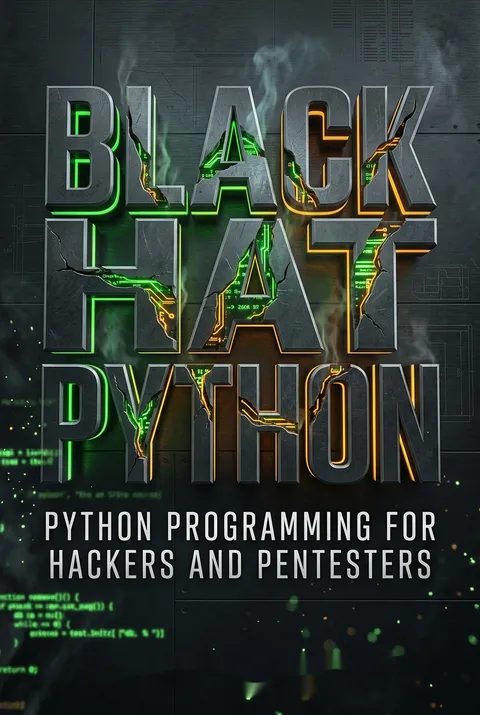
ब्लैक हैट पाइथन को मिली-जुली प्रतिक्रियाएँ मिली हैं। कई पाठक इसकी व्यावहारिक उदाहरणों और पाइथन का उपयोग हैकिंग तथा पेनेट्रेशन टेस्टिंग में करने के तरीकों की गहरी समझ की प्रशंसा करते हैं। वे इसके हाथों-हाथ सीखने के अंदाज़ और जटिल अवधारणाओं की स्पष्ट व्याख्याओं को सराहते हैं। हालांकि, कुछ लोग इसकी पुरानी पाइथन संस्करणों के उपयोग और विंडोज़-विशिष्ट सामग्री पर निर्भरता की आलोचना करते हैं। यह पुस्तक उन लोगों के लिए अनुशंसित है जिनके पास पहले से पाइथन का अनुभव है, लेकिन शुरुआती लोगों के लिए यह चुनौतीपूर्ण हो सकती है। कुल मिलाकर, कुछ सीमाओं के बावजूद, इसे उभरते हुए एथिकल हैकर्स और सुरक्षा पेशेवरों के लिए एक मूल्यवान संसाधन माना जाता है।
लोग यह भी पढ़ते हैं







अक्सर पूछे जाने वाले प्रश्न
What's "Black Hat Python: Python Programming for Hackers and Pentesters" about?
- Focus on offensive security: The book delves into using Python for creating hacking tools, focusing on offensive security techniques.
- Practical applications: It covers writing network sniffers, manipulating packets, and creating stealthy trojans, among other tasks.
- Comprehensive guide: The book provides a step-by-step approach to building tools that can be used in real-world penetration testing scenarios.
- Author's expertise: Written by Justin Seitz, known for his work in security analysis, the book leverages his extensive experience in the field.
Why should I read "Black Hat Python: Python Programming for Hackers and Pentesters"?
- Learn from an expert: Justin Seitz is a seasoned security consultant, offering insights from his experience with Fortune 500 companies and law enforcement.
- Hands-on approach: The book is practical, with exercises and examples that help readers apply what they learn immediately.
- Expand your toolkit: It teaches how to create custom tools, which is invaluable for penetration testers and security professionals.
- Stay updated: The book covers the latest techniques and tools, ensuring readers are equipped with current knowledge in cybersecurity.
What are the key takeaways of "Black Hat Python: Python Programming for Hackers and Pentesters"?
- Python's versatility: Python is highlighted as a powerful language for security analysis and tool creation.
- Custom tool development: Readers learn to write their own exploits and extend existing tools like Burp Suite.
- Network and web hacking: The book covers essential skills for network sniffing, web application attacks, and privilege escalation.
- Ethical hacking mindset: It emphasizes the importance of understanding both offensive and defensive security measures.
What are the best quotes from "Black Hat Python" and what do they mean?
- "The difference between script kiddies and professionals is the difference between merely using other people’s tools and writing your own." This quote underscores the importance of creating custom tools to truly understand and master hacking techniques.
- "When it comes to offensive security, your ability to create powerful tools on the fly is indispensable." It highlights the necessity of being adaptable and resourceful in cybersecurity.
- "Learn how to extend the hacks and how to write your own exploits." This encourages readers to go beyond using existing tools and develop their own solutions.
How does "Black Hat Python" teach network sniffing and packet manipulation?
- Raw sockets: The book explains how to use raw sockets to access low-level networking information, such as IP and ICMP headers.
- Packet decoding: It covers decoding IP and ICMP packets to extract useful information like protocol types and IP addresses.
- Practical examples: Readers are guided through creating a UDP host discovery tool and a simple sniffer to capture network traffic.
- Cross-platform techniques: The book provides solutions for both Windows and Linux environments, ensuring broad applicability.
What is the role of Scapy in "Black Hat Python"?
- Powerful library: Scapy is introduced as a versatile tool for packet manipulation and network analysis.
- Sniffing and ARP poisoning: The book demonstrates using Scapy to sniff traffic and perform ARP cache poisoning attacks.
- Image extraction: It includes a project on extracting images from HTTP traffic and performing facial detection using OpenCV.
- Efficiency and flexibility: Scapy simplifies tasks that would otherwise require extensive coding, making it a valuable asset for hackers.
How does "Black Hat Python" approach web application hacking?
- Web libraries: The book covers using libraries like urllib2, requests, and lxml for interacting with web services.
- Brute-forcing techniques: It teaches how to brute-force directories, file locations, and HTML form authentication.
- WordPress example: A specific example is provided for brute-forcing WordPress logins, highlighting common vulnerabilities.
- Custom tooling: Readers learn to create tools for mapping web app installations and discovering hidden files and directories.
What is the significance of GitHub in "Black Hat Python"?
- Command and control: GitHub is used as a platform for storing configuration information and exfiltrating data from victim systems.
- Module management: The book explains how to host trojan modules on GitHub and dynamically import them into a trojan.
- Encrypted communication: Using GitHub ensures encrypted communication over SSL, making it a stealthy option for attackers.
- Practical implementation: Readers are guided through setting up a GitHub account and creating a trojan framework that leverages the platform.
How does "Black Hat Python" address privilege escalation on Windows?
- Process monitoring: The book teaches how to use WMI to monitor process creation and identify high-privilege processes.
- File monitoring: It covers using ReadDirectoryChangesW to track file changes and inject code into high-privilege processes.
- Privilege analysis: Readers learn to analyze Windows token privileges to identify potential escalation opportunities.
- Real-world examples: The book provides practical examples of exploiting insecure file handling and scheduled tasks.
What are the offensive forensics techniques discussed in "Black Hat Python"?
- Volatility framework: The book introduces Volatility for memory forensics and analyzing VM snapshots.
- User and process recon: It covers using Volatility to gather information about user behavior and running processes.
- Custom plug-ins: Readers learn to write their own Volatility plug-ins to check for vulnerabilities like ASLR protection.
- Practical applications: The techniques are applied to real-world scenarios, such as analyzing VM snapshots for vulnerabilities.
How does "Black Hat Python" teach exfiltration techniques?
- Encryption methods: The book covers using PyCryptoDomeX for encrypting and decrypting files before exfiltration.
- Multiple channels: It teaches exfiltration via email, file transfers, and web server posts, with both platform-independent and Windows-specific methods.
- COM automation: Windows COM automation is used to exfiltrate data stealthily, leveraging trusted processes like Internet Explorer.
- Comprehensive approach: The book provides a range of techniques to ensure successful data exfiltration in various network environments.
PDF डाउनलोड करें
EPUB डाउनलोड करें
.epub digital book format is ideal for reading ebooks on phones, tablets, and e-readers.








































