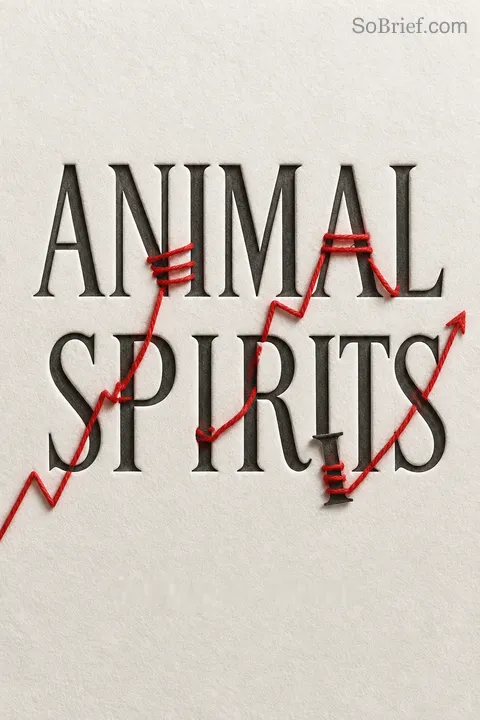

मुख्य बातें
1. आर्थिक व्यवहार में तर्क से परे जानवरों की आत्माएँ काम करती हैं
"अर्थव्यवस्थाओं को समझने और उन्हें प्रबंधित कर समृद्धि पाने के लिए हमें उन विचारों और भावनाओं के पैटर्न पर ध्यान देना होगा जो लोगों के मन में जानवरों की आत्मा की तरह जीवंत होती हैं।"
केन्स की समझ। जॉन मेनार्ड केन्स ने "जानवरों की आत्माएँ" की अवधारणा प्रस्तुत की, जो आर्थिक निर्णयों को प्रभावित करने वाले गैर-तार्किक कारकों को दर्शाती है। इनमें आत्मविश्वास, न्याय, भ्रष्टाचार, धन भ्रम और कहानियाँ शामिल हैं।
तर्क से परे। पारंपरिक आर्थिक सिद्धांत मानता है कि लोग केवल तर्कसंगत और स्वार्थी निर्णय लेते हैं, लेकिन वास्तविक दुनिया में भावनाएँ, सहज ज्ञान और सामाजिक कारक आर्थिक तर्क को चुनौती देते हैं। इन जानवरों की आत्माओं को समझना आर्थिक उतार-चढ़ाव और प्रभावी नीतियों के विकास के लिए आवश्यक है।
व्यापक प्रभाव। जानवरों की आत्माएँ उपभोक्ता खर्च, व्यापार निवेश, वित्तीय बाजार की अस्थिरता और श्रम संबंधों तक हर क्षेत्र को प्रभावित करती हैं। ये स्टॉक मार्केट बुलबुले, बेरोजगारी और वेतन कटौती के विरोध जैसे जटिल आर्थिक घटनाओं को समझाने में मदद करती हैं।
2. आत्मविश्वास और उसके गुणक आर्थिक चक्रों को आकार देते हैं
"आत्मविश्वास गुणक। यह उस आय में बदलाव को दर्शाता है जो आत्मविश्वास में एक इकाई के परिवर्तन से होता है—चाहे इसे किसी भी रूप में मापा जाए।"
प्रतिक्रिया चक्र। आत्मविश्वास अर्थव्यवस्था में एक शक्तिशाली गुणक की तरह काम करता है। जब आत्मविश्वास उच्च होता है, तो खर्च और निवेश बढ़ते हैं, जो सकारात्मक प्रतिक्रिया चक्र में आत्मविश्वास को और बढ़ाते हैं। मंदी के समय इसका उल्टा होता है।
मूलभूत तथ्यों से परे। आत्मविश्वास में बदलाव अक्सर आर्थिक मूलभूत तथ्यों की तुलना में अधिक प्रभावशाली होते हैं, जो अचानक आर्थिक उतार-चढ़ाव को समझाने में मदद करते हैं।
नीति के निहितार्थ। आत्मविश्वास गुणकों को समझना आर्थिक प्रबंधन के लिए महत्वपूर्ण है। मंदी के दौरान आत्मविश्वास बहाल करने वाली नीतियाँ बड़े सकारात्मक प्रभाव डाल सकती हैं, जबकि आत्मविश्वास को कमजोर करने वाली नीतियाँ नकारात्मक चक्र को बढ़ा सकती हैं।
3. न्याय की धारणा वेतन निर्धारण और श्रम बाजारों को प्रभावित करती है
"वास्तविक दुनिया में वेतन और वेतनमान निर्धारित करने वाले कारक नवशास्त्रीय सिद्धांत से बहुत अलग लगते थे। इन सभी स्थितियों में एक कारक जो अत्यंत महत्वपूर्ण प्रतीत होता था, वह था न्याय।"
वेतन कठोरता। कर्मचारी नाममात्र वेतन कटौती का कड़ा विरोध करते हैं, भले ही आर्थिक परिस्थितियाँ ऐसा मांगती हों, क्योंकि वे इसे अन्यायपूर्ण मानते हैं। इससे वेतन कठोरता होती है जो मंदी के दौरान बेरोजगारी को लंबा कर सकती है।
प्रभावी वेतन। नियोक्ता अक्सर मनोबल, उत्पादकता और निष्ठा बढ़ाने के लिए बाजार से ऊपर वेतन देते हैं। यह नवशास्त्रीय दृष्टिकोण के विपरीत है, जो कहता है कि वेतन हमेशा श्रम बाजार को संतुलित करना चाहिए।
सामाजिक तुलना। वेतन निर्धारण में समान पदों पर काम करने वालों के वेतन की तुलना महत्वपूर्ण होती है। कर्मचारियों की न्यायपूर्ण मुआवजे की भावना केवल मांग और आपूर्ति पर निर्भर नहीं करती।
4. भ्रष्टाचार और बुरी नीयत वित्तीय प्रणालियों को अस्थिर कर सकते हैं
"वॉल स्ट्रीट नशे में था।"
वित्तीय नवाचार के जोखिम। जटिल वित्तीय उत्पाद और कमजोर नियमन भ्रष्टाचार और बुरी नीयत के लिए अवसर पैदा करते हैं, जो पूरे सिस्टम को अस्थिर कर सकते हैं।
बूम के दौरान अत्यधिक व्यवहार। आर्थिक उछाल के समय नैतिक व्यवहार के मानक गिर जाते हैं क्योंकि ध्यान त्वरित लाभ पर केंद्रित होता है। यह बाद में भ्रष्ट प्रथाओं के उजागर होने पर मंदी का कारण बनता है।
उदाहरण:
- 1980 के दशक का बचत और ऋण संकट
- 2000 के दशक की शुरुआत में एनरॉन घोटाला
- 2007-2008 का सबप्राइम मॉर्गेज संकट
प्रणालीगत परिणाम। भ्रष्टाचार के व्यक्तिगत कृत्य व्यापक अर्थव्यवस्था पर गहरा प्रभाव डालते हैं, आत्मविश्वास को कमजोर करते हैं और क्रेडिट बाजारों को ठंडा कर देते हैं।
5. धन भ्रम आर्थिक निर्णय और नीति को प्रभावित करता है
"एक सरल सबक है जो न केवल डेमोलिशनिस्ट और एस्बेस्टस के मामले से, बल्कि वित्तीय उद्योग के पतन से भी स्पष्ट होता है। यदि कोई नहीं देख रहा कि एस्बेस्टस कैसे निपटाया जा रहा है, तो इसे सबसे सस्ते तरीके से निपटाया जाएगा।"
लगातार मौजूद समस्या। लोग वास्तविक (मुद्रास्फीति समायोजित) के बजाय नाममात्र मूल्य में सोचते हैं, जिससे आर्थिक निर्णयों में व्यवस्थित त्रुटियाँ होती हैं।
वेतन और मूल्य स्थिरता। धन भ्रम नाममात्र वेतन कटौती के विरोध और कीमतों के धीमे समायोजन में योगदान देता है, जो आर्थिक मंदी को लंबा कर सकता है।
नीति की चुनौतियाँ। नीति निर्माताओं को हस्तक्षेप डिजाइन करते समय धन भ्रम को ध्यान में रखना चाहिए। उदाहरण के लिए, मामूली मुद्रास्फीति श्रम बाजारों में वास्तविक वेतन समायोजन को बिना नाममात्र कटौती के संभव बनाती है।
6. कहानियाँ और कथाएँ आर्थिक विश्वास और क्रियाओं को आकार देती हैं
"मानव मस्तिष्क कथाओं में सोचने के लिए बना है, घटनाओं के अनुक्रमों में जिनमें आंतरिक तर्क और गतिशीलता होती है जो एक एकीकृत रूप में प्रकट होती है।"
कथात्मक अर्थशास्त्र। अर्थव्यवस्था के बारे में कहानियाँ, चाहे वे सच हों या झूठ, बड़े पैमाने पर व्यवहार को प्रभावित कर आत्मसिद्ध भविष्यवाणियाँ बन सकती हैं।
व्याख्याओं में बदलाव। एक ही आर्थिक घटना को विभिन्न कथात्मक दृष्टिकोणों से देखा जा सकता है, जिससे परिणाम भिन्न हो सकते हैं। उदाहरण के लिए, स्टॉक मार्केट में गिरावट को "स्वस्थ सुधार" या "क्रैश की शुरुआत" के रूप में देखा जा सकता है।
नीति संचार। प्रभावी आर्थिक नीति के लिए केवल अच्छे विचार ही नहीं, बल्कि ऐसे कथानक भी जरूरी हैं जो आत्मविश्वास जगाएं और अपेक्षाओं को आकार दें।
7. समष्टिगत आर्थिक सिद्धांतों में मानव मनोविज्ञान को शामिल करना आवश्यक है
"यह आवश्यक है कि जानवरों की आत्माओं को समष्टिगत आर्थिक सिद्धांत में शामिल किया जाए ताकि यह समझा जा सके कि अर्थव्यवस्था वास्तव में कैसे काम करती है।"
तार्किक मॉडलों की सीमाएँ। पारंपरिक समष्टिगत मॉडल जो केवल तर्कसंगत व्यवहार मानते हैं, वे बेरोजगारी और वित्तीय बाजार की अस्थिरता जैसे वास्तविक घटनाओं को समझाने में विफल रहते हैं।
अंतरविषयक दृष्टिकोण। मनोविज्ञान, समाजशास्त्र और अन्य सामाजिक विज्ञानों से प्राप्त अंतर्दृष्टि को शामिल करना अधिक सटीक आर्थिक सिद्धांत विकसित करने के लिए आवश्यक है।
नीति प्रासंगिकता। जानवरों की आत्माओं को ध्यान में रखने वाले मॉडल नीति निर्माताओं को आर्थिक चक्रों का प्रबंधन और संकटों की रोकथाम में बेहतर मार्गदर्शन प्रदान कर सकते हैं।
8. बचत व्यवहार मनोवैज्ञानिक फ्रेमिंग से प्रभावित होता है
"लोगों के लिए यह जानना मुश्किल होता है कि उन्हें कितना बचाना चाहिए। वे अपने दूर के भविष्य की कल्पना करने और यह समझने में असमर्थ होते हैं कि उन्हें कितना खर्च करना होगा या नहीं।"
मनमाने निर्णय। बचत की दरें व्यक्तियों, समय और संस्कृतियों के बीच व्यापक रूप से भिन्न होती हैं, जिन्हें केवल तर्कसंगत मॉडल से समझाया नहीं जा सकता।
फ्रेमिंग प्रभाव। बचत निर्णयों को प्रस्तुत करने का तरीका (जैसे ऑप्ट-इन बनाम ऑप्ट-आउट रिटायरमेंट योजनाएँ) व्यवहार पर गहरा प्रभाव डालता है।
नीति के निहितार्थ। सरकारें और नियोक्ता व्यवहारिक अंतर्दृष्टि का उपयोग करके ऐसी नीतियाँ और कार्यक्रम बना सकते हैं जो बिना जबरदस्ती के बचत दरों को बढ़ावा दें।
9. वित्तीय बाजार मानवीय कारकों से प्रेरित गैर-तार्किक अस्थिरता प्रदर्शित करते हैं
"कोई भी यह समझा नहीं सकता कि ये घटनाएँ तर्कसंगत रूप से क्यों हुईं, भले ही वे हो चुकी हों।"
अत्यधिक अस्थिरता। स्टॉक कीमतें और अन्य वित्तीय संपत्तियाँ आर्थिक मूलभूत कारकों में बदलाव से कहीं अधिक उतार-चढ़ाव दिखाती हैं।
प्रतिक्रिया चक्र। कीमतों में बदलाव कथाएँ बनाते हैं जो और अधिक कीमतों में बदलाव को जन्म देती हैं, जिससे बुलबुले और क्रैश होते हैं जो आर्थिक वास्तविकताओं से कटे होते हैं।
सुधार की सीमाएँ। जब परिष्कृत निवेशक गलत मूल्यांकन को पहचानते हैं, तब भी विभिन्न बाधाएँ उन्हें इसे पूरी तरह सुधारने से रोकती हैं।
10. रियल एस्टेट चक्र सामूहिक विश्वासों और कथाओं से प्रेरित होते हैं
"ऐसा प्रतीत होता है कि लोगों के मन में यह गहरा सहज ज्ञान था कि घरों की कीमतें हर जगह केवल बढ़ती ही जाएंगी।"
लगातार गलतफहमियाँ। ऐतिहासिक साक्ष्यों के बावजूद, लोग मानते हैं कि रियल एस्टेट हमेशा मूल्यवृद्धि करता है, जो उछाल-गिरावट के चक्र को बढ़ावा देता है।
सामाजिक संचार। रियल एस्टेट उछाल शब्द-से-शब्द और साझा कथाओं के माध्यम से फैलता है, जो निवेश के अवसरों को 'मिस न करने वाला' बनाता है।
नीति की चुनौतियाँ। रियल एस्टेट चक्रों के मनोवैज्ञानिक प्रेरक पारंपरिक मौद्रिक और नियामक उपकरणों से प्रबंधित करना कठिन बनाते हैं।
11. अल्पसंख्यक गरीबी जटिल सामाजिक-आर्थिक कारणों से बनी रहती है
"अफ्रीकी अमेरिकी और नेटिव अमेरिकी दोनों के पास एक विशेष समस्या है—अमेरिका में उनके शोषण की एक खास कहानी के साथ जीने की समस्या।"
ऐतिहासिक विरासत। अतीत के भेदभाव के स्थायी प्रभाव अल्पसंख्यक समूहों के लिए आर्थिक असमानताएँ पैदा करते हैं।
पहचान और अपेक्षाएँ। नकारात्मक सामाजिक कथाएँ स्वयं को पूरा करने वाली भविष्यवाणियाँ बन सकती हैं, जो व्यक्तियों के अपने संभावनाओं के प्रति विश्वास को प्रभावित करती हैं।
नीति के निहितार्थ। अल्पसंख्यक गरीबी से निपटने के लिए पारंपरिक आर्थिक नीतियों से आगे जाकर गहरे सामाजिक और मनोवैज्ञानिक कारकों को संबोधित करना आवश्यक है।
12. नीति निर्माताओं को आर्थिक प्रबंधन में जानवरों की आत्माओं को ध्यान में रखना चाहिए
"जानवरों की आत्माएँ इन सभी सवालों का आसान जवाब देती हैं। हम यह भी देखते हैं कि यदि लोगों को केवल आर्थिक उद्देश्यों वाला और तर्कसंगत माना जाए, तो इन सवालों का कोई जवाब नहीं मिल सकता।"
समग्र दृष्टिकोण। प्रभावी आर्थिक नीति को मानव प्रेरणाओं और व्यवहारों की पूरी श्रृंखला को ध्यान में रखना चाहिए, न कि केवल संकीर्ण आर्थिक तर्क को।
संकट प्रबंधन। आर्थिक संकटों के दौरान जानवरों की आत्माओं को समझना विशेष रूप से महत्वपूर्ण होता है, जब आत्मविश्वास, कथाएँ और गैर-तार्किक कारक प्रमुख भूमिका निभाते हैं।
संस्थागत डिजाइन। आर्थिक संस्थानों और नियमों को मानव मनोविज्ञान को ध्यान में रखकर डिज़ाइन किया जाना चाहिए ताकि स्थिरता बढ़े और दुरुपयोग रोका जा सके।
समीक्षा सारांश
एनिमल स्पिरिट्स इस बात की पड़ताल करता है कि कैसे मनोवैज्ञानिक तत्व आर्थिक निर्णयों को प्रभावित करते हैं, और पारंपरिक तर्कसंगत व्यवहार की धारणाओं को चुनौती देते हैं। लेखक इस बात पर जोर देते हैं कि "एनिमल स्पिरिट्स" जैसे आत्मविश्वास, न्यायप्रियता और कहानियाँ ही बाजारों और अर्थव्यवस्थाओं को संचालित करती हैं। इसकी सरल भाषा और मैक्रोइकॉनॉमिक्स में नए दृष्टिकोण के लिए इसे सराहा गया है, लेकिन कुछ पाठकों ने इसे व्यावहारिक समाधान प्रदान करने में कमतर पाया। आलोचकों ने 2008 के वित्तीय संकट पर इसका विशेष ध्यान इसे कुछ हद तक पुराना बना सकता है, यह भी कहा। कुल मिलाकर, समीक्षकों ने इस पुस्तक के व्यवहारिक अर्थशास्त्र को मैक्रोइकॉनॉमिक सिद्धांत में शामिल करने के प्रयास की प्रशंसा की, हालांकि इसके व्यापक वैकल्पिक मॉडल के रूप में सफल होने पर मतभेद भी रहे।
लोग यह भी पढ़ते हैं
अक्सर पूछे जाने वाले प्रश्न
What's Animal Spirits about?
- Human psychology and economics: Animal Spirits by George A. Akerlof explores how human psychology influences economic behavior, emphasizing that emotions and psychological factors drive economic decisions more than traditional economic theories suggest.
- Five key psychological factors: The book identifies five main "animal spirits" that affect the economy: confidence, fairness, corruption and bad faith, money illusion, and stories, which are crucial for understanding economic fluctuations and crises.
- Critique of conventional economics: Akerlof critiques the rational expectations and efficient market hypotheses, arguing that ignoring psychological factors leads to a misunderstanding of economic crises and fluctuations.
Why should I read Animal Spirits?
- Understanding economic behavior: The book provides insights into the psychological underpinnings of economic events, helping readers understand why markets behave the way they do.
- Relevance to current events: It is particularly relevant in the context of financial crises, offering explanations for behaviors that lead to economic downturns, such as the 2008 financial crisis.
- Interdisciplinary approach: Akerlof combines economics with psychology, sociology, and behavioral science, making the book appealing to a broad audience and providing a comprehensive view of economic phenomena.
What are the key takeaways of Animal Spirits?
- Animal spirits drive economies: Economic fluctuations are largely driven by psychological factors rather than purely rational calculations, shifting the focus from traditional economic models to a more nuanced understanding of human behavior.
- Importance of confidence: Confidence acts as a multiplier in the economy; high confidence leads to increased spending and investment, while a loss of confidence can trigger recessions.
- Role of fairness and corruption: Perceptions of fairness and corruption significantly impact economic decisions, leading to consequences like unemployment and market instability.
What are the best quotes from Animal Spirits and what do they mean?
- “The only thing we have to fear is fear itself.” This quote, attributed to Franklin D. Roosevelt, encapsulates the theme that fear and lack of confidence can paralyze economic activity, leading to downturns.
- “Panic is in its nature unreasoning.” It highlights how irrational fears can lead to bank runs and economic crises, emphasizing the need to understand the psychological aspects of economic behavior.
- “Confidence, confidence, more confidence is what is necessary.” This underscores the critical role of confidence in economic recovery and growth, suggesting that restoring faith in the economy is essential for stability.
What are the five animal spirits discussed in Animal Spirits?
- Confidence: Reflects the belief in future economic success, leading to increased spending and investment. A decline in confidence can trigger economic downturns.
- Fairness: Influences wage negotiations and perceptions of justice in economic transactions. Unfair treatment can lead to unrest and decreased economic activity.
- Corruption and bad faith: Highlights the negative impact of unethical behavior on economic stability, eroding trust in institutions and leading to crises.
- Money illusion: Refers to the tendency to think in nominal terms rather than real terms, affecting economic decisions and leading to resistance against wage cuts.
- Stories: Narratives shape perceptions and behaviors, influencing confidence and economic outcomes by creating shared beliefs about the future.
How does Animal Spirits explain the relationship between confidence and economic performance?
- Confidence as a multiplier: Confidence influences consumer spending and investment decisions, acting as a multiplier in the economy. High confidence drives economic growth.
- Cycles of boom and bust: Fluctuations in confidence can lead to cycles of economic booms and busts, with a loss of confidence triggering recessions.
- Feedback loops: There are feedback loops between confidence and economic performance, where rising stock prices can boost confidence, leading to increased spending and further growth.
What role does fairness play in wage-setting according to Animal Spirits?
- Perceptions of fairness: Fairness significantly influences wage-setting and employment decisions, with workers more likely to accept wage cuts if perceived as fair.
- Wage rigidity: Fairness can lead to wage rigidity, where employers are reluctant to lower wages even during downturns, contributing to higher unemployment.
- Social norms: Fairness is tied to social norms and expectations, shaping interactions between workers and employers and impacting economic performance.
How does Animal Spirits address the concept of money illusion?
- Definition of money illusion: Money illusion is the tendency to think of currency in nominal terms rather than real terms, leading to misperceptions about financial situations.
- Impact on economic decisions: It affects consumer behavior and wage-setting, with workers resisting nominal wage cuts even if real wages remain stable.
- Consequences for policy: Policymakers must consider money illusion when designing economic policies, as ignoring it can lead to ineffective measures.
How do stories influence economic behavior in Animal Spirits?
- Narratives shape perceptions: Stories and narratives play a crucial role in shaping public perceptions of the economy, influencing confidence and behavior.
- Epidemic of stories: Economic narratives spread like an epidemic, where confidence can be contagious, highlighting the importance of communication in economic contexts.
- Role of leaders: Great leaders create compelling stories that inspire confidence and action, significantly impacting economic outcomes.
What are the implications of Animal Spirits for economic policy?
- Need for regulation: Understanding animal spirits is crucial for effective economic policy, with psychological factors considered in regulations and interventions.
- Focus on confidence-building measures: Policies aimed at boosting consumer and investor confidence, such as fiscal stimulus and monetary easing, can positively affect economic performance.
- Addressing fairness and inequality: Ensuring fair wages and working conditions can enhance economic stability and performance, addressing issues of fairness and inequality.
How do central bankers exert power over the economy in Animal Spirits?
- Control of money supply: Central bankers influence the economy through control of the money supply and interest rates, stimulating or cooling down economic activity.
- Lender of last resort: The Federal Reserve acts as a lender of last resort during financial crises, providing liquidity to banks and maintaining confidence in the financial system.
- Limitations of traditional methods: Traditional monetary policy tools may be less effective during severe recessions, necessitating alternative approaches to restore confidence.
Why do economies fall into depression according to Animal Spirits?
- Psychological triggers: Depressions are often triggered by a loss of confidence, stemming from economic shocks or crises, leading to panic and reduced activity.
- Historical examples: The book examines historical depressions, highlighting the significant role of psychological factors in their onset and severity.
- Role of fairness and corruption: Perceptions of unfairness and increasing corruption exacerbate downturns, eroding trust in institutions and leading to social unrest.

PDF डाउनलोड करें
EPUB डाउनलोड करें
.epub digital book format is ideal for reading ebooks on phones, tablets, and e-readers.








































