
نکات کلیدی
1. آگاهی یک توهم است که توسط مغز ما ایجاد میشود
آگاهی یک توهم است؛ توهمی جذاب و قانعکننده که ما را به این باور میکشاند که ذهن ما از بدنمان جداست.
توهم آگاهی از توانایی مغز ما در ایجاد یک روایت یکپارچه از تجربیاتمان ناشی میشود. این توهم آنقدر قوی است که بسیاری از دانشمندان و فیلسوفان را در تلاش برای درک ماهیت ذهن و تجربه به بیراهه کشانده است. مغز یک حس یکپارچه از خود و جریانی مداوم از آگاهی را میسازد، با وجود اینکه تجربیات ما در واقع تکهتکه و ناپیوسته هستند.
چالش این توهم نیازمند خوداندیشی دقیق و تمایل به پرسش از فرضیات عمیقاً ریشهدار درباره ماهیت ذهن ماست. از طریق مدیتیشن و تمرینهای ذهنآگاهی، میتوانیم شروع به دیدن واقعیت پشت این توهم کنیم و ماهیت واقعی تجربیاتمان را شناسایی کنیم:
- تجربیات لحظه به لحظه به وجود میآیند و از بین میروند
- هیچ "تجربهکننده" مرکزی وجود ندارد که از تجربیات خود جدا باشد
- حس ما از یک خود مداوم پس از وقوع تجربیات ساخته میشود
با شناسایی آگاهی به عنوان یک توهم، درب را به سوی درک دقیقتری از چگونگی کارکرد واقعی ذهنمان و رابطه بین مغز و تجربه باز میکنیم.
2. خود یک موجود مداوم نیست بلکه مجموعهای از تجربیات گذراست
تجربیات و تجربهکنندگان آنها هر جا و هر زمان که بدنی قادر به حس کردن چیزها و مغزی قادر به تحلیل آنها وجود داشته باشد، به وجود میآیند و مدتی دوام میآورند و دوباره ناپدید میشوند.
خود ناپایدار است. به جای اینکه یک موجود ثابت و پایدار باشد، حس خود ما در هر لحظه بهطور جدیدی به وجود میآید، همراه با تجربیاتمان. این طبیعت گذرای خود از طریق خوداندیشی دقیق و تمرین مدیتیشن آشکار میشود. وقتی به تجربات لحظه به لحظهمان توجه میکنیم، متوجه میشویم که:
- "خود" که یک حس را تجربه میکند، همان "خود" نیست که حس بعدی را تجربه میکند
- هیچ رشته مداومی از آگاهی وجود ندارد که این لحظات جدا را به هم پیوند دهد
- حس ما از یک خود پایدار پس از وقوع تجربیات از طریق حافظه و روایت ساخته میشود
پیامدهای ناپایداری: شناسایی طبیعت گذرای خود میتواند آزادکننده باشد. این ما را از بار نگهداشتن یک هویت ثابت رها میکند و به ما اجازه میدهد که در هر لحظه بهطور کامل حاضر باشیم. این درک همچنین با مشاهدات علمی درباره مغز همراستا است که نشان میدهد فعالیتهای عصبی بهطور مداوم در حال تغییر و سازماندهی مجدد هستند، نه اینکه یک ساختار "خود" ثابت را حفظ کنند.
3. اراده آزاد یک تصور نادرست است؛ اعمال ما از علل پیچیده ناشی میشوند
اراده آزاد نمیتواند وجود داشته باشد. این منطقی نیست.
توهم اراده آزاد بهطور عمیق در تجربیات و روایتهای فرهنگی ما ریشه دوانده است. با این حال، بررسی دقیق نشان میدهد که اعمال و تصمیمات ما از یک شبکه پیچیده از علل و شرایط ناشی میشوند، نه از یک "اراده" مستقل که از این تأثیرات جدا باشد. به این نکات توجه کنید:
- هر تصمیمی که میگیریم تحت تأثیر تجربیات گذشته، پیشزمینههای ژنتیکی و شرایط کنونی ما شکل میگیرد
- ما نمیتوانیم افکار یا خواستههای خود را انتخاب کنیم؛ آنها به سادگی در آگاهی به وجود میآیند
- حس "تصمیمگیرنده" بودن پس از آنکه مغز قبلاً عمل را آغاز کرده است، به وجود میآید
پیامدها برای مسئولیت: شناسایی عدم وجود اراده آزاد به معنای رها کردن مسئولیت نیست. بلکه، درک ما از مسئولیت را از سرزنش و مجازات به تمرکز بر ایجاد شرایط برای اعمال و نتایج مثبت تغییر میدهد. ما میتوانیم:
- عواقب اعمالمان را بدون قضاوت خود بپذیریم
- تلاش کنیم تا عادات و محیطهای خود را بهگونهای شکل دهیم که رفتارهای مفید را ترویج کند
- با دیگران با همدلی بیشتری برخورد کنیم و درک کنیم که اعمال آنها نیز از علل پیچیده ناشی میشود
4. ذهنآگاهی ناپیوستگی تجربه آگاهانه را آشکار میکند
وقتی در آرامش هستیم، ماهیت چنین آرامشی چیست؟
تمرین ذهنآگاهی به ما اجازه میدهد تا ماهیت واقعی تجربات لحظه به لحظهمان را مشاهده کنیم. با پرورش توجه پایدار، شروع به مشاهده شکافها و ناپیوستگیها در آگاهیمان میکنیم. این نشان میدهد که:
- توجه ما بهطور طبیعی نوسان میکند، با لحظاتی از وضوح که با دورههای حواسپرتی یا "بیذهنی" درهم میآمیزد
- تجربیات بهسرعت به وجود میآیند و از بین میروند، اغلب قبل از اینکه بهطور کامل از آنها آگاه شویم
- هیچ "جریانی" پایدار و مداوم از آگاهی وجود ندارد، بلکه مجموعهای از لحظات مجزا است
بینشهای ناشی از تمرین: از طریق تمرین مداوم ذهنآگاهی، میتوانیم درک دقیقتری از ماهیت آگاهی بهدست آوریم:
- میبینیم که حس یک خود مداوم پس از وقوع تجربیات ساخته میشود
- متوجه میشویم که چقدر سریع توجهمان بین اشیاء مختلف آگاهی جابهجا میشود
- به تغییرات ظریف در تجربیاتمان از لحظهای به لحظه دیگر حساستر میشویم
این مشاهده مستقیم از ناپیوستگی آگاهی، فرضیات معمول ما درباره ماهیت ذهن و خود را به چالش میکشد.
5. "مسئله سخت" آگاهی ممکن است بر اساس فرضیات نادرست باشد
همان چیزی که علم آگاهی سعی در توضیح آن دارد، در بررسی دقیقتر تجزیه میشود.
پرسش از فرضیات درباره آگاهی برای پیشرفت در درک ذهن ضروری است. "مسئله سخت" آگاهی—چگونگی به وجود آمدن تجربههای ذهنی از فرآیندهای مغزی عینی—ممکن است بر اساس پیشفرضهای نادرست باشد. با بررسی دقیق تجربیات خود، میتوانیم این فرضیات را به چالش بکشیم:
- ممکن است هیچ "جریان" یکپارچهای از آگاهی برای توضیح وجود نداشته باشد
- حس یک "تجربهکننده" جدا از تجربیات ممکن است توهمی باشد
- شکاف ظاهری بین ذهنی و عینی ممکن است محصول چارچوب مفهومی ما باشد، نه واقعیت
پیامدها برای علم: شناسایی این نقصهای بالقوه در فرضیات ما درباره آگاهی میتواند به رویکردهای جدیدی در علوم شناختی و علوم اعصاب منجر شود:
- تمرکز بر درک چگونگی ساخت مغز توهم آگاهی یکپارچه
- بررسی همبستگیهای عصبی تجربیات خاص به جای جستجوی یک "محل" عمومی برای آگاهی
- توسعه پارادایمهای تجربی جدید که تنها به گزارشهای ذهنی متکی نباشند
با پرسش از فرضیات بنیادیمان، درهای جدیدی برای تحقیق علمی درباره ذهن باز میشود.
6. مدیتیشن میتواند درک ما از آگاهی و خود را متحول کند
من بهدقت به این فکر کردم که چه احساسی دارد که من باشم و هیچ پاسخی نیافتم.
مدیتیشن بهعنوان ابزاری برای بررسی آگاهی به ما اجازه میدهد تا بهطور مستقیم ماهیت تجربیاتمان را مشاهده کنیم، بدون فرضیات نظری. از طریق تمرین پایدار، میتوانیم:
- توانایی مشاهده افکار و احساساتمان را بدون شناسایی با آنها توسعه دهیم
- به ظهور و ناپدید شدن سریع پدیدههای ذهنی توجه کنیم
- ماهیت ساختهشده حس خود را شناسایی کنیم
بینشهای ناشی از تمرین:
- پیوستگی ظاهری آگاهی به لحظات مجزا تجزیه میشود
- هیچ "خود" ثابتی وجود ندارد که از تجربیاتمان جدا باشد
- حس معمول ما از اراده و کنترل بر افکارمان عمدتاً توهمی است
این مشاهدات مستقیم میتواند درک ما از ذهن و خود را بهطور عمیق تغییر دهد و با نظریههای علمی درباره آگاهی همراستا و گاهی به چالش بکشد.
7. مسئولیت بدون اراده آزاد: پذیرش عواقب اعمال ما
شما مسئولیت را میپذیرید.
توافق مسئولیت با عدم وجود اراده آزاد نیازمند تغییر در دیدگاه است. به جای اینکه مسئولیت را بر اساس ایده یک خود آزاد انتخابکننده بنا کنیم، میتوانیم بر پذیرش عواقب اعمالمان و تلاش برای شکلدهی به نتایج مثبت تمرکز کنیم. این رویکرد شامل موارد زیر است:
- شناسایی اینکه اعمال ما از علل پیچیده ناشی میشوند، نه انتخاب آزاد
- پذیرش مسئولیت برای نتایج اعمالمان، بدون سرزنش خود
- تمرکز بر ایجاد شرایط برای رفتارهای مفید در آینده
پیامدهای عملی:
- تأکید بر آموزش و بازپروری به جای مجازات در سیستمهای عدالت
- پرورش خودشفقتی در حالی که هنوز خود را مسئول میدانیم
- برخورد با اعمال دیگران با درک و همدلی بیشتر
با پذیرش مسئولیت بدون اراده آزاد، میتوانیم رویکردهای مؤثرتر و مهربانتری به اخلاق شخصی و اجتماعی ایجاد کنیم.
8. زمان و حافظه ساختارهایی هستند، نه واقعیتهای عینی
زمان وجود ندارد. حافظه چیست؟
زمان و حافظه بهطور عمیق در تجربیات ما درهم تنیدهاند، اما بررسی دقیق نشان میدهد که هیچکدام به اندازهای که معمولاً فرض میکنیم، محکم یا عینی نیستند. از طریق مدیتیشن و خوداندیشی، میتوانیم مشاهده کنیم:
- "لحظه حال" غیرممکن است که بهطور دقیق مشخص شود؛ همیشه در حال لغزش به گذشته است
- حس ما از گذر زمان از حافظهها و پیشبینیها ساخته میشود
- حافظهها رکوردهای ثابت نیستند، بلکه هر بار که آنها را به یاد میآوریم، بهطور جدیدی بازسازی میشوند
پیامدها برای درک تجربه:
- حس معمول ما از جریان خطی زمان یک ساختار ذهنی است
- پیوستگی ظاهری آگاهی توسط حافظه ایجاد میشود
- حس خود ما بهطور عمیق به تواناییمان در ساخت روایتها از حافظهها وابسته است
شناسایی طبیعت ساختهشده زمان و حافظه میتواند به تجربهای سیالتر و متمرکز بر حال منجر شود.
9. پذیرش ناپایداری به تجربهای غنیتر از زندگی منجر میشود
به دنیا آمدن و دوباره مردن، چگونگی زندگی است. تولد و مرگ مشکلی نیست؛ چرخه توهم شکسته شده است؛ آنها فقط همینطور هستند.
پذیرش ناپایداری میتواند آزادکننده باشد نه ترسناک. با شناسایی اینکه همه چیز، از جمله حس خود ما، بهطور مداوم در حال تغییر است، میتوانیم:
- از نیاز به حفظ یک هویت ثابت رها شویم
- در هر لحظه بهطور کامل حاضر باشیم، با دانستن اینکه هرگز دوباره نخواهد آمد
- با ترس کمتری به مرگ نزدیک شویم و آن را بهعنوان بخشی از چرخه طبیعی تجربه ببینیم
رویکردهای عملی:
- پرورش ذهنآگاهی برای ماندن در حال با تجربیات در حال تغییر
- تمرین عدم وابستگی به افکار، احساسات و حسها
- بهطور منظم به طبیعت ناپایدار تمام پدیدهها فکر کنیم
پذیرش ناپایداری به معنای نیهیلیسم یا جدایی از زندگی نیست. بلکه میتواند به قدردانی عمیقتری از ارزش هر لحظه و روشی اصیلتر برای بودن در جهان منجر شود.
خلاصه نقدها
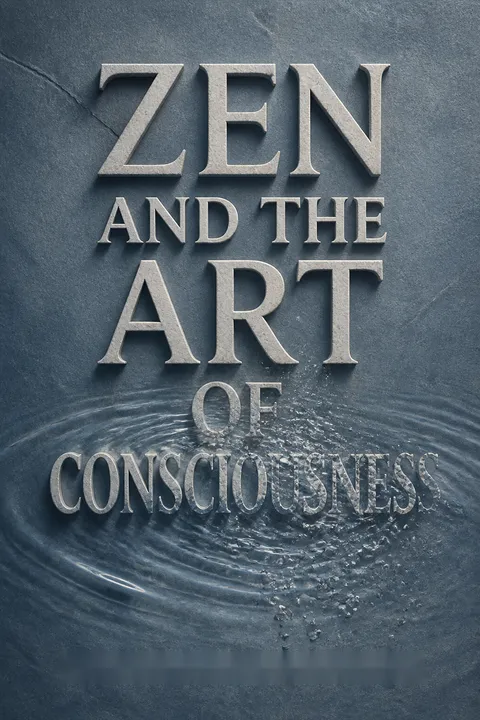
کتاب ذن و هنر آگاهی نقدهای متفاوتی دریافت میکند. برخی از خوانندگان آن را تفکر برانگیز و بینشزا میدانند و از کاوش بلکمور در زمینه آگاهی از طریق تمرینات ذن تمجید میکنند. دیگران آن را گیجکننده یا خودمحورانه میدانند. رویکرد منحصر به فرد کتاب ترکیبی از تجربیات شخصی، پژوهش علمی و فلسفه ذن است. در حالی که برخی از صداقت و خوداندیشی نویسنده قدردانی میکنند، دیگران احساس میکنند که او مفاهیم ذن را بیش از حد عقلانی میکند. کتاب بحثهایی درباره آگاهی، اراده آزاد و ماهیت خود برمیانگیزد، اما اثربخشی آن در انتقال این ایدهها در میان خوانندگان متفاوت است.
دیگران نیز خواندهاند



سؤالات متداول
What is "Zen and the Art of Consciousness" by Susan Blackmore about?
- First-person exploration of consciousness: The book is a personal account of Susan Blackmore’s journey to understand the nature of conscious experience, blending scientific inquiry with Zen Buddhist meditation.
- Ten Zen questions: Blackmore structures the book around ten profound questions that probe the nature of consciousness, self, time, memory, and perception.
- Integration of science and Zen: The author combines her background in psychology and neuroscience with Zen practices, aiming to bridge the gap between scientific and experiential approaches to consciousness.
- Challenge to assumptions: The book questions common beliefs about the self, free will, and the continuity of consciousness, encouraging readers to directly investigate their own experience.
Why should I read "Zen and the Art of Consciousness" by Susan Blackmore?
- Unique blend of perspectives: The book offers a rare combination of scientific rigor, philosophical inquiry, and practical Zen meditation, making it valuable for readers interested in any of these fields.
- Practical self-inquiry: Blackmore provides concrete methods and questions that readers can use to explore their own consciousness, not just theoretical discussions.
- Challenges conventional wisdom: The book invites readers to question deeply held assumptions about the mind, self, and reality, potentially leading to transformative insights.
- Engaging and accessible: Written with clarity, humor, and humility, the book is accessible to both newcomers and those familiar with consciousness studies or meditation.
What are the key takeaways from "Zen and the Art of Consciousness" by Susan Blackmore?
- The self is an illusion: Blackmore’s investigations suggest that the sense of a continuous, unified self is a mental construction, not a persistent entity.
- Consciousness is not what it seems: Our intuitions about consciousness—such as the idea of a stream of experiences or a central observer—do not hold up under close examination.
- Direct experience is essential: Both science and Zen benefit from direct, first-person inquiry into experience, rather than relying solely on external observation or dogma.
- Letting go and mindfulness: The practices of letting go, paying attention, and questioning are central to both Zen and the exploration of consciousness.
How does Susan Blackmore use Zen meditation and questioning in her method for exploring consciousness?
- Ten Zen questions: Blackmore uses a set of ten probing questions (e.g., "Am I conscious now?", "Who is asking the question?") as tools for self-inquiry during meditation.
- Calming the mind: She emphasizes the importance of meditation to calm the mind, making it possible to observe thoughts, sensations, and the sense of self more clearly.
- Systematic self-experimentation: Blackmore documents her own experiences, struggles, and insights as she repeatedly asks these questions in various contexts, both on retreat and in daily life.
- Integration with science: Her approach is to use personal, subjective experience as a legitimate source of data for understanding consciousness, complementing scientific methods.
What are the "Ten Zen Questions" in "Zen and the Art of Consciousness" and why are they important?
- Fundamental questions: The ten questions include "Am I conscious now?", "What was I conscious of a moment ago?", "Who is asking the question?", "Where is this?", "How does thought arise?", "There is no time. What is memory?", "When are you?", "Are you here now?", "What am I doing?", and "What happens next?".
- Designed to provoke insight: These questions are intended to disrupt habitual thinking and provoke direct insight into the nature of mind and experience.
- Blend of Zen and science: Some questions are classic Zen koans, while others arise from Blackmore’s scientific background, reflecting the book’s integrative approach.
- Ongoing practice: Blackmore shows that repeatedly asking these questions can lead to profound shifts in perception and understanding, rather than providing simple answers.
How does "Zen and the Art of Consciousness" by Susan Blackmore challenge the concept of the self?
- No persisting self: Blackmore’s inquiry reveals that the sense of a continuous, unified self is an illusion created by the mind.
- Temporary observers: She finds that what appears to be a self is actually a series of fleeting observers, each arising with particular experiences and dissolving as they pass.
- Headless way and nonduality: Drawing on Zen and the "headless way," she describes experiences where the boundary between self and world disappears, leaving only the experience itself.
- Implications for responsibility and free will: The dissolution of the self challenges traditional notions of personal responsibility and agency, leading to new ways of understanding action and choice.
What does Susan Blackmore mean by the "illusion of consciousness" in "Zen and the Art of Consciousness"?
- Consciousness as a constructed illusion: Blackmore argues that what we take to be a stream of conscious experience is a convincing illusion, not a literal reality.
- No central observer: There is no "theatre of consciousness" or inner observer where experiences are presented; instead, experiences arise and fall away without a central self.
- Scientific and Zen perspectives: Both neuroscience and Zen point to the absence of a fixed self or continuous consciousness, despite our strong intuitions to the contrary.
- Implications for science: She suggests that much of consciousness research is misguided if it tries to explain the illusion rather than how the illusion is constructed.
How does "Zen and the Art of Consciousness" address the problem of free will and personal responsibility?
- Free will as an illusion: Blackmore concludes that the feeling of freely willing actions is a mental construction, not a reflection of how actions actually arise.
- Actions without a doer: She describes how, through meditation and inquiry, actions seem to happen on their own, without a central self making decisions.
- Responsibility redefined: Despite the absence of a self, Blackmore discusses how responsibility can still be taken or accepted as part of the flow of events, echoing Zen teachings.
- Philosophical and practical implications: The book explores the tension between intellectual understanding of no-self and the lived experience of making choices and taking responsibility.
What is the relationship between science and Zen in Susan Blackmore’s approach in "Zen and the Art of Consciousness"?
- Complementary methods: Blackmore sees science and Zen as complementary, with science providing objective investigation and Zen offering first-person, experiential inquiry.
- Shared skepticism: Both traditions encourage questioning assumptions, testing beliefs, and being open to new discoveries.
- Different aims: While science seeks understanding, prediction, and control, Zen aims for direct realization of nonduality and liberation from delusion.
- Integration in practice: Blackmore’s method is to use both scientific thinking and Zen meditation to explore consciousness, suggesting that each can inform and enrich the other.
What are some of the most important concepts and metaphors discussed in "Zen and the Art of Consciousness" by Susan Blackmore?
- Cartesian theatre: The metaphor of a mental theatre with a central observer is critiqued as misleading and unsupported by neuroscience.
- Multiple drafts: Daniel Dennett’s "multiple drafts" model is discussed as an alternative, where parallel processes occur without a central experiencer.
- String of beads: The metaphor of life as a string of beads is examined and ultimately rejected in favor of a more fragmented, parallel view of experience.
- Letting go and mindfulness: The practices of letting go, paying attention, and being present are central to both Zen and Blackmore’s inquiry.
What practical advice or methods does Susan Blackmore offer in "Zen and the Art of Consciousness" for readers who want to explore consciousness themselves?
- Ask the Zen questions: Readers are encouraged to repeatedly ask themselves the ten Zen questions in daily life and meditation to provoke insight.
- Establish a meditation practice: Blackmore recommends regular meditation, even for short periods, to calm the mind and make self-inquiry possible.
- Let it come, let it be, let it go: She shares the Zen advice to allow thoughts and feelings to arise, remain, and pass without clinging or resistance.
- Be patient and persistent: The process of inquiry is gradual and often challenging, requiring ongoing practice and openness to not-knowing.
What are the best quotes from "Zen and the Art of Consciousness" by Susan Blackmore and what do they mean?
- "There is nothing it is like to be me." — This challenges the core assumption of consciousness studies, suggesting that the sense of a private, subjective self is an illusion.
- "Let it come. Let it be. Let it go." — A central Zen teaching for dealing with thoughts and emotions in meditation, emphasizing non-attachment and acceptance.
- "I am, it seems, the world I see." — Reflects the nondual insight that the boundary between self and world is illusory; the observer and the observed are not separate.
- "Consciousness is an illusion; an enticing and convincing illusion that lures us into believing that our minds are separate from our bodies." — Summarizes Blackmore’s main thesis that the apparent separation of mind and body is a mental construction, not a reality.
درباره نویسنده

دانلود PDF
دانلود EPUB
.epub digital book format is ideal for reading ebooks on phones, tablets, and e-readers.








































