
نکات کلیدی
1. توصیف پایه و اساس نوشتار مؤثر است و تصاویر زندهای در ذهن خوانندگان ایجاد میکند
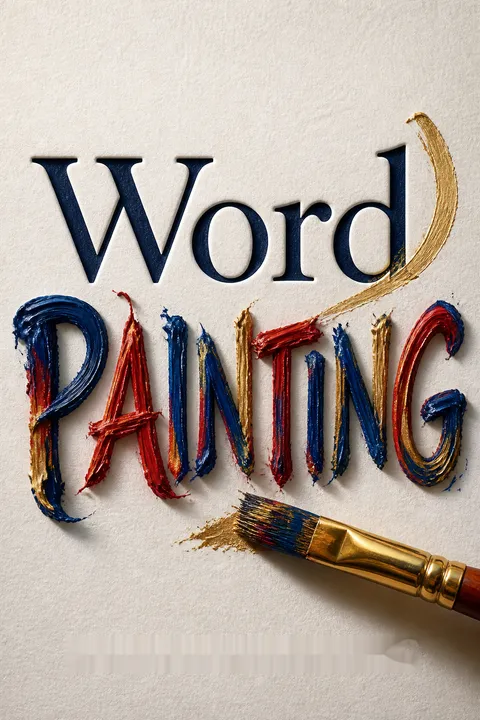
توصیف نقاشی با کلمات است.
نقاشی با کلمات. توصیف، اساس نوشتار جذاب را تشکیل میدهد و به نویسندگان این امکان را میدهد که تصاویر ذهنی زندهای بسازند که خوانندگان را به دنیای داستان منتقل کند. با انتخاب و ترتیب دقیق کلمات، نویسندگان میتوانند تجربیات حسی، احساسات و جوهایی را ایجاد کنند که روایتهایشان را زنده میکند. توصیف مؤثر فراتر از برچسبگذاری ساده است و هدف آن:
- ایجاد حس حضور و فوریت
- درگیر کردن تخیل خواننده
- ایجاد حالت و لحن
- آشکار کردن ویژگیها و انگیزههای شخصیت
- پایهگذاری مفاهیم انتزاعی در واقعیت ملموس
نشان بده، نگو. ضربالمثل "نشان بده، نگو" قدرت نوشتار توصیفی را خلاصه میکند. به جای بیان ساده حقایق یا احساسات، نویسندگان ماهر از زبانی زنده و غنی از حسها استفاده میکنند تا به خوانندگان اجازه دهند داستان را به صورت مستقیم تجربه کنند. این رویکرد تجربه خواندن را غنیتر و به یادماندنیتر میکند.
2. با استفاده از پنج حس، توصیفهای غنی و به یادماندنی ایجاد کنید
بویایی دلیل این است که سایبرسکس هرگز به طور کامل جا نمیافتد.
تجربیات چندحسی. در حالی که توصیفات بصری اغلب غالب هستند، درگیر کردن همه پنج حس تجربهای غنیتر و فراگیرتر برای خوانندگان ایجاد میکند. هر حس به طور منحصر به فردی به تأثیر کلی کمک میکند:
- بینایی: چارچوب اساسی یک صحنه را فراهم میکند
- شنوایی: عمق و جو را اضافه میکند
- بویایی: خاطرات و احساسات قدرتمندی را برمیانگیزد
- چشایی: تجربیات صمیمی و شخصی ارائه میدهد
- لامسه: توصیفات را در واقعیت فیزیکی پایهگذاری میکند
فراتر از بصری. درگیر کردن حسهای غیر بصری میتواند توصیفات را زندهتر و به یادماندنیتر کند. بویایی به ویژه ارتباط قوی با حافظه و احساسات دارد و ابزاری قدرتمند برای برانگیختن جو و تجربیات شخصیت است. با درگیر کردن آگاهانه حسهای متعدد، نویسندگان میتوانند صحنههای کاملتر و تأثیرگذارتری ایجاد کنند.
3. از جزئیات مشخص و ملموس برای زنده کردن صحنهها و شخصیتها استفاده کنید
جزئیات مشخص میتوانند توصیفات ما را تقویت کنند، اما اگر جزئیات زیادی را شامل کنیم، هدف ما از ارائه تصویر بصری از شخصیت را شکست میدهیم.
انتخاب گزینشی. در حالی که جزئیات ملموس برای زنده کردن صحنهها و شخصیتها ضروری هستند، کلید کار انتخابی بودن است. جزئیاتی را انتخاب کنید که:
- ویژگیها یا انگیزههای شخصیت را آشکار کنند
- داستان یا موضوع را پیش ببرند
- جو یا حالت ایجاد کنند
- غنای حسی ارائه دهند
تعادل و تمرکز. جزئیات بیش از حد میتواند خوانندگان را غرق کند و تأثیر توصیف شما را کاهش دهد. به جای فهرستبرداری جامع، بر چند جزئیات خوب انتخاب شده و برانگیزاننده تمرکز کنید که جوهره آنچه را که توصیف میکنید به تصویر بکشند. این رویکرد به خوانندگان اجازه میدهد تا با تخیل خود شکافها را پر کنند و تجربهای جذابتر و شخصیتر ایجاد کنند.
4. از زبان مجازی برای تقویت توصیفات و برانگیختن احساسات استفاده کنید
استعاره مؤثر بیش از روشن کردن دو چیز مقایسه شده انجام میدهد. در واقع چیزی را به چشم ذهن میآورد که قبلاً هرگز دیده نشده است.
مقایسههای خلاقانه. زبان مجازی، از جمله استعارهها، تشبیهها و شخصیتپردازی، به نویسندگان اجازه میدهد تا ارتباطات غیرمنتظرهای برقرار کنند و تصاویر زنده و به یادماندنی ایجاد کنند. این تکنیکها میتوانند:
- مفاهیم پیچیده را ساده کنند
- احساسات و تداعیها را برانگیزند
- لایههای معنایی به توصیفات اضافه کنند
- دیدگاههای تازه و شگفتانگیز ایجاد کنند
فراتر از کلیشهها. در حالی که زبان مجازی قدرتمند است، اجتناب از مقایسههای کلیشهای یا بیش از حد استفاده شده بسیار مهم است. برای استعارههای اصلی و غیرمنتظرهای که به طور طبیعی از داستان و شخصیتها برمیخیزند، تلاش کنید. این رویکرد توصیفات را تازه و جذاب نگه میدارد و خوانندگان را با راههای جدیدی برای دیدن جهان شگفتزده میکند.
5. نقطه نظر شکلدهنده نحوه ارائه و درک توصیفات است
نقطه نظر یک دستگاه تمرکز خودکار، انتخابکننده جزئیات است.
ادراکات فیلتر شده. نقطه نظر انتخاب شده (اول شخص، سوم شخص محدود، دانای کل و غیره) به طور قابل توجهی بر نحوه ارائه توصیفات و جزئیات گنجانده شده تأثیر میگذارد. هر دیدگاه مزایا و محدودیتهای منحصر به فردی ارائه میدهد:
- اول شخص: صمیمی، ذهنی، محدود به ادراکات یک شخصیت
- سوم شخص محدود: اجازه میدهد تا بینشهای عمیقتری از شخصیتها داشته باشد در حالی که مقداری فاصله را حفظ میکند
- دانای کل: دیدگاه گستردهتری ارائه میدهد اما ممکن است کمتر فوری به نظر برسد
تمرکز مداوم. حفظ یک نقطه نظر ثابت به خوانندگان کمک میکند تا خود را در داستان جهتدهی کنند و بفهمند که ادراکات چه کسی توصیف میشود. این ثبات تجربهای فراگیرتر ایجاد میکند و اجازه میدهد تا از طریق توصیف گزینشی، توسعه شخصیت عمیقتری صورت گیرد.
6. توصیفات مکان داستان را پایهگذاری میکنند و بر جو تأثیر میگذارند
مکان ما را به معنای واقعی کلمه در رویای داستانی پایهگذاری میکند.
ایجاد زمینه. توصیفات مؤثر مکان بیش از صرفاً تعیین مکان انجام میدهند. آنها:
- حس زمان و مکان را فراهم میکنند
- جو و حالت را ایجاد میکنند
- احساسات و ادراکات شخصیتها را منعکس میکنند
- رویدادها یا موضوعات را پیشبینی میکنند
رویکرد یکپارچه. به جای اینکه مکان را به عنوان یک پسزمینه ثابت در نظر بگیرند، نویسندگان ماهر آن را به طور یکپارچه در روایت ادغام میکنند. مکان میتواند تقریباً مانند یک شخصیت دیگر شود، تحت تأثیر و تأثیرگذاری بر رویدادها و احساسات داستان.
7. توصیف را با طرح داستان ادغام کنید تا حرکت روایت را حفظ کنید
توصیف چیزی نیست که به سادگی به صورت بلوک در بخشهای روایت یا توضیح وارد کنیم.
ادغام یکپارچه. به جای متوقف کردن روایت برای بخشهای طولانی توصیفی، نویسندگان مؤثر توصیف را در عمل داستان میبافند. این رویکرد:
- سرعت و درگیری خواننده را حفظ میکند
- شخصیت را از طریق تعامل با محیط آشکار میکند
- طرح را از طریق جزئیات معنادار پیش میبرد
نشان دادن از طریق عمل. هر زمان که ممکن است، جزئیات توصیفی را از طریق اعمال و تعاملات شخصیتها با محیطشان آشکار کنید. این تکنیک داستان را در حال حرکت نگه میدارد و در عین حال اطلاعات حسی غنی ارائه میدهد.
8. تکنیکهای توصیفی را برای کنترل سرعت و ایجاد تنش متنوع کنید
فعالیت سریع و پر سر و صدا همیشه توجه ما را جلب نمیکند.
تنوع ریتمیک. نویسندگان ماهر از انواع تکنیکهای توصیفی برای کنترل سرعت داستانهایشان و ایجاد تنش استفاده میکنند:
- جملات طولانی و روان برای صحنههای آرام
- توصیفات کوتاه و تند برای عمل یا تنش
- تمرکز دقیق بر عناصر خاص برای کند کردن زمان و افزایش تعلیق
- توصیفات گسترده و فراگیر برای تسریع سرعت
پنهانکاری استراتژیک. گاهی اوقات آنچه توصیف نمیشود میتواند به اندازه آنچه توصیف میشود قدرتمند باشد. پنهان کردن جزئیات خاص میتواند رمز و راز ایجاد کند، انتظار را بسازد یا توجه خواننده را به عناصر خاصی از صحنه متمرکز کند.
9. از توصیف برای آشکار کردن شخصیت و پیشنهاد تمهای زیرین استفاده کنید
توصیفات مکان رویای داستانی را پایهگذاری میکنند و چارچوبی برای پیشرفت فراهم میکنند. اما درخشش بین درزهای چارچوب، تکههای نور، بخشهای روایت و توضیحاتی است که داستان را روشن میکنند.
هدف چندوجهی. توصیف عملکردهای متعددی فراتر از ایجاد تصاویر بصری دارد:
- ویژگیها و انگیزههای شخصیت را از طریق آنچه که متوجه میشوند یا چگونه محیطشان را درک میکنند آشکار میکند
- تمها را از طریق تصاویر یا موتیفهای تکراری ایجاد میکند
- طنین نمادینی ایجاد میکند که معنای داستان را عمیقتر میکند
معنای لایهدار. با انتخاب دقیق جزئیات توصیفی، نویسندگان میتوانند لایههای معنایی ایجاد کنند که داستان را فراتر از طرح سطحی آن غنیتر کند. این رویکرد اجازه میدهد تا شخصیتپردازی و توسعه تماتیک ظریفتری صورت گیرد و خوانندگان دقیق را با تجربهای عمیقتر و پیچیدهتر پاداش دهد.
خلاصه نقدها
کتاب نقاشی با کلمات به دلیل راهنمایی جامع خود در زمینهی نوشتن توصیفی، عمدتاً نقدهای مثبتی دریافت میکند. خوانندگان از توصیههای عملی، مثالها و تمرینهای مککلانهان قدردانی میکنند. بسیاری از افراد این کتاب را برای بهبود مهارتهای مشاهدهای و استفاده از جزئیات حسی مفید میدانند. برخی منتقدان به طول کتاب و گاهی اوقات به پرگویی آن اشاره میکنند، در حالی که دیگران معتقدند که این کتاب بیشتر برای نویسندگان تازهکار مناسب است. تعدادی از منتقدان به انتخاب کلمات و مثالهای خاصی اعتراض دارند. بهطور کلی، این کتاب به عنوان منبعی ارزشمند برای نویسندگانی که به دنبال تقویت تواناییهای توصیفی خود هستند، محسوب میشود.
دیگران نیز خواندهاند
سؤالات متداول
What is Word Painting: A Guide to Writing More Descriptively by Rebecca McClanahan about?
- Comprehensive guide to description: The book teaches writers how to create vivid, sensory, and significant descriptions in fiction, nonfiction, poetry, and essays.
- Three organizing concepts: McClanahan structures her advice around observation (“eye”), language and figurative techniques (“word”), and how description shapes narrative (“story”).
- Theory and practice combined: It blends direct instruction, literary examples, and practical exercises to help writers sharpen their descriptive skills.
- Applicable across genres: The techniques are useful for fiction, poetry, nonfiction, and even business writing, emphasizing the universal importance of description.
Why should I read Word Painting by Rebecca McClanahan?
- Enhance descriptive skills: The book addresses the common struggle of making writing vivid and offers strategies to overcome it.
- Deepen sensory awareness: It teaches how to engage all five senses to create immersive, emotionally resonant writing.
- Improve storytelling: McClanahan demonstrates how description is integral to character, setting, plot, and mood, not just decorative.
- Hands-on resource: Includes numerous exercises and examples from acclaimed literature, making it practical for writers at all levels.
What are the key takeaways from Word Painting by Rebecca McClanahan?
- Description is foundational: Effective description is the root and stem of strong writing, not just an embellishment.
- Sensory detail is essential: Engaging all senses creates more vivid and memorable scenes.
- Description shapes narrative: It influences character development, setting, plot, mood, and theme.
- Practice and observation matter: Developing descriptive skill requires patience, attention, and regular exercises.
How does Rebecca McClanahan define “description” in Word Painting?
- Word painting: Description is the attempt to present as directly as possible the qualities of a person, place, object, or event—painting pictures with words.
- Not just flowery language: It’s not mere embellishment but a core element of effective writing in all genres.
- Multisensory and honest: True description involves all senses and requires honest, sometimes unflinching, observation.
- Intertwined with story: Description is woven with exposition and narration, forming a trinity that supports the fictional dream.
What are the key elements of effective description in Word Painting by Rebecca McClanahan?
- Precision and careful wording: Use direct, specific language that evokes clear images and emotions.
- Sensory engagement: Employ concrete details that appeal to sight, sound, smell, taste, and touch.
- Active imagery: Represent subjects in a state of activity, creating dynamic, moving pictures.
- Figurative language: Use metaphors and similes to enrich prose and poetry, making descriptions more vivid.
- Contextual relevance: Ensure description serves the larger story, enhancing mood, character, and plot.
How does Word Painting by Rebecca McClanahan help writers develop the “eye” for description?
- Observation with attention: Writers are encouraged to look long, hard, and honestly at their subjects, noticing overlooked details.
- Imaginative observation: Use memory, dreams, and imagination to see beyond the surface and discover deeper meanings.
- Varied perspectives: Change viewpoints and physical positions to refresh perception and reveal new details.
- Patience and acceptance: Persistent, patient observation and acceptance of imperfections lead to more memorable descriptions.
What role do the senses play in descriptive writing according to Word Painting by Rebecca McClanahan?
- Smell as memory trigger: Smell is powerful and closely linked to memory, transporting readers vividly.
- Taste and touch: Taste often overlaps with smell, while touch conveys intimacy and immediacy.
- Sound for atmosphere: Sound, including onomatopoeia and metaphor, immerses readers and suggests mood or tension.
- Mixing senses: Using synesthesia or blending senses creates fresh, surprising descriptions that engage readers more fully.
How does Word Painting by Rebecca McClanahan explain the use of metaphor and figurative language?
- Metaphor as perception: Metaphor is a way of perceiving the world, not just a figure of speech.
- Tenor and vehicle: Metaphors have two parts—the subject (tenor) and the image (vehicle)—which together create vivid new images.
- Simile vs. metaphor: Similes use “like” or “as,” while metaphors imply the comparison, often with greater emotional impact.
- Avoiding clichés: Effective metaphors are fresh and precise, avoiding overused or farfetched comparisons.
What are Rebecca McClanahan’s techniques for describing characters in Word Painting?
- Significant details: Select a few distinguishing traits or mannerisms that reveal character, rather than overloading with specifics.
- Multi-sensory description: Go beyond the visual to include smell, sound, touch, and taste, revealing background and emotional state.
- Show movement and action: Scatter details throughout the story and show characters in action to bring them to life.
- Names and relationships: Thoughtful naming and the use of nicknames or others’ perceptions add depth and context.
How does Word Painting by Rebecca McClanahan address describing settings effectively?
- Beyond time and place: Setting includes physical space, time, weather, and sensory details that ground the reader.
- Spatial and sensory organization: Use positional markers and a range of sensory details to create immersive atmospheres.
- Balance accuracy and mood: For real or historical settings, accuracy is important, but so is evoking the feeling and mood of the place.
- Imagination in fantasy: Even in invented worlds, realistic sensory details help readers suspend disbelief.
What is the role of point of view in description according to Word Painting by Rebecca McClanahan?
- POV shapes description: First-person, third-person (objective, omniscient, limited), and second-person narration each affect what and how things are described.
- Intimacy and limitation: First-person creates intimacy but limits knowledge; third-person objective reports only external facts; omniscient can reveal all but risks abstraction.
- Consistency is key: Abrupt or inappropriate shifts in POV confuse readers; maintaining a clear perspective is essential.
- Experimentation encouraged: Writers are advised to try scenes from different perspectives to find the most effective approach.
What practical exercises does Word Painting by Rebecca McClanahan offer to improve descriptive writing?
- Observation and sensory journals: Timed observation of ordinary objects and keeping journals for each sense sharpen awareness.
- Perspective and synesthesia: Describe scenes from multiple viewpoints or blend senses to refresh perception.
- Word baskets and metaphor practice: Collect words and combine them randomly to encourage fresh figurative language.
- Rewrite clichés and passive sentences: Identify and revise weak or overused language to create more vivid prose.
- Point of view and pace: Rewrite scenes from different perspectives and practice modulating narrative pace with sentence structure and verb tense.
دانلود PDF
دانلود EPUB
.epub digital book format is ideal for reading ebooks on phones, tablets, and e-readers.








































