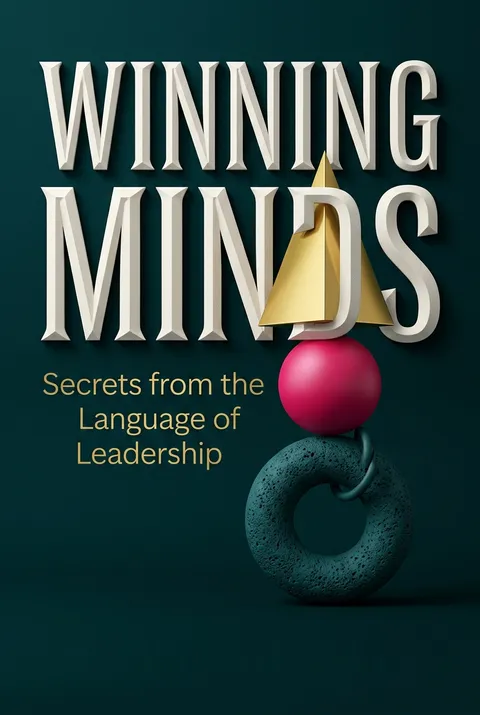

نکات کلیدی
1. زبان رهبری: پیروزی بر ذهنهای غریزی، احساسی و منطقی
رهبری یک قرارداد احساسی است. رهبر نیازهای احساسی مردم را برآورده میکند و در عوض، حمایت آنها را به دست میآورد.
مغز سهقسمتی. مغز انسان از سه بخش اصلی تشکیل شده است: ذهن غریزی، ذهن احساسی و ذهن منطقی. رهبران بزرگ میدانند چگونه به هر یک از این بخشها توجه کنند:
- ذهن غریزی: بر ایمنی و پاداشها تمرکز دارد
- ذهن احساسی: با احساسات و ارتباطات سروکار دارد
- ذهن منطقی: اطلاعات و استدلالها را پردازش میکند
مدل ارتباطی رهبری. برای برقراری ارتباط مؤثر و رهبری، این توالی را دنبال کنید:
- با ظاهر و زبان بدن، ذهن غریزی را جذب کنید
- با داستانگویی و همدلی، ذهن احساسی را درگیر کنید
- با استدلالهای منظم و ابزارهای بلاغی، به ذهن منطقی توجه کنید
با پرداختن به هر سه بخش مغز، رهبران میتوانند ارتباطی قوی با مخاطبان خود ایجاد کنند و اعتماد، انگیزه و اقدام را الهام بخشند.
2. استعارهها: ابزارهای قدرتمند برای شکلدهی به ادراک و تأثیرگذاری بر تفکر
استعارهها ایدهها را در ذهن غریزی عمیق میکارند، جایی که ریشه میزنند و رشد میکنند و بر نحوه تفکر، احساس و عمل مردم تأثیر میگذارند.
قدرت استعارهها. استعارهها تنها ابزارهای ادبی نیستند؛ آنها اساس درک و ادراک ما از جهان را تشکیل میدهند. آنها میتوانند:
- درک ما از مفاهیم پیچیده را شکل دهند
- بر واکنشهای احساسی ما تأثیر بگذارند
- فرآیندهای تصمیمگیری ما را هدایت کنند
استفاده مؤثر از استعارهها. رهبران میتوانند از قدرت استعارهها با:
- انتخاب استعارههایی که با پیام و ارزشهای آنها همراستا باشد
- استفاده از استعارههای جهانی که در فرهنگهای مختلف طنینانداز باشد
- اجتناب از استعارههای مختلط که میتواند پیام را گیجکننده یا تضعیف کند
نمونههایی از استعارههای قدرتمند در رهبری:
- "دست نامرئی بازار" (اقتصاد)
- "همه ما در یک قایق هستیم" (کار تیمی)
- "نور در انتهای تونل" (امید و پیشرفت)
با انتخاب دقیق و استفاده مداوم از استعارهها، رهبران میتوانند مدل ذهنی مشترکی ایجاد کنند که از دیدگاه و اهداف آنها حمایت کند.
3. ظاهر رهبری: به نظر قوی، صادق و جذاب بودن
رهبران بزرگ باید به نظر قوی، صادق و جذاب بیایند.
سه S در ظاهر رهبری:
-
قوی: اعتماد به نفس و قابلیت را به نمایش بگذارید
- از زبان بدن و وضعیت بدنی مطمئن استفاده کنید
- با صدای واضح و رسا صحبت کنید
- در اعمال و کلمات خود قاطعیت نشان دهید
-
صادق: اصالت و قابلیت اعتماد را منتقل کنید
- ارتباط کلامی و غیرکلامی خود را ثابت نگه دارید
- داستانها و تجربیات شخصی را به اشتراک بگذارید
- در صورت لزوم، اشتباهات را بپذیرید و آسیبپذیری خود را نشان دهید
-
جذاب (قانعکننده): جذاب و کاریزماتیک باشید
- سبک شخصی منحصر به فرد و به یاد ماندنی ایجاد کنید
- انرژی و اشتیاق را به نمایش بگذارید
- در زمینه خود شایستگی و تخصص را نشان دهید
قاعده 7-38-55. بر اساس تحقیقات آلبرت مهراپیان، تأثیر یک پیام به این صورت است:
- 7% کلامی (کلمات)
- 38% صوتی (تن، زیر و بم، سرعت)
- 55% بصری (زبان بدن، ظاهر)
با تمرکز بر تمام جنبههای ظاهر و ارائه خود، رهبران میتوانند به طور قابل توجهی توانایی خود را در تأثیرگذاری و الهامبخشی به دیگران افزایش دهند.
4. داستانگویی: هنر ارتباط احساسی و قانعسازی
داستانهای بزرگ اکسیتوسین، کورتیزول و دوپامین تولید میکنند.
قدرت داستانگویی. داستانها تنها سرگرمی نیستند؛ آنها ابزارهای قدرتمندی برای:
- ایجاد ارتباطات احساسی
- به یاد ماندنی کردن ایدههای پیچیده
- الهامبخشی به اقدام و تغییر
عناصر داستانهای مؤثر:
- شخصیتهای قابل ارتباط (اکسیتوسین تولید میکند)
- تعارض یا چالش (کورتیزول آزاد میکند)
- حل یا پیروزی (دوپامین را تحریک میکند)
انواع داستانها برای رهبران:
- حکایات شخصی: تجربیاتی را به اشتراک بگذارید که ارزشهای شما را شکل دادهاند
- داستانهای موفقیت مشتری: تأثیر محصول یا خدمات خود را نشان دهید
- داستانهای منشاء: اصول بنیادین سازمان خود را توضیح دهید
- داستانهای چشمانداز: تصویری از آیندهای که در حال کار بر روی آن هستید، ترسیم کنید
با تسلط بر هنر داستانگویی، رهبران میتوانند ارتباطات عمیقتری با مخاطبان خود ایجاد کنند، پیامهای خود را به یاد ماندنیتر کنند و دیگران را به پیوستن به هدف خود الهام بخشند.
5. ایجاد فرهنگها از طریق روایتها و ارزشهای مشترک
فرهنگها چیزی جز مجموعهای از داستانها نیستند.
نقش فرهنگ در رهبری. یک فرهنگ سازمانی قوی میتواند:
- کارکنان را با اهداف و ارزشهای مشترک همراستا کند
- تصمیمگیری و حل مسئله را بهبود بخشد
- مشارکت و نگهداری کارکنان را افزایش دهد
اجزای ساختاری روایتهای فرهنگی:
- داستانهای بنیادین: چگونه سازمان آغاز شد
- داستانهای ارزشها: اصول اصلی را در عمل نشان دهید
- داستانهای قهرمان: کارکنان یا دستاوردهای نمونه را جشن بگیرید
- داستانهای چالش: چگونه سازمان بر موانع غلبه کرد
تکنیکهای پرورش فرهنگ:
- به طور منظم داستانهای کلیدی را به اشتراک بگذارید و تقویت کنید
- کارکنان را تشویق کنید تا داستانهای خود را به اشتراک بگذارند
- شناسایی و پاداشها را با ارزشهای فرهنگی همراستا کنید
- از آیینها و سنتها برای تقویت عناصر فرهنگی استفاده کنید
با آگاهانه ساختن و به اشتراک گذاشتن روایتهایی که فرهنگ مطلوب را منعکس میکند، رهبران میتوانند باورها، رفتارها و نگرشهای تیم یا سازمان خود را شکل دهند.
6. قدرت احساس: تملق، تکرار و اغراق
تکرار احساس را منتقل میکند.
تکنیکهای احساسی برای رهبران:
-
تملق: مردم را ارزشمند و مورد قدردانی قرار دهید
- در ستایش خود خاص و صادق باشید
- هم تلاش و هم نتایج را شناسایی کنید
- از تکنیک "ساندویچ" برای بازخورد سازنده استفاده کنید
-
تکرار: پیامهای کلیدی را تقویت کنید و تأثیر احساسی ایجاد کنید
- از آنفورا (تکرار کلمات در ابتدای جملات) استفاده کنید
- شعارها یا جملات به یاد ماندنی ایجاد کنید
- تمهای اصلی را در طول سخنرانی یا ارائه تکرار کنید
-
اغراق: تصاویری زنده ایجاد کنید و نکات مهم را تأکید کنید
- از اغراق برای ملموستر کردن مفاهیم انتزاعی استفاده کنید
- از تضاد برای برجسته کردن تفاوتها بهره ببرید
- اغراق را با اعتبار متعادل کنید تا اعتماد را حفظ کنید
عصبشناسی احساس. این تکنیکها با تحریک آزادسازی انتقالدهندههای عصبی کار میکنند:
- دوپامین: مرتبط با لذت و پاداش
- اکسیتوسین: مرتبط با اعتماد و پیوند
- سروتونین: مرتبط با احساسات خوب و شادی
با استفاده ماهرانه از این تکنیکهای احساسی، رهبران میتوانند پیامهای جذابتر و قانعکنندهتری ایجاد کنند که به عمق با مخاطبانشان ارتباط برقرار کند.
7. ابزارهای بلاغی: تعادل بین منطق و سبک برای حداکثر تأثیر
رهبران بزرگ قدرت ابزارهای بلاغی را میدانند.
ابزارهای بلاغی کلیدی برای رهبران:
-
قاعده سهگانه: ایدهها یا مفاهیم را در گروههای سهتایی برای حداکثر تأثیر قرار دهید
- مثالها: "زندگی، آزادی و جستجوی خوشبختی"
- در شعارها، ویژگیهای محصول یا نکات کلیدی در سخنرانیها استفاده کنید
-
جملات متوازن: حس هماهنگی و کمال ایجاد کنید
- ساختار: "نه X، بلکه Y" یا "X، نه Y"
- مثال: "از کشور خود نپرسید که چه کاری میتواند برای شما انجام دهد، از خود بپرسید که شما چه کاری میتوانید برای کشور خود انجام دهید"
-
تکرار صدا: از صداهای تکراری برای تأکید و به یاد ماندنی کردن استفاده کنید
- مثال: "ما در سواحل با آنها خواهیم جنگید، ما در زمینهای فرود خواهیم جنگید"
-
سوالات بلاغی: مخاطب را درگیر کنید و تفکر را تحریک کنید
- مثال: "اگر نه ما، پس چه کسی؟ اگر نه اکنون، پس کی؟"
قدرت صدا. ابزارهای بلاغی با appealing به هر دو بخش منطقی و احساسی مغز کار میکنند:
- نیمکره چپ: معنی کلمات را پردازش میکند
- نیمکره راست: به ریتم و موسیقی زبان پاسخ میدهد
با تسلط بر این ابزارها، رهبران میتوانند پیامهای جذابتر و به یاد ماندنیتری ایجاد کنند که در سطوح مختلف با مخاطبانشان ارتباط برقرار کند.
8. اعداد و اختصار: ایجاد پیامهای به یاد ماندنی و تأثیرگذار
در مورد آمار، کمتر تقریباً همیشه بیشتر است.
استفاده مؤثر از اعداد:
- آمار تأثیرگذاری را انتخاب کنید که از پیام شما حمایت کند
- از مقایسهها برای ملموستر کردن اعداد استفاده کنید
- دادهها را به صورت بصری ارائه دهید (نمودارها، اینفوگرافیکها)
- تعداد آمارها را محدود کنید تا از غرق شدن مخاطب جلوگیری کنید
قدرت اختصار:
- پیامها را مختصر و متمرکز نگه دارید
- از جملات و پاراگرافهای کوتاه برای وضوح استفاده کنید
- از نقاط گلولهای برای تجزیه ایدههای پیچیده استفاده کنید
- از قاعده "یک ایده در هر جمله" پیروی کنید
تکنیکهای ارتباط مختصر:
- با مهمترین اطلاعات شروع کنید (هرمی معکوس)
- از صدای فعال و افعال قوی استفاده کنید
- کلمات و اصطلاحات غیرضروری را حذف کنید
- پیام خود را تمرین و اصلاح کنید
با ترکیب اعداد تأثیرگذار با ارائه مختصر، رهبران میتوانند پیامهایی ایجاد کنند که هم به یاد ماندنی و هم قانعکننده باشد و اطمینان حاصل کنند که نکات کلیدی آنها پس از پایان ارتباط در ذهن مخاطبان باقی بماند.
خلاصه نقدها
خوانندگان بهطور کلی کتاب ذهنهای پیروز را به خاطر محتوای عمیق و بینشگرایش در زمینهی ارتباط مؤثر و رهبری ستایش میکنند. بسیاری آن را سرگرمکننده، عملی و آموزشی میدانند و از سبک شوخطبع و ساختار واضح نویسنده قدردانی میکنند. این کتاب به خاطر تحلیل تکنیکهای بلاغی و کاربرد آنها در زمینههای مدرن مورد تحسین قرار گرفته است. برخی از منتقدان به ارزش ویژه آن برای نویسندگان تبلیغاتی و سخنرانان عمومی اشاره میکنند. در حالی که عدهای به برخی تفسیرها یا تمایلات سیاسی انتقاد کردهاند، اما بیشتر آنها این کتاب را بهعنوان راهنمایی مفید برای توسعه مهارتهای سخنرانی و نوشتن قانعکننده توصیه میکنند.
دیگران نیز خواندهاند









سؤالات متداول
What's "Winning Minds: Secrets from the Language of Leadership" about?
- Overview of the book: "Winning Minds" by Simon Lancaster explores the art of communication and persuasion, focusing on how leaders can effectively use language to influence and inspire others.
- Core concept: The book delves into the "Language of Leadership," a set of rhetorical techniques and strategies that leaders can use to connect with their audience on instinctive, emotional, and logical levels.
- Structure: It is divided into three parts, each addressing how to win over different parts of the brain: the instinctive mind, the emotional mind, and the logical mind.
- Purpose: The book aims to equip readers with the tools to become more effective communicators and leaders by understanding the science behind language and persuasion.
Why should I read "Winning Minds: Secrets from the Language of Leadership"?
- Enhance communication skills: The book provides practical insights into how language can be used to influence and lead effectively, which is valuable for anyone in a leadership position.
- Understand leadership dynamics: It offers a deep dive into the psychological and emotional aspects of leadership, helping readers understand what makes a leader successful.
- Applicable techniques: The strategies discussed are not only theoretical but also actionable, allowing readers to apply them in real-world scenarios to improve their leadership and communication.
- Broad audience: Whether you're a business leader, politician, or simply interested in improving your persuasive skills, the book offers valuable lessons applicable across various fields.
What are the key takeaways of "Winning Minds: Secrets from the Language of Leadership"?
- Three-part brain model: The book emphasizes the importance of addressing the instinctive, emotional, and logical parts of the brain to effectively communicate and lead.
- Power of storytelling: Stories are highlighted as a powerful tool for creating emotional connections and making messages memorable.
- Use of rhetorical devices: Techniques like the rule of three, repetition, and metaphor are essential for crafting persuasive messages.
- Emotional engagement: Leaders must connect with their audience on an emotional level to inspire and motivate them effectively.
How does Simon Lancaster define the "Language of Leadership"?
- Rhetorical techniques: The Language of Leadership involves using specific rhetorical devices to influence and persuade audiences.
- Instinctive, emotional, logical: It requires addressing all three parts of the brain to ensure messages are received and acted upon.
- Practical application: The book provides examples and exercises to help readers practice and implement these techniques in their communication.
- Universal appeal: These techniques are applicable across cultures and contexts, making them valuable for leaders worldwide.
What are some of the best quotes from "Winning Minds" and what do they mean?
- "People need to be reminded more than they need to be instructed." This highlights the importance of repetition in communication to reinforce key messages.
- "The reasonable man adapts himself to the world; the unreasonable one persists in trying to adapt the world to himself." This quote emphasizes the role of visionaries in driving change by challenging the status quo.
- "Words are the most powerful drug used by mankind." It underscores the profound impact language can have on emotions and actions.
- "If you give people what they need, then they will give you the support you need." This reflects the reciprocal nature of effective leadership and communication.
How does "Winning Minds" suggest using metaphors in leadership?
- Planting ideas: Metaphors are powerful tools for planting ideas in the instinctive mind, making complex concepts more relatable and memorable.
- Influencing perception: The choice of metaphor can significantly influence how an audience perceives a message or situation.
- Cultural resonance: Effective metaphors often draw on universal experiences, making them resonate across different cultures and contexts.
- Avoiding pitfalls: The book advises against mixed or misjudged metaphors, which can confuse or alienate audiences.
What role does storytelling play in "Winning Minds"?
- Emotional connection: Stories create a strong emotional bond between the storyteller and the audience, making messages more impactful.
- Memorability: Stories are ten times more memorable than statistics, according to research cited in the book.
- Structure and engagement: A well-told story engages multiple parts of the brain, making the audience active participants in the narrative.
- Resolution and satisfaction: Stories provide a sense of resolution and satisfaction, releasing dopamine and reinforcing the message.
How does Simon Lancaster address the use of repetition in leadership communication?
- Emotional emphasis: Repetition is used to convey passion and commitment, making the speaker's message more compelling.
- Predictability and rhythm: It creates a rhythm that can make messages more memorable and engaging for the audience.
- Reinforcement of ideas: Repetition helps reinforce key points, ensuring they are understood and remembered by the audience.
- Historical examples: The book cites famous speeches, like Martin Luther King's "I Have a Dream," to illustrate the power of repetition.
What is the significance of the "rule of three" in "Winning Minds"?
- Completeness and balance: The rule of three gives arguments a sense of completeness and balance, making them more persuasive.
- Cognitive ease: People find it easier to process and remember information presented in threes, due to its pattern recognition.
- Widespread use: The rule of three is prevalent in advertising, speeches, and storytelling, demonstrating its effectiveness across contexts.
- Practical application: The book encourages readers to use the rule of three in their communication to enhance clarity and impact.
How does "Winning Minds" suggest leaders should handle emotional engagement?
- Understanding needs: Leaders must understand the emotional needs of their audience to connect with them effectively.
- Creating a supportive environment: Praise and positive reinforcement are crucial for building confidence and motivation.
- Managing tension: Humor and empathy are tools for diffusing tension and building rapport with audiences.
- Balancing honesty and flattery: While honesty is important, strategic flattery can enhance emotional connections and support.
What advice does "Winning Minds" offer for using statistics in communication?
- Creating impressions: Use numbers to create powerful impressions and images rather than overwhelming audiences with data.
- Contextual comparison: Provide context by comparing statistics to relatable benchmarks to enhance understanding.
- Simplicity and focus: Focus on a few key statistics to avoid overwhelming the audience and ensure the message is clear.
- Visual aids: Use graphics and visual aids to make statistics more engaging and easier to comprehend.
How does Simon Lancaster address the importance of style in leadership communication?
- Clarity and simplicity: Leaders should aim for clear and simple language to ensure their messages are easily understood.
- Avoiding jargon: Overly complex language can alienate audiences and undermine the leader's credibility.
- Personalization: Using personal pronouns and relatable language helps create a connection with the audience.
- Consistency and tone: Maintaining a consistent style and tone reinforces the leader's message and builds trust with the audience.
دانلود PDF
دانلود EPUB
.epub digital book format is ideal for reading ebooks on phones, tablets, and e-readers.








































