
نکات کلیدی
1. روایتهای سلامت روان ابزارهای قدرتمندی برای بهبود و حمایت هستند
داستانها اهمیت دارند. بسیاری از داستانها اهمیت دارند. داستانها برای سلب مالکیت و بدنام کردن استفاده شدهاند. اما، داستانها همچنین میتوانند برای توانمندسازی و انسانسازی استفاده شوند. داستانها میتوانند کرامت یک ملت را بشکنند، اما همچنین میتوانند آن کرامت را ترمیم کنند.
به اشتراکگذاری تجربیات زیسته یک عمل تحولآفرین است. روایتهای شخصی از مبارزات سلامت روان و بهبودی، روایتهای پزشکی غالب را به چالش میکشند و به دیگران امید میدهند. این داستانها مسائل سلامت روان را انسانسازی میکنند و انگ و انزوا را کاهش میدهند. آنها همچنین به عنوان ابزارهای قدرتمند حمایت، مسائل سیستمی را برجسته کرده و خواستار تغییر میشوند.
حمایت روایتی به یک استراتژی مرکزی در فعالیتهای سلامت روان تبدیل شده است. با به اشتراکگذاری داستانهای خود، افراد بر تجربههای خود تسلط مییابند و فرضیات اجتماعی درباره بیماریهای روانی را به چالش میکشند. این رویکرد با جنبشهای اجتماعی گستردهتری که بر اهمیت داستانگویی به عنوان وسیلهای برای ایجاد تغییر اجتماعی تأکید دارند، همراستا است.
2. مدل بیومدیکال روانپزشکی محدود و غالباً مضر است
روانپزشکی به یک اپیستمولوژی وابسته است که ریشه در فلسفه قدیمی علم دارد و به یک مفهوم کاهشیافته از عینیت چسبیده و از اقتدار علمی به عنوان یک کارت برنده استفاده میکند که تأسیسات روانپزشکی-دارویی برای خاموش کردن و مختل کردن بحث به کار میبرند.
رویکرد کاهشگرا به سلامت روان عوامل حیاتی را نادیده میگیرد. مدل بیومدیکال تجربیات پیچیده انسانی را به شیمی مغز کاهش میدهد و تأثیرات اجتماعی، فرهنگی و محیطی را نادیده میگیرد. این تمرکز تنگنظرانه غالباً منجر به وابستگی بیش از حد به داروها میشود و رویکردهای جایگزین بهبود را تضعیف میکند.
چالش با اقتدار پزشکی برای اصلاح ضروری است. منتقدان استدلال میکنند که ادعای اقتدار علمی تأسیسات روانپزشکی معیوب است، زیرا غالباً نتوانسته است به ماهیت ذهنی تجربیات سلامت روان توجه کند. این انتقاد خواستار رویکردی جامعتر و فردمحور است که زمینه کامل زندگی و تجربیات یک فرد را در نظر بگیرد.
3. حمایت همتا و کمک متقابل اجزای اساسی مراقبت از سلامت روان هستند
ما کلماتی را ایجاد کردیم که بهتر تجربیات شخصی ما را منعکس میکنند. برخی از ما اصطلاحات دیوانه یا جنون را به عنوان بیمعنی دیگر بازپسگیری کردهایم، بلکه به عنوان یک بیانیهی افتخارآمیز از بقا.
تجربیات مشترک به بهبود کمک میکند. شبکههای حمایت همتا نوعی درک و همبستگی منحصر به فرد را فراهم میکنند که معمولاً در محیطهای بالینی سنتی وجود ندارد. این ارتباطات به افراد کمک میکند تا کمتر احساس تنهایی کنند و استراتژیهای عملی برای مقابله و بهبودی ارائه میدهند.
کمک متقابل به چالش کشیدن سلسلهمراتب در مراقبت از سلامت روان است. با تأکید بر روابط متقابل و دانش مشترک، شبکههای کمک متقابل دینامیکهای قدرت سنتی بین "متخصصان" و "بیماران" را مختل میکنند. این رویکرد به افراد قدرت میدهد تا نقش فعالی در بهبود خود و بهبود دیگران ایفا کنند.
4. سلامت روان رادیکال به چالش کشیدن انگ و ترویج خودمختاری است
سلامت روان رادیکال دربارهی ریشهها و تنوع است. برای مدت طولانی، تفاوتهای روانی ما توسط شخصیتهای اقتدارگرا تعریف شدهاند که قصد دارند ما را در نسخههای باریک "نرمالیته" جا دهند.
بازتعریف "بیماری روانی" به عنوان تنوع عصبی یا "هدایای خطرناک". این دیدگاه به چالش کشیدن مفهوم یک ذهن "نرمال" و جشن گرفتن قدرتها و بینشهای بالقوهای که از روشهای مختلف تجربه جهان به دست میآید، میپردازد.
ترویج خودمختاری در تصمیمات درمانی. سلامت روان رادیکال از حق افراد برای انتخاب مسیر خود به سمت بهبودی حمایت میکند، خواه این شامل دارو، درمان، درمانهای جایگزین یا ترکیبی از رویکردها باشد. این موضع در برابر شیوههای اجباری و مدلهای درمانی یکسان مقاومت میکند.
5. تجربیات بازماندگان روانپزشکی بینشهای حیاتی برای اصلاح سیستم ارائه میدهد
یک بار دیگر اهمیت گوش دادن به افرادی که جامعه سعی در کمک به آنها دارد را نشان میدهد. اولویتهای آنها غالباً به طرز شگفتانگیزی با آنچه که نجاتدهندگان با نیت خوب تصور میکنند، متفاوت است.
تجربه زیسته به عنوان تخصص. بازماندگان روانپزشکی دانش منحصر به فردی درباره نقاط قوت و ضعف سیستمهای سلامت روان دارند. بینشهای آنها برای شناسایی زمینههای نیاز به اصلاح و توسعه رویکردهای انسانی و مؤثر به مراقبت، بینظیر است.
چالش با ساختارهای قدرت در سلامت روان. با تأکید بر حق خود برای شنیده شدن و محترم شمرده شدن، بازماندگان روانپزشکی خواستار تغییر بنیادی در نحوه تولید و اعتبارسنجی دانش سلامت روان میشوند. این به چالش کشیدن تسلط تخصص حرفهای و خواستار رویکردی فراگیرتر و دموکراتیکتر به تحقیق و سیاستگذاری سلامت روان است.
6. بیان خلاقانه و تخیل نقشهای حیاتی در بهبودی سلامت روان ایفا میکنند
برنامه DE-CRUIT برای برآورده کردن نیازهای کهنهسربازان که تجربهی تروما داشتهاند طراحی شده است. از زمان تأسیس، این برنامه بهطور جزئی از طریق همکاری علمی ما که امکان جمعآوری دادههای نتایج را برای نشان دادن اثربخشی آن فراهم کرده است، گسترش یافته است.
هنر به عنوان بهبود. شیوههای خلاقانه مانند نوشتن، تئاتر و هنرهای تجسمی ابزارهای قدرتمندی برای پردازش تروما، ابراز احساسات پیچیده و بازتصور هویت فردی فراتر از برچسبهای تشخیصی ارائه میدهند. این رویکردها به قدرت تحولآفرین تخیل متکی هستند.
مدلهای درمان نوآورانه خلاقیت را در بر میگیرند. برنامههایی مانند DE-CRUIT نشان میدهند که چگونه رویکردهای غیرمتعارف، مانند استفاده از نمایشنامههای شکسپیر برای پردازش تروما، میتوانند بسیار مؤثر باشند. این مدلها اهمیت تفکر فراتر از مداخلات بالینی سنتی را برجسته میکنند.
7. تنوع عصبی و جنبشهای افتخار دیوانگی در حال تغییر ادراکات اجتماعی هستند
ASAN از اصطلاح "تنوع عصبی" برای توصیف افرادی که در طیف اوتیسم قرار دارند استفاده میکند. آنها به "افراد نرمال" میگویند "عصبیمتعارف" و در برابر تلاشها برای بیماریزایی رفتارهای اوتیستیک مقاومت میکنند.
چالش با "نرمال". حامیان تنوع عصبی استدلال میکنند که تفاوتهای عصبی باید به عنوان تنوع طبیعی انسانی شناخته و محترم شمرده شوند، نه اینکه به عنوان اختلالات بیماریزایی شوند. این دیدگاه تمرکز را از "درمان" به سمت سازگاری و جشن گرفتن روشهای مختلف تفکر و بودن تغییر میدهد.
بازپسگیری هویت. جنبشهای افتخار دیوانگی افراد را تشویق میکنند تا تجربیات و هویتهای خود را بپذیرند، نه اینکه آنها را صرفاً به عنوان علائم حذفشدنی ببینند. این موضع توانمندساز به چالش کشیدن انگ اجتماعی و ترویج خودپذیری است.
8. تقاطعگرایی کلید حل نابرابریهای سلامت روان است
معلمان واقعی ما در مدرسه کار اجتماعی در نهایت همکلاسیهای من بودند که درباره ستمهای نهادی بحث میکردند.
اشکال متعدد ستم با سلامت روان تلاقی میکنند. عواملی مانند نژاد، طبقه، جنسیت و گرایش جنسی به شدت بر تجربیات سلامت روان و دسترسی به مراقبت تأثیر میگذارند. پرداختن به این تلاقیها برای توسعه سیستمهای سلامت روان عادلانه و مؤثر ضروری است.
متمرکز کردن صداهای حاشیهای در گفتمان سلامت روان. تقویت دیدگاههای افرادی که با اشکال متعدد ستم مواجه هستند، برای درک کامل نیازهای سلامت روان و توسعه رویکردهای واقعاً فراگیر به مراقبت و حمایت ضروری است.
9. همکاری بیمار-متخصص میتواند مراقبت از سلامت روان را متحول کند
تحول سیستم سلامت روان از درون به این بستگی دارد که چگونه بالینیها بتوانند به تخصص همتاها احترام بگذارند و چگونه همتاها و بالینیها بتوانند روابط متقابل و همکاری تشکیل دهند.
شکستن سلسلهمراتب بین بیماران و متخصصان. مدلهای همکاری در مراقبت ارزش هر دو تجربه زیسته و تخصص بالینی را به رسمیت میشناسند. این رویکرد روابطی برابر و محترمانهتر را ترویج میکند و منجر به مراقبت مؤثرتر و شخصیتر میشود.
تکامل آموزش حرفهای. ادغام دیدگاههای بازماندگان روانپزشکی و متخصصان همتا در برنامههای آموزشی حرفهای سلامت روان میتواند به تغییر فرهنگ مراقبت کمک کند. این گنجاندن به آیندهنگران میآموزد که به دینامیکهای قدرت و محدودیتهای رویکردهای سنتی به طور انتقادی فکر کنند.
خلاصه نقدها
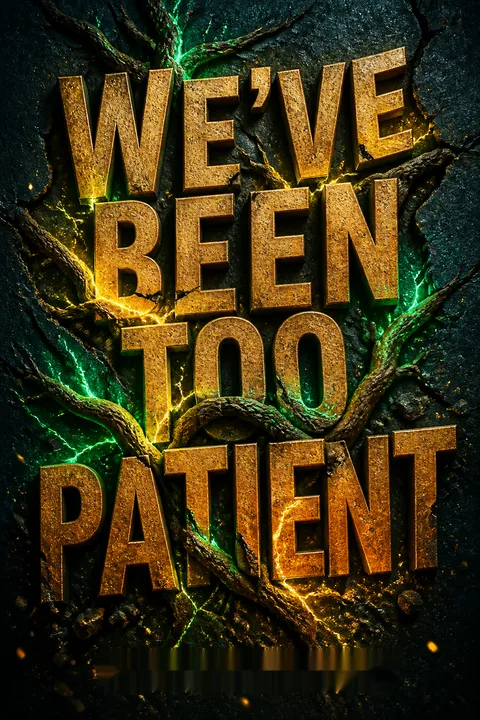
کتاب ما بیش از حد صبور بودهایم یک مجموعهی قدرتمند از مقالات و شعرهایی است که به بررسی جنبشهای رادیکال سلامت روان میپردازد. خوانندگان به تنوع صداهای این کتاب، از جمله دیدگاههای BIPOC و LGBTQ+ و نقد آن بر مدل بیومدیکال، ارج مینهند. این کتاب به چالش کشیدن شیوههای روانپزشکی، حمایت از همتایان و بررسی عوامل اجتماعی مؤثر بر سلامت روان را در دستور کار خود دارد. در حالی که برخی از خوانندگان برخی مقالات را کمعمق دانستهاند، اما بیشتر منتقدان از صداقت، آسیبپذیری و تلاش برای تغییرات سیستمی کتاب قدردانی کردهاند. این کتاب به متخصصان سلامت روان و هر کسی که به رویکردهای جایگزین در مراقبت از سلامت روان علاقهمند است، توصیه میشود.
دیگران نیز خواندهاند




سؤالات متداول
1. What’s We’ve Been Too Patient: Voices from Radical Mental Health by L.D. Green and Kelechi Ubozoh about?
- Radical mental health focus: The anthology challenges the dominant biomedical model of psychiatry, centering lived experiences, personal stories, poetry, essays, and research that explore alternative frameworks like the recovery model, trauma-informed care, and mad pride.
- Systemic critique and alternatives: It critiques the mental health industrial complex and advocates for mutual aid, peer support, and community-based, culturally responsive care.
- Intersectional and social justice lens: The book situates mental health struggles within broader social, economic, and political contexts, urging collective healing and systemic transformation.
2. Why should I read We’ve Been Too Patient by L.D. Green and Kelechi Ubozoh?
- Authentic lived experience: The book amplifies marginalized voices, including people of color, queer individuals, and peer specialists, offering direct insight into the failures and possibilities of mental health care.
- Challenges stigma and oppression: It exposes structural oppression, stigma, and sanism, while celebrating mad pride, creativity, and self-agency, making it essential for advocates, clinicians, and anyone interested in mental health justice.
- Hopeful and practical alternatives: Beyond critique, it presents hopeful visions and practical alternatives rooted in mutual aid, spirituality, and community care, inspiring activism and healing.
3. What are the key takeaways from We’ve Been Too Patient by L.D. Green and Kelechi Ubozoh?
- Critique of biomedical model: The book demonstrates the harms of reducing mental health to chemical imbalances and forced treatments, advocating for more holistic, person-centered approaches.
- Power of narrative and mutual aid: Personal stories and mutual aid are highlighted as radical healing strategies that restore dignity, autonomy, and community connection.
- Radical mental health as social justice: Mental health is deeply intertwined with structural oppression and trauma, requiring systemic change, peer leadership, and recognition of neurodiversity as a strength.
- Need for accessible, compassionate care: The anthology calls for trauma-informed, culturally responsive, and peer-led alternatives that honor individual agency and make care more accessible.
4. What are the best quotes from We’ve Been Too Patient and what do they mean?
- “Just listen.” (Robert Whitaker): This quote underscores the importance of hearing directly from those with lived experience, rather than imposing outside interpretations or solutions.
- “You can pray until you faint. But unless you get up and try to do something, God is not going to put it in your lap.” (Fannie Lou Hamer, quoted): Emphasizes the need for both spiritual support and practical action in mental health recovery.
- “Nothing about Us without Us”: A rallying cry for participatory knowledge and inclusion of people with lived experience in shaping mental health care and policy.
- “Dangerous gifts”: Reframes neurodiversity and mental difference as sources of strength and creativity, not just pathology.
5. How does We’ve Been Too Patient by L.D. Green and Kelechi Ubozoh critique the biomedical model of mental health?
- Reductionism and harm: The book critiques the biomedical model for reducing mental distress to brain chemistry and DSM diagnoses, often leading to over-medication and forced treatment.
- Neglect of social context: It highlights the model’s failure to account for social, cultural, and political factors that shape mental health.
- Pharmaceutical industry influence: The anthology discusses the problematic role of pharmaceutical companies in shaping research, treatment, and public perception.
- Call for participatory knowledge: It advocates for including people with lived experience in producing psychiatric knowledge and policy.
6. What is radical mental health according to We’ve Been Too Patient by L.D. Green and Kelechi Ubozoh?
- Valuing diversity and interconnectedness: Radical mental health embraces psychic diversity and sees mental health as influenced by social, cultural, spiritual, and environmental factors.
- Rejecting narrow definitions: It challenges the idea of “normality” and pathologizing labels, instead promoting self-determination and harm reduction.
- Community and mutual aid: The approach emphasizes the importance of community, mutual aid, and peer support in healing and recovery.
- New languages and cultures: Radical mental health encourages reclaiming and inventing language that reflects personal experiences, supporting storytelling and activism.
7. How does We’ve Been Too Patient by L.D. Green and Kelechi Ubozoh address stigma and the recovery model?
- Stigma as social process: The book explores how public and self-stigma marginalize and dehumanize people with mental health challenges, blocking access to employment, housing, and care.
- Promoting pride and disclosure: It highlights programs like Honest, Open, and Proud, which help people weigh the pros and cons of disclosure and craft empowering narratives.
- Recovery as hope and accomplishment: Recovery is framed as a realistic, hopeful process where people define their own goals and embrace their identities authentically.
- Intersectional perspectives: The anthology addresses how stigma intersects with race, gender, and culture, especially in communities of color.
8. What role do peer specialists and the peer recovery movement play in We’ve Been Too Patient by L.D. Green and Kelechi Ubozoh?
- Peer specialists as change agents: Individuals with lived experience provide unique support that complements clinical care, challenging traditional hierarchies in mental health systems.
- Movement history and challenges: The peer movement emerged from psychiatric survivor activism but faces risks of co-optation and tokenism.
- Collaborative models: The book advocates for integrating peers and clinicians in community-based care, as seen in models like Parachute NYC.
- Training and anti-oppressive practice: It calls for social work education to include training on peer-clinician collaboration and anti-oppressive practices.
9. How does We’ve Been Too Patient by L.D. Green and Kelechi Ubozoh use narrative and imagination in trauma healing?
- Narrative therapy and storytelling: The book emphasizes the power of personal stories to validate experience, foster self-understanding, and challenge dominant medical narratives.
- Imagination in trauma treatment: Programs like DE-CRUIT use drama and Shakespearean monologues to help individuals process trauma in a safe, communal setting.
- Therapeutic benefits: Creative methods provide aesthetic distance, mimic diverse consciousness, and facilitate self-forgiveness and connection.
- Group support: The anthology highlights the importance of creativity and group support in trauma recovery.
10. What is mutual aid in mental health, as defined by We’ve Been Too Patient by L.D. Green and Kelechi Ubozoh?
- Reciprocal support among peers: Mutual aid is described as a process where peers support each other, engaging in self-reflection and spiritual growth together.
- Contrast with hierarchy: It differs from traditional therapeutic relationships by emphasizing equality and shared experience, rather than hierarchy.
- Emotional labor and community: Mutual aid requires emotional labor, often undervalued, but is a powerful force for individual and societal transformation.
- Practical examples: The book shares stories of friends providing tangible support during crises, such as bringing groceries or creating care calendars.
11. How does We’ve Been Too Patient by L.D. Green and Kelechi Ubozoh address mental health in communities of color and suicide prevention?
- Cultural specificity and underreporting: The book reveals that suicide is often underreported in communities of color due to stigma and misclassification, such as "blue suicide" in Black communities.
- Trauma and strong Black women: It discusses how cultural expectations of strength can mask mental health struggles among Black women, leading to under-treatment and dismissal by providers.
- Policy recommendations: The anthology suggests employing mental health ambassadors from diverse communities, involving survivors in planning, and creating culturally relevant prevention tools.
- Alternatives to law enforcement: It advocates for expanding crisis support alternatives, such as peer respite centers, and training that addresses intersectional oppression.
12. What is the “mad underground” and how does it relate to mental health activism in We’ve Been Too Patient by L.D. Green and Kelechi Ubozoh?
- Definition and emergence: The mad underground is a new wave of mental health activism that centers lived experience, challenges psychiatric authority, and embraces identity politics similar to disability and LGBTQ+ movements.
- Epistemological shift: This movement demands inclusion in knowledge production and language creation, moving beyond anti-psychiatry to participatory culture.
- Resistance to surveillance psychiatry: The mad underground critiques technologies that monitor and predict mental illness, warning against loss of privacy and increased coercion.
- Digital organizing: It uses digital media to network, organize, and amplify marginalized voices, fostering a participatory and activist culture.
دانلود PDF
دانلود EPUB
.epub digital book format is ideal for reading ebooks on phones, tablets, and e-readers.








































