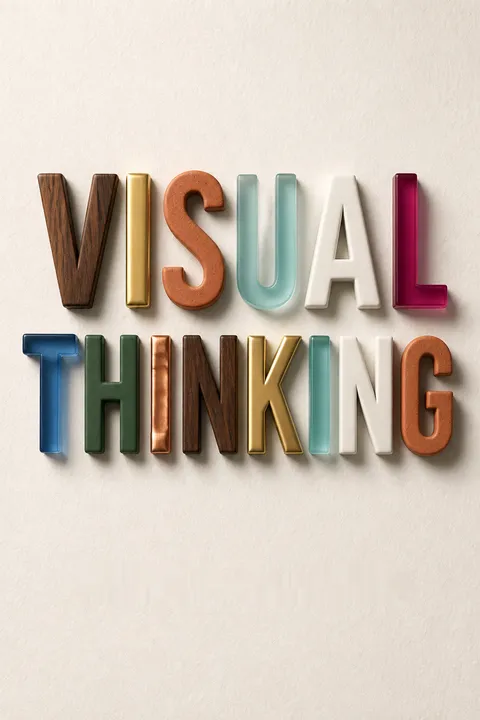

نکات کلیدی
1. تفکر بصری یک سبک شناختی متمایز و ارزشمند است
"تفکر بصری به این مربوط نمیشود که ما چگونه میبینیم، بلکه به این مربوط میشود که مغز چگونه اطلاعات را پردازش میکند؛ چگونه فکر میکنیم و چگونه درک میکنیم."
دو نوع تفکر بصری. تصویرسازان شیء به صورت تصاویر فوتورئالیستی فکر میکنند و در زمینههایی مانند هنر، طراحی و مهندسی مکانیک برتری دارند. تصویرسازان فضایی به الگوها و انتزاعات فکر میکنند و در زمینههایی مانند ریاضیات و فیزیک شکوفا میشوند. هر دو نوع تفکر بصری برای نوآوری و حل مسئله ضروری هستند.
ویژگیهای تفکر بصری:
- تفکر ارتباطی: ایجاد ارتباط بین مفاهیم ظاهراً نامرتبط
- توجه به جزئیات: شناسایی ناهنجاریهای کوچک یا مشکلات بالقوه
- توانایی شبیهسازی سناریوها: تجسم نتایج یا راهحلهای ممکن
تفکر بصری محدود به انسانها نیست؛ بسیاری از حیوانات نیز اطلاعات را به صورت بصری پردازش میکنند که بر رفتار و استراتژیهای بقای آنها تأثیر میگذارد.
2. سیستمهای آموزشی اغلب در شناسایی و پرورش تفکر بصری ناکام میمانند
"حذف یادگیری عملی از مدارس بدترین چیزی است که در حافظهی اخیر به آموزش آسیب زده است، به نظر من."
تعصب در آزمونهای استاندارد. سیستمهای آموزشی کنونی به شدت به مهارتهای کلامی و ریاضی توجه دارند و اغلب نقاط قوت تفکر بصری را نادیده میگیرند. این رویکرد میتواند منجر به برچسبگذاری افراد بااستعداد به عنوان کمکار یا دارای ناتوانیهای یادگیری شود، در حالی که سبک شناختی آنها فقط با نُرم متفاوت است.
عواقب نادیده گرفتن تفکر بصری:
- از دست دادن نوآوران و حلکنندگان مسائل بالقوه
- کاهش تنوع در سبکهای تفکر در زمینههای مختلف
- کاهش انگیزه و عزت نفس در میان تفکر بصری
برای حل این مشکل، مدارس باید تجربیات یادگیری عملی بیشتری را در برنامههای خود بگنجانند، از ابزارهای بصری استفاده کنند و ارزیابیهای مبتنی بر پروژه را ارائه دهند که به تفکر بصری اجازه میدهد تواناییها و مشارکتهای منحصر به فرد خود را نشان دهند.
3. تفکر بصری برای نوآوری و حل مسئله ضروری است
"ما به نسلهای آیندهای نیاز داریم که بتوانند زیرساختها را بسازند و تعمیر کنند، انرژی و کشاورزی را متحول کنند، ابزارهایی برای مقابله با تغییرات اقلیمی و پاندمیها ایجاد کنند و رباتیک و هوش مصنوعی را توسعه دهند."
کاربردهای دنیای واقعی. تفکر بصری مسئول بسیاری از اختراعات و راهحلهای نوآورانه در طول تاریخ بوده است. توانایی آنها در دیدن مشکلات از زوایای مختلف و تجسم سیستمهای پیچیده آنها را در زمینههایی مانند مهندسی، طراحی و فناوری بینظیر میسازد.
نمونههایی از مشارکتهای تفکر بصری:
- توسعه فناوریهای نوآورانه (مانند کامپیوترها و تلفنهای هوشمند)
- طراحی معماری و زیرساخت
- پیشرفتهای پزشکی و کشفیات علمی
شناسایی و پرورش مهارتهای تفکر بصری برای مقابله با چالشهای پیچیده جهانی و پیشبرد در صنایع مختلف حیاتی است.
4. ذهنهای مکمل: قدرت سبکهای تفکر متنوع
"اولین قدم در همکاری موفقیتآمیز بین انواع مختلف تفکر این است که یاد بگیریم که انواع مختلف تفکر وجود دارد."
همکاری همافزایانه. زمانی که تفکر بصری و تفکر کلامی با هم کار میکنند، میتوانند با ترکیب نقاط قوت منحصر به فرد خود به نتایج شگفتانگیزی دست یابند. این رویکرد مکمل منجر به حل مسائل جامعتر و راهحلهای نوآورانهتر میشود.
مزایای سبکهای تفکر متنوع در تیمها:
- افزایش خلاقیت و نوآوری
- بهبود قابلیتهای حل مسئله
- تحلیل و تصمیمگیری جامعتر
سازمانها باید به طور فعال به دنبال ایجاد تیمهای متنوعی باشند که شامل هر دو نوع تفکر بصری و کلامی باشند تا پتانسیل موفقیت و ایدههای نوآورانه خود را به حداکثر برسانند.
5. ارتباط بین تنوع عصبی، تفکر بصری و نبوغ
"نبوغ نه تنها به هوش و خلاقیت نیاز دارد، بلکه به تفکر واگرا نیز نیاز دارد."
تنوع عصبی و خلاقیت. بسیاری از افرادی که در طول تاریخ به عنوان نبوغ شناخته شدهاند، ویژگیهایی را نشان دادهاند که با تنوع عصبی مرتبط است، مانند اوتیسم یا ADHD. این ویژگیها اغلب با تواناییهای قوی تفکر بصری و رویکردهای غیرمتعارف در حل مسئله همبستگی دارد.
ویژگیهای نبوغهای تنوع عصبی:
- تمرکز شدید بر علایق خاص
- توانایی دیدن الگوها و ارتباطاتی که دیگران ممکن است از دست بدهند
- تفکر غیرمتعارف و رویکرد به مسائل
پذیرفتن تنوع عصبی و شناسایی ارزش سبکهای شناختی مختلف میتواند منجر به کشفیات و نوآوریهای شگرفی در زمینههای مختلف شود.
6. نقش تفکر بصری در ارزیابی ریسک و پیشگیری از فاجعه
"تفکر بصری به من این امکان را نمیدهد که آینده را پیشبینی کنم. اما به من اجازه میدهد که به نقصهای طراحی و شکستهای سیستمی که اگر نادیده گرفته شوند، میتوانند به فاجعه منجر شوند، توجه کنم."
پیشبینی مشکلات بالقوه. تفکر بصری در شناسایی ریسکهای بالقوه و تجسم سناریوهای شکست مهارت دارد. این توانایی در زمینههایی مانند مهندسی، هوانوردی و پیشگیری از فاجعه حیاتی است.
کاربردهای تفکر بصری در ارزیابی ریسک:
- شناسایی نقصهای طراحی در سیستمهای پیچیده
- شبیهسازی سناریوهای فاجعه
- توسعه تدابیر ایمنی نوآورانه
گنجاندن تفکر بصری در فرآیندهای ارزیابی ریسک و برنامهریزی ایمنی میتواند به طور قابل توجهی توانایی یک سازمان را در پیشگیری و کاهش فاجعههای بالقوه افزایش دهد.
7. درک شناخت حیوانات از منظر تفکر بصری
"حیوانات در دنیای حسی زندگی میکنند و در تصاویر، بوها، صداها و احساسات لمسی فکر میکنند."
شباهتها در شناخت. بسیاری از حیوانات اطلاعات را به صورت بصری پردازش میکنند، مشابه تفکر بصری انسانها. درک این موضوع میتواند بینشهایی در مورد رفتار، یادگیری و تواناییهای حل مسئله حیوانات ارائه دهد.
پیامدهای تفکر بصری حیوانات:
- درک بهتر از شناخت و رفتار حیوانات
- بهبود شیوههای رفاه حیوانات
- کاربردهای بالقوه در تعاملات و آموزش انسان و حیوان
مطالعه شناخت حیوانات از منظر تفکر بصری میتواند به رویکردهای مؤثرتر و انسانیتری در مراقبت، آموزش و تلاشهای حفاظت از حیوانات منجر شود.
خلاصه نقدها
کتاب تفکر بصری نقدهای متفاوتی دریافت کرده است. برخی از منتقدان به بینشهای گراندین درباره سبکهای مختلف تفکر و نیاز به اصلاحات آموزشی تحسین میکنند. در مقابل، برخی دیگر به تعمیمهای او، کمبود تحقیقات و محتوای تکراری انتقاد دارند. نقاط قوت کتاب در بحث درباره تفکر بصری و مزایای بالقوه آن نهفته است، در حالی که نقاط ضعف شامل تمایل به سوی تفکر بصری و اتکای بیش از حد به حکایات است. بسیاری از خوانندگان دیدگاه گراندین را میپسندند اما اجرای آن را ناکافی میدانند. این کتاب بحثهایی درباره تنوع عصبی و آموزش برمیانگیزد اما در ارائه استدلالهای جامع و مبتنی بر شواهد کوتاهی میکند.
دیگران نیز خواندهاند







سؤالات متداول
What's Visual Thinking: The Hidden Gifts of People Who Think in Pictures, Patterns, and Abstractions about?
- Exploration of Thinking Styles: The book delves into how individuals process information, focusing on those who think in images and patterns rather than words.
- Neurodiversity and Innovation: It discusses the intersection of neurodiversity and genius, highlighting contributions of visual thinkers to innovation and problem-solving.
- Personal Journey: Temple Grandin shares her experiences as an autistic individual, illustrating how visual thinking has shaped her career in animal science and design.
Why should I read Visual Thinking by Temple Grandin?
- Understanding Different Minds: Gain insights into diverse cognitive styles, enhancing empathy and understanding in educational and professional settings.
- Valuable for Educators and Employers: Offers practical advice on identifying and nurturing visual thinkers, ensuring their skills are recognized and utilized.
- Inspiration for Neurodiverse Individuals: Grandin’s journey serves as an inspiration, showing that different thinking styles can lead to success and innovation.
What are the key takeaways of Visual Thinking?
- Types of Visual Thinkers: Grandin identifies object visualizers and spatial visualizers, each excelling in different fields.
- Impact of Education: Critiques standardized education systems that often overlook visual thinkers, advocating for hands-on learning.
- Collaboration is Key: Emphasizes the importance of collaboration between verbal and visual thinkers for innovative solutions.
What are the best quotes from Visual Thinking and what do they mean?
- “We come into the world without words.”: Highlights the innate ability to perceive the world through senses before language develops.
- “We’ve screened out visual thinkers.”: Critiques the educational system's failure to nurture visual thinkers, leading to a loss of potential talent.
- “Two geeks are better than one.”: Underscores the value of collaboration between different types of thinkers for enhanced creativity and problem-solving.
How does Temple Grandin define visual thinking in her book?
- Cognitive Process: Visual thinking is defined as processing information primarily through images and visual patterns rather than words.
- Problem-Solving Importance: Crucial for fields like engineering and design, where understanding spatial relationships is essential.
- Spectrum of Thinking: Visual thinking exists on a spectrum, with most people using a combination of visual and verbal thinking.
How does Visual Thinking address education for visual thinkers?
- Critique of Standardized Testing: Critiques reliance on standardized testing, which disadvantages visual thinkers who excel in hands-on learning.
- Advocacy for Hands-On Learning: Advocates for reinstating hands-on classes like shop and art to help visual thinkers develop their talents.
- Individualized Education Plans (IEPs): Emphasizes creating tailored educational experiences that cater to visual thinkers' strengths.
What role does neurodiversity play in Visual Thinking?
- Celebration of Differences: Emphasizes recognizing neurodiversity as a strength, contributing to creativity and innovation.
- Advocacy for Inclusion: Advocates for inclusive practices in education and the workplace to allow neurodiverse individuals to thrive.
- Connection to Genius: Explores the link between neurodiversity and genius, suggesting many great innovators exhibited traits associated with autism.
How can employers benefit from understanding visual thinking according to Temple Grandin?
- Identifying Talent: Learn to recognize visual thinkers and leverage their unique skills for problem-solving and innovation.
- Creating Inclusive Work Environments: Provides strategies for accommodating different thinking styles, improving collaboration and productivity.
- Valuing Diverse Perspectives: Argues that diverse teams, including verbal and visual thinkers, are more effective at tackling complex problems.
What solutions does Visual Thinking propose for the skills gap in the workforce?
- Reinstating Vocational Training: Advocates for vocational training and hands-on learning opportunities to cultivate visual thinkers' skills.
- Promoting Apprenticeships: Emphasizes the importance of apprenticeship programs for real-world experience and training.
- Encouraging Early Exposure: Suggests exposing children to hands-on activities and careers to help them discover their strengths.
How does Grandin’s personal experience shape Visual Thinking?
- Autistic Perspective: Shares her journey as an autistic individual, illustrating how visual thinking has been both a challenge and a strength.
- Professional Insights: Provides real-world examples from her career in livestock industry and design, showing visual thinking's impact.
- Empowerment for Others: Aims to empower others on the autism spectrum to recognize and embrace their unique thinking styles.
What examples does Grandin provide to illustrate visual thinking in action?
- NASA and Engineering: Highlights how visual thinkers can identify potential risks in engineering designs, using her experiences with NASA.
- Animal Handling: Describes how visualizing animal behavior led to improved welfare practices in her work.
- Everyday Risks: Discusses scenarios where visual thinking helps identify risks, demonstrating practical applications in daily life.
What is the significance of visual thinking in the context of innovation and creativity?
- Fostering Innovation: Visual thinking allows individuals to see connections and possibilities others may miss, leading to groundbreaking ideas.
- Historical Examples: References figures like Einstein and Michelangelo, suggesting their visual thinking contributed to their achievements.
- Encouraging Diverse Perspectives: Emphasizes the importance of diverse perspectives in creative fields, enhancing collaboration and innovation.
درباره نویسنده
کتابهای دیگر از تمپل گرندین





دانلود PDF
دانلود EPUB
.epub digital book format is ideal for reading ebooks on phones, tablets, and e-readers.








































