
نکات کلیدی
1. دموکراسی اولیه: پدیدهای طبیعی و گسترده در انسانها
اگر جستجوی رضایت را بهعنوان یک عنصر اساسی دموکراسی در نظر بگیریم، میتوانیم بگوییم که دموکراسی بهطور طبیعی در میان انسانها رخ میدهد، حتی اگر اجتنابناپذیر نباشد.
فراتر از روایت یونانی. داستان متعارف دموکراسی که آن را به یونان باستان نسبت میدهد، توسعه مستقل شیوههای دموکراتیک در جوامع مختلف در سراسر جهان را نادیده میگیرد. نمونههایی از جمله هورون در آمریکای شمالی، تلاکسکالا در مِسوامریکا و جوامع مختلف در بینالنهرین باستان، هند و آفریقای پیشاکولونیال وجود دارد. این موارد نشان میدهد که دموکراسی، بهعنوان جستجوی رضایت از حکومتشدگان، بهطور ارگانیک در جوامع انسانی به وجود میآید.
رضایت بهعنوان یک عنصر کلیدی. دموکراسی اولیه در جاهایی شکوفا شد که حاکمان به همکاری و اطلاعات از مردم خود نیاز داشتند. این نیاز منجر به تشکیل شوراها و مجامع شد که در آن اعضا میتوانستند رضایت یا مخالفت خود را ابراز کنند. حتی بدون قدرت وتوی رسمی، این نهادها از طریق دانش و توانایی خود در عدم همکاری تأثیرگذار بودند.
تنوع در اشکال اولیه. در حالی که دموکراسی اولیه گسترده بود، در اشکال مختلفی تجلی یافت. برخی جوامع مشارکت وسیعی داشتند، در حالی که دیگران شامل گردهماییهای نخبگان بودند. صرفنظر از سطح مشارکت، این سیستمها ویژگی اساسی مشترکی داشتند که نیاز حاکمان به جستجوی رضایت از کسانی که بر آنها حکومت میکردند، بود.
2. ضعف دولت: زمین حاصلخیز برای دموکراسی اولیه
دموکراسی اولیه زمانی ظهور کرد که حاکمان به رضایت و همکاری مردم خود نیاز داشتند زیرا نمیتوانستند بهتنهایی حکومت کنند.
مزیت دولت ضعیف. دموکراسی اولیه در محیطهایی شکوفا شد که حاکمان توانایی حکومت بهصورت یکجانبه را نداشتند. این ضعف ناشی از عواملی مانند عدم قطعیت در تولید، سهولت خروج مردم و نیاز بیشتر حاکمان به منابع مردم نسبت به برعکس بود. در چنین زمینههایی، حاکمان بیشتر تمایل داشتند به حکومت مشترک تن دهند.
عوامل ترویج ضعف دولت:
- محیطهای کوچک: مشارکت منظم در شوراها و مجامع را تسهیل کرد.
- کمبود دانش: حاکمان از آنچه مردم تولید میکردند، آگاهی نداشتند و این امر به اشتراکگذاری قدرت برای بهدست آوردن اطلاعات بهتر را تشویق میکرد.
- گزینههای خروج: وقتی مردم میتوانستند بهراحتی به مکانهای جدید بروند، حاکمان مجبور به حکومت بهصورت توافقی بودند.
گزینه خودکامه. گزینهای که در مقابل دموکراسی اولیه قرار داشت، خودکامگی بود که اغلب با ساخت یک بوروکراسی دولتی حمایت میشد. خودکامگان به زیردستانی که کنترل آنها را در دست داشتند، برای جمعآوری اطلاعات و اجرای تصمیمات تکیه میکردند، نه اینکه از شوراهای مستقل رضایت بگیرند.
3. شمشیر دو لبه فناوری: تضعیف و توانمندسازی دموکراسی
پارادوکس پیشرفت تمدن این بود که خودکامگی را کارآمدتر میکرد.
پارادوکس تمدن. در حالی که پیشرفتهای فناوری معمولاً استانداردهای زندگی را بهبود میبخشند، میتوانند دموکراسی اولیه را نیز تضعیف کنند. فناوریهایی مانند نوشتن، نقشهبرداری و کشاورزی فشرده، نظارت بر تولید و کنترل جمعیتها را برای حاکمان آسانتر کردند و وابستگی آنها به حکومت توافقی را کاهش دادند.
فناوریهای خاص و تأثیر آنها:
- نوشتن: ارتباط و ثبتنام برای بوروکراسیها را تسهیل کرد.
- نقشهبرداری از خاک: به حاکمان این امکان را داد که تولید کشاورزی را بهطور مؤثرتری ارزیابی و مالیات بگیرند.
- کشاورزی فشرده: مناظر را قابل فهمتر و تولید را برای بیگانگان پیشبینیپذیرتر کرد.
عقبماندگی اولیه اروپا. بهطور پارادوکسیکال، عقبماندگی اولیه فناوری در اروپا نقشی در حفظ دموکراسی اولیه ایفا کرد. حاکمان اروپایی از ابزارها و دانش لازم برای ساخت بوروکراسیهای قوی برخوردار نبودند و این امر آنها را مجبور به تکیه بر مجامع و شوراها کرد.
4. مسیر منحصر به فرد اروپا: از ضعف به نمایندگی مدرن
بهطور پارادوکسیکال، عقبماندگی اروپا زمینهساز ظهور دموکراسی مدرن بود.
انحراف اروپا. بر خلاف چین و خاورمیانه، دموکراسی اولیه در اروپا ادامه یافت و تکامل یافت و در نهایت به دموکراسی مدرن منجر شد. این مسیر منحصر به فرد تحت تأثیر چندین عامل قرار داشت، از جمله ضعف حاکمان اروپایی و پیشرفت کند علم و تمدن.
توسعههای کلیدی در اروپا:
- بقای دموکراسی اولیه: دموکراسی اولیه بهجای اینکه توسط حکومت خودکامه جایگزین شود، ادامه یافت.
- گسترش دموکراسی: اروپاییها در نهایت موفق به گسترش دموکراسی اولیه به جوامعی با وسعتهای بزرگ شدند.
- تکامل به دموکراسی مدرن: دموکراسی اولیه از طریق یک سری مراحل، از جمله توسعه نمایندگی سیاسی و حق رأی عمومی بزرگسالان، به دموکراسی مدرن تکامل یافت.
پارادوکس ضعف. ضعف طولانیمدت حاکمان اروپایی، ناشی از عدم وجود بوروکراسیهای دولتی و فناوریهای نظارت بر تولید، زمینهساز ظهور دموکراسی مدرن شد.
5. گزینه بوروکراتیک چین: کارایی و کنترل
مسیر توسعه سیاسی چین شبیه به مسیر اروپا است که بهعکس است.
حکومت خودکامه اولیه. بر خلاف اروپا، توسعه سیاسی چین از زمانهای اولیه بهسمت خودکامگی پیش رفت. سلسله شانگ سیستمی از قوانین وراثت سختگیرانه را برقرار کرد و نیروهای نظامی بزرگی را بسیج کرد که پایهگذار کنترل متمرکز بود.
عوامل مساعد برای خودکامگی در چین:
- محیط طبیعی: فلات لوس پایهای عالی برای کشاورزی اولیه فراهم کرد و الگوی سکونت را فشردهتر کرد.
- بوروکراسی پیشرفته: توسعه زودهنگام بوروکراسی دولتی، بهویژه در دوران سلسله ژو غربی، به حاکمان این امکان را داد که بدون تکیه بر شبکههای اجتماعی حکومت کنند.
- سیستم امتحانات امپراتوری: تکامل سیستم امتحانات امپراتوری در دوران سلسلههای تانگ و سونگ به حاکمان ابزاری برای استخدام بوروکراتها ارائه داد که به شبکههای اجتماعی خارج از کنترل آنها وابسته نبود.
گزینهای پایدار. خودکامگی در چین بهعنوان یک شکل بسیار پایدار از توسعه سیاسی ثابت شد. دولت زودتر به این مرحله رسید و این امر ظهور دموکراسی را دشوار کرد.
6. دموکراسی گمشده اسلام: داستان قدرت به ارث رسیده
این وراثت سریع یک دولت پیشین—نه اسلام—بود که به زوال دموکراسی اولیه در خاورمیانه منجر شد.
دموکراسی اولیه در عربستان. دموکراسی اولیه در عربستان در دوران پیش از اسلام حاکم بود، با حاکمان که از طریق شوراها حکومت میکردند و فاقد بوروکراسیهای دولتی یا نیروهای نظامی دائمی بودند. این سیستم توسط جوامع کوچنشین حفظ میشد که در آن مردم میتوانستند در صورت نارضایتی بهراحتی به مکانهای دیگر بروند.
تغییر اموی. گسترش سریع اسلام منجر به فتح سرزمینهای با جمعیت بیشتر و کشاورزی مستقر و ساختارهای دولتی موجود شد. فاتحان اسلامی بوروکراسی متمرکزی را از امپراتوری ساسانی به ارث بردند که به آنها این امکان را داد که بهصورت خودکامه حکومت کنند و به مشاوره کمی نیاز داشته باشند.
نقش تصادف. زوال دموکراسی اولیه در خاورمیانه اجتنابناپذیر نبود. اگر گسترش اسلامی زودتر از این اتفاق میافتاد، قبل از اصلاحات ساسانی، نتیجه ممکن بود متفاوت باشد.
7. آسیبپذیری دموکراسی مدرن: مشارکت و اعتماد
در مقایسه، دموکراسی مدرن تنها برای مدت کوتاهی وجود داشته است.
یک آزمایش اخیر. دموکراسی مدرن، که با انتخابات رقابتی و حق رأی عمومی مشخص میشود، اختراعی نسبتاً جدید در مقایسه با دموکراسی اولیه است. موفقیت آن تضمینشده نیست و با چندین نقطه شکست بالقوه مواجه است.
نقاط شکست دموکراسی مدرن:
- مشارکت مقطعی: شهروندان عمدتاً از طریق رأیگیری مشارکت میکنند که میتواند منجر به بیاعتمادی و disengagement شود.
- همزیستی با بوروکراسی: بوروکراسی دولتی امور روزمره را مدیریت میکند و ممکن است باور به اینکه مردم خودشان حکومت میکنند را تضعیف کند.
نیاز به سرمایهگذاری مداوم. برای حفظ دموکراسی مدرن، جوامع باید بهطور مداوم در مشارکت شهروندان سرمایهگذاری کنند و به پتانسیل بیاعتمادی و disengagement رسیدگی کنند.
8. آزمایش آمریکایی: دولتی دور و مشارکت شهروندان
قانون اساسی 1787 حاکمیت دموکراتیک را در سرزمینی وسیعتر از آنچه برای دموکراسیهای اولیه معمول بود، برقرار کرد و این با نوعی مشارکت که وسیع اما مقطعی بود، همراه شد.
دولت بزرگ و دور. قانون اساسی ایالات متحده حاکمیت دموکراتیک را در سرزمینی وسیع برقرار کرد و مشارکت وسیع اما مقطعی را با یک دولت مرکزی قوی ترکیب کرد. این امر مجموعهای منحصر به فرد از چالشها را برای حفظ مشارکت و اعتماد شهروندان ایجاد کرد.
هشدار مدیسون. جیمز مدیسون نیاز به سرمایهگذاریهای ملموس برای اطمینان از اینکه عموم میتوانند درباره دولت در یک جمهوری بزرگ آگاهی پیدا کنند، را شناسایی کرد. او از تلاشها برای یارانهدادن به توزیع روزنامهها حمایت کرد.
اهمیت مشارکت شهروندان. در یک دموکراسی بزرگ، ایدهای که عموم میتواند بهطور دقیق خود را آگاه کند و به دولت اعتماد کند، نمیتواند بهراحتی فرض شود. سرمایهگذاریهای مداوم در مشارکت شهروندان برای رسیدگی به این چالش ضروری است.
9. توسعه اقتصادی: رابطهای پیچیده با دموکراسی
حتی پس از اینکه پادشاهان انگلیسی با مگنا کارتا توافق کردند، مجبور شدند با نرخ مالیاتی بسیار پایینتری نسبت به امپراتوران چینی یا خلیفههای مسلمان توافق کنند.
هیچ تضمینی برای دموکراسی. حکمت متعارف که توسعه اقتصادی به دموکراسی منجر میشود، بهطور کامل توسط شواهد تاریخی پشتیبانی نمیشود. دموکراسی اولیه در اروپا با وجود فقر نسبی آن در مقایسه با مناطقی مانند چین و خاورمیانه شکوفا شد.
دموکراسی اولیه و خودکامگی. دموکراسی اولیه و خودکامگی هرکدام نقاط قوت و ضعف خود را در زمینه توسعه اقتصادی داشتند. دموکراسی اولیه قدرت غیرمتمرکز و حفاظت از حقوق مالکیت را ترویج میکرد، در حالی که خودکامگی بازارهای وسیعتر و انتشار نوآوری را تسهیل میکرد.
پتانسیل دموکراسی مدرن. دموکراسی مدرن پتانسیل ترکیب مزایای هر دو سیستم را دارد، با رهبران محدود و بازارهای ملی بزرگ. با این حال، تاریخ ایالات متحده نشان میدهد که موانع ورود و قدرت انحصاری هنوز میتوانند ظهور کنند.
10. آینده دموکراسی: سازگاری و تابآوری
از طریق عمل دموکراسی اولیه، اعضای جامعه عادت به عمل جمعی را بهدست میآورند و فرصتی برای حاکمان و مردم برای مقاومت در برابر خودکامگی و بهطور مشترک ساختن یک دولت فراهم میشود.
یادگیری از تاریخ. دموکراسی اولیه به مدت هزاران سال وجود داشت و استحکام آن را نشان میدهد. دموکراسی مدرن یک آزمایش نسبتاً جدید است و آینده آن به درک درسهای تاریخ بستگی دارد.
درسهایی برای دموکراسیهای جدید:
- حکومت دموکراتیک تحت شرایط خاص بهطور طبیعی برای انسانها به وجود میآید.
- احتمال بقای دموکراتیزه شدن زمانی بیشتر است که قدرت اولیه دولت مرکزی ضعیف باشد.
- نهادهای پاسخگویی انتخاباتی میتوانند بر نهادهای پیشین دموکراسی اولیه لایهگذاری شوند.
آینده دموکراسی آمریکایی. بقای دموکراسی در ایالات متحده به سرمایهگذاریهای مداوم برای حفظ ارتباط شهروندان با دولتی دور و حفظ سنت حکومت جمعی که میتواند در برابر نفوذ خودکامگی مقاومت کند، بستگی دارد.
خلاصه نقدها
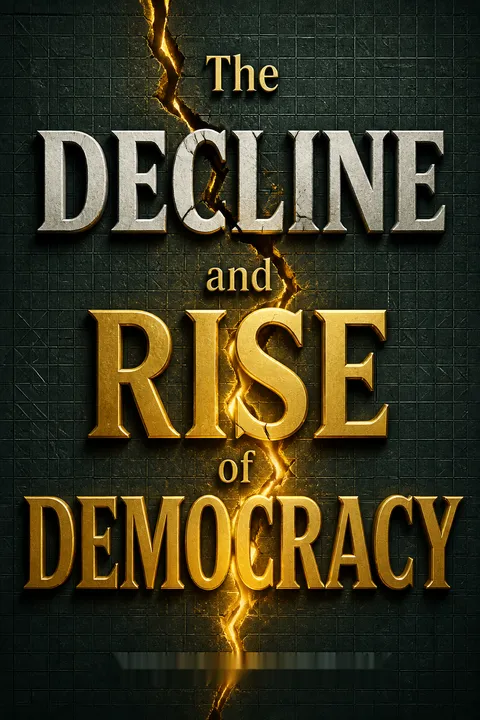
کتاب زوال و ظهور دموکراسی تاریخچهای جامع و جهانی از حکومت دموکراتیک را ارائه میدهد و دیدگاههای متعارف را به چالش میکشد. استاساوج استدلال میکند که اشکال اولیه دموکراسی در جوامع انسانی گسترده و طبیعی بوده و نه استثنایی. او به بررسی عواملی میپردازد که بر توسعه دموکراسی تأثیر میگذارند، از جمله جغرافیا، کشاورزی و بوروکراسی. این کتاب بر اهمیت توالی در توسعه سیاسی تأکید میکند و دیدگاهی دقیق از تکامل دموکراسی را ارائه میدهد. در حالی که برخی از خوانندگان استدلالها را قانعکننده یافتند، دیگران به تعریف وسیع دموکراسی و عدم تمرکز بر برخی مناطق انتقاد کردند.
دیگران نیز خواندهاند





سؤالات متداول
What is The Decline and Rise of Democracy by David Stasavage about?
- Comprehensive global history: The book traces the evolution of democracy from ancient times to the present, examining how democratic practices emerged, declined, and reemerged across different world regions.
- Comparative analysis: Stasavage compares the political development of Europe, China, the Middle East, and the Americas, exploring why modern democracy first emerged in Europe.
- Focus on institutions: The book distinguishes between early democracy (council-based governance) and modern democracy (elections and universal suffrage), highlighting the fragility and ongoing challenges of democratic institutions.
- Contemporary relevance: It addresses current anxieties about democratic backsliding and the appeal of autocratic models, questioning democracy’s future durability.
Why should I read The Decline and Rise of Democracy by David Stasavage?
- Understanding democratic fragility: The book provides historical context for current concerns about democracy’s decline, showing that its success is not guaranteed and requires active maintenance.
- Insight into institutional design: Readers gain a nuanced understanding of how assemblies, suffrage, and executive power have evolved and shaped democratic stability.
- Global perspective: By comparing Western democracies with autocratic models like China, the book offers a broad view of political development and its implications today.
- Practical lessons: Stasavage’s analysis helps readers think critically about the future of democracy and the reforms needed to sustain it.
What are the key takeaways from The Decline and Rise of Democracy by David Stasavage?
- Democracy as experiment: Modern democracy is a recent and ongoing experiment, remarkable for its survival but inherently fragile due to risks like shallow participation and executive overreach.
- Historical sequencing matters: Democracies are more likely to endure when traditions of consent and collective governance precede the rise of strong bureaucratic states.
- Citizen engagement is crucial: Sustained democratic health depends on deepening participation, building trust, and preventing elite domination.
- Continuous investment required: Democracy’s survival and quality require ongoing institutional reforms and efforts to address citizen distrust and executive power.
How does David Stasavage define and distinguish early democracy from modern democracy in The Decline and Rise of Democracy?
- Early democracy: Characterized by rulers governing jointly with councils or assemblies, often requiring active consent from independent members of society, especially in small-scale settings.
- Modern democracy: Defined by competitive elections, universal suffrage, and broad but episodic citizen participation, coexisting with a professional state bureaucracy.
- Key differences: Early democracy involved frequent, direct participation and constrained rulers through councils, while modern democracy relies on representation and faces risks of citizen disengagement.
- Fragility and evolution: Stasavage emphasizes that both forms are fragile and that the transition from early to modern democracy introduced new challenges, especially regarding scale and bureaucracy.
What are the origins and global characteristics of early democracy according to David Stasavage?
- Widespread phenomenon: Early democracy was not unique to Europe; it appeared in various forms across the world, including ancient China, the Middle East, and pre-Islamic Arabia.
- Consent and councils: It arose when rulers needed the active consent of councils or assemblies, which could constrain rulers and assist in governance.
- Participation spectrum: The degree of participation varied, from broad and frequent (e.g., Athens) to more elite-based or limited forms.
- Natural governance: Stasavage argues that early democracy is a naturally occurring form of governance, emerging wherever rulers could not easily dominate society.
What factors led to the decline of early democracy and the rise of autocracy, as explained in The Decline and Rise of Democracy?
- Societal scale and monitoring: As societies grew larger and rulers developed better means to monitor production (e.g., through writing and bureaucracy), early democracy declined.
- Reduced exit options: When people had fewer options to leave or resist, rulers were less compelled to govern by consent, favoring autocratic rule.
- Technological advances: Innovations in writing, mapping, and agriculture enabled rulers to bypass councils and govern more effectively through bureaucracy.
- Centralization of power: The rise of strong, centralized states made large-scale assembly governance infeasible, leading to autocracy in places like China and the Islamic world.
How did technology and bureaucracy undermine early democracy, according to David Stasavage?
- Soil mapping and agriculture: Technologies like Chinese “fish scale” soil maps and Aztec soil glyphs allowed rulers to assess and tax production directly, reducing reliance on local councils.
- Writing systems: The spread of writing enabled the creation of bureaucracies that could communicate, record, and enforce rules without needing assemblies.
- European backwardness as advantage: Europe’s lag in adopting these technologies helped preserve early democratic practices longer, as rulers lacked the tools for centralized control.
- Bureaucratic dominance: The rise of professional bureaucracies shifted power away from participatory councils, making autocratic governance more feasible.
Why did Europe develop a different political trajectory from China and the Middle East, according to The Decline and Rise of Democracy?
- Weak post-Roman states: After Rome’s fall, European rulers were weak, lacking strong bureaucracies and advanced technologies, which allowed early democracy to survive and expand.
- Dispersed populations: Europe’s extensive agriculture and scattered settlements made centralized control difficult, fostering local autonomy and self-governance.
- Development of representation: European towns formed autonomous communes and representative assemblies, innovating political representation and consent theories absent in China and the Islamic world.
- Sequencing of institutions: The tradition of assemblies and consent-based governance preceded the rise of strong states, setting the stage for modern democracy.
How did the theory and practice of political representation develop in medieval Europe, as described by David Stasavage?
- Communal movement: Towns and cities asserted self-governance, forming communes with elected councils and demanding representation in princely assemblies.
- Legal principles: The Roman legal maxim “quod omnes tangit” (“what touches all must be approved by all”) was adapted to justify consent-based governance and taxation.
- Mandates and plenary powers: Medieval representatives were often bound by strict mandates from their constituencies, unlike modern representatives who have more autonomy.
- Negotiation with monarchs: Monarchs sometimes tried to impose “full powers” on representatives to bypass mandates, illustrating ongoing tensions over representation.
How does The Decline and Rise of Democracy by David Stasavage compare Western democracy with China’s bureaucratic autocracy?
- Different historical paths: Western democracies evolved with institutions of consent and assemblies before strong states, while China developed a powerful bureaucracy first, without governance by consent.
- Accountability models: China’s rulers were held accountable through the Mandate of Heaven (performance-based legitimacy), not through popular consent or assemblies.
- Economic development: China’s commercial growth strengthened centralized state power rather than leading to democratization, challenging optimistic theories about economic development and democracy.
- Durability of autocracy: The book explains why China’s autocratic model has persisted, rooted in its early bureaucratic development and lack of assembly traditions.
What are the two main fracture points of modern democracy identified by David Stasavage in The Decline and Rise of Democracy?
- Thin citizen participation: Modern democracy risks broad but shallow participation, leading to perceptions of elite domination and citizen disengagement.
- Executive power concentration: Elected leaders can behave autocratically if legislative checks are weak, making it difficult to constrain executive authority.
- Historical roots: These fracture points emerged as societies transitioned from early, participatory democracy to large-scale, representative systems.
- Ongoing challenges: Addressing these issues requires continuous institutional innovation and investment in democratic engagement.
What reforms and solutions does David Stasavage propose in The Decline and Rise of Democracy to address contemporary democratic challenges?
- Return to participatory practices: Stasavage suggests reviving early democratic practices such as assemblies excluding elites, lotteries combined with elections, and citizen-led political trials or recalls.
- Leveraging technology: Modern participatory technologies could create tighter links between representatives and citizens, deepening engagement beyond periodic voting.
- Devolving power: Decentralizing authority to local levels (subsidiarity) can help build trust, though it has limitations in large, complex societies.
- Quality over survival: The book emphasizes that democracy’s survival is not enough; reforms should aim to ensure that democracy remains responsive and satisfying to citizens, not just persistent in name.
مجموعه تاریخ اقتصادی پرینستون از جهان غرب مجموعه

دانلود PDF
دانلود EPUB
.epub digital book format is ideal for reading ebooks on phones, tablets, and e-readers.








































