
نکات کلیدی
۱. تفاوتهای زبانی، شکافهای عمیق فرهنگی میان انگلستان و آمریکا را آشکار میسازد
تا جایی که بتوان دربارهی آنها کلیگویی کرد، من همین کار را خواهم کرد. هر کسی که بخواهد حقیقت را بداند، باید از جایی شروع کند.
تفاوتهای ظریف زبانی میان انگلیسی بریتانیایی و آمریکایی اغلب پوششی بر اختلافات عمیق فرهنگی است. واژگانی مانند «quite»، «proper» و «clever» در هر کشور بار معنایی متفاوتی دارند که بازتابدهندهی ارزشها و هنجارهای اجتماعی متمایز است. برای مثال، در انگلستان «quite» معمولاً به معنای «نسبتاً» به کار میرود، در حالی که در آمریکا تأکیدی است به معنای «خیلی».
این تفاوتهای زبانی شامل موارد زیر میشود:
- واژگان: lift در برابر elevator، biscuit در برابر cookie
- املاء: colour در برابر color، theatre در برابر theater
- اصطلاحات: «Bob’s your uncle» در برابر «piece of cake»
- تلفظ: schedule، privacy، tomato
درک این ظرایف برای برقراری ارتباط مؤثر میان فرهنگها و جلوگیری از سوءتفاهمها ضروری است.
۲. تمایزات طبقاتی در انگلستان بیش از آمریکا جامعه را شکل میدهد
زیرا در انگلستان، برخلاف آمریکا، partner رمزواژهای برای «شریک همجنس» نیست.
سیستم طبقاتی انگلستان علیرغم تلاشها برای کمرنگ کردن اهمیتش، همچنان پابرجاست. نشانههای اجتماعی مانند لهجه، تحصیلات و شغل به گونهای تأثیرگذار بر تعاملات و فرصتها هستند که ممکن است برای آمریکاییها گیجکننده باشد. به عنوان مثال، طبقه متوسط انگلستان پایدارتر و خودآگاهتر از همتای آمریکایی خود است.
شاخصهای اصلی طبقاتی در انگلستان:
- لهجه و واژگان
- مدرسهای که فرد در آن تحصیل کرده (دولتی در برابر خصوصی)
- ارجاعات فرهنگی و سلیقهها
- فعالیتها و سرگرمیهای اوقات فراغت
در حالی که آمریکا نیز تقسیمات اقتصادی-اجتماعی خود را دارد، اسطورهی بیطبقه بودن و تأکید بر تحرک اجتماعی دینامیک متفاوتی ایجاد میکند. آمریکاییها بیشتر خود را بر اساس درآمد و حرفه تعریف میکنند تا وضعیت موروثی.
۳. خویشتنداری انگلیسی در مقابل صراحت آمریکایی در تعاملات اجتماعی
آمریکاییها بسیار بیشتر تمایل دارند پیشینه و تاریخچه شخصی خود را بازگو کنند. در انگلستان، رقابت آشکار، اهمیت بیش از حد به بردن یا پرسیدن و پاسخ دادن به سوالات مستقیم دربارهی ریشهها بیادبانه تلقی میشود.
هنجارهای اجتماعی در زمینهی افشای شخصی و ابراز احساسات میان انگلستان و آمریکا تفاوت چشمگیری دارد. گرایش انگلیسیها به کمگویی و خودکمبینی به شدت با شور و صراحت آمریکاییها در تضاد است. این تفاوت بر همه چیز از گفتگوهای روزمره تا آداب قرار ملاقات تأثیر میگذارد.
تفاوتهای فرهنگی در تعاملات اجتماعی:
- موضوعات گفتگوی کوتاه (آب و هوا در برابر زندگی شخصی)
- نحوهی دادن و دریافت تعریف
- ابراز احساسات در ملأ عام
- رویکرد به شبکهسازی و دوستیابی
این تفاوتها میتواند منجر به سوءتفاهم شود؛ آمریکاییها ممکن است انگلیسیها را سرد یا دور از دسترس ببینند، در حالی که انگلیسیها ممکن است آمریکاییها را بیش از حد صمیمی یا بیپروا بدانند.
۴. آداب غذا و نوشیدنی بازتابدهندهی ارزشهای فرهنگی گستردهتر است
انگلیسیها ترجیح میدهند در کشور خود تعطیلات بگذرانند و از خانهها و مکانهای تاریخی مانند استونهنج و استراتفورد-آپون-آون بازدید کنند. اما ظرافتهای بیش از حد این مکانها برای آنها چیز تازهای نیست.
سنتهای غذایی اولویتهای فرهنگی را آشکار میسازد. پاب انگلیسی با آداب اجتماعی و تمرکز بر جامعه، در تضاد با فرهنگ فستفود آمریکایی است. همچنین نگرشها نسبت به مصرف الکل متفاوت است؛ انگلیسیها بیشتر تمایل دارند نوشیدن را در زندگی روزمره خود جای دهند.
نشانههای فرهنگی غذا و نوشیدنی:
- صبحانه کامل انگلیسی در برابر پنکیک و بیکن آمریکایی
- آداب نوشیدن چای در برابر قهوهی همراه با حرکت
- فرهنگ پاب در برابر بارهای ورزشی
- نگرشها نسبت به مستی در ملأ عام
این تفاوتها شامل اندازهی وعدهها، زمانبندی غذا و اهمیت اجتماعی صرف غذا در بیرون نیز میشود. ترجیحات غذایی همچنین تأثیرات تاریخی مانند سهمیهبندی در جنگ جهانی دوم در انگلستان را منعکس میکند.
۵. نگرشها نسبت به کار و اوقات فراغت به طور قابل توجهی متفاوت است
دو هفته—یک دورهی کوتاه—مدت زمانی است که انگلیسیها از شنیدن اینکه آمریکاییها «فقط» این مقدار تعطیلات سالانه دارند، متعجب میشوند.
اولویتهای تعادل کار و زندگی میان انگلستان و آمریکا متفاوت است. انگلیسیها ارزش بیشتری برای اوقات فراغت قائلند، تعطیلات با حقوق طولانیتر و نگرش آرامتری نسبت به بهرهوری دارند. در مقابل، آمریکاییها اغلب به اخلاق کاری و ساعات طولانی کار افتخار میکنند.
فرهنگهای کاری متضاد:
- انتظارات زمان تعطیلات
- نگرشها نسبت به اضافهکاری و «زمان حضور»
- استراتژیهای پیشرفت شغلی
- گفتگوهای کاری و اجتماعی مرتبط با کار
این تفاوتها بازتابدهندهی ارزشهای فرهنگی گستردهتر است؛ آمریکاییها بیشتر هویت خود را از شغلشان میگیرند، در حالی که انگلیسیها ممکن است جنبههای دیگر زندگی را در اولویت قرار دهند.
۶. شوخطبعی و ادب در هر کشور شکلهای متمایزی دارد
انگلیسیها در استفاده از الفاظ رکیک بسیار ماهرتر از آمریکاییها هستند. آنها بیشتر احتمال دارد زبان رنگارنگ را با شوخطبعی مرتبط بدانند تا با زشتی یا بیادبی.
سبکهای شوخطبعی تفاوت چشمگیری دارد؛ شوخطبعی انگلیسی اغلب بر پایهی طنز تلخ، خودکمبینی و کمگویی استوار است، در حالی که شوخطبعی آمریکایی مستقیمتر و پرشورتر است. هنجارهای ادب نیز متفاوت است؛ انگلیسیها ارتباط غیرمستقیم را ترجیح میدهند و آمریکاییها صراحت را ارزش مینهند.
تفاوتهای شوخطبعی و ادب:
- استفاده از طعنه و طنز
- راحتی با خودتمسخر
- رویکرد به تعریف و انتقاد
- الفاظ رکیک و موضوعات تابو
این تفاوتها میتواند منجر به سوءتفاهم شود، به طوری که هر فرهنگ ممکن است نیت یا میزان صداقت دیگری را اشتباه برداشت کند.
۷. میهنپرستی و هویت ملی به شکلهای متفاوتی بروز مییابد
گرایش آمریکاییها به برافراشتن پرچم برای انگلیسیها گیجکننده است، چرا که آنها معمولاً به این نوع ملیگرایی علاقهای ندارند.
ابراز غرور ملی به طور قابل توجهی میان انگلستان و آمریکا متفاوت است. آمریکاییها معمولاً میهنپرستتر و آشکارتر هستند، با نمایش پرچم و سوگند وفاداری رایج. انگلیسیها، در حالی که به میراث خود افتخار میکنند، اغلب ملیگرایی را به صورت ظریفتر یا طنزآمیز ابراز میدارند.
نشانههای هویت ملی:
- نگرشها نسبت به نمایش پرچم
- آداب سرود ملی
- تمرکز آموزش تاریخی
- رفتار در رویدادهای ورزشی
این تفاوتها بازتابدهندهی تجربیات تاریخی و اسطورههای ملی متفاوت است؛ هویت آمریکایی اغلب به ایدههای آزادی و فرصت گره خورده، در حالی که هویت انگلیسی بیشتر بر سنت و میراث فرهنگی متمرکز است.
۸. تابوهای صحبت دربارهی پول پابرجا اما در پی رکود در حال تغییر است
از زمان رکود اقتصادی، آمریکاییها و انگلیسیها تابوی صحبت دربارهی پول را کمی کنار گذاشتهاند. پسانداز و صرفهجویی موضوعات قابل بحثی شدهاند.
بحث دربارهی مسائل مالی در هر دو فرهنگ حساس باقی مانده، اما فشارهای اقتصادی باعث شده تا کمی بازتر شوند. به طور سنتی، انگلیسیها به دلیل حساسیتهای طبقاتی از صحبت دربارهی پول اجتناب میکردند، در حالی که آمریکاییها به دلیل ارزشهای خوداتکایی و حفظ حریم خصوصی کمتر دربارهی آن حرف میزدند.
نگرشهای در حال تغییر نسبت به بحثهای مالی:
- راحتی در مقایسه حقوق
- باز بودن دربارهی مشکلات مالی
- نگرشها نسبت به بدهی و پسانداز
- تفاوتهای نسلی در صحبت دربارهی پول
رکود اقتصادی باعث شده گفتوگوهای صریحتری دربارهی واقعیتهای مالی شکل گیرد، هرچند ناراحتی فرهنگی به ویژه در مورد ثروت یا فقر فردی همچنان پابرجاست.
۹. سنتهای تعطیلات، ویژگیهای فرهنگی خاص و میراث مشترک را برجسته میکند
پانتومیم تقریباً در آمریکا ناشناخته است. این به معنای آن نیست که ستارگان آمریکایی نتوانند در این مراسم شرکت کنند، اما معمولاً آنها بیشتر به خاطر تازگیشان دعوت میشوند.
جشنهای کریسمس تفاوتهای فرهنگی را نشان میدهد و در عین حال سنتهای مشترک را برجسته میکند. انگلیسیها آداب خاص و عجیب و غریبی مانند تئاتر پانتومیم را میپسندند، در حالی که آمریکاییها بیشتر بر جنبههای تجاری تمرکز دارند. با این حال، هر دو فرهنگ به شدت از ایدههای دوران ویکتوریا دربارهی گردهماییهای خانوادگی و سخاوت بهره میبرند.
سنتهای تعطیلات متضاد:
- روز باکسینگ در برابر جمعه سیاه
- پودینگ کریسمس در برابر پای کدو حلوایی
- پانتومیم در برابر رژههای بابانوئل
- پیام کریسمس ملکه در برابر برنامههای تلویزیونی ویژه
این تفاوتها بازتابدهندهی ارزشهای فرهنگی گستردهتر، تأثیرات تاریخی و تبادل مداوم سنتها میان دو کشور است.
خلاصه نقدها
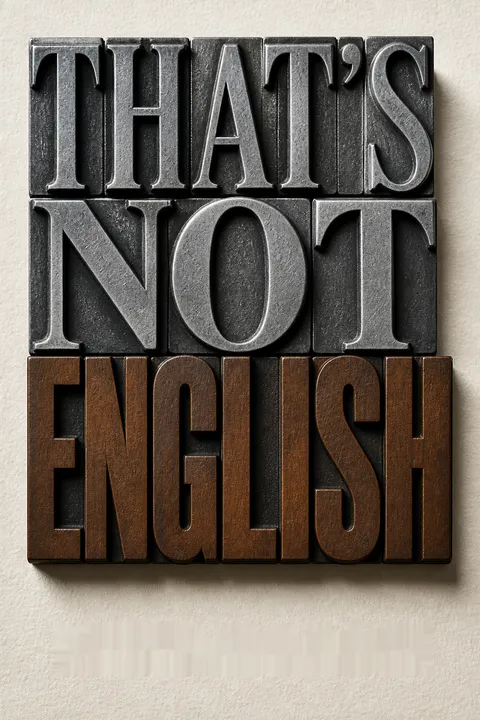
کتاب «این انگلیسی نیست» در سی و یک فصل متمرکز بر واژهها، تفاوتهای زبانی و فرهنگی میان بریتانیا و آمریکا را بررسی میکند. خوانندگان این اثر را شوخطبع، پرمغز و سرگرمکننده توصیف کردهاند و دیدگاه متعادل مور، که بهعنوان یک آمریکایی مقیم انگلستان قلم میزند، مورد تحسین قرار گرفته است. برخی نقد کردهاند که کتاب از عمق کافی برخوردار نیست یا به کلیگویی متکی است، در حالی که دیگران سبک سبک و دلپذیر آن را در فهم تفاوتهای فرهنگی ستودهاند. بررسی ظرایف زبان و تأثیرات اجتماعی در این کتاب برای بسیاری قابل توجه بوده، هرچند نظرات دربارهی تأثیر کلی و میزان ارتباط آن متفاوت است.
دیگران نیز خواندهاند



سؤالات متداول
1. What’s "That’s Not English" by Erin Moore about?
- Explores British and American English: The book examines the differences between British and American English, using specific words and phrases as entry points into broader cultural contrasts.
- Cultural Analysis Through Language: Moore uses language as a lens to explore deeper cultural, social, and historical differences between England and the United States.
- Personal and Humorous Approach: Drawing on her own experiences as an American living in England, Moore provides anecdotes, humor, and observations to illustrate her points.
- Word-by-Word Structure: Each chapter focuses on a single word or phrase, unpacking its meaning, usage, and the cultural attitudes it reveals.
2. Why should I read "That’s Not English" by Erin Moore?
- Understand Cross-Cultural Nuances: The book is invaluable for anyone interested in the subtle (and not-so-subtle) ways language reflects and shapes national identity.
- Practical for Travelers and Expats: It serves as a guide for Americans in the UK, Brits in the US, or anyone navigating transatlantic relationships, helping avoid misunderstandings.
- Entertaining and Insightful: Moore’s witty, accessible style makes linguistic and cultural analysis engaging and relatable.
- Broader Relevance: Even if you’re not a language buff, the book offers insights into class, humor, politeness, and social norms in both countries.
3. What are the key takeaways from "That’s Not English" by Erin Moore?
- Language Reflects Culture: Words and phrases often have different meanings and connotations, revealing underlying cultural values and attitudes.
- Misunderstandings Are Common: Even with a shared language, Americans and Brits frequently misinterpret each other due to subtle linguistic differences.
- Identity and Belonging: Language is a marker of identity, and adopting or resisting certain words can signal belonging or foreignness.
- Celebrate Differences: Rather than flattening out distinctions, Moore encourages readers to appreciate and learn from the quirks of both Englishes.
4. How does Erin Moore structure "That’s Not English" and what is her approach?
- Word-Focused Chapters: Each chapter centers on a single word or phrase (e.g., "quite," "sorry," "cheers"), using it as a springboard for cultural exploration.
- Anecdotal and Analytical: Moore blends personal stories, historical context, and linguistic analysis to make her points.
- Comparative Method: She consistently contrasts British and American usage, highlighting not just vocabulary but also attitudes and behaviors.
- Accessible and Humorous Tone: The book is written in a conversational, often self-deprecating style, making complex ideas easy to grasp.
5. What are some of the most important words or concepts discussed in "That’s Not English"?
- "Quite": Explores how "quite" means "very" in American English but "rather" or "fairly" in British English, leading to misunderstandings.
- "Sorry": Examines the overuse and nuanced meanings of "sorry" in the UK, often as a tool of politeness or passive aggression.
- "Cheers": Looks at how "cheers" is used as a casual thank you or goodbye in the UK, but is often misapplied by Americans.
- "Middle Class": Delves into the different meanings and social implications of "middle class" in both countries, touching on class mobility and self-perception.
6. How does "That’s Not English" by Erin Moore explain the cultural significance of words like "quite," "sorry," and "cheers"?
- "Quite": In the UK, it’s a form of understatement; in the US, it’s an intensifier, reflecting national tendencies toward subtlety versus enthusiasm.
- "Sorry": In England, "sorry" is multifunctional—used for apologies, smoothing over awkwardness, or even as a passive-aggressive rebuke; in America, it’s more direct and sincere.
- "Cheers": The British use "cheers" in everyday transactions as a casual thank you or farewell, while Americans often use it only for toasts, sometimes awkwardly adopting the British usage.
- Cultural Reflection: These words illustrate broader differences in politeness, emotional expression, and social interaction between the two cultures.
7. What does Erin Moore say about class and social mobility in "That’s Not English"?
- Class in England: Class is more stable and less tied to income, with deep-rooted markers like accent, education, and taste; the middle class is often mocked but forms the backbone of society.
- Class in America: The middle class is more aspirational and economically defined, with greater anxiety about social mobility and a strong belief in self-made success.
- Self-Deprecation vs. Self-Promotion: The English use self-deprecation to signal class and avoid appearing boastful, while Americans are more comfortable with self-promotion and sharing personal struggles.
- Class Markers in Language: Words like "middle class," "posh," and even "toilet" carry different social weights and taboos in each country.
8. How does "That’s Not English" address the topic of politeness and social interaction in British and American culture?
- Negative vs. Positive Politeness: The English favor "negative politeness" (not imposing, keeping distance), while Americans prefer "positive politeness" (seeking connection, giving compliments).
- Use of "Sorry": The English use "sorry" to avoid confrontation and maintain social harmony, often in situations where Americans would not apologize.
- Compliments and Small Talk: Americans are more likely to give compliments and engage in friendly small talk with strangers, which can seem insincere or intrusive to Brits.
- Underlying Social Rules: These differences in politeness reflect deeper cultural values about individuality, hierarchy, and community.
9. What are some examples of words that have different meanings or connotations in British and American English, according to Erin Moore?
- "Quite": Means "very" in the US, "fairly" in the UK.
- "Middle Class": Economic category in the US, social/cultural category in the UK.
- "Toilet": Neutral in the UK, considered vulgar or awkward in the US.
- "Scrappy": Positive (determined) in the US, negative (disorganized) in the UK.
- "Partner": In the UK, can refer to any significant other; in the US, often implies a same-sex relationship or business partner.
10. How does "That’s Not English" by Erin Moore explore the impact of history and media on language differences?
- Historical Divergence: The book traces how American and British English evolved separately after the colonial period, influenced by social, political, and technological changes.
- Media Influence: American media exports have familiarized Brits with Americanisms, while British slang and expressions are increasingly adopted by Americans, sometimes awkwardly.
- Noah Webster’s Reforms: The American drive for linguistic independence (e.g., spelling reforms) is contrasted with British resistance to change.
- Cross-Pollination: Despite globalization, both countries maintain strong linguistic identities, with media both bridging and highlighting differences.
11. What advice or insights does Erin Moore offer for Americans and Brits trying to communicate or fit in across the Atlantic?
- Read Between the Lines: Especially in the UK, where understatement and indirectness are common, it’s important to interpret what’s not being said.
- Embrace Differences: Rather than imitating the other side, Moore suggests appreciating and learning from the quirks of each culture.
- Be Aware of Taboo Words: Some words are innocuous in one country but offensive or awkward in the other (e.g., "fanny," "toilet," "bloody").
- Stay Curious and Humble: Recognize that even with a shared language, misunderstandings are inevitable, and a sense of humor goes a long way.
12. What are the best quotes from "That’s Not English" by Erin Moore and what do they mean?
- "The idea that England and America are two countries separated by a common language... trivializes the problem." — Highlights that language differences are just the surface of deeper cultural divides.
- "An American who moves to England is like Wile E. Coyote running over a cliff into thin air." — Illustrates the delayed realization of cultural disorientation for expats.
- "Differences in language contribute to individual and cultural identity. They are interesting, valuable, and fun in themselves, but they are also the blazes on the trail." — Emphasizes the importance of linguistic differences in shaping who we are.
- "If you ignore or fail to understand them, you might as well be speaking a different language." — Warns that overlooking these nuances can lead to feeling lost, even when speaking "the same" language.
- "This is a love letter to two countries that owe each other more than they would like to admit." — Captures the book’s affectionate, balanced perspective on both cultures.
دانلود PDF
دانلود EPUB
.epub digital book format is ideal for reading ebooks on phones, tablets, and e-readers.








































