
نکات کلیدی
۱. تفکر نقادانه با فراشناخت و خودآگاهی آغاز میشود
آگاهی از نحوهی کارکرد افکارتان نخستین گام در مسیر توسعهی مهارتهای تفکر نقادانه است.
تفکر دربارهی تفکر. فراشناخت، یعنی اندیشیدن دربارهی فرآیندهای فکری خود، اساس تفکر نقادانه است. این مفهوم شامل بررسی باورها، پیشفرضها و تعصبات شما میشود تا دریابید چگونه این عوامل بر تصمیماتتان تأثیر میگذارند. این خودآگاهی به شما امکان میدهد نقاط ضعف استدلال خود را شناسایی کرده و انتخابهای آگاهانهتری داشته باشید.
پرسش از پیشفرضها. تفکر نقادانه مستلزم پرسشگری نسبت به همه چیز، حتی باورهای عمیقاً پذیرفته شده است. این به معنای رد کردن همه چیز نیست، بلکه به معنای بررسی شواهد و منطق پشت پیشفرضهاست. آیا این باورها بر اساس واقعیت، احساسات یا تعصبات شکل گرفتهاند؟ آیا دیدگاههای جایگزین دیگری وجود دارد که باید در نظر گرفته شوند؟
تفکر مستقل. با پرورش مهارتهای تفکر نقادانه، شما به فردی مستقل تبدیل میشوید که قادر است با دقت و تأمل انتخابهای خود را انجام دهد. این فرآیند شامل درک منطق، تجزیه و تحلیل استدلالها، شناسایی نقاط ضعف و بررسی دلایل پشت باورهاست.
۲. تعصبات عصبی بر باورها و ادراکها تأثیر میگذارند
مغز ما به گونهای برنامهریزی شده است که باورهای خود را بر اساس آنچه میخواهیم باور کنیم شکل دهد، زیرا این واکنشها ریشه در احساسات دارند.
مدل مغز سهگانه. مغز ما در سه سطح عمل میکند: مغز خزنده (غریزهها)، مغز پریمات (احساسات) و مغز انسانی (عقل). بخشهای قدیمیتر و ابتداییتر مغز غالباً بر فرآیندهای منطقی غلبه میکنند و این امر منجر به تصمیمگیریهای مغرضانه میشود.
واکنشهای احساسی. واکنشهای احساسی که در گذشته برای بقا مفید بودند، در دنیای مدرن میتوانند تفکر منطقی را تحت تأثیر قرار دهند. درک چگونگی تأثیر احساسات بر باورها و ادراکها برای کاهش اثرات آنها ضروری است.
نیاز به کنترل. انسانها نیاز روانشناختی عمیقی به کنترل دارند که میتواند در قالب خرافات و باورهای غیرمنطقی بروز کند. این نیاز همچنین میتواند منجر به تعصب تأییدی شود؛ جایی که ما به دنبال اطلاعاتی هستیم که باورهای موجودمان را تأیید کند و شواهد مخالف را نادیده میگیریم.
۳. حافظه ساخته میشود، نه ثبت
مغز ما مسئول ساختن خاطرات است و بنابراین خاطرات ما لزوماً بازتابی از واقعیت نیستند.
نواقص حافظه. خاطرات ضبطهای کاملی از رویدادها نیستند، بلکه بازسازیهایی هستند که تحت تأثیر باورها، تعصبات و احساسات ما شکل میگیرند. این بدان معناست که خاطرات ما اغلب قابل اعتماد نیستند و ممکن است دچار خطا شوند.
انواع خطاهای حافظه:
- فراموشی منبع: فراموش کردن اینکه اطلاعات را از کجا آموختهاید
- فراموشی حقیقت: به یاد آوردن یک جمله بدون توجه به صحت آن
- آلودگی حافظه: پر کردن خلأها با جزئیات تغییر یافته یا نادرست
سؤالات باز. هنگام جمعآوری اطلاعات از دیگران، از سؤالات باز استفاده کنید تا روایتهای دقیقتری دریافت کنید. از سؤالات هدایتشده که ممکن است خاطرات آنها را آلوده کرده و تعصب وارد کند، پرهیز کنید.
۴. واقعیت توهمی ساخته شده توسط مغز است
همانند حافظه و ادراک، واقعیت نیز چیزی است که در مغز ساخته میشود.
ساخت واقعیت توسط مغز. مغز به طور فعال واقعیت ما را با فیلتر کردن و تفسیر دادههای حسی ورودی میسازد. این فرآیند شامل تعارض بین بخشهای مختلف مغز است که میتواند به انتخابهای نامطلوب منجر شود.
تصمیمگیری ناخودآگاه. مغز ما اغلب پیش از آنکه خودآگاه شویم، تصمیمگیری میکند. این موضوع اهمیت شناخت تعصبات خود و تأثیر آنها بر انتخابها را برجسته میکند.
حالات تغییر یافتهی هوشیاری. حالات تغییر یافتهی هوشیاری، مانند آنهایی که توسط داروها یا هیپنوتیزم ایجاد میشوند، میتوانند نشان دهند که بخشهای مختلف مغز در زمانهای متفاوت چگونه عمل میکنند. این امر میتواند بینشهایی دربارهی ماهیت هوشیاری و تصمیمگیری فراهم آورد.
۵. استدلالها نیازمند مقدمات صحیح و منطق معتبر هستند
هنگام ساختن استدلالها، با مقدمات مشخصی شروع میکنیم که از آنها نتیجهگیری میکنیم.
مقدمات و نتیجهگیری. استدلالها بر پایهی مقدماتی بنا شدهاند که به عنوان دادههای پذیرفته شده در نظر گرفته میشوند. استدلال معتبر است که نتیجه به طور منطقی از مقدمات پیروی کند. استدلال محکم است که مقدمات آن درست و منطق آن معتبر باشد.
خطاهای منطقی. خطاهای منطقی نقصهایی در استدلال هستند که میتوانند به نتایج نادرست منجر شوند. خطاهای رایج عبارتند از:
- استدلال از مقام: باور به صحت چیزی صرفاً به دلیل گفته شدن توسط فردی صاحبمنصب
- پس از آن، بنابراین به دلیل آن: فرض اینکه چون X بعد از Y رخ داده، پس Y باعث X شده است
- حمله به شخص: حمله به فرد ارائهدهندهی استدلال به جای خود استدلال
استدلال در برابر توجیه. استدلال شامل جمعآوری شواهد و مشاهدات برای رسیدن به نتیجه است، در حالی که توجیه به معنای شروع با نتیجه و سپس یافتن دلایلی برای توجیه آن است. تفکر نقادانه مستلزم استدلال است، نه توجیه.
۶. بازاریابی و رسانهها از تعصبات شناختی سوءاستفاده میکنند
صنعتی کامل بر پایهی بهرهبرداری از شیمی مغز، شناخت و تعصبات افراد برای ترغیب آنها به خرید شکل گرفته است: بازاریابی.
دموکراتیزه شدن اینترنت. اینترنت دسترسی به اطلاعات را دموکراتیک کرده، اما همچنین باعث گسترش اطلاعات نادرست و محتوای مغرضانه شده است. مهارتهای تفکر نقادانه برای حرکت در این محیط ضروریاند.
استراتژیهای بازاریابی. بازاریابان از تعصبات شناختی مانند اثر رقم چپ و قاعده لنگر استفاده میکنند تا رفتار مصرفکننده را تحت تأثیر قرار دهند. آنها همچنین مشکلاتی برای مصرفکنندگان ایجاد میکنند تا نگران شوند و سپس محصولات خود را به عنوان راهحل ارائه دهند.
بازاریابی چندسطحی (MLM). بازاریابی چندسطحی طرحهای هرمی هستند که به عنوان کسبوکارهای مشروع معرفی میشوند. این مدل بر جذب فروشندگان جدید برای سودآوری تکیه دارد و اکثر شرکتکنندگان در آن متحمل ضرر مالی میشوند.
۷. نظریههای توطئه نیازهای روانشناختی را برآورده میکنند
مردم دوست دارند باور کنند که سازمانهای بزرگ مانع رسیدن آنها به اهدافشان هستند، نه نقصها و اشتباهات خودشان.
توطئههای بزرگ. نظریههای توطئه بزرگ شامل سازمانها یا دولتهای بزرگی است که در طول زمان طولانی با هم همکاری میکنند. این نظریهها اغلب شامل کلیشههای ضدیهودی بوده و بر تفسیر نادرست نمادها تکیه دارند.
جذابیت روانشناختی. نظریههای توطئه نیازهای روانشناختی مانند کنترل، اطمینان و تعلق را برآورده میکنند. آنها همچنین حس عزت نفس و راهی برای ابراز احساساتی مانند خشم و ناامیدی فراهم میآورند.
خطاهای شناختی. طرفداران نظریههای توطئه معمولاً دچار خطاهای شناختی مانند تعصب تأییدی، خطای نسبتدهی بنیادین و دوگانگی کاذب میشوند. آنها همچنین معمولاً معیارها را تغییر داده و بار اثبات را جابهجا میکنند.
خلاصه نقدها
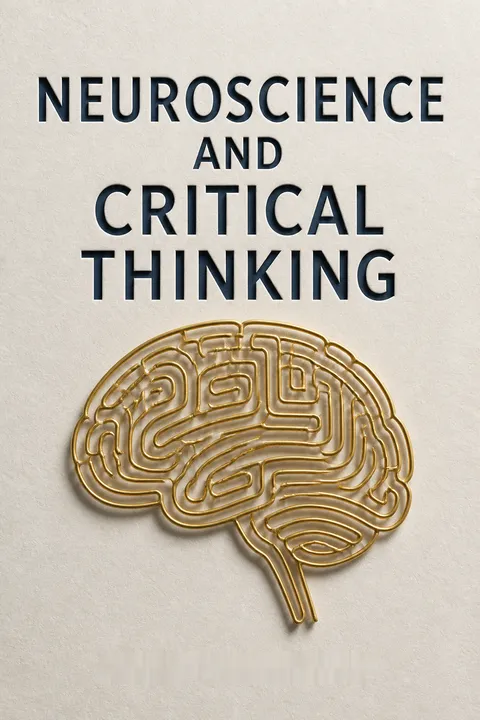
کتاب «علوم اعصاب و تفکر نقادانه» با استقبال متفاوتی روبهرو شده و میانگین امتیاز آن ۳.۵۱ است. خوانندگان به سادگی و قابل فهم بودن آن، بهویژه برای دانشآموزان دبیرستانی یا بزرگسالانی که به دنبال درک پایهای هستند، ارج مینهند. برخی این کتاب را آموزنده و پژوهششده میدانند و از رویکرد موجز آن در زمینهی تفکر نقادانه و علوم اعصاب تمجید میکنند. با این حال، گروهی دیگر به سطح کمعمق پرداختن به جنبههای علوم اعصاب و سادهسازی بیش از حد آن انتقاد دارند. این کتاب به خاطر بررسی خطاهای منطقی و فرایندهای تصمیمگیری مورد تحسین قرار گرفته، اما برخی نقدها به اشتباهات واقعی و کمبود عمق در بخشهایی از محتوا اشاره میکنند.
دیگران نیز خواندهاند










سؤالات متداول
1. What is "Neuroscience and Critical Thinking" by Albert Rutherford about?
- Explores the intersection: The book examines how neuroscience and critical thinking intersect, focusing on how our brains shape thought patterns, memory, decision-making, and susceptibility to errors.
- Practical application: It provides readers with tools to improve memory, make rational decisions, reduce emotional reactions, and set realistic expectations.
- Addresses modern challenges: The book discusses how to navigate misinformation, marketing tactics, and conspiracy theories in today’s information-rich world.
- Focus on self-awareness: Emphasizes the importance of metacognition—thinking about your own thinking—to develop stronger critical thinking skills.
2. Why should I read "Neuroscience and Critical Thinking" by Albert Rutherford?
- Understand your brain: The book helps readers understand the neurological basis of their beliefs, perceptions, and decision-making processes.
- Combat cognitive errors: It offers strategies to recognize and overcome common thinking errors, biases, and logical fallacies.
- Navigate information overload: Provides practical advice for evaluating information in an era of constant media, marketing, and online misinformation.
- Personal and societal benefits: Learning these skills can improve personal decision-making and contribute to more rational, evidence-based discussions in society.
3. What are the key takeaways from "Neuroscience and Critical Thinking"?
- Critical thinking is learned: Critical thinking is not innate; it requires conscious effort, self-awareness, and practice.
- Biases are natural but manageable: Our brains are wired for certain biases and emotional responses, but understanding them allows us to mitigate their effects.
- Memory is unreliable: Human memory is constructed, malleable, and often inaccurate, so relying solely on memory can lead to errors.
- Logical reasoning matters: Recognizing and avoiding logical fallacies is essential for sound decision-making and argumentation.
- Skepticism is healthy: Scientific skepticism and evidence-based reasoning are crucial tools for discerning truth from misinformation.
4. How does Albert Rutherford define and explain critical thinking in the book?
- Metacognition at the core: Critical thinking is described as metacognition—being aware of and analyzing your own thought processes.
- Beyond memorization: It’s not about knowing facts, but about understanding how you know things and evaluating the reasoning behind beliefs.
- Skills involved: Includes deconstructing arguments, identifying logical flaws, constructing step-by-step solutions, and being open to revising beliefs.
- Not just criticism: Critical thinking is about engaging in calm, reasoned debate, not simply being critical or argumentative.
5. What does "Neuroscience and Critical Thinking" say about how the brain influences our beliefs and perceptions?
- Triune brain model: The book explains the "triune brain" (reptilian, primate, and human/neocortex) and how each part influences emotions, instincts, and rational thought.
- Emotional bias: Emotional responses, rooted in older brain structures, often guide beliefs and can override rational analysis.
- Need for control and meaning: Human brains seek control, meaning, and simple explanations, which can lead to superstitions, confirmation bias, and oversimplification.
- Social and moral instincts: Our need for social belonging and moral codes also shapes our perceptions and can introduce critical thinking errors.
6. How does the book describe the relationship between memory and critical thinking?
- Memory is constructed: Memories are not perfect recordings; they are reconstructed and influenced by biases, emotions, and new information.
- Types of memory: Differentiates between short-term, long-term, emotional, and detail memory, each with its own strengths and weaknesses.
- Memory errors: Discusses phenomena like source amnesia, truth amnesia, and the illusory truth effect, which can lead to false beliefs.
- Critical thinking as a corrective: Emphasizes the need to corroborate memories with evidence and logical reasoning, especially in high-stakes situations.
7. What are the main logical fallacies and cognitive errors discussed in "Neuroscience and Critical Thinking"?
- Common fallacies covered: Includes arguments from authority, post hoc ergo propter hoc, ad hoc reasoning, ad hominem, argumentum ad ignorantiam, false dichotomy, moving the goalpost, and strawman fallacy.
- Why they occur: Many fallacies arise from natural cognitive tendencies, such as the desire for simplicity, validation, or group belonging.
- Impact on reasoning: These errors can undermine arguments, lead to poor decisions, and make individuals susceptible to manipulation.
- How to avoid them: The book provides strategies for identifying and countering these fallacies in everyday thinking and debate.
8. How does "Neuroscience and Critical Thinking" address the influence of marketing, media, and misinformation?
- Manipulation tactics: Explains how marketers exploit cognitive biases (e.g., left-digit effect, impulse buying, anchoring) to influence consumer behavior.
- Media literacy: Stresses the importance of evaluating sources, recognizing emotional or biased language, and seeking consensus among reputable experts.
- Misinformation examples: Analyzes urban legends, spam emails, and viral hoaxes to illustrate how misinformation spreads and how to critically assess such claims.
- MLMs and scams: Details how multi-level marketing schemes and scams use psychological manipulation and social proof to deceive people.
9. What does Albert Rutherford recommend for improving critical thinking skills in daily life?
- Practice metacognition: Regularly reflect on your own thought processes, biases, and the sources of your beliefs.
- Seek diverse perspectives: Engage in discussions with others, especially those who challenge your views, to uncover blind spots.
- Use evidence-based reasoning: Prioritize objective evidence over gut feelings, anecdotes, or wishful thinking.
- Be open to change: Cultivate self-awareness and a willingness to revise beliefs when presented with well-reasoned arguments or new data.
10. How does "Neuroscience and Critical Thinking" explain the appeal and dangers of conspiracy theories?
- Psychological needs: Conspiracy theories fulfill needs for control, certainty, and belonging, especially in uncertain times.
- Pattern recognition gone awry: Humans are wired to see patterns, which can lead to seeing connections where none exist.
- Cognitive traps: Confirmation bias, fundamental attribution error, and closed belief systems make conspiracy theories resistant to evidence.
- Societal impact: While some conspiracy theories have uncovered real issues, most undermine trust, promote misinformation, and discourage healthy skepticism.
11. What practical methods does the book suggest for evaluating information and sources?
- Check multiple sources: Always verify information across independent, reputable, and fact-checked outlets.
- Assess source quality: Look for professional management, lack of emotional or sales-driven language, and transparency about biases.
- Consensus matters: Give more weight to information supported by a consensus among experts in the field.
- Investigate opposing views: Research arguments from different perspectives to better understand the landscape and avoid echo chambers.
12. What are the best quotes from "Neuroscience and Critical Thinking" by Albert Rutherford and what do they mean?
- "The brain is an amazing organ. Not only can it think, it can also think about how it thinks."
- Highlights the concept of metacognition, which is central to developing critical thinking skills.
- "Critical thinkers focus more on how they know than what they know."
- Emphasizes the importance of process and reasoning over mere accumulation of facts.
- "Wishful thinking can be especially harmful to our critical thinking because it guides us to the conclusions we want instead of the correct ones."
- Warns against letting emotions and desires override objective analysis.
- "Critical thinking cannot happen in a vacuum. Other people can offer perspectives that you have never even considered, and they can find holes in your logic that you missed completely."
- Stresses the value of dialogue and openness to feedback in refining one’s thinking.
- "Healthy skepticism is the most important tool you can use when dealing with conspiracy theories; it is excellent at filtering out what is false or implausible from what is true."
- Advocates for a balanced, evidence-based approach to evaluating extraordinary claims.
درباره نویسنده
کتابهای دیگر از آلبرت رادرفورد



دانلود PDF
دانلود EPUB
.epub digital book format is ideal for reading ebooks on phones, tablets, and e-readers.








































