
Plot Summary
Shadows Speak: Penelope's Voice
Now dead, Penelope reflects on her life, her story, and the stories told about her. She is no longer the silent, patient wife of legend but a voice among the shadows, determined to reclaim her narrative. She acknowledges the "low art" of storytelling, the power of words, and the burden of being remembered as a symbol rather than a person. Penelope's voice is haunted by the fate of the twelve hanged maids, whose deaths she cannot forget. She sets out to tell her version, challenging the official tales and exposing the cracks in the myth of her own virtue and Odysseus's heroism. In death, she finds a strange freedom to question, to confess, and to mourn.
Drowned and Rescued: A Naiad's Daughter
Penelope recalls her early years as the daughter of King Icarius and a Naiad, marked by her father's attempt to drown her—an act she later interprets as a misheard prophecy. Rescued by ducks, she survives, but the experience leaves her wary and self-reliant. Her mother, beautiful but distant, offers little comfort, and Penelope grows up learning to depend on herself. This formative trauma shapes her reserve and skepticism, teaching her to hide her feelings and mistrust the intentions of others. The episode foreshadows the isolation and resilience that will define her adult life, as well as her complicated relationship with family and fate.
Maids' Lament: Childhoods Lost
The twelve maids, forming a chorus throughout the narrative, recount their own lost childhoods. Born to poor or enslaved parents, they are thrust into servitude, denied love, and subjected to abuse. Their lament is a counterpoint to Penelope's story, highlighting the class and gender divides that structure their world. The maids' experiences of exploitation, sexual violence, and disposability echo and amplify Penelope's own struggles, but with far fewer protections. Their collective voice is bitter, ironic, and mournful, insisting that their suffering be remembered alongside the grander tales of kings and queens.
Marriage as Bargain and Betrayal
Penelope's marriage to Odysseus is arranged through a contest, but the outcome is rigged. Odysseus wins by cheating, aided by Penelope's uncle, and she is handed over as a prize. The marriage is less a romantic union than a political and economic transaction, with Penelope's value tied to her dowry and her role as a vessel for alliances and heirs. Penelope is clever but powerless, aware that her fate is determined by the ambitions and machinations of men. Her cousin Helen's beauty overshadows her, and Penelope's own cleverness is both a consolation and a curse.
The Clever Wife's Arrival
Penelope's journey to Ithaca is marked by seasickness and homesickness. She finds herself isolated in a small, rocky kingdom, surrounded by strangers and under the watchful eyes of her mother-in-law and Eurycleia, Odysseus's old nurse. Penelope's intelligence and adaptability help her survive, but she is denied authority and companionship. Her relationship with Odysseus is initially tender, built on shared stories and mutual respect, but she is always aware of her outsider status. The birth of Telemachus brings her some joy, but also new anxieties about her place in the household and her husband's lingering fascination with Helen.
Helen's Beauty, Penelope's Burden
Helen's elopement with Paris triggers the Trojan War and upends Penelope's life. Odysseus is bound by an oath to join the war, leaving Penelope alone to manage Ithaca and raise Telemachus. Helen's beauty is both a blessing and a curse, inspiring desire, envy, and destruction. Penelope resents Helen's selfishness and the suffering it causes, but she is also trapped by the expectations and judgments that Helen's actions unleash. The contrast between the two cousins—one celebrated for beauty, the other for fidelity—becomes a source of pain and rivalry, shaping Penelope's self-image and her reputation.
War's Toll: Waiting and Weaving
As the war drags on, Penelope waits, managing the estate and fending off rumors. She becomes skilled in the practicalities of running a household, learning to bargain, supervise, and strategize. Yet her authority is always precarious, challenged by her son's coming of age and the encroachment of the suitors. Penelope's weaving becomes both a literal and symbolic act—a way to delay, to create, and to maintain control in a world where she has little. Her loneliness deepens, and she finds solace only in stories, dreams, and the hope of Odysseus's return.
The Chorus of the Wronged
The maids continue to interject, using song, rhyme, and satire to comment on the main action. Their voices are playful but pointed, exposing the hypocrisies and cruelties of the powerful. They mock the myths of heroism and virtue, highlighting the double standards that govern women's lives. Their chorus is a form of resistance, a way to assert their humanity and demand recognition. They remind the reader that their fate is not just a footnote to Penelope's story, but a central injustice that cries out for redress.
The Suitors' Siege
With Odysseus presumed dead, Ithaca is besieged by suitors who devour the estate's resources and pressure Penelope to remarry. The suitors are depicted as greedy, entitled, and predatory, more interested in wealth and power than in Penelope herself. Penelope uses her wits to delay them, feigning interest and extracting gifts, but the threat to her safety and autonomy grows. The maids, caught between the suitors and their mistress, are forced into complicity and suffer further abuse. The siege becomes a test of endurance, cunning, and moral compromise.
The Shroud's Secret
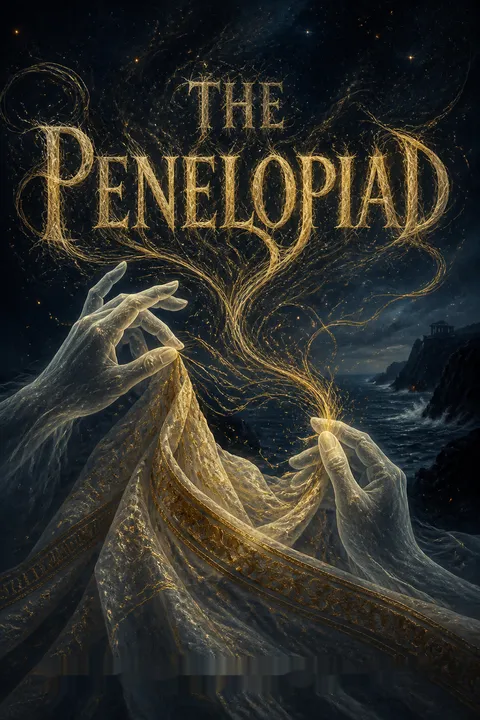
To postpone remarriage, Penelope claims she must finish weaving a shroud for her father-in-law. Each night, she secretly unravels her day's work, aided by her twelve trusted maids. This act of subterfuge sustains her hope and agency, but it also exposes the maids to danger. When the ruse is discovered, Penelope is forced to promise a decision, and the maids' loyalty becomes a liability. The shroud becomes a symbol of female ingenuity and the costs of survival in a patriarchal world.
Maids as Spies, Maids as Scapegoats
Penelope instructs her maids to spy on the suitors, using flirtation and feigned disloyalty to gather information. Some are raped, others seduced, and all are tainted by association. Their ambiguous position—serving both Penelope and the suitors—makes them vulnerable to suspicion and retribution. When Odysseus returns, their actions are interpreted as betrayal, and they are marked for punishment. The maids' fate is sealed by the very loyalty and resourcefulness that Penelope once valued, highlighting the dangers of being caught between competing powers.
Telemachus Grows, Motherhood Tested
As Telemachus matures, he challenges Penelope's authority and resents her inability to resolve the crisis. Their relationship is strained by mutual disappointment and the pressures of inheritance and succession. Telemachus's journey to seek news of Odysseus is both a rite of passage and a rejection of his mother's control. Penelope's grief and anxiety are compounded by her son's recklessness and the suitors' plots against him. The generational conflict mirrors the larger struggles for power and survival within the household.
Rumors, Dreams, and Despair
Bombarded by rumors of Odysseus's adventures and infidelities, Penelope is tormented by uncertainty and jealousy. Her dreams are haunted by images of loss, betrayal, and violence. The maids' songs offer a bittersweet escape, imagining a world of beauty and freedom denied to them in life. Penelope's faith in the gods wavers, and her prayers go unanswered. The emotional toll of waiting, doubting, and enduring becomes almost unbearable, pushing her to the brink of despair.
Odysseus Returns in Disguise
Odysseus finally returns to Ithaca, disguised as a beggar to assess the situation and plot his revenge. Penelope recognizes him but plays along, testing his identity and intentions. The reunion is fraught with tension, deception, and unspoken knowledge. Penelope's cleverness matches Odysseus's, and their interactions are a dance of mutual recognition and concealment. The stage is set for the climactic confrontation with the suitors and the reckoning that will follow.
The Bow, the Blood, the Betrayal
Odysseus reveals himself by stringing his unique bow and slaughtering the suitors with Telemachus's help. The violence is swift and total, restoring Odysseus's authority but at a terrible cost. The twelve maids are forced to clean the carnage and are then executed—hanged as traitors for their supposed disloyalty. Penelope is devastated, realizing too late that her own orders and the ambiguities of survival have doomed the girls she loved. The triumph of justice is tainted by the injustice done to the powerless.
The Hanging of the Maids
The execution of the maids is recounted with horror and regret. Their deaths are both a ritual cleansing and a scapegoating, meant to restore order but leaving a stain that cannot be erased. Penelope mourns them, recognizing her complicity and the limits of her power. The maids' chorus transforms their suffering into accusation, demanding to be remembered not as symbols or scapegoats, but as real girls with real pain. Their voices haunt Odysseus and Penelope, refusing to be silenced.
Aftermath: Guilt and Ghosts
In the aftermath, Penelope and Odysseus are reunited, but their happiness is shadowed by the bloodshed and the unresolved fate of the maids. Penelope's heart is hardened by necessity, but she cannot escape the sense of loss and responsibility. The couple's mutual storytelling becomes a way to cope, to justify, and to forgive, but the ghosts of the past linger. The cycle of violence and blame continues, echoing through generations and afterlives.
The Chorus Demands Justice
In a mock trial, the maids confront Odysseus and the gods, demanding justice for their deaths. Their case is dismissed as a product of different times and values, but they refuse to accept this verdict. The maids invoke the Furies, calling for vengeance and remembrance. Their chorus becomes a force that haunts Odysseus across lifetimes, a reminder that the wrongs of the past cannot be so easily absolved. The boundaries between myth, history, and justice blur.
Hades: Cycles of Memory and Blame
In the underworld, Penelope, Odysseus, Helen, and the maids relive their stories, unable to escape the patterns of memory, guilt, and longing. Penelope refuses the waters of forgetfulness, unwilling to risk a worse fate in another life. Odysseus is restless, pursued by the maids' accusations and his own need for adventure. Helen remains unchanged, still the center of attention. The maids, transformed into owls, continue to follow, their voices a persistent demand for recognition and justice. The story ends not with closure, but with the unresolved echoes of the past.
Analysis
A feminist reimagining of myth and memory
The Penelopiad is Margaret Atwood's bold retelling of the Odyssey, centering the voices of women silenced or scapegoated by history. Through Penelope's sardonic, self-aware narration and the haunting chorus of the twelve hanged maids, Atwood exposes the costs of survival, the ambiguities of agency, and the violence embedded in patriarchal systems. The novel interrogates the nature of storytelling itself—who gets to speak, whose suffering is remembered, and how myths are used to justify power. By weaving together humor, irony, and tragedy, Atwood challenges readers to reconsider familiar narratives and to recognize the humanity of those relegated to the margins. The Penelopiad is both a lament and a call to justice, insisting that the stories of the powerless matter, and that the past's unresolved wrongs continue to echo in the present.
Review Summary
The Penelopiad retells Homer's Odyssey from Penelope's perspective, focusing on the twelve maids murdered by Odysseus upon his return. Reviewers praise Atwood's witty, feminist reimagining that gives voice to silenced women, with the maids functioning as a Greek chorus throughout. The narrative examines class, gender, and power dynamics while portraying Penelope as intelligent and sarcastic rather than merely faithful. Some found it brilliant and thought-provoking, particularly the chorus sections, though others felt it read more like a postscript than a standalone story. Most agreed knowledge of the original myth enhances appreciation of Atwood's subversive, darkly humorous approach.
People Also Read





Characters
Penelope
Penelope is the central voice of the novel, narrating from the afterlife with wit, irony, and deep sorrow. As Odysseus's wife, she is famed for her fidelity and intelligence, but Atwood's Penelope is more complex: skeptical, self-reliant, and burdened by regret. Her childhood trauma, arranged marriage, and years of waiting shape her into a survivor who uses cunning to navigate a world ruled by men. Yet her cleverness cannot save the maids, and she is haunted by their deaths, questioning her own complicity. Penelope's relationship with Odysseus is marked by mutual deception and affection, while her rivalry with Helen exposes the costs of being a symbol rather than a person. In death, she seeks to reclaim her story and mourn those silenced by history.
Odysseus
Odysseus is both Penelope's husband and her foil—a man celebrated for his cunning, storytelling, and survival skills. He is charming, persuasive, and ruthless, able to win contests and outwit enemies, but also prone to self-serving lies and betrayals. His absence defines Penelope's life, and his return brings both relief and devastation. Odysseus's need for adventure and recognition often outweighs his loyalty, and his actions—especially the execution of the maids—reveal the darker side of heroism. In the afterlife, he is restless, pursued by guilt and the unresolved demands of those he wronged.
The Twelve Maids
The twelve hanged maids are both individuals and a collective voice, serving as a Greek chorus that comments on the action, exposes injustices, and demands to be remembered. Their lives are marked by exploitation, sexual violence, and disposability. Loyal to Penelope, they become scapegoats for the crimes and anxieties of their masters. In death, they refuse to be silenced, haunting Odysseus and Penelope and insisting on the reality of their suffering. Their chorus is by turns mournful, angry, and satirical, challenging the official narratives of myth and history.
Helen
Helen, Penelope's cousin, is the catalyst for the Trojan War and a symbol of the power and danger of beauty. She is vain, manipulative, and largely indifferent to the suffering she causes. Her rivalry with Penelope is both personal and symbolic, contrasting beauty with cleverness, agency with victimhood. In the afterlife, Helen remains unchanged, still attracting attention and dismissing guilt. She embodies the double-edged nature of female power in a patriarchal world.
Telemachus
Telemachus is Penelope and Odysseus's son, caught between childhood and adulthood, loyalty and rebellion. He resents his mother's authority and the suitors' intrusion, seeking to assert himself by searching for his father. His journey is both a rite of passage and a rejection of maternal control. Telemachus's actions contribute to the tragedy of the maids, and his relationship with Penelope is marked by misunderstanding and generational conflict.
Eurycleia
Eurycleia is Odysseus's old nurse and a powerful presence in the household. She is fiercely loyal to Odysseus and Telemachus, often undermining Penelope's authority. Eurycleia's actions—especially her role in identifying the "disloyal" maids—are motivated by a desire to maintain order and her own position. She represents the internalized values of the patriarchal system, enforcing its rules even at the cost of compassion.
King Icarius
King Icarius is Penelope's father, whose attempt to drown her as a child leaves a lasting mark. His actions are driven by self-interest and superstition, and his later affection is tinged with guilt. Icarius embodies the dangers of parental power and the precariousness of female survival in a world where daughters are bargaining chips.
The Suitors
The suitors are a collective antagonist, consuming Odysseus's estate and threatening Penelope's autonomy. They are depicted as greedy, disrespectful, and violent, more interested in wealth and power than in love. Their abuse of the maids and their disregard for Penelope's agency set the stage for their eventual slaughter.
Melantho of the Pretty Cheeks
Melantho is one of the twelve maids, notable for her beauty and boldness. She is both a victim and a survivor, using wit and flirtation to navigate her precarious position. Her fate exemplifies the dangers faced by women who transgress or are perceived to transgress social boundaries.
Anticleia
Anticleia is Penelope's mother-in-law, a figure of authority and disapproval. She is emotionally distant, critical of Penelope, and emblematic of the older generation's values. Her death marks a turning point in Penelope's isolation and responsibility.
Plot Devices
Dual Narration: Penelope and the Maids
The novel alternates between Penelope's first-person narrative and the choral interludes of the twelve maids. This structure allows for multiple perspectives on the same events, exposing the gaps and contradictions in the official story. The maids' chorus uses song, satire, and direct address to challenge Penelope's account and demand recognition. This device foregrounds the subjectivity of memory and the politics of storytelling, inviting the reader to question whose voices are heard and whose are silenced.
Retelling and Reinterpretation of Myth
Atwood reimagines Homer's Odyssey from the perspective of those marginalized or erased by the original epic. By giving Penelope and the maids agency as narrators, the novel interrogates the gendered and class-based assumptions of myth. The use of anachronism, irony, and metafictional commentary destabilizes the authority of the "official" version and highlights the constructed nature of all stories.
Symbolism: Weaving, Shroud, and Hanging
Weaving is both Penelope's tool of resistance and a symbol of the creative and destructive power of women. The shroud represents the tension between duty and self-preservation, while the hanging of the maids becomes a ritualized scapegoating that exposes the violence underlying social order. The recurring imagery of ropes, threads, and knots underscores the entanglements of fate, guilt, and complicity.
Chorus as Greek Tragedy Device
The maids' chorus draws on the tradition of Greek tragedy, serving as both witnesses and commentators. Their songs and skits provide comic relief, social critique, and emotional depth, transforming them from passive victims into active participants in the narrative. Their demand for justice transcends the boundaries of the story, implicating readers and reminding us of the costs of forgetting.
Irony and Metafiction
Penelope's narrative is laced with irony, self-doubt, and direct address to the reader. She acknowledges the limitations of her knowledge, the unreliability of memory, and the ways in which her story has been shaped by others. The novel's metafictional elements—mock trials, lectures, and asides—invite readers to reflect on the nature of myth, history, and justice.
About the Author




Download PDF
Download EPUB
.epub digital book format is ideal for reading ebooks on phones, tablets, and e-readers.








































