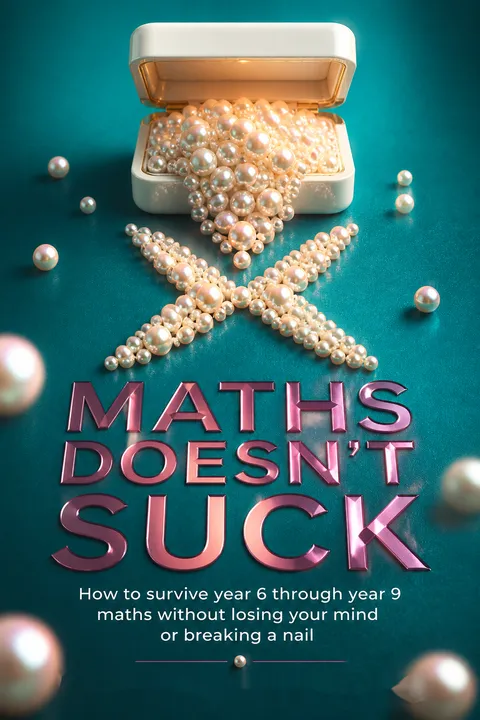

نکات کلیدی
1. ریاضیات زبانی جهانی که به شما قدرت میبخشد
افراد بیشتری "ریاضی صحبت میکنند" تا هر زبان دیگری در جهان.
ریاضیات همه جا هست. از تخفیفهای خرید تا تنظیمات دستور پخت، ریاضیات در زندگی روزمره ما نفوذ کرده است. این فقط درباره اعداد نیست؛ بلکه درباره منطق، حل مسئله و تفکر انتقادی است. این مهارتها در هر شغل یا موقعیت زندگی بیقیمت هستند.
ارتباط جهانی. ریاضیات از موانع زبانی فراتر میرود. چه در نیویورک، پاریس یا توکیو باشید، نمادها و مفاهیم ریاضی یکسان باقی میمانند. این جهانی بودن، ریاضیات را به ابزاری قدرتمند برای ارتباط و درک جهانی تبدیل میکند.
قدرت از طریق دانش. تسلط بر ریاضیات اعتماد به نفس و استقلال را میسازد. این به شما اجازه میدهد:
- تصمیمات مالی آگاهانه بگیرید
- دادهها را درک و تفسیر کنید
- مسائل پیچیده را در زمینههای مختلف حل کنید
- مهارتهای تفکر منطقی را توسعه دهید
2. کسرها مانند برشهای پیتزا: عملی و خوشمزه
کسرها فقط کسرهایی با مخرج 100 هستند. همین!
تصویریسازی کلید است. فکر کردن به کسرها به عنوان برشهای پیتزا آنها را ملموستر و کمتر ترسناک میکند. همانطور که میتوانید یک پیتزا را به تعداد مختلفی از برشها تقسیم کنید، میتوانید مقادیر مختلفی را با کسرها نشان دهید.
کاربردهای دنیای واقعی. کسرها در موارد زیر حیاتی هستند:
- آشپزی و پخت (مثلاً 3/4 فنجان آرد)
- اندازهگیریها (مثلاً 1/2 اینچ)
- زمان (مثلاً 1/4 ساعت)
- احتمال (مثلاً 1/6 احتمال برای انداختن یک عدد خاص روی تاس)
سادهسازی و معادلسازی. درک اینکه کسرها میتوانند ساده شوند و کسرهای مختلف میتوانند همان مقدار را نشان دهند (مثلاً 1/2 = 2/4 = 3/6) برای کار با کسرها به طور مؤثر ضروری است.
3. اعشار و درصدها: ابزارهای ضروری برای خریداران هوشمند
رفت و برگشت بین درصدها و اعشار عمدتاً بسیار آسان است.
ارتباط اعشار-درصد. اعشار و درصد دو روش برای بیان یک مفهوم هستند. تبدیل بین آنها ساده است:
- برای تبدیل درصد به اعشار، نقطه اعشار را دو مکان به چپ ببرید
- برای تبدیل اعشار به درصد، نقطه اعشار را دو مکان به راست ببرید و نماد % را اضافه کنید
کاربردهای عملی. درک اعشار و درصد برای موارد زیر حیاتی است:
- محاسبه تخفیفها (مثلاً 30% تخفیف)
- مقایسه قیمتها (مثلاً قیمت واحد)
- درک مفاهیم مالی (مثلاً نرخ بهره)
- تفسیر دادهها و آمار
میانبرهای ریاضی ذهنی. آشنایی با معادلهای رایج اعشار-درصد (مثلاً 0.5 = 50%، 0.25 = 25%) میتواند محاسبات ذهنی سریعتر را در موقعیتهای روزمره آسانتر کند.
4. نسبتها و تناسبها: کلید درک روابط
نسبت فقط مقایسه دو عدد یا مقدار است که به همان واحدها یا اصطلاحات بیان میشود.
مقایسه مقادیر. نسبتها به ما اجازه میدهند روابط بین مقادیر را بیان کنیم، مانند:
- مواد در یک دستور پخت (مثلاً 2 قسمت آب به 1 قسمت قهوه)
- مقیاس در نقشهها (مثلاً 1 اینچ نشاندهنده 100 مایل)
- احتمالات (مثلاً 3 از 5 احتمال)
تفکر تناسبی. تناسبها به ما کمک میکنند بفهمیم چگونه مقادیر در رابطه با یکدیگر تغییر میکنند. این در موارد زیر مفید است:
- تغییر اندازه دستور پختها
- درک مدلهای مقیاس
- حل مسائل کلمهای که شامل اشکال مشابه هستند
کاربردهای دنیای واقعی. نسبتها و تناسبها در زمینههای مختلف استفاده میشوند:
- معماری و مهندسی (مثلاً طراحی سازه)
- مالی (مثلاً نرخهای ارز)
- شیمی (مثلاً غلظت محلولها)
- هنر (مثلاً ترکیب رنگ)
5. جبر: حل برای x رمزگشایی شد
به x به عنوان یک جعبه یا کیسهای از مرواریدها فکر کنید—در واقع، میتوانید به جای xها "جعبهها" را در معادله قرار دهید، اگر ترجیح میدهید.
متغیرها به عنوان جایگزینها. جبر متغیرها (مانند x) را معرفی میکند تا مقادیر ناشناخته را نشان دهد. این به ما اجازه میدهد مسائل با اطلاعات ناقص را حل کنیم.
حل مسئله گام به گام. حل معادلات جبری شامل موارد زیر است:
- جدا کردن متغیر در یک طرف معادله
- انجام همان عملیات در هر دو طرف برای حفظ تعادل
- سادهسازی تا زمانی که مقدار متغیر را پیدا کنید
کاربردهای عملی. جبر در موارد زیر استفاده میشود:
- برنامهریزی مالی (مثلاً محاسبه بهره)
- فیزیک (مثلاً معادلات حرکت)
- برنامهنویسی کامپیوتر (مثلاً الگوریتمها)
- حل مسئله در زمینههای مختلف
6. مسائل کلمهای: ترجمه انگلیسی به ریاضی
حل مسائل کلمهای با استفاده از جبر مانند حل سایر مسائل کلمهای است، به این معنا که باید از انگلیسی به ریاضی "ترجمه" کنید.
شکستن مسئله. به مسائل کلمهای به صورت سیستماتیک نزدیک شوید:
- اطلاعات شناخته شده و ناشناخته را شناسایی کنید
- متغیرهای مناسب را برای نشان دادن ناشناختهها انتخاب کنید
- مسئله را به معادلات ریاضی ترجمه کنید
- معادلات را حل کنید
- بررسی کنید که آیا راهحل در زمینه مسئله منطقی است
کلمات و عبارات کلیدی. به دنبال کلمات خاصی باشید که عملیات ریاضی را نشان میدهند:
- "از" اغلب به معنای ضرب است
- "در هر" معمولاً نشاندهنده تقسیم است
- "بیشتر از" یا "کمتر از" نشاندهنده جمع یا تفریق است
تکنیکهای تصویریسازی. رسم نمودارها یا استفاده از کمکهای بصری میتواند به روشن کردن روابط بین مقادیر در مسائل کلمهای کمک کند.
7. اعتماد به نفس و پشتکار برای موفقیت در ریاضی حیاتی هستند
تفاوت بین کسانی که موفق میشوند و کسانی که نمیشوند این نیست که آیا احساس ترس میکنند یا نه. بلکه این است که چگونه با ترس برخورد میکنند.
ذهنیت مهم است. نزدیک شدن به ریاضی با نگرش مثبت میتواند به طور قابل توجهی بر موفقیت شما تأثیر بگذارد. به توانایی خود برای یادگیری و بهبود باور داشته باشید.
چالشها را بپذیرید. مسائل دشوار را به عنوان فرصتهایی برای رشد و تقویت مهارتهای خود ببینید. هر مسئلهای که حل میکنید اعتماد به نفس و تخصص شما را میسازد.
استراتژیهای موفقیت:
- مسائل پیچیده را به مراحل کوچکتر و قابل مدیریت تقسیم کنید
- به طور منظم تمرین کنید تا مفاهیم را تقویت کنید
- در صورت نیاز کمک بگیرید (از معلمان، مربیان یا همسالان)
- از منابعی مانند کتابهای درسی، آموزشهای آنلاین و گروههای مطالعه استفاده کنید
- پیشرفت و دستاوردهای خود را جشن بگیرید
به یاد داشته باشید، همه گاهی با ریاضی دست و پنجه نرم میکنند. پایداری و تمایل به یادگیری از اشتباهات کلید غلبه بر چالشها و توسعه مهارتهای قوی ریاضی هستند.
خلاصه نقدها
کتاب ریاضیات ترسناک نیست عمدتاً نظرات مثبتی دریافت کرده است و خوانندگان به رویکرد قابل دسترس آن در توضیح مفاهیم ریاضی اشاره میکنند. بسیاری از آن به عنوان منبعی مفید برای دختران دبیرستانی، یادگیرندگان بزرگسال و معلمان ریاضی یاد میکنند. سبک دخترانهی کتاب هم مورد تحسین و هم انتقاد قرار گرفته است. منتقدان بر توضیحات واضح، مثالهای واقعی و محتوای تقویتکنندهی اعتماد به نفس آن تأکید میکنند. برخی اشاره میکنند که این کتاب بیشتر برای مرور مباحث پایهای ریاضی مناسب است تا موضوعات پیشرفته. بهطور کلی، خوانندگان از توانایی مککلر در کاهش ترس از ریاضیات و قابل ارتباطتر کردن آن قدردانی میکنند، هرچند که برخی رویکرد جنسیتی آن را غیرضروری میدانند.
سؤالات متداول
What is Math Doesn't Suck by Danica McKellar about?
- Middle-school math focus: The book is a comprehensive guide for middle-school girls to understand and excel in math topics like fractions, decimals, percentages, ratios, and introductory algebra.
- Empowerment and confidence: Danica McKellar aims to break math stereotypes, especially for girls, and shows how math builds confidence and sharpens the mind.
- Engaging and relatable style: The author uses real-life examples, humor, testimonials, and quizzes to make math approachable and fun.
- Practical learning tools: The book offers troubleshooting guides, step-by-step explanations, and motivational advice to support different learning styles and real-life applications.
Why should I read Math Doesn't Suck by Danica McKellar?
- Breaks down math anxiety: The book addresses common fears and misconceptions about math, encouraging readers to embrace challenges and develop a positive mindset.
- Builds lasting confidence: Danica emphasizes that intelligence and math skills are lasting assets, more valuable than beauty or fame, and shares her own journey from math fear to success.
- Practical strategies and tools: Readers get clear, step-by-step methods for tricky topics, making it a valuable resource for homework, tests, and everyday math.
- Motivational and supportive: The book includes testimonials, personal stories, and advice on learning styles and study habits to keep readers motivated.
What are the key takeaways from Math Doesn't Suck by Danica McKellar?
- Math is for everyone: The book challenges stereotypes and encourages girls to see themselves as capable mathematicians.
- Step-by-step problem solving: It provides clear methods for understanding and solving math problems, making complex topics accessible.
- Confidence through practice: Consistent practice and a positive mindset are emphasized as keys to overcoming math anxiety and building confidence.
- Real-life relevance: Math skills are shown to be useful not just in school, but in everyday life and future careers.
What are the best quotes from Math Doesn't Suck by Danica McKellar and what do they mean?
- “Maths keeps your brain energized. And smart people can do a lot more with their lives than people who don’t exercise their brain.” —Geena, 12. This highlights the importance of using math to unlock your potential.
- “Being smart is something no one can ever take away from you.” —Jessica Tan. Intelligence is a lasting asset that empowers life choices.
- “Maths isn’t easy for anyone. It takes time and persistence to understand this stuff, so don’t give up on yourself just because you might feel frustrated.” Encourages perseverance and patience in learning math.
- “Maths really is power, and freedom.” Emphasizes that mastering math opens doors to opportunities and independence.
How does Danica McKellar explain factors, multiples, and prime factorization in Math Doesn't Suck?
- Prime numbers as "monkeys": Prime numbers are likened to monkeys swinging on the lowest branches of factor trees, making the concept memorable and fun.
- Factor trees method: The book teaches breaking down numbers into their prime factors using factor trees, ensuring the same prime factors are found regardless of the starting point.
- Divisibility tricks: Danica provides divisibility rules for numbers like 2, 3, 4, 5, 6, 8, 9, and 10 to quickly identify factors and speed up prime factorization.
- Practical application: These methods help students understand the building blocks of numbers and prepare for more advanced math topics.
What methods does Math Doesn't Suck by Danica McKellar teach for finding the Highest Common Factor (HCF) and Lowest Common Multiple (LCM)?
- Highest Crush Factor method: List all factors of both numbers, underline common ones, and pick the largest; best for small numbers.
- Multiplying Monkeys method: Use factor trees to find prime factors, underline common ones (including repeats), and multiply them for the HCF.
- Birthday Cake method: Write numbers side-by-side, divide by common factors layer by layer, and multiply the side numbers for the HCF; this is Danica’s favorite for larger numbers.
- LCM strategies: The book also covers finding the LCM using similar step-by-step approaches, making these concepts accessible and visual.
How does Math Doesn't Suck by Danica McKellar teach fractions, including operations and conversions?
- Understanding fractions: The book covers mixed numbers, improper fractions, equivalent fractions, and simplifying fractions with clear explanations.
- Adding and subtracting: It teaches finding the Lowest Common Denominator (LCD) using the LCM, and using "copycat fractions" to rewrite fractions with the same denominator before adding or subtracting.
- Multiplying and dividing: The book explains multiplying numerators and denominators directly, and for division, flipping the second fraction and multiplying.
- Converting between forms: Danica shows how to convert fractions to decimals (by dividing) and to percentages (by multiplying by 100), and vice versa.
What is the "Means and Extremes" method for simplifying complex fractions in Math Doesn't Suck by Danica McKellar?
- Complex fractions defined: These are fractions where the numerator and denominator are themselves fractions, often appearing tangled or complicated.
- Means and Extremes shortcut: Multiply the very top and very bottom numbers (extremes) for the new numerator, and the middle two numbers (means) for the new denominator, then simplify.
- Preparation step: Convert any mixed or whole numbers to improper fractions first, so the complex fraction is "tall and skinny" and ready for the shortcut.
- Simplification focus: This method streamlines what can otherwise be a confusing process, making it accessible for middle-schoolers.
How does Danica McKellar explain converting between decimals, fractions, and percentages in Math Doesn't Suck?
- Decimals to fractions: Count the digits after the decimal to set the denominator (10, 100, etc.), drop the decimal for the numerator, and simplify.
- Recurring decimals: For repeating decimals, use a denominator of 9s equal to the number of repeating digits, then simplify.
- Percentages to decimals and fractions: Drop the % sign and move the decimal two places left for decimals; write the percentage over 100 and simplify for fractions.
- Fractions to percentages: Divide numerator by denominator to get a decimal, then move the decimal two places right and add a % sign.
How does Math Doesn't Suck by Danica McKellar teach ratios, rates, and proportions?
- Ratios explained: Ratios compare two quantities with the same units and can be written as fractions, with colons, or in words; always simplify.
- Rates and unit rates: Rates compare quantities with different units (like miles per hour), and unit rates have a denominator of 1.
- Proportions as equivalent ratios: Proportions state that two ratios are equal, and the book teaches solving them using cross multiplication.
- Real-life examples: Danica uses relatable scenarios to help readers understand and apply these concepts in everyday situations.
What advice does Danica McKellar give in Math Doesn't Suck for overcoming math anxiety and building confidence?
- Recognize common feelings: The book normalizes feelings of fear, frustration, or confusion about math, showing that many students experience them.
- Positive mindset and practice: Danica encourages pretending enthusiasm, facing fear competitively, and practicing regularly to build confidence.
- Relaxation and test tips: She suggests skimming tests first, tackling easy problems, and using calming mental images or songs to reduce anxiety.
- Seek help and use resources: The author advises asking teachers or friends for help and using the book’s troubleshooting guide and website for extra support.
What learning styles and study tips does Math Doesn't Suck by Danica McKellar address?
- Auditory learners: Benefit from reading problems aloud, recording notes, and creating songs or dialogues to remember concepts.
- Visual learners: Prefer color-coding notes, making index cards, and rewriting key points to create mental images.
- Tactile/kinesthetic learners: Learn best through hands-on activities, acting out concepts, and using movement while studying.
- Personalized strategies: The book encourages readers to identify their learning style and use tailored study techniques for better understanding and retention.
دانلود PDF
دانلود EPUB
.epub digital book format is ideal for reading ebooks on phones, tablets, and e-readers.








































