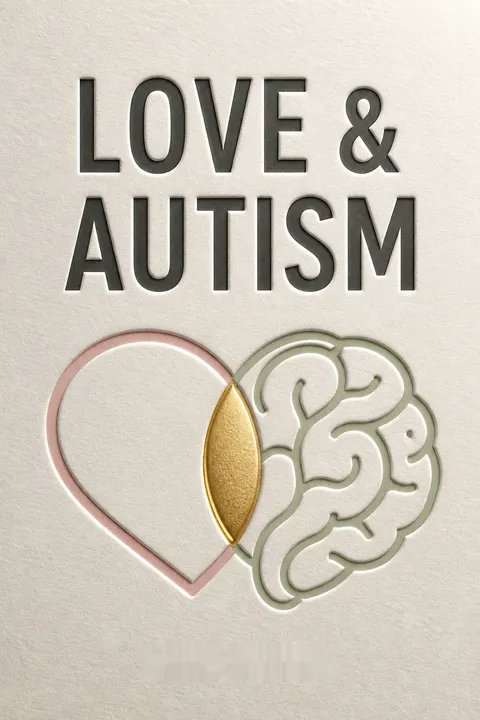

نکات کلیدی
1. اوتیسم یک نوع عصبی است، نه یک اختلال: پذیرش تنوع عصبی
"من اوتیسم را به عنوان یک عنصر ذاتی از هویتم میبینم، مشابه جنسیت، نژاد و گرایش جنسی."
تغییر دیدگاهها. اوتیسم یک بیماری یا اختلال نیست، بلکه یک روش متفاوت برای تجربه و تعامل با جهان است. این پارادایم تنوع عصبی به این نکته اشاره دارد که تفاوتهای عصبی، تغییرات طبیعی در زیستشناسی انسان هستند، مشابه تنوع در نژاد، جنسیت یا گرایش جنسی. پذیرش این دیدگاه به افراد اوتیستیک اجازه میدهد تا به جای تمرکز بر کمبودهای درک شده، نقاط قوت و دیدگاههای منحصر به فرد خود را جشن بگیرند.
به چالش کشیدن کلیشهها. کتاب تصورات غلط رایج درباره اوتیسم را از بین میبرد، مانند این باور که افراد اوتیستیک فاقد همدلی هستند یا همه نابغهاند. در عوض، طیف گستردهای از تجربیات و تواناییهای اوتیستیک را برجسته میکند. با به اشتراک گذاشتن داستانهای شخصی و دیدگاههای افراد اوتیستیک، نویسنده نشان میدهد که اوتیسم در هر فرد به شکلی متفاوت ظاهر میشود و رویکردهای یکسان برای درک و حمایت را به چالش میکشد.
2. نقابگذاری و فرسودگی: مبارزات پنهان افراد اوتیستیک
"نقابگذاری زمانی است که افراد اوتیستیک، چه به صورت آگاهانه و چه ناخودآگاه، ویژگیهای اوتیستیک خود را پنهان یا کمرنگ میکنند تا در جهان جا بیفتند."
هزینه جا افتادن. نقابگذاری یا پنهان کردن ویژگیهای اوتیستیک برای ظاهر شدن به عنوان "عادی"، یک عمل رایج اما خستهکننده برای بسیاری از افراد اوتیستیک است. این تلاش مداوم برای تطابق با انتظارات نوروتیپیکال میتواند منجر به:
- خستگی عاطفی
- از دست دادن حس خود
- افزایش اضطراب و افسردگی
- دشواری در ایجاد روابط اصیل
شناخت فرسودگی. فرسودگی اوتیستیک حالتی از خستگی جسمی و ذهنی است که میتواند ناشی از نقابگذاری طولانیمدت و استرس تجمعی ناشی از پیمایش در جهانی که برای ذهنهای نورودایورجنت طراحی نشده است، باشد. نشانههای فرسودگی ممکن است شامل موارد زیر باشد:
- افزایش دشواری در انجام وظایف روزانه
- از دست دادن مهارتها یا تواناییهایی که قبلاً تسلط داشتهاند
- حساسیتهای حسی افزایشیافته
- کنارهگیری از تعاملات اجتماعی
درک و پرداختن به نقابگذاری و فرسودگی برای حمایت از رفاه و اصالت افراد اوتیستیک بسیار مهم است.
3. روابط و ارتباطات: پیمایش عشق به عنوان یک فرد اوتیستیک
"عشق به اشکال و اندازههای مختلف میآید و من میخواهم درباره همه آنها بدانم."
بیانهای متنوع عشق. افراد اوتیستیک عشق را به روشهای منحصر به فردی تجربه و ابراز میکنند که ممکن است با انتظارات نوروتیپیکال متفاوت باشد. کتاب به بررسی اشکال مختلف عشق میپردازد، از جمله:
- روابط عاشقانه
- دوستیها
- روابط خانوادگی
- عشق به خود و پذیرش
چالشها و استراتژیهای ارتباطی. افراد اوتیستیک ممکن است با نشانههای اجتماعی سنتی و انتظارات نانوشته در روابط دچار مشکل شوند. نویسنده بر اهمیت ارتباط مستقیم و درک متقابل بین شرکای اوتیستیک و نوروتیپیکال تأکید میکند. استراتژیهای موفقیت در روابط شامل موارد زیر است:
- بحثهای صریح درباره نیازها و مرزها
- پذیرش سبکهای ارتباطی متفاوت
- پذیرش روشهای نورودایورجنت برای نشان دادن محبت (مثلاً به اشتراک گذاشتن علایق خاص)
- شناخت ارزش "بازی موازی" یا تنها بودن با هم
با پرورش گفتگوی باز و پذیرش تنوع عصبی در روابط، هم افراد اوتیستیک و هم نوروتیپیکال میتوانند ارتباطات عمیقتر و اصیلتری بسازند.
4. تجربیات حسی: دنیای شدید اوتیسم
"افراد اوتیستیک تجربیات حسی دارند که با تجربیات افراد غیر اوتیستیک متفاوت است و میتوانند بیشحساس (بسیار حساس) یا کمحساس (تجربه کمتر حسها) یا هر دو باشند."
ادراکات افزایشیافته. بسیاری از افراد اوتیستیک ورودی حسی را به شدت بیشتری نسبت به افراد نوروتیپیکال تجربه میکنند. این میتواند منجر به:
- واکنشهای شدید به صداها، نورها، بافتها یا بوها
- دشواری در فیلتر کردن محرکهای پسزمینه
- رفتارهای جستجوی حسی برای تنظیم سیستم عصبی خود
استراتژیهای مقابله. کتاب به بررسی روشهای مختلفی میپردازد که افراد اوتیستیک تجربیات حسی خود را مدیریت میکنند:
- ایجاد محیطهای دوستدار حسی
- استفاده از ابزارهایی مانند هدفونهای حذف نویز یا پتوهای وزنی
- درگیر شدن در رفتارهای خودتحریکی برای خودتنظیمی
- جستجوی تجربیات حسی لذتبخش برای آرامش و شادی
درک و تطبیق با تفاوتهای حسی برای ایجاد فضاهای فراگیر و حمایت از رفاه افراد اوتیستیک بسیار مهم است.
5. اوتیسم در زنان و دختران: شکستن کلیشهها و موانع
"در حالی که کارهایی برای از بین بردن تصورات غلط در مورد اوتیسم در رابطه با جنسیت، فرهنگ و قومیت انجام شده و میشود، هنوز این باور رایج است که اوتیسم به یک شکل خاص ظاهر میشود."
تشخیص نادرست و عدم تشخیص. اوتیسم در زنان و دختران اغلب به دلیل:
- تعصب تاریخی در تحقیقات اوتیسم که بر روی مردان متمرکز بوده است
- تجلیات متفاوت ویژگیهای اوتیستیک در زنان
- نرخ بالاتر نقابگذاری یا رفتارهای پنهانسازی
چالشهای منحصر به فرد. کتاب به مسائل خاصی که زنان و دختران اوتیستیک با آنها مواجه هستند، میپردازد:
- دشواری با انتظارات اجتماعی و نقشهای جنسیتی
- آسیبپذیری بیشتر در برابر مسائل روانی و سوءاستفاده
- مبارزه با قاعدگی و جنبههای حسی زنانگی
- پیمایش روابط عاشقانه و جنسی
با افزایش آگاهی از این مسائل، نویسنده هدف دارد تا نرخ تشخیص و حمایت از زنان اوتیستیک را بهبود بخشد و کلیشههای محدود درباره اینکه اوتیسم "چگونه به نظر میرسد" را به چالش بکشد.
6. خودشناسی و هویت: سفر به تشخیص اوتیسم
"دریافت تشخیص اوتیسم در بیست سالگی به من کانالی برای تنظیم داد. به من افراد، جامعهای در انتهای دنیایم داد و به من امیدی با مکانی جدید برای شروع داد."
تشخیص در زندگی دیرهنگام. بسیاری از افراد اوتیستیک، به ویژه زنان و کسانی که دارای هوش متوسط یا بالا هستند، تشخیص خود را در مراحل بعدی زندگی دریافت میکنند. این فرآیند خودشناسی میتواند:
- روشنگر باشد: ارائه زمینهای برای مبارزات و تفاوتهای طولانیمدت
- احساسی باشد: ایجاد ترکیبی از تسکین، غم و خوداندیشی
- تحولآفرین باشد: تغییر درک فرد از خود و تجربیات زندگی
ساختن هویت اوتیستیک مثبت. پس از تشخیص، افراد اغلب در سفری برای:
- ارتباط با جامعه اوتیستیک
- کنار گذاشتن نقاب و پذیرش ویژگیهای اصیل اوتیستیک
- بازنگری تجربیات گذشته از طریق لنز اوتیستیک
- دفاع از خود و دیگران
کتاب تأکید میکند که تشخیص پایان نیست، بلکه آغاز فصلی جدید در درک و پذیرش خود است.
7. والدین و اوتیسم: چالشها و شادیهای خانوادههای نورودایورجنت
"میخواهم او حمایت شود، پذیرفته شود و جشن گرفته شود. و زمانی که به عنوان یک مادر به طور شهودی احساس کنم که درمانگر آن را درک میکند، عالی است، میتوانیم ادامه دهیم."
پیمایش انتظارات. والدین اوتیستیک با چالشهای منحصر به فردی در تربیت فرزندان، چه اوتیستیک و چه نوروتیپیکال، مواجه هستند:
- تعادل نیازهای حسی خود با نیازهای والدین
- مقابله با عدم پیشبینیپذیری زندگی خانوادگی
- دفاع از نیازهای فرزندانشان در محیطهای آموزشی و اجتماعی
رویکرد مبتنی بر نقاط قوت. کتاب رویکردی مثبت و تأییدکننده تنوع عصبی برای تربیت فرزندان اوتیستیک ترویج میکند:
- تمرکز بر نقاط قوت و علایق کودک به جای کمبودها
- تطبیق محیط با نیازهای حسی کودک
- پرورش ارتباط باز درباره اوتیسم و تنوع عصبی
- جشن گرفتن شادی اوتیستیک و دیدگاههای منحصر به فرد
با پذیرش تنوع عصبی در خانوادهها، والدین میتوانند محیطهای حمایتی ایجاد کنند که به هر دو عضو خانواده اوتیستیک و نوروتیپیکال اجازه میدهد تا شکوفا شوند.
8. حمایت و توانمندسازی: یافتن قدرت در جامعه اوتیستیک
"میخواهم دامنه درک مردم از اوتیسم را گسترش دهم."
تغییر روایت. خودحمایتی اوتیستیک برای:
- به چالش کشیدن کلیشهها و تصورات غلط مضر
- ترویج رویکردهای تأییدکننده تنوع عصبی در آموزش، بهداشت و جامعه
- توانمندسازی افراد اوتیستیک برای پذیرش خود اصیلشان
ساختن جامعه. کتاب بر اهمیت فضاها و ابتکارات رهبری شده توسط اوتیستیکها تأکید میکند:
- جوامع آنلاین و شبکههای اجتماعی
- سازمانها و گروههای حمایتی اداره شده توسط اوتیستیکها
- برنامههای راهنمایی که افراد اوتیستیک را به هم متصل میکند
- کنفرانسها و رویدادهایی که فرهنگ اوتیستیک را جشن میگیرند
از طریق حمایت و ساختن جامعه، افراد اوتیستیک در حال تغییر درک اجتماعی از اوتیسم و ایجاد محیطهای فراگیرتر برای شکوفایی افراد نورودایورجنت هستند.
خلاصه نقدها
کتاب عشق و اوتیسم به خاطر بررسی عمیق و صمیمانهاش از عشق در افراد دارای اوتیسم از طریق داستانهای پنج استرالیایی اوتیستیک مورد تحسین قرار گرفته است. خوانندگان به اصالت، فراگیری و جشن گرفتن اوتیسم به عنوان بخشی از تنوع انسانی در این کتاب ارج مینهند. بسیاری از آنها این کتاب را تأییدکننده و بینشزا مییابند و دیدگاهی تازه دربارهی اوتیسم فراتر از کلیشهها ارائه میدهد. این کتاب جنبههای مختلف عشق را شامل عشق به خود، خانواده و روابط بررسی میکند. در حالی که برخی از خوانندگان ساختار کتاب را چالشبرانگیز میدانند، اما بیشتر آنها این کتاب را به شدت برای افراد اوتیستیک و کسانی که به دنبال درک بهتر اوتیسم هستند، توصیه میکنند.
دیگران نیز خواندهاند
سؤالات متداول
1. What’s "Love & Autism" by Kay Kerr about?
- Explores Autistic Love Stories: The book is a narrative nonfiction that delves into the lives and relationships of five autistic Australians—Michael, Jess, Noor, Tim, and Chloë—showcasing the diversity of autistic experiences with love, friendship, and family.
- Celebrates Neurodivergent Perspectives: Kay Kerr, an autistic author herself, uses interviews, personal reflections, and essays to highlight the strengths, challenges, and joys of being autistic, especially in the context of relationships.
- Challenges Deficit Narratives: The book intentionally moves away from the traditional deficit-based view of autism, instead focusing on what autistic people bring to their relationships because of, not despite, their neurodivergence.
- Blends Memoir and Journalism: Kerr weaves her own story and insights with those of her interviewees, creating a tapestry of autistic voices and experiences.
2. Why should I read "Love & Autism" by Kay Kerr?
- Authentic Autistic Voices: The book centers lived experiences and first-person perspectives, offering a rare, honest look at autistic life and love from within the community.
- Educational and Empathetic: It provides valuable insights for autistic readers, their families, educators, and anyone interested in neurodiversity, helping to foster understanding and acceptance.
- Breaks Stereotypes: By sharing diverse stories, it dispels common myths about autism, such as the idea that autistic people lack empathy or cannot form meaningful relationships.
- Uplifting and Hopeful: The tone is celebratory and affirming, focusing on joy, resilience, and the many ways autistic people experience and express love.
3. Who are the main people featured in "Love & Autism" by Kay Kerr, and what are their stories?
- Michael: Known from "Love on the Spectrum," Michael is a passionate, empathetic man navigating dating, friendships, and family, while embracing his authentic self.
- Jess: Diagnosed as a child, Jess’s story covers her creative pursuits, struggles with bullying, coming out as gay, and building a life and relationship on her own terms.
- Noor: A Malaysian-Australian Muslim woman, Noor’s narrative explores migration, cultural expectations, trauma, mental health, and her journey to self-acceptance and motherhood.
- Tim: A non-speaking autistic man, Tim’s story highlights his advocacy, the challenges of communication, and the deep bond with his mother, Sarah, who helped him find his voice.
- Chloë: A young woman with strong self-awareness, Chloë’s journey includes navigating school, friendships, queer identity, and building a loving partnership with another neurodivergent person.
4. What are the key takeaways from "Love & Autism" by Kay Kerr?
- Autism Is Not a Deficit: The book reframes autism as a natural variation in human neurology, not something to be fixed or pitied.
- Love Takes Many Forms: Autistic people experience and express love in diverse, valid ways—romantic, platonic, familial, and self-love are all explored.
- Community and Acceptance Matter: Finding community and self-acceptance are crucial for autistic well-being; support and understanding from others can be transformative.
- Language and Labels Are Important: The book advocates for identity-first language ("autistic person") and challenges the use of functioning labels, emphasizing the harm they cause.
5. How does "Love & Autism" by Kay Kerr define and discuss key concepts like masking, empathy, and functioning labels?
- Masking: Refers to autistic people hiding or minimizing their traits to fit in; the book explains the emotional toll and exhaustion this causes, and the importance of unmasking for well-being.
- Empathy: Challenges the myth that autistic people lack empathy, distinguishing between cognitive and affective empathy, and introducing the "double empathy problem"—the idea that communication breakdowns are mutual, not one-sided.
- Functioning Labels: Critiques terms like "high-functioning" and "low-functioning," arguing they are reductive, stigmatizing, and fail to capture the dynamic, individual nature of support needs.
- Neurodiversity: Emphasizes that neurodiversity is a natural and valuable part of human variation, not a disorder.
6. What advice or insights does "Love & Autism" by Kay Kerr offer for autistic people and their families?
- Prioritize Support and Acceptance: Focus on meeting support needs and celebrating autistic identity, rather than trying to "normalize" or change autistic people.
- Value Different Communication Styles: Recognize and respect that autistic communication may differ from neurotypical norms, and that both are valid.
- Seek Community: Finding other autistic people and supportive spaces can be life-changing for both autistic individuals and their families.
- Advocate for Affirming Therapies: Be cautious of therapies aimed at compliance or masking; seek out neurodiversity-affirming professionals and approaches.
7. How does "Love & Autism" by Kay Kerr address intersectionality—such as culture, gender, and sexuality—in autistic experiences?
- Cultural Diversity: Noor’s story, among others, highlights how culture, migration, and religion intersect with autism, affecting diagnosis, acceptance, and self-understanding.
- Gender and Sexuality: The book discusses the underdiagnosis of women and gender-diverse people, and features queer autistic experiences, challenging the stereotype that autism is a "male" condition.
- Multiple Marginalizations: Explores how racism, ableism, and sexism compound challenges for autistic people of color, women, and LGBTQ+ individuals.
- Representation Matters: Emphasizes the need for more diverse autistic voices in media, research, and advocacy.
8. What are some of the most powerful quotes from "Love & Autism" by Kay Kerr, and what do they mean?
- "Love has always intrigued me, in part because I have carried for a long time a feeling that I am doing love wrong." – Reflects the central theme of questioning societal norms and finding one’s own way to love.
- "To diverge from what is typical is to develop interesting perspectives, unique ideas and new ways of thinking." – Celebrates neurodivergence as a source of creativity and insight.
- "There are no right or wrong brains, all forms of neurological development are equally valid, and equally valuable." (citing Jac den Houting) – Affirms the neurodiversity paradigm.
- "Loving yourself in a world that measures you by what you can’t do is a radical act." – Underscores the importance of self-acceptance and pride for autistic people.
9. How does "Love & Autism" by Kay Kerr challenge common stereotypes and misconceptions about autism?
- Debunks the Empathy Myth: Shows through lived experiences that autistic people often have deep empathy, sometimes even more so than neurotypicals.
- Rejects the "Tragic" Narrative: Refuses to frame autism as a tragedy or burden, instead highlighting joy, resilience, and achievement.
- Counters the "Male, Child, Math Genius" Stereotype: Features women, people of color, non-speaking individuals, and those with varied interests and abilities.
- Clarifies That Autism Is Lifelong: Emphasizes that autistic children become autistic adults, and that support and understanding are needed at all ages.
10. What role does language play in "Love & Autism" by Kay Kerr, and why is it important?
- Identity-First Language: Kerr and many contributors prefer "autistic person" over "person with autism," seeing autism as integral to identity.
- Rejects Deficit-Based Terms: Avoids terms like "disorder," "high/low functioning," and "ASD" outside of medical contexts, to reduce stigma.
- Explains Neurodivergent Terminology: Provides clear definitions for terms like "stimming," "meltdown," "shutdown," and "neurodiversity."
- Empowers Self-Description: Encourages people to use the language that feels right for them, and to respect others’ choices.
11. What practical strategies or methods does "Love & Autism" by Kay Kerr suggest for building affirming relationships and communities?
- Direct Communication: Encourages open, explicit communication about needs, boundaries, and feelings, rather than relying on subtext or mind-reading.
- Accommodate Sensory and Support Needs: Suggests practical adjustments—like meal planning, downtime, and sensory-friendly environments—to make relationships and family life work.
- Celebrate Special Interests: Recognizes the value of autistic passions and encourages sharing them as a form of connection and joy.
- Model Self-Advocacy and Boundaries: Shows the importance of advocating for oneself and teaching children to do the same, especially in the face of misunderstanding or ableism.
12. How does "Love & Autism" by Kay Kerr contribute to the broader conversation about neurodiversity and autistic pride?
- Centers Autistic Narratives: Adds to the growing body of work by autistic authors, prioritizing lived experience over outsider perspectives.
- Promotes Neurodiversity-Affirming Paradigms: Advocates for seeing autism as a valuable part of human diversity, not a problem to be solved.
- Encourages Societal Change: Calls for more inclusive, accessible, and accepting communities, workplaces, and schools.
- Inspires Self-Love and Community Pride: Aims to replace shame with pride, both for current and future generations of autistic people.
دانلود PDF
دانلود EPUB
.epub digital book format is ideal for reading ebooks on phones, tablets, and e-readers.








































