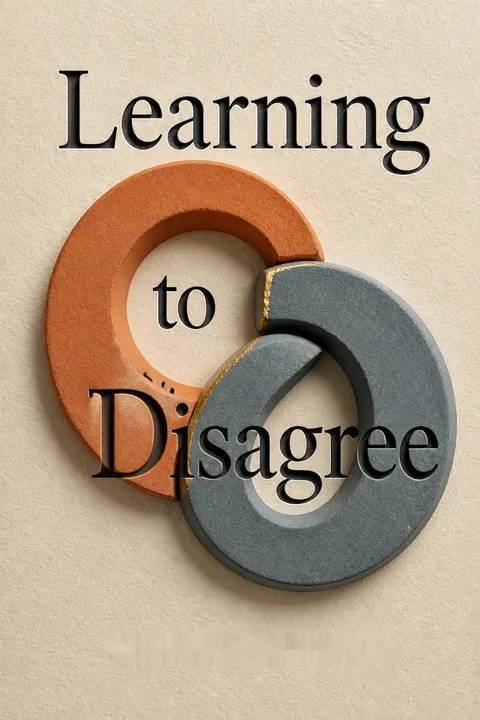

نکات کلیدی
1. همدلی: پایهای برای درک و اختلاف
همدلی به شما اجازه میدهد ببینید که افراد باهوش و نیکنیت نیز میتوانند استدلالهای نادرستی داشته باشند.
همدلی پلها را میسازد. این توانایی درک و به اشتراک گذاشتن احساسات دیگران است، حتی زمانی که تجربیات آنها به شدت با تجربیات ما متفاوت است. در دانشکده حقوق و در زندگی، همدلی به ما اجازه میدهد با دیدگاههای مختلف به طور معناداری درگیر شویم. این به معنای موافقت با همه نیست، بلکه به معنای شناخت انسانیت در کسانی است که با آنها اختلاف نظر داریم.
تمرین همدلی نیاز به تلاش دارد. این شامل:
- گوش دادن فعال بدون قضاوت فوری
- پذیرش محدودیتهای تجربیات خودمان
- تلاش برای درک زمینههای باورها و اعمال دیگران
- شناخت اینکه فرضیات اولیه ما درباره دیگران ممکن است نادرست باشد
همدلی به معنای رها کردن اعتقادات خودمان نیست. بلکه، درک ما را غنیتر میکند و توانایی ما را در بیان مؤثر مواضع خودمان تقویت میکند.
2. عدالت: تعامل پیچیدهای از تجربه و دیدگاه
گاهی اوقات سوالات مربوط به عدالت پاسخهای روشنی ندارند.
عدالت ذهنی است. آنچه برای یک نفر عادلانه به نظر میرسد ممکن است برای دیگری ناعادلانه باشد. ادراکات ما از عدالت توسط تجربیات شخصی، زمینه فرهنگی و شرایط فردی شکل میگیرد. این پیچیدگی در سیستمهای حقوقی مشهود است، جایی که قضاوتها درباره عدالت اغلب شامل سنجش منافع و ارزشهای متضاد است.
عوامل مؤثر بر ادراکات عدالت شامل:
- تجربیات شخصی و تعصبات
- هنجارهای فرهنگی و اجتماعی
- دینامیک قدرت و امتیاز
- اطلاعات زمینهای
شناخت ذهنی بودن عدالت به معنای رها کردن تلاش برای عدالت نیست. بلکه، نیاز به رویکردی دقیقتر دارد که دیدگاههای متعدد را در نظر بگیرد و به دنبال راهحلهایی باشد که منافع متضاد را به طور عادلانهای متعادل کند.
3. پیمایش در موقعیتهای صفر-جمع: زمانی که سازش ممکن نیست
سازش همیشه ممکن نیست.
موقعیتهای صفر-جمع اجتنابناپذیرند. در حقوق و در زندگی، ما اغلب با موقعیتهایی مواجه میشویم که در آنها سود یک طرف به زیان طرف دیگر است. این سناریوها توانایی ما را برای یافتن زمینه مشترک به چالش میکشند و ما را مجبور به انتخابهای دشوار میکنند.
استراتژیهایی برای مدیریت موقعیتهای صفر-جمع:
- به وضوح منافع و سهام درگیر را تعریف کنید
- به دنبال راهحلهای خلاقانهای باشید که ممکن است گزینههای موجود را گسترش دهند
- بر روابط بلندمدت به جای پیروزیهای کوتاهمدت تمرکز کنید
- بپذیرید که گاهی اوقات باید تصمیمی روشن گرفته شود
در حالی که سازش اغلب ایدهآل است، شناخت زمانی که ممکن نیست به ما اجازه میدهد به طور واقعبینانهتری به درگیریها نزدیک شویم و راههای جایگزینی برای حفظ روابط و احترام به دیدگاههای مختلف پیدا کنیم.
4. هنر مکالمات دشوار: زمانبندی، زمینه و رویکرد
ما میتوانیم مکالمات دشوار داشته باشیم، اما زمینه مهم است.
مکالمات دشوار نیاز به مهارت دارند. درگیر شدن در بحثهای چالشبرانگیز درباره موضوعات حساس بخش ضروری از رشد شخصی و پیشرفت اجتماعی است. با این حال، اثربخشی این مکالمات به شدت به زمان، مکان و نحوه وقوع آنها بستگی دارد.
ملاحظات کلیدی برای مکالمات دشوار:
- زمان و مکان مناسب را انتخاب کنید
- پایهای از اعتماد و احترام متقابل بسازید
- به طور فعال و با همدلی گوش دهید
- آماده تغییر نظر خود باشید
- بر درک تمرکز کنید، نه فقط قانع کردن
نزدیک شدن به مکالمات دشوار با دقت و هدفمندی میتواند تعاملات بالقوه تفرقهانگیز را به فرصتهایی برای درک متقابل و رشد تبدیل کند.
5. دیدن افراد، نه مشکلات: انسانیسازی تعاملات
هر کسی که ملاقات میکنید بسیار بیشتر از هر برداشتی است که در برخورد کوتاه با او داشتهاید.
افراد پیچیده هستند. در دنیای پرسرعت ما، به راحتی میتوان دیگران را به برچسبها یا مشکلاتی که باید حل شوند تقلیل داد. با این حال، اختصاص زمان برای دیدن انسانیت کامل در کسانی که با آنها تعامل داریم میتواند روابط ما و رویکرد ما به درگیریها را به شدت تغییر دهد.
راههایی برای انسانیسازی تعاملات:
- کنجکاوی درباره تجربیات و دیدگاههای دیگران را تمرین کنید
- از فرضیات بر اساس اطلاعات محدود خودداری کنید
- به دنبال زمینههای مشترک باشید، حتی در اختلاف نظر
- به یاد داشته باشید که هر کسی با مبارزات خود دست و پنجه نرم میکند
با شناخت پیچیدگی در دیگران، خود را به ارتباطات عمیقتر و درکهای دقیقتر از دنیای اطرافمان باز میکنیم.
6. ایمان و بیطرفی: شناخت تعصبات ذاتی
وقتی صحبت از آموزش و سیاست میشود، تقریباً همه چیز به آنچه "معقول" است بستگی دارد، نه به آنچه "عینی" است.
بیطرفی واقعی دستنیافتنی است. باورها، تجربیات و ارزشهای ما ادراکات و تصمیمات ما را شکل میدهند، اغلب به روشهایی که به طور کامل تشخیص نمیدهیم. این به ویژه در آموزش و سیاست مشهود است، جایی که ادعاهای عینیت اغلب تعصبات و فرضیات زیرین را پنهان میکنند.
پیامدهای تعصب ذاتی:
- اهمیت شفافیت درباره دیدگاههای خودمان
- نیاز به صداهای متنوع در فرآیندهای تصمیمگیری
- ارزش بررسی انتقادی باورها و فرضیات خودمان
- شناخت اینکه "بیطرفی" اغلب به نفع وضعیت موجود است
شناخت تعصبات ذاتی ما به معنای رها کردن تلاش برای عدالت یا حقیقت نیست. بلکه، نیاز به خودآگاهی بیشتر و تمایل به درگیر شدن با دیدگاههای متفاوت از خودمان دارد.
7. بخشش: راهی به سوی بهبود و رشد
ظرفیت ما برای بخشش تا حدی به توانایی ما در دیدن خود به عنوان نیازمند بخشش و قادر به بخشیده شدن بستگی دارد.
بخشش تحولآفرین است. این قدرت را دارد که روابط را بهبود بخشد، استرس شخصی را کاهش دهد و فرصتهایی برای رشد و آشتی ایجاد کند. با این حال، بخشش اغلب به اشتباه درک میشود و میتواند به شدت چالشبرانگیز باشد، به ویژه در مواجهه با آسیب یا بیعدالتی جدی.
جنبههای کلیدی بخشش:
- این یک فرآیند است، نه یک عمل واحد
- نیازی به فراموش کردن یا توجیه رفتار مضر ندارد
- به اندازه بخشیدهشده برای بخشنده مفید است
- نیاز به همدلی و خوداندیشی دارد
پذیرش بخشش به معنای پذیرش بیعدالتی نیست. بلکه، راهی برای رهایی خود از بار کینه و باز کردن امکانات برای تغییر مثبت است.
8. ساختن دوستیها در میان تفاوتها
دوستان واقعی میتوانند عمیق شوند و یکدیگر را به چالش بکشند، اما گاهی اوقات نیز میتوانند با هم وقت بگذرانند و هیچ کاری جز گفتگوی کوچک انجام ندهند.
دوستیهای واقعی از تفاوتها فراتر میروند. در دنیایی که اغلب توسط ایدئولوژی و هویت تقسیم شده است، ساختن روابط با کسانی که با ما متفاوت هستند هم چالشبرانگیز و هم ضروری است. این دوستیها فرصتهایی برای رشد، درک و پل زدن بر شکافهای اجتماعی فراهم میکنند.
عناصر دوستیهای میان تفاوتها:
- تجربیات و فعالیتهای مشترک
- تمایل به درگیر شدن در هر دو گفتگوی سبک و عمیق
- احترام متقابل و کنجکاوی درباره دیدگاههای یکدیگر
- توانایی اختلاف نظر بدون آسیب رساندن به رابطه
با پرورش دوستیها در میان تفاوتها، نه تنها زندگی خود را غنی میکنیم بلکه به جامعهای همدلتر و به هم پیوستهتر کمک میکنیم.
خلاصه نقدها
کتاب یادگیری برای مخالفت عمدتاً نقدهای مثبتی دریافت کرده است و خوانندگان از رویکرد منحصربهفرد آن در هدایت تفاوتها در یک جامعه چندگانه قدردانی میکنند. بسیاری ساختار خاطرهگونه و محیط دانشکده حقوق کتاب را در نشان دادن مثالهای واقعی از اختلاف نظر مؤثر یافتند. خوانندگان بر اهمیت همدلی، احترام و ذهن باز در مواجهه با دیدگاههای متفاوت تأکید داشتند. برخی از منتقدان احساس کردند که کتاب فاقد استراتژیهای مشخص برای حل تعارضات است یا ایدههای جدید کافی ارائه نمیدهد. بهطور کلی، منتقدان کتاب را تفکر برانگیز و مرتبط با فضای قطبی شده امروز یافتند.
دیگران نیز خواندهاند




سؤالات متداول
What is "Learning to Disagree" by John D. Inazu about?
- Year in the Life: The book follows a year in the life of a law professor, using stories from law school, family, and community to explore how we navigate disagreements.
- Navigating Differences: It focuses on how to engage with people who hold different, even opposing, beliefs with empathy, respect, and nuance.
- Practical and Personal: Through personal anecdotes and classroom vignettes, Inazu illustrates the challenges and rewards of practicing empathy, fairness, and forgiveness in a polarized society.
- Beyond Law: While rooted in legal education, the book’s lessons apply broadly to everyday life, relationships, and civic engagement.
Why should I read "Learning to Disagree" by John D. Inazu?
- Timely Relevance: The book addresses increasing polarization and the need for better ways to handle deep differences in society.
- Practical Tools: Inazu offers actionable advice and real-life examples for having difficult conversations and building empathy.
- Nuanced Perspective: The book avoids simplistic answers, instead encouraging readers to embrace complexity and ambiguity in disagreements.
- Personal Growth: Readers are challenged to reflect on their own biases, assumptions, and approaches to conflict, making it valuable for personal and professional development.
What are the key takeaways from "Learning to Disagree"?
- Empathy is Essential: Understanding others’ perspectives, especially those we disagree with, is foundational to healthy dialogue and relationships.
- Fairness is Complicated: Our sense of fairness is shaped by personal experience, and the law often reflects ambiguity and human judgment rather than clear-cut answers.
- Compromise Isn’t Always Possible: Some conflicts are zero-sum, but even then, we can engage with humility and seek understanding.
- Difficult Conversations Matter: Productive disagreement requires patience, humility, and the willingness to see people, not just problems or positions.
- Forgiveness and Friendship: Forgiveness is possible and necessary for reconciliation, and genuine friendships can form across deep differences.
How does John D. Inazu define and teach empathy in "Learning to Disagree"?
- Seeing Through Others’ Eyes: Empathy is described as “seeing with the eyes of another, listening with the ears of another, and feeling with the heart of another.”
- Law School as Training Ground: Inazu uses law school cases and discussions to push students to empathize with people in extreme or unfamiliar situations.
- Everyday Practice: Empathy is not just theoretical; it’s practiced in daily interactions, from classroom debates to family disagreements.
- Limits and Challenges: The book acknowledges that empathy has limits, especially when our experiences are vastly different from others, but encourages slowing down judgment and seeking understanding.
What does "Learning to Disagree" say about fairness and how we determine what’s fair?
- Fairness is Contextual: Our judgments about fairness are influenced by our backgrounds, experiences, and cultural assumptions.
- Law’s Ambiguity: Legal cases often reveal that fairness is not always clear-cut; the law relies on human judgment and is sometimes inconsistent.
- Procedural vs. Substantive Fairness: The book discusses the tension between following fair procedures and achieving just outcomes, especially in diverse institutions.
- Empathy and Fairness: The ability to empathize with others can shape and sometimes challenge our sense of what is fair.
How does "Learning to Disagree" address situations where compromise isn’t possible?
- Zero-Sum Conflicts: Some issues, like certain legal cases or policy debates, have winners and losers with no room for compromise.
- Law’s Role: The law often resolves these conflicts through rules backed by coercive force, highlighting the seriousness of legal authority.
- Navigating Loss: Inazu encourages readers to keep engaging and persuading, even after losing, rather than resorting to cynicism or calls for revolution.
- Empathy in Defeat: Even when compromise fails, understanding the other side’s motivations can lead to more constructive future engagement.
What practical advice does John D. Inazu offer for having difficult conversations in "Learning to Disagree"?
- Context Matters: Start with relationships and shared experiences before diving into contentious topics, especially with family or close friends.
- Charitable Engagement: Be as charitable as possible, ask good follow-up questions, and avoid taking offense too quickly.
- Distinguish People from Ideas: Separate individuals from their beliefs, recognizing shared humanity even when disagreeing strongly.
- Timing and Readiness: Not every moment is right for a hard conversation; sometimes it’s better to wait or focus on common ground.
How does "Learning to Disagree" explore the concept of neutrality, especially in law and education?
- Neutrality is a Myth: The book argues that true neutrality is impossible—every law, policy, or curriculum reflects underlying values and judgments.
- Case Studies: Examples like snake handling and Amish education show how legal decisions are shaped by nonneutral, value-based reasoning.
- Embrace Nuance: Recognizing the lack of neutrality should lead to more nuanced, persuasive arguments rather than dogmatic assertions.
- Persuasion over Pronouncement: Inazu advocates for open dialogue and persuasion, rather than pretending to be objective or above the fray.
What does "Learning to Disagree" say about the difference between being wrong and being evil?
- Wrong vs. Evil: The book distinguishes between people who are wrong (even deeply wrong) and those who are truly evil, cautioning against labeling all opponents as evil.
- Changing Standards: What is considered evil can shift over time, as seen in historical legal cases about polygamy and marriage.
- Presumption of Good: Inazu encourages starting with the assumption that most people are not evil, even when we strongly disagree with them.
- Practical Exercise: Readers are challenged to find something good in those they most disagree with, as a way to humanize opponents.
How does "Learning to Disagree" approach the topic of forgiveness?
- Forgiveness is Difficult: The book acknowledges that forgiveness, especially after deep harm or injustice, is challenging and often messy.
- Essential for Reconciliation: Forgiveness is presented as necessary for restoring relationships, both personally and societally.
- Examples of Forgiveness: Stories from history (e.g., Japanese American internment, Charleston church shooting) illustrate the power and complexity of forgiveness.
- Openness to Change: True forgiveness requires recognizing our own faults and being open to both giving and receiving grace.
What role do friendship and ordinary interactions play in "Learning to Disagree"?
- Friendship Across Difference: The book highlights the importance of forming friendships with people who hold different views, as a foundation for empathy and understanding.
- Ordinary Moments Matter: Shared activities and small talk are as important as deep conversations in building trust and connection.
- Balancing Deep and Shallow: Real friendships blend meaningful engagement with everyday interactions, making space for both.
- Opportunities for Growth: Cross-generational and cross-perspective friendships challenge and enrich our lives, shaping what we value most.
What are some of the best quotes from "Learning to Disagree" and what do they mean?
- “Empathy is seeing with the eyes of another, listening with the ears of another, and feeling with the heart of another.” — Highlights the core of the book’s approach to understanding others.
- “People don’t always get what they deserve in this world.” — Reminds us of the complexity and imperfection of fairness.
- “If you start a conversation with the assumption that you are right or that you must win, obviously it is difficult to talk.” — Emphasizes the need for humility in dialogue.
- “Each of us is more than the worst thing we’ve ever done.” — Encourages seeing the full humanity in others, not reducing them to their mistakes.
- “If we really want to love, we must learn to forgive.” — Underlines the necessity of forgiveness for genuine connection and healing.
What is the overall method or philosophy that John D. Inazu advocates in "Learning to Disagree"?
- Embrace Complexity: Inazu urges readers to resist oversimplification and to accept the ambiguity and nuance inherent in disagreements.
- Practice Empathy and Charity: The book’s central method is to approach others with empathy, seeking to understand before judging.
- Engage in Good Faith: Recognize that people can disagree strongly and still be acting in good faith, without surrendering one’s own convictions.
- Build Civic Virtue: By practicing these habits in daily life, readers can contribute to a healthier, more pluralistic society where disagreement leads to growth rather than division.
دانلود PDF
دانلود EPUB
.epub digital book format is ideal for reading ebooks on phones, tablets, and e-readers.








































