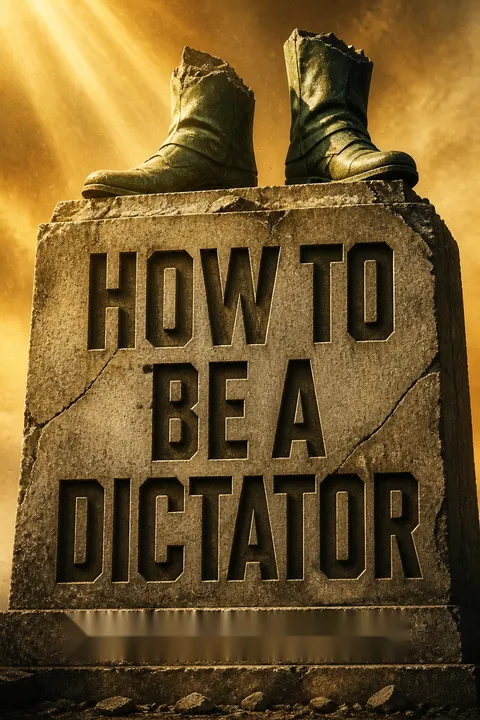

نکات کلیدی
۱. فرقههای دیکتاتورها: پارادوکسی از رضایت ساختگی و ترس
پارادوکس دیکتاتور مدرن در این است که باید توهم حمایت مردمی را بسازد.
فراتر از زور و خشونت. هرچند خشونت و ترور پایههای حکومت دیکتاتوریاند، اما به ندرت برای پایداری بلندمدت کافی هستند. دیکتاتورها میدانند که قدرت عریان عمر محدودی دارد؛ باید در قالب ارادهی مردم پنهان شود. این امر مستلزم ایجاد «فرقه شخصیت» است؛ نمایشی ساختگی از ستایش گسترده که زور و اجبار را میپوشاند.
ابزاری راهبردی. فرقه شخصیت بهعنوان سلاحی روانی قدرتمند عمل میکند. هدف آن ایجاد ترس، نابودی عقل سلیم، تحمیل اطاعت و منزوی کردن افراد است، بهگونهای که همه مجبور به دروغگویی شوند. وقتی همه ناچار به تمجید از رهبر باشند، تشخیص مخالفت واقعی ناممکن میشود و سازماندهی ائتلافها و کودتاها بسیار دشوار میگردد.
معماران افسانهی خود. دیکتاتورها صرفاً دریافتکنندگان ستایش نیستند؛ آنها معماران اصلی فرقههای خود هستند. از صحنهسازیهای دقیق عمومی تا ویرایش شخصی تبلیغات، کنترل ریز به ریز بر تصویر عمومی خود دارند. این خودستایی تصمیمی بنیادین است که از ناامنی ذاتی و تمایل به اقتدار مطلق و بیچونوچرای آنها ناشی میشود.
۲. از ناشناسی تا عصمت: تحول تصویر دیکتاتور
او مردی بود که خداوند برای اجرای ارادهاش برگزیده بود.
آغازهای فروتنانه، سرنوشت بزرگ. بسیاری از دیکتاتورها مانند موسولینی، هیتلر و چائوشسکو از پسزمینههای معمولی یا حتی نامساعد برخاستند. فرقههای آنها اغلب با تبدیل این آغازهای ساده به داستانی از فردی برگزیدهی الهی که قرار است ملت را نجات دهد، شکل گرفت. این روایت آنها را به عنوان شخصیتهایی منحصر به فرد معرفی میکرد که با اراده و نبوغ بر همه موانع فائق آمدند.
روایت مسیحایی. این تحول معمولاً شامل تصویر رهبر بهعنوان چهرهای مسیحایی، «نجاتدهنده» یا «رستگار» بود که تنها میتوانست ملت را از بحران رهایی بخشد. ماشینهای تبلیغاتی بیوقفه تلاش میکردند تا ویژگیهای فراانسانی به آنها ببخشند و آنها را معصوم، دانای کل و ضروری جلوه دهند. این جایگاه والا، پرسش از اقتدارشان را به مثابه پرسش از سرنوشت میساخت.
تولد نمادین. فرآیند تحول تصویر تلاشی مداوم بود که شامل «تولد دوباره» نمادین رهبر میشد. برای مثال، «راهپیمایی به رم» موسولینی تا حد زیادی رویدادی ساختگی بود و شکست «کودتای سالن آبجو» هیتلر به عنوان شهادت بازتعریف شد. این رویدادها اسطورهسازی شدند تا جایگاه قهرمانانه و مشروعیت قدرت مطلق آنها را تثبیت کنند.
۳. تبلیغات و کنترل: ستونهای فرقههای شخصیت
کل کشور به صحنهای برای نمایشی دقیقاً تمرینشده تبدیل شده بود.
کنترل کامل اطلاعات. دیکتاتورها میدانند که کنترل اطلاعات حیاتی است. آنها آزادی بیان را سرکوب، رسانهها را سانسور و تاریخ را بازنویسی میکنند تا با روایت دلخواهشان همسو شود. هر روزنامه، برنامه رادیویی و فیلم به ابزاری برای انتشار پیام رهبر و بزرگنمایی دستاوردهای او بدل میشود و فضای تمجید بیوقفهای ایجاد میکند.
حضور همهجانبه. فناوری مدرن به دیکتاتورها امکان داد تا حضوری بیسابقه و فراگیر داشته باشند. از بیلبوردهای عظیم و پرترههای ساختمانسایز تا پخشهای اجباری رادیویی و فیلمها، تصویر و صدای رهبر در همه جنبههای زندگی عمومی نفوذ کرد. این مواجهه مداوم هدفش عادیسازی اقتدار مطلق و ایجاد حس حضور غیرقابل اجتناب او بود.
شستشوی مغزی از کودکی. فرقه شخصیت به همه نهادهای اجتماعی، بهویژه آموزش، نفوذ کرد. کودکان از سنین پایین شستشوی مغزی میشدند تا رهبر را از طریق کتابهای درسی، سرودها و آیینهای روزانه ستایش کنند. مدارس به میدانهای تربیت وفاداری بدل شدند تا نسلهای آینده بدون چونوچرا عصمت دیکتاتور و حاکمیت مطلق حزب را بپذیرند.
۴. لمس انسانی: ساخت تصویری در دسترس اما الهی
او مردی با عادات ساده بود که در غاری از خاک رس زندگی میکرد و تنباکوی خود را میکاشت.
قابلیت ارتباط به عنوان تاکتیک. با وجود تصویر الهی، بسیاری از دیکتاتورها تصویری از دسترسی و تواضع پرورش دادند. موسولینی به عنوان کارگری خستگیناپذیر و همیشه در دسترس مردم معرفی میشد. استالین چهرهای آرام و فروتن، «خادم فروتن» حزب بود. مائو ساده در غار زندگی میکرد و دووالیه «بابا داک» پزشک مهربان روستا بود.
جذب نخبگان. دیکتاتورها همچنین فعالانه نخبگان خارجی، روزنامهنگاران و سیاستمداران را جذب میکردند. آنها میدانستند که تأیید خارجی میتواند حکومتشان را مشروع کند و منتقدان داخلی را ساکت نماید. این بازدیدکنندگان تأثیرگذار که اغلب مشتاق باور به «جامعهای بهتر» بودند، با واقعیتی گزینشی مواجه میشدند و گزارشهای درخشانی منتشر میکردند که تصویر دیکتاتور را تقویت میکرد.
نماد «پدر مردم». این جنبه انسانی اغلب به نماد «پدر مردم» میانجامید. استالین «باتیوشکا»، پدر کوچک مهربان ملت شد. کیم ایل-سونگ رهبر پدری بود که مردمش را هدایت میکرد. این تصویر پدری حس وابستگی و وفاداری ایجاد میکرد و تصور جهانی بدون راهنمای مهربان را برای مردم دشوار میساخت.
۵. حذف رقباء: تحکیم بیرحمانه قدرت
فرقه شخصیت متحدان و دشمنان را کوچک میکرد و آنها را مجبور به همکاری تحت سلطه دیکتاتور مینمود.
پاکسازیهای داخلی. دیکتاتورها اغلب با حذف یا حاشیهراندن رقبای درونگروهی به قدرت میرسند. «ترور بزرگ» استالین و «جنبش اصلاح» مائو بهطور سیستماتیک تهدیدهای فرضی را پاکسازی کردند تا تنها وفادارترین و مطیعترین افراد باقی بمانند. این فضا ترس و رقابت شدید ایجاد کرد که چاپلوسی به مکانیزم بقا بدل شد.
تفرقه بینداز و حکومت کن. رهبرانی مانند هیتلر و چائوشسکو رقابت میان زیردستان را تشویق میکردند تا هیچکس نتواند پایگاه قدرت مستقلی بسازد. با جابهجایی مداوم پستها و ترغیب به نزاع داخلی، همه قدرت واقعی در دست خودشان متمرکز میماند و آنها داور نهایی اختلافات بودند.
وفاداری برتر از شایستگی. تقاضای بیوقفه برای وفاداری مطلق اغلب به قیمت قربانی کردن شایستگی تمام میشد. دیکتاتورها خود را با چاپلوسان و فرصتطلبانی احاطه کردند که هرگز تصمیماتشان را به چالش نمیکشیدند، حتی اگر اشتباه بود. این چرخه خودتقویتکننده باعث شد توهمات بزرگی رهبر بدون کنترل باقی بماند و به نتایج فاجعهبار منجر شود.
۶. ویرانی اقتصادی: هزینه پاکی ایدئولوژیک و شکوه
هرچه مردم بیشتر رنج میکشیدند، فرقه چائوشسکو باشکوهتر میشد.
چشماندازهای بزرگ، واقعیت ویرانگر. دیکتاتورها اغلب پروژههای اقتصادی بلندپروازانهای را آغاز میکردند که ناشی از پاکی ایدئولوژیک یا تمایل به خودکفایی بود. «نبردهای» موسولینی برای غلات و لیر، برنامه چهار ساله هیتلر، برنامههای پنج ساله استالین، جهش بزرگ مائو و سیستماتیزاسیون چائوشسکو همگی هدفشان تحول سریع کشور بود. اما این طرحهای از بالا به پایین و اغلب غیرمنطقی بهطور مکرر به:
- کمبودهای گسترده
- قحطی
- فروپاشی اقتصادی
- رنج انسانی عظیم
منجر شدند.
فداکاری برای فرقه. منابعی که میتوانست فقر را کاهش دهد یا سطح زندگی را بهبود بخشد، صرف تغذیه فرقه شخصیت شد. ساخت بناهای عظیم، مجسمهها و مواد تبلیغاتی ثروت ملی زیادی را مصرف کرد. برای مثال:
- کاخ مردم چائوشسکو یکسوم بودجه ملی رومانی را بلعید.
- جشنهای دهمین سالگرد منگیستو میلیونها دلار هزینه داشت در حالی که میلیونها نفر گرسنه بودند.
روایت «فداکاری». تبلیغات این سختیها را بهعنوان فداکاریهای لازم برای آیندهای باشکوه یا نتیجه دشمنان خارجی توجیه میکرد. در همین حال، رهبر به عنوان کسی که بیوقفه برای رفاه مردم کار میکند و از رنج واقعی بیخبر است، تصویر میشد. این روایت مسئولیت را از دیکتاتور دور میکرد و تصویر او را به عنوان چهرهای خیرخواه اما دوردست تقویت مینمود.
۷. توهم دانایی مطلق: انزوا و تصمیمات فاجعهبار
او در جهانبینی خود گرفتار شده بود، برده افسانهی خود.
انزوای خودخواسته. با رشد فرقهها، دیکتاتورها بیش از پیش از واقعیت جدا شدند. در محاصره چاپلوسانی که جرأت نداشتند خبرهای بد برسانند، ارتباط خود را با وضعیت واقعی کشور از دست دادند. این انزوا باور غیرقابل تزلزلی به عصمت خود ایجاد کرد و آنها را به اتخاذ تصمیمات حیاتی بر اساس شهود به جای اطلاعات دقیق واداشت.
قدرت بیمهار، اشتباهات مرگبار. بدون نظارت و مشاوران قابل اعتماد، دیکتاتورها تصمیمات یکجانبهای گرفتند که پیامدهای فاجعهباری داشت. دخالت هیتلر در استراتژی نظامی، جهش بزرگ فاجعهبار مائو و برآورد بیش از حد قدرت نظامی موسولینی نمونههای بارز این اشتباهات ناشی از قدرت بیمهار است.
پارانویا و بیاعتمادی. ناامنیای که فرقهها را تغذیه میکرد، به پارانویا و بیاعتمادی شدید نیز منجر شد. دیکتاتورها دائماً به خیانت حتی از نزدیکترین متحدان خود مشکوک بودند. این بیاعتمادی گسترده باعث شد هیچ دوست یا شریک قابل اعتمادی نداشته باشند و انزوای آنها را عمیقتر کند و آنها را در برابر قضاوت نادرست خود آسیبپذیر سازد.
۸. شکنندگی قدرت: فرقهها وقتی ترس از بین میرود فرو میریزند
وقتی ترس از بین رفت، کل بنا فرو ریخت.
فروپاشی ناگهانی. با وجود قدرت ظاهراً غیرقابل لرزش، فرقههای شخصیت به طرز شگفتآوری شکننده بودند. وقتی ترس زیربنایی که اطاعت ظاهری را تحمیل میکرد از بین رفت، کل ساختار ستایش میتوانست تقریباً بلافاصله فرو بریزد. سقوط دیوار برلین، اعدام چائوشسکو و فرار منگیستو نمونههایی بودند که نشان دادند این فرقههای به ظاهر شکستناپذیر چقدر سریع میتوانند ناپدید شوند.
تخلیه هیجانی عمومی. پس از سقوط دیکتاتور، اغلب شاهد فوران احساسات سرکوبشده بودیم. مجسمهها سرنگون، پرترهها مخدوش و نمادهای رژیم نابود شدند. این طرد هیجانی ماهیت واقعی «حمایت مردمی» را آشکار کرد؛ نمایشی که با ترس و نه محبت واقعی هدایت میشد.
میراث پایدار کنترل. اگرچه فرقههای آشکار ممکن است ناپدید شوند، مکانیزمهای کنترل اغلب تأثیر ماندگاری بر جای میگذارند. در برخی موارد مانند کره شمالی، فرقه به نسلهای بعد منتقل میشود. در مواردی مانند چین، حزب از اشتباهات گذشته درس میگیرد، «فرقههای شخصیتی» را ممنوع میکند اما همچنان کنترل سختگیرانه بر اطلاعات و مخالفت حفظ میکند، نشان میدهد که درسهای رضایت ساختگی میتواند برای دورانهای جدید تطبیق یابد.
خلاصه نقدها
کتاب «چگونه دیکتاتور باشیم» به بررسی پرستش شخصیت هشت دیکتاتور قرن بیستم میپردازد. خوانندگان این اثر را آموزنده و جذاب یافتهاند و از نگارش روان و حقایق جالب آن تمجید کردهاند. هرچند برخی معتقد بودند کتاب برای کسانی که با موضوع آشنایی دارند، عمق یا دیدگاههای تازهای ارائه نمیدهد. تمرکز کتاب بر پرستش شخصیت و نقش آن در حفظ قدرت مورد توجه قرار گرفته است. اگرچه برخی خوانندگان خواستار تحلیلهای بیشتر یا پوشش دیکتاتورهای بیشتری بودند، بسیاری این کتاب را بهعنوان مقدمهای جذاب و مفید برای علاقهمندان به تاریخ و سیاست قرن بیستم توصیه کردهاند.
دیگران نیز خواندهاند



سؤالات متداول
What is "How to Be a Dictator: The Cult of Personality in the Twentieth Century" by Frank Dikötter about?
- Explores Cult of Personality: The book examines how eight twentieth-century dictators built and maintained cults of personality to consolidate and sustain their power.
- Case Studies of Dictators: It profiles Mussolini, Hitler, Stalin, Mao Zedong, Kim Il-sung, Duvalier, Ceaușescu, and Mengistu, analyzing their rise and fall.
- Mechanisms of Control: Dikötter details the tools and strategies—propaganda, terror, myth-making, and manipulation of history—used to create an aura of invincibility and legitimacy.
- Universal Patterns: The book identifies common patterns among dictators, regardless of ideology or geography, focusing on the psychological and social mechanisms behind their rule.
Why should I read "How to Be a Dictator" by Frank Dikötter?
- Insight into Modern Authoritarianism: The book provides a historical lens to understand how modern dictatorships function and why personality cults remain relevant.
- Comparative Perspective: By comparing different regimes, readers gain a nuanced understanding of both the similarities and unique features of each dictatorship.
- Warning for Democracies: Dikötter’s analysis serves as a cautionary tale about the fragility of democratic institutions and the dangers of unchecked power.
- Engaging Storytelling: The book is accessible, well-researched, and filled with vivid anecdotes, making complex history engaging for a broad audience.
What are the key takeaways from "How to Be a Dictator"?
- Cult of Personality is Central: Dictatorship in the twentieth century often revolved around the deliberate construction of a leader’s myth and image.
- Fear and Flattery Go Hand-in-Hand: Dictators used both terror and orchestrated adulation to isolate individuals and prevent organized resistance.
- Manipulation of History: Leaders rewrote history to erase inconvenient truths and elevate their own roles, often erasing the contributions of rivals or foreign supporters.
- Vulnerability of Dictators: Despite their power, dictators were often deeply insecure, paranoid, and dependent on the very cults they created.
Who are the eight dictators profiled in "How to Be a Dictator" and why were they chosen?
- Benito Mussolini (Italy): The prototype of the modern dictator, pioneering mass propaganda and public spectacle.
- Adolf Hitler (Germany): Master of myth-making and mass mobilization, whose cult of personality enabled catastrophic violence.
- Joseph Stalin (Soviet Union): Built a god-like image through terror, purges, and the rewriting of history.
- Mao Zedong (China): Combined Marxist ideology with Chinese tradition, orchestrating mass campaigns and the Cultural Revolution.
- Kim Il-sung (North Korea): Created a dynastic cult, blending nationalism, myth, and total isolation.
- François Duvalier (Haiti): Used voodoo symbolism and terror to rule as a mystical, omnipotent figure.
- Nicolae Ceaușescu (Romania): Engineered a grotesque personality cult, blending nationalism and communism.
- Mengistu Haile Mariam (Ethiopia): Emulated Soviet-style dictatorship, using violence and propaganda to maintain control.
How does Frank Dikötter define and analyze the "cult of personality" in dictatorships?
- Deliberate Construction: The cult is not spontaneous but carefully engineered by the dictator and their apparatus.
- Tools of the Cult: Includes statues, portraits, slogans, staged public events, and the rewriting of history and ideology.
- Purpose of the Cult: To create an illusion of unanimous support, isolate individuals, and make dissent dangerous or unthinkable.
- Psychological Impact: The cult blurs the line between genuine belief and forced compliance, making it difficult to distinguish true support from fear.
What methods and strategies did dictators use to build and sustain their cults of personality, according to "How to Be a Dictator"?
- Propaganda and Media Control: Dictators monopolized newspapers, radio, film, and later television to broadcast their image and message.
- Public Rituals and Spectacle: Mass rallies, parades, and orchestrated displays of loyalty reinforced the leader’s centrality.
- Rewriting History: Regimes erased rivals and inconvenient facts, presenting the dictator as the sole architect of national progress.
- Reward and Punishment: Flattery was rewarded, while dissent or insufficient enthusiasm could lead to imprisonment or death.
How did the cult of personality affect ordinary people and society under these dictatorships?
- Enforced Participation: Citizens were compelled to participate in rituals, display portraits, and recite slogans, regardless of personal belief.
- Atmosphere of Fear: The inability to distinguish genuine from feigned loyalty fostered mutual suspicion and social atomization.
- Loss of Truth and Trust: Constant propaganda and forced adulation eroded common sense and made it dangerous to express honest opinions.
- Isolation and Loneliness: People became isolated, unable to trust even friends or family, which made collective resistance nearly impossible.
What role did ideology play in the cults of personality described in "How to Be a Dictator"?
- Ideology as a Tool: While some dictators had strong ideological commitments, many used ideology flexibly to serve personal power.
- Personalization of Doctrine: Dictators often inserted their own names and ideas into official ideology (e.g., Mao Zedong Thought, Kimilsungism).
- Supremacy of the Leader: Loyalty to the leader often superseded loyalty to any abstract principle or party.
- Shifting Justifications: Ideological tenets could be changed or reversed as needed to justify the leader’s actions and maintain the cult.
How does "How to Be a Dictator" explain the eventual downfall or collapse of these dictatorships?
- Internal Contradictions: The cult of personality breeds paranoia, poor decision-making, and isolation at the top, undermining effective governance.
- Loss of Fear or Faith: When fear dissipates or the cult’s illusions are shattered, regimes can collapse rapidly, as seen in Romania and Ethiopia.
- Dependency on the Leader: Systems built around a single figure often lack resilience and crumble when the leader dies or is overthrown.
- External Pressures: Economic crises, war, or foreign intervention can expose the hollowness of the cult and accelerate collapse.
What are some of the most memorable quotes from "How to Be a Dictator" and what do they mean?
- "Dictators deceive their people, but they also deceive themselves." – Highlights how leaders become trapped by their own propaganda and lose touch with reality.
- "The cult of personality is not about belief or persuasion, but about creating confusion, destroying common sense, and enforcing obedience." – Emphasizes the cult’s function as a tool of control, not genuine conviction.
- "When everyone is a liar, it becomes impossible to know who is an ally." – Shows how enforced flattery and suspicion undermine trust and solidarity.
- "The greatest threat to a dictator is not just the people, but themselves." – Suggests that the internal dynamics of dictatorship are inherently self-destructive.
How does Frank Dikötter’s approach in "How to Be a Dictator" differ from other books on dictatorship or totalitarianism?
- Focus on Personality Cults: Rather than analyzing ideology or institutions alone, Dikötter centers his analysis on the construction and consequences of the leader’s image.
- Comparative and Global Scope: The book covers dictators from Europe, Asia, Africa, and the Americas, highlighting universal patterns.
- Use of Anecdotes and Primary Sources: Dikötter draws on diaries, letters, propaganda materials, and eyewitness accounts to illustrate the lived experience of dictatorship.
- Critical of Simplistic Explanations: He challenges the idea that dictatorships are sustained by mass belief, emphasizing coercion, manipulation, and the ambiguity of public support.
What lessons does "How to Be a Dictator" offer for understanding contemporary politics and the risk of new personality cults?
- Vigilance Against Authoritarianism: The book warns that the mechanisms of personality cults can reappear in new forms, even in nominally democratic societies.
- Importance of Institutions: Strong, independent institutions and a free press are crucial safeguards against the rise of unchecked leaders.
- Dangers of Flattery and Isolation: Leaders surrounded by sycophants and shielded from criticism are prone to disastrous decisions.
- Need for Historical Awareness: Understanding the history of personality cults helps societies recognize early warning signs and resist the allure of charismatic, authoritarian figures.
دانلود PDF
دانلود EPUB
.epub digital book format is ideal for reading ebooks on phones, tablets, and e-readers.








































