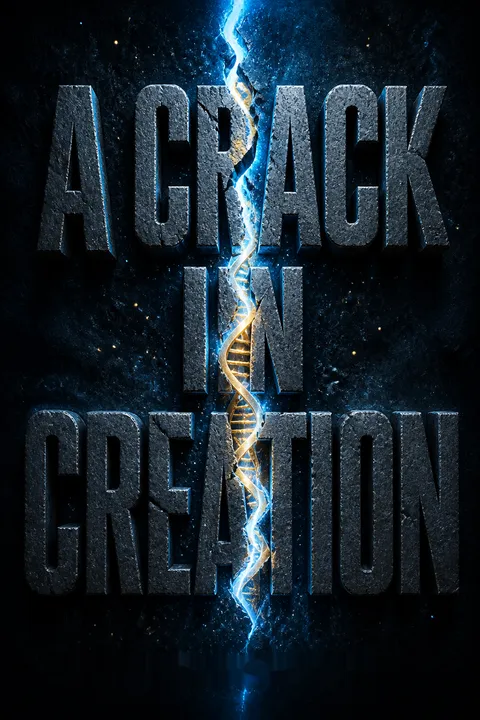

نکات کلیدی
۱. کریسپر: از دفاع باکتریایی تا انقلاب ویرایش ژن
تا تابستان سال ۲۰۱۵، فناوری زیستفناوری که چند سال پیش به توسعه آن کمک کرده بودم، با سرعتی فراتر از تصورم در حال رشد بود.
ریشههای غیرمنتظره. جنیفر دودنا با همکاری غیرمنتظرهای با ژئومیکروبیولوژیست جیلین بنفیلد، کنجکاوی خود را نسبت به سیستم ایمنی باکتریها آغاز کرد. این سیستم، کریسپر-کَس، که ابتدا برای مطالعه نقش آن در دفاع باکتریها در برابر ویروسها مورد بررسی قرار گرفته بود، ناگهان به ماشینی مولکولی تبدیل شد که توانایی دستکاری دقیق DNA را داشت.
عملکرد کریسپر. کریسپر (تکرارهای کوتاه پالیندرو میانهدار منظم خوشهای) مکانیزمی دفاعی در باکتریهاست که به آنها امکان میدهد در برابر ویروسها مبارزه کنند. باکتریها قطعاتی از DNA ویروسی را در ژنوم خود ذخیره میکنند و از این اطلاعات برای شناسایی و نابودی همان ویروسها در حملات بعدی استفاده میکنند. این سیستم مانند کارت واکسیناسیون مولکولی عمل میکند.
پتانسیل انقلابی. کشف اینکه کریسپر میتواند برای ویرایش ژن به کار رود، علوم زیستی را دگرگون کرد. این فناوری به دانشمندان اجازه میدهد کد ژنتیکی هر گونهای، از جمله انسان، را با دقت و سهولت بیسابقهای دستکاری و اصلاح کنند.
۲. گشودن رمز ژنوم: جستجوی دقت
دههها پیش از ورود من به این حوزه، مردان و زنان علوم زیستی سخت تلاش کرده بودند تا این دانش و ابزارها را توسعه دهند.
درمان ژنی اولیه. تلاشهای اولیه برای درمان ژنی شامل استفاده از ویروسها برای انتقال ژنهای درمانی به انسان بود. اگرچه این روشها انقلابی بودند، اما اغلب به دلیل نگرانیهای ایمنی و اثربخشی محدود، با مشکلاتی مواجه بودند.
هدفگیری ژن. دانشمندان روش هدفگیری ژن یا ویرایش ژن را توسعه دادند که امکان چسباندن دقیق ژنها در محلهای مشخص در ژنوم را فراهم میکرد. این روش که از بازترکیب همولوگ استفاده میکرد، پیشرفتی چشمگیر نسبت به تصادفی بودن ویرایش ژن با ویروسها بود.
نوکلئازهای برنامهپذیر. توسعه نوکلئازهای انگشت روی (ZFN) و نوکلئازهای فعالکننده ترانسکریپشن (TALEN) گامی مهم به جلو بود. این نوکلئازهای طراحیشده میتوانستند برای هدفگیری توالیهای خاص DNA برنامهریزی شوند و ویرایش ژن دقیقتری را ممکن سازند.
۳. چهارراه اخلاقی: بحث ویرایش خط زایا
روزی ممکن است عدم استفاده از ویرایش خط زایا برای کاهش رنج بشری را غیراخلاقی بدانیم.
ویرایش خط زایا در برابر ویرایش سوماتیک. ویرایش خط زایا که شامل تغییر DNA تخمک، اسپرم یا جنینهای اولیه است، پرسشهای عمیق اخلاقی ایجاد میکند زیرا این تغییرات به نسلهای بعدی منتقل میشوند و ترکیب ژنتیکی بشر را برای همیشه تغییر میدهند. در مقابل، ویرایش سلولهای سوماتیک تنها فرد تحت درمان را تحت تأثیر قرار میدهد و به نسلهای بعد منتقل نمیشود.
نگرانیهای اخلاقی. احتمال پیامدهای ناخواسته، خطر افزایش نابرابریهای اجتماعی یا ژنتیکی و سایه یک جنبش نوین اصلاح نژاد از جمله دغدغههای اخلاقی پیرامون ویرایش خط زایا هستند. برخی هر نوع دستکاری ژنتیکی را نقض قوانین مقدس طبیعت میدانند، در حالی که دیگران معتقدند رها کردن انسانها به سرنوشت ژنتیکی معیوب، غیراخلاقی است.
الزام اخلاقی. برخی معتقدند که ممکن است عدم استفاده از ویرایش خط زایا برای کاهش رنج بشری، خود غیراخلاقی باشد. این دیدگاه بر توانایی پیشگیری از انتقال بیماریهای ژنتیکی مخرب به نسلهای آینده تأکید دارد.
۴. کریسپر در طبیعت: تغییر اکوسیستمها
قلمرو حیوانات نخستین و تا کنون بزرگترین میدان آزمایش این ابزار جدید ویرایش ژن بوده است.
کاربردها در گیاهان و جانوران. کریسپر به طور گستردهای برای ویرایش ژنوم محصولات کشاورزی به کار رفته است و راه را برای پیشرفتهای کشاورزی هموار کرده که میتواند رژیم غذایی مردم را بهبود بخشد و امنیت غذایی جهان را تقویت کند. دانشمندان همچنین از کریسپر برای تولید نسخههای ژنتیکی بهبود یافته حیوانات، مانند سگهای عضلانی و خوکهای کوچک، بهره بردهاند.
بازگرداندن گونههای منقرضشده. ژنتیکدانان حتی در تلاشند DNA فیل آسیایی را به گونهای تغییر دهند که بیشتر شبیه DNA ماموت پشمالو شود، با امید به باززندهسازی این گونه منقرضشده در آینده. این موضوع پرسشهایی درباره تأثیرات زیستمحیطی بازگرداندن گونههای منقرضشده مطرح میکند.
نگرانیهای زیستمحیطی. اگرچه کاربردها در گیاهان و جانوران هیجانانگیز است، دستکاری در بنیانهای ژنتیکی اکوسیستم میتواند پیامدهای ناخواستهای داشته باشد. ضروری است پیشاپیش پیامدها بررسی و گفتوگویی جهانی، عمومی و فراگیر درباره بهترین شیوههای بهرهبرداری از ویرایش ژن در جهان طبیعی شکل گیرد، پیش از آنکه دیر شود.
۵. سلامت انسان: وعده درمانها
ویرایش ژن نوید درمانهای تحولآفرین و در برخی موارد، درمانهای نجاتبخش را دارد.
درمان بیماریهای ژنتیکی. کریسپر این امکان را فراهم میکند که ژنهای معیوب مستقیماً در بیماران انسانی ویرایش و اصلاح شوند. در سلولهای انسانی کشتشده در آزمایشگاه، این فناوری جدید ویرایش ژن برای اصلاح جهشهای عامل فیبروز کیستیک، بیماری سلول داسی، برخی انواع نابینایی و نقص ایمنی شدید ترکیبی، و بسیاری بیماریهای دیگر به کار رفته است.
ایمونوتراپی سرطان. پزشکان از قبل درمان برخی سرطانها را با استفاده از سلولهای ایمنی تقویتشده آغاز کردهاند که ژنوم آنها با ژنهای ویرایششده تقویت شده تا سلولهای سرطانی را بهتر شناسایی و نابود کنند. این روش از قدرت سیستم ایمنی بدن برای مبارزه با سرطان بهره میبرد.
چالشها و محدودیتها. اگرچه درمانهای مبتنی بر کریسپر نویدبخش هستند، هنوز چالشهایی برای دسترسی گسترده به آنها وجود دارد. این چالشها شامل تضمین ایمنی و دقت ویرایش ژن و توسعه روشهای مؤثر انتقال است.
۶. قدرت و خطر رانشهای ژنی
با توجه به رنجی که برخی گونهها ایجاد میکنند، این فناوری به هیچ وجه قابل چشمپوشی نیست.
تعریف رانش ژنی. رانشهای ژنی فناوری انقلابی هستند که به مهندسان زیستی امکان میدهند ژنهای جدید و صفات مرتبط با آنها را با سرعتی بیسابقه در جمعیتهای وحشی گسترش دهند. این فناوری پتانسیل تغییر کل اکوسیستمها را دارد.
فواید بالقوه. رانشهای ژنی میتوانند برای حل مشکلات جهانی در کشاورزی، حفاظت محیط زیست و سلامت انسان به کار روند. به عنوان مثال، میتوانند برای ریشهکن کردن گونههای مهاجم، کنترل آفات کشاورزی و از بین بردن بیماریهای عفونی مانند مالاریا استفاده شوند.
نگرانیهای اخلاقی. احتمال پیامدهای ناخواسته و خطر از کنترل خارج شدن رانش ژنی و برهم زدن تعادل ظریف اکوسیستم، از نگرانیهای اصلی است. همچنین خطر استفاده نادرست از این ابزار قدرتمند توسط افرادی که بدون ملاحظه به آسیب رساندن میپردازند، وجود دارد.
۷. دموکراتیزه شدن کریسپر: شمشیر دو لبه
تا کنون، انقلاب کریسپر عمدتاً پشت درهای بسته آزمایشگاهها و شرکتهای زیستفناوری رخ داده است.
دسترسی به کریسپر. کریسپر ویرایش ژن را برای عموم در دسترس قرار داده و این عمل که زمانی تخصصی و پیچیده بود را به یک سرگرمی یا هنر تبدیل کرده است. این دموکراتیزه شدن با ابزارهای ارزان، منابع آنلاین و اطلاعات فراوان تسهیل شده است.
بیوهکینگ خانگی. ظهور بیوهکرهای خودآموز و علاقهمندان فناوری که میخواهند در خانه به ویرایش ژن با کریسپر بپردازند، نگرانیهایی درباره ایمنی و مقررات ایجاد کرده است. احتمال سوءاستفاده و پیامدهای ناخواسته چالشی جدی است.
مشارکت عمومی. پیشرفت علمی تنها به تحقیق، سرمایهگذاری و نوآوری نیاز ندارد؛ مشارکت عمومی نیز کلیدی است. ضروری است انقلاب کریسپر به عرصه عمومی کشیده شود و گفتوگویی جهانی درباره پیامدهای آن شکل گیرد.
۸. هدایت آینده: فراخوانی برای گفتوگوی باز
موج در راه است. بیایید با هم پارو بزنیم و سوار بر آن شویم.
نیاز به بحث. ویرایش ژن ما را وادار میکند با مسئله دشوار تعیین مرزهای دستکاری ژنتیکی انسان روبرو شویم. برخی هر نوع دستکاری ژنتیکی را نفرتانگیز میدانند، در حالی که دیگران ژنوم را صرفاً نرمافزاری میبینند که میتوان آن را اصلاح، پاکسازی، بهروزرسانی و ارتقا داد.
دیدگاههای در حال تحول. دیدگاه نویسنده درباره این موضوع هنوز در حال شکلگیری است، اما جملهای که در جلسهای درباره ویرایش خط زایا در جنینها شنید، تأثیر عمیقی بر او گذاشت: «روزی ممکن است عدم استفاده از ویرایش خط زایا برای کاهش رنج بشری را غیراخلاقی بدانیم.» این جمله گفتوگو را دگرگون کرد.
گفتوگوی جهانی. گفتوگویی جهانی درباره ویرایش ژن آغاز شده است؛ بحثی تاریخی درباره آینده جهان ما. ضروری است تا بخشهای مختلف جامعه هر چه بیشتر در این گفتوگو مشارکت کنند.
خلاصه نقدها
کتاب «شکافی در آفرینش» به بررسی فناوری ویرایش ژن CRISPR، کاربردهای بالقوه آن و پیامدهای اخلاقی مرتبط میپردازد. منتقدان، توضیحات روشن دودنا دربارهی مفاهیم پیچیده علمی را ستودهاند، هرچند برخی نقد کردهاند که مباحث اخلاقی کتاب از عمق کافی برخوردار نیستند. روایت شخصی نویسنده و بینشهای ارائهشده دربارهی کشفهای علمی مورد توجه خوانندگان قرار گرفته است. مخاطبان از توان بالقوه CRISPR برای تحول در پزشکی، کشاورزی و تکامل انسان شگفتزده شدهاند، اما نگرانیهایی نیز دربارهی پیامدهای ناخواسته و تأثیرات اجتماعی آن ابراز کردهاند. به طور کلی، این کتاب به عنوان اثری مهم برای درک این فناوری پیشگام و پیامدهای گستردهاش شناخته میشود.
دیگران نیز خواندهاند



سؤالات متداول
What’s A Crack in Creation by Jennifer A. Doudna about?
- CRISPR discovery and development: The book chronicles the scientific journey behind the discovery and development of CRISPR, a revolutionary gene-editing technology derived from a bacterial immune system.
- Personal and scientific narrative: Jennifer Doudna shares her personal experiences as a scientist, highlighting the collaborative efforts, excitement, and challenges involved in CRISPR’s invention.
- Societal and ethical implications: The narrative explores the profound possibilities and risks of gene editing, including its impact on medicine, agriculture, and the future of human evolution.
Why should I read A Crack in Creation by Jennifer A. Doudna?
- Accessible science explanation: The book demystifies complex molecular biology, making CRISPR technology understandable for readers interested in genetics and biotechnology.
- Ethical and societal context: It raises critical questions about the moral, social, and ecological implications of gene editing, encouraging readers to engage in the ongoing debate.
- Firsthand scientific perspective: Authored by a CRISPR pioneer, it offers an insider’s view of the scientific process, collaboration, and the responsibilities scientists face in guiding powerful new technologies.
What are the key takeaways from A Crack in Creation by Jennifer A. Doudna?
- Transformative potential of CRISPR: CRISPR has revolutionized gene editing, making it faster, cheaper, and more accessible than previous technologies.
- Broad applications and risks: The technology holds promise for treating genetic diseases, improving agriculture, and even controlling evolution, but also poses significant ethical and ecological challenges.
- Need for responsible stewardship: Doudna emphasizes the importance of public engagement, ethical governance, and international cooperation to ensure CRISPR is used wisely and safely.
What is CRISPR-Cas9 and how does it work according to A Crack in Creation?
- Bacterial immune system origin: CRISPR-Cas9 is a natural defense mechanism in bacteria that uses RNA guides to target and cut specific DNA sequences from invading viruses.
- Programmable gene editing tool: Scientists repurposed this system, using the Cas9 protein and guide RNAs to make precise cuts in DNA, enabling targeted gene modifications.
- Cellular repair mechanisms: After Cas9 cuts the DNA, cells repair the break either by error-prone nonhomologous end joining (disrupting genes) or by homology-directed repair (introducing precise changes).
How does CRISPR-Cas9 differ from earlier gene-editing technologies like ZFNs and TALENs in A Crack in Creation?
- Ease of design: CRISPR uses simple RNA guides for targeting, while ZFNs and TALENs require complex protein engineering, making CRISPR much easier and cheaper to use.
- Efficiency and versatility: CRISPR achieves higher editing efficiencies and can target multiple genes simultaneously, surpassing the capabilities of earlier tools.
- Democratization of gene editing: The simplicity and low cost of CRISPR have enabled widespread adoption in research labs worldwide, accelerating innovation.
What are the main applications of CRISPR-Cas9 in medicine and agriculture described in A Crack in Creation?
- Medical therapies: CRISPR is being explored to treat genetic diseases like sickle cell anemia, cystic fibrosis, and muscular dystrophy by correcting mutations in human cells.
- Agricultural improvements: The technology is used to create crops with enhanced disease resistance, improved shelf life, and better nutritional content, as well as livestock with desirable traits.
- Biomedical research: CRISPR enables rapid creation of genetically modified animal models to study human diseases and develop new treatments.
How does A Crack in Creation by Jennifer A. Doudna explain the potential of CRISPR in human therapeutics?
- Treating monogenic diseases: CRISPR offers hope for curing diseases caused by single-gene mutations by repairing or correcting faulty genes in patient cells.
- Ex vivo and in vivo approaches: Ex vivo editing modifies patient cells outside the body, while in vivo editing delivers CRISPR directly into tissues, each with unique challenges and opportunities.
- Cancer and infectious disease: The technology is advancing cancer research and immunotherapy, and is being explored to engineer immune cells to resist infections like HIV.
What ethical and societal challenges does Jennifer Doudna discuss in A Crack in Creation?
- Human germline editing: Editing embryos to prevent disease or enhance traits raises concerns about safety, consent, equity, and the potential for eugenics.
- Regulation and public engagement: Doudna stresses the need for inclusive, global discussions involving scientists, ethicists, policymakers, and the public to guide responsible use.
- Potential misuse and unintended consequences: The book warns about risks such as ecological impacts, genetic discrimination, and the moral implications of altering evolution.
What are gene drives and why are they significant in A Crack in Creation by Jennifer A. Doudna?
- Definition and mechanism: Gene drives are genetic systems that bias inheritance, allowing specific genes to spread rapidly through wild populations using CRISPR-based technology.
- Applications in ecology: They could be used to control disease vectors like mosquitoes, eradicate invasive species, and address agricultural pests.
- Risks and biosecurity: The self-sustaining nature of gene drives raises ecological and biosecurity concerns, including unintended consequences and difficulty in reversing changes.
How did Jennifer Doudna and her collaborators discover and develop CRISPR-Cas9, according to A Crack in Creation?
- Bacterial immune system research: The journey began with studying how bacteria use CRISPR sequences and Cas proteins to defend against viruses.
- Key biochemical breakthroughs: Doudna’s lab purified Cas9 and demonstrated its RNA-guided DNA-cutting activity, engineering a single-guide RNA for simplicity.
- Collaboration and rapid adoption: The 2012 Science paper by Doudna, Charpentier, and colleagues revealed CRISPR-Cas9’s programmable DNA-cutting ability, sparking global interest and innovation.
What are the main challenges and future directions for CRISPR technology discussed in A Crack in Creation?
- Improving precision and delivery: Reducing off-target effects and developing efficient delivery methods, especially for in vivo therapies, are critical for clinical success.
- Ethical governance: Ongoing ethical reflection, public education, and international regulatory frameworks are needed to guide responsible use, particularly for germline and ecological applications.
- Expanding applications: CRISPR’s potential extends to synthetic biology, environmental management, and beyond, requiring a balance between innovation and caution.
What are the best quotes from A Crack in Creation by Jennifer A. Doudna and what do they mean?
- On scientific responsibility: “Decisions concerning the application of this knowledge must ultimately be made by society, and only an informed society can make such decisions wisely.” This highlights the need for public engagement in gene editing decisions.
- On CRISPR’s power: “The power to control our species’ genetic future is awesome and terrifying. Deciding how to handle it may be the biggest challenge we have ever faced.” This reflects the dual nature of CRISPR as both transformative and risky.
- On natural mutations: “Genetic editing would be a droplet in the maelstrom of naturally churning genomes.” This quote puts CRISPR’s risks in perspective, comparing them to the constant natural mutations in all living organisms.
دانلود PDF
دانلود EPUB
.epub digital book format is ideal for reading ebooks on phones, tablets, and e-readers.








































