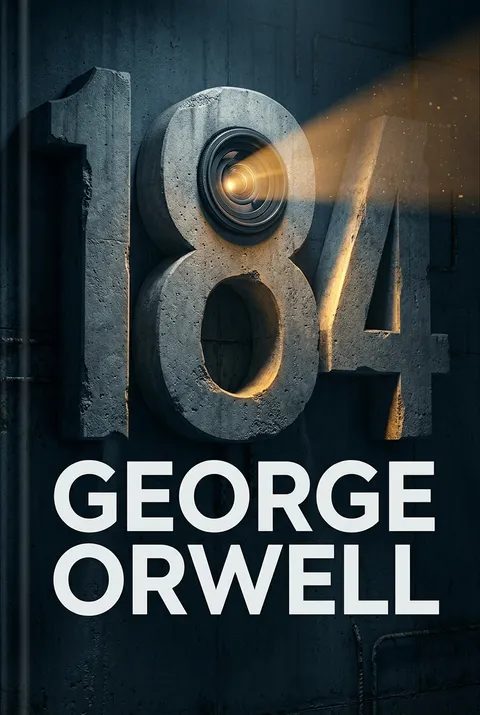

نکات کلیدی
۱. تمامیتخواهی به دنبال کنترل مطلق بر تمام جنبههای زندگی بشر است.
البته هیچ راهی وجود نداشت که بفهمید آیا در لحظهای مشخص تحت نظر هستید یا خیر.
نظارت همهجایی حکومت. حزب در اقیانوسیه سیستمی فراگیر از نظارت را از طریق تلهاسکرینها، میکروفونهای مخفی و شبکهای از جاسوسان برقرار میکند. این نظارت مداوم، مرز میان زندگی عمومی و خصوصی را از بین میبرد و شهروندان را مجبور میکند در وضعیت پارانویای همیشگی زندگی کنند؛ جایی که حتی یک پرش ناگهانی عضلات صورت نیز میتواند به خیانت آنها تعبیر شود. حکومت با از بین بردن هرگونه انتظار از حریم خصوصی، اطمینان حاصل میکند که افراد خودشان در تمام اوقات رفتار خود را کنترل کنند و به این ترتیب، هر شهروند عملاً به زندانبان خود تبدیل میشود.
نابود کردن فردیت. در رژیم برادر بزرگ، آزادیهای فردی، ابراز خلاقیت و روابط خصوصی به عنوان تهدیدهایی وجودی برای حکومت تلقی میشوند. حزب خواستار یکدستی و همرنگی مطلق است و شهروندان را به پیچومهرههای بیارادهی ماشین حکومت تبدیل میکند که هیچ هویتی خارج از کارکرد سیاسی خود ندارند. هرگونه تلاش برای ابراز فردیت، مانند نوشتن یادداشتهای روزانه یا پیادهروی انفرادی، به عنوان اقدام شورشگرانهی خطرناک طبقهبندی میشود.
تلهی نهایی. مبارزهی وینستون اسمیت نشاندهندهی بیهودگی مقاومت در برابر سیستمی است که برای شناسایی کوچکترین انحراف از اصول حزب طراحی شده است. کنترل حکومت چنان مطلق است که شورش را پیشبینی میکند و به آن اجازه میدهد به طور موقت شکوفا شود، تنها به این دلیل که بعداً آن را به شکلی کاملتر درهم بکوبد.
- تلهاسکرینهایی که همزمان پروپاگاندا پخش میکنند و رفتارها را ضبط مینمایند.
- پلیس اندیشه که مخالفان فکری را تعقیب و شکار میکند.
- فرهنگ سوءظن متقابل که در آن همسایگان از همسایگان جاسوسی میکنند.
۲. دستکاری روانی، توانایی تفکر مستقل را نابود میکند.
از سوی دیگر، کودکان به طور سیستماتیک علیه والدین خود شورانده میشدند و به آنها آموزش داده میشد که از آنها جاسوسی کنند و انحرافاتشان را گزارش دهند.
تضعیف نهاد خانواده. حزب به طور سیستماتیک پیوندهای بنیادین جامعهی بشری، به ویژه نهاد خانواده را با تبدیل کردن کودکان به جاسوسان حکومتی تضعیف میکند. از طریق سازمانهایی مانند «جاسوسان جوان»، کودکان شستشوی مغزی داده میشوند تا وفاداری به برادر بزرگ را بر عشق به والدین مقدم بدارند و به این ترتیب، فضایی از وحشت خانوادگی ایجاد میشود. این نابودیِ اعتماد خانوادگی تضمین میکند که حکومت همواره منبع اصلی قدرت و عاطفه باقی بماند.
هدایت مجدد نفرت. انرژی عاطفی سرکوب نمیشود، بلکه جهت آن تغییر میکند؛ حزب لذت جنسی و عواطف شخصی را ممنوع میکند تا آن انرژی سرکوبشده را برای اهداف سیاسی برداشت کند. این سرخوردگی انباشتهشده در طول مناسک اجباری مانند «دو دقیقه ابراز نفرت» تخلیه میشود و تودهها را در خشمی دیوانهوار علیه دشمنان تعیینشده متحد میکند. حکومت با دستکاری غرایز پایهای بشر، عشق و شهوت را به سلاحهای کنترل سیاسی تبدیل میکند.
شستشوی مغزی سیستماتیک. حکومت با کنترل محرکهای عاطفی اطمینان حاصل میکند که شهروندان توانایی همدلی را از دست بدهند و وفاداری متعصبانه را جایگزین آن کنند. ذهن فرد به لوحی سفید تبدیل میشود که حزب میتواند باورهای خود را روی آن بنویسد.
- برنامهی «جاسوسان جوان» که به کودکان آموزش میدهد به والدین خود خیانت کنند.
- مراسم «دو دقیقه ابراز نفرت» برای هدایت سرخوردگیهای جنسی و اجتماعی به سمت خشم مورد تایید حکومت.
- ممنوعیت رابطه جنسی برای لذت، و تلقی آن صرفاً به عنوان یک وظیفه زادآوری برای حزب.
۳. کنترل فیزیکی بدن در نهایت روح انسان را درهم میشکند.
در برابر درد، هیچ قهرمانی وجود ندارد.
بدن به عنوان دشمن. حزب کنترل خود را نه تنها از طریق شرطیسازی روانی، بلکه از طریق انضباط شدید فیزیکی و فرسودگی بدنی حفظ میکند. شهروندان مجبور به انجام تمرینات ورزشی اجباری مانند «نرمشهای صبحگاهی» و ساعات کار طاقتفرسا میشوند تا بیش از آن خسته باشند که به شورش فکر کنند. یک بدن خسته توانایی کمتری برای تفکر مستقل دارد و این امر، فرسودگی فیزیکی را به ابزار کلیدی کنترل حکومتی تبدیل میکند.
حاکمیت مطلق درد. هنگامی که دستکاری روانی شکست میخورد، حزب به شکنجههای وحشیانه فیزیکی متوسل میشود تا واقعیت را بازسازی کند. مسیر زندگی وینستون نشان میدهد که رنج شدید فیزیکی میتواند هرگونه باور اخلاقی را درهم بکوبد و ثابت میکند که سیستم عصبی در نهایت به والاترین آرمانهای ذهن خیانت خواهد کرد. در مواجهه با درد شدید، عقل کنار میرود و انسان به وضعیت بقای غریزی تقلیل مییابد.
درهم شکستن اراده. حکومت از طریق شکنجههای سیستماتیک، قربانی را مجبور میکند تا در تلاشی مذبوحانه برای حفظ جان خود، مقدسترین وفاداریهای شخصیاش را رها کند. این درهم شکستن فیزیکی روح، گام نهایی در فرآیند سلطه کامل حکومت است.
- نرمشهای صبحگاهی اجباری که همرنگی فیزیکی و فرسودگی را تحمیل میکنند.
- گرسنگی سیستماتیک و ضربوشتم در وزارت عشق.
- تهدید نهایی اتاق ۱۰۱ که از مطلقترین و بدترین ترس فیزیکی فرد سوءاستفاده میکند.
۴. کنترل اطلاعات و بازنویسی تاریخ به رژیمها اجازه میدهد واقعیت را دستکاری کنند.
کسی که گذشته را کنترل میکند، آینده را کنترل میکند. کسی که حال را کنترل میکند، گذشته را کنترل میکند.
تغییرپذیری تاریخ. در اقیانوسیه، تاریخ یک ثبت ایستا از رویدادهای گذشته نیست، بلکه ابزاری منعطف برای مصلحتهای سیاسی است. شغل وینستون در وزارت حقیقت شامل بازنویسی مداوم روزنامهها و اسناد قدیمی است تا اطمینان حاصل شود که پیشبینیهای گذشتهی حزب همیشه کاملاً با واقعیتهای فعلی همخوانی دارند. این تجدیدنظرطلبی مداوم تضمین میکند که حزب همواره معصوم و دانای کل به نظر برسد.
نابود کردن حافظه. حزب با از بین بردن شواهد فیزیکی گذشته، مانند عکسها و اسناد اصلی، حافظه انسان را تار و غیرقابل اعتماد میکند. بدون یک معیار تاریخی عینی، شهروندان هیچ مبنایی برای به چالش کشیدن ادعاهای حزب درباره بهبود وضعیت جامعه یا تغییر اتحادهای نظامی ندارند. گذشته به همان چیزی تبدیل میشود که حزب میگوید، و این امر فرد را از نظر فکری بیثبات و سرگردان رها میکند.
حقیقتسازی. نابودی سیستماتیک حقایق تاریخی، مردم را مجبور میکند تا هر واقعیتی را که حکومت در لحظه دیکته میکند، بپذیرند. این کنترل بر اطلاعات مانع از شکلگیری تفکر انتقادی و دیدگاه تاریخی میشود.
- تغییر مداوم اسناد تاریخی در وزارت حقیقت.
- خلق «ناشخصها» مانند رفیق ویترز که به طور کامل از تاریخ حذف میشوند.
- تغییرات ناگهانی در اتحادهای زمان جنگ که فوراً به عنوان حقیقت تاریخی پذیرفته میشوند.
۵. زبان به عنوان ابزاری برای کنترل ذهن مهندسی شده است تا مخالفتها را از بین ببرد.
در نهایت، ما جرم ذهنی را به معنای واقعی کلمه غیرممکن خواهیم ساخت، زیرا هیچ واژهای برای بیان آن وجود نخواهد داشت.
کاهش دایره واژگان. حزب به طور فعال در حال توسعهی «گفتارنو» است؛ نسخهای بسیار محدود از زبان انگلیسی که برای کوچک کردن دایره تفکر انسان طراحی شده است. حکومت با حذف سیستماتیک واژههای مرتبط با آزادی، شورش و فردیت، قصد دارد ایدههای خرابکارانه را به معنای واقعی کلمه غیرقابل تصور کند. اگر نتوان نامی روی یک مفهوم گذاشت، نمیتوان آن را تصور کرد یا بر اساس آن دست به عمل زد.
از بین بردن ظرافتهای زبانی. گفتارنو زبان را از عمق هنری و عاطفی خود تهی میکند و مفاهیم پیچیده را با اصطلاحات خشک و سادهانگارانه جایگزین میسازد. بدون ابزارهای زبانی برای فرمولبندی استدلالهای انتقادی، مردم از نظر فکری فلج شده و کاملاً به شعارهای مورد تایید حکومت وابسته میشوند. زبان از رسانهای برای ابراز وجود، به مکانیزمی برای زندانی کردن ذهن تغییر شکل میدهد.
حبس زبانی. هدف نهایی این مهندسی زبان، همسو کردن کامل آگاهی انسان با الزامات جزمی حکومت تمامیتخواه است. حزب با کنترل ابزار تفکر، خودِ تفکر را کنترل میکند.
- حذف واژههای منفی و جایگزینی «بد» با «ناخوب» برای محدود کردن ابراز مخالفت.
- فشردهسازی مفاهیم پیچیده سیاسی در واژههای مرکب ساده مانند «پلیس اندیشه» و «مینیعشق».
- نابودی ادبیات تاریخی که نمیتوان آن را به واژگان محدود گفتارنو ترجمه کرد.
۶. دوگانهباوری افراد را قادر میسازد تا واقعیتهای متناقض را به طور همزمان بپذیرند.
دروغگویی عمدی در عین باور قلبی به آن، فراموش کردن هر حقیقتی که مزاحم تلقی میشود، و سپس، در صورت نیاز، بازگرداندن آن از فراموشی تا هر زمان که لازم باشد...
مکانیسم خودفریبی. دوگانهباوری توانایی روانی برای نگه داشتن همزمان دو باور متناقض در ذهن و پذیرش هر دوی آنها به عنوان حقیقت است. این ژیمناستیک ذهنی برای بقا در اقیانوسیه ضروری است و به شهروندان اجازه میدهد دروغهای آشکار حزب را با تجربیات حسی خود آشتی دهند. این پدیده نشاندهندهی پیروزی نهایی دستکاری روانی تحت حمایت حکومت بر عقلانیت انسان است.
تناقضهای نهادینهشده. ساختار دولت دقیقاً بر پایهی دوگانهباوری بنا شده است، همانطور که نام وزارتخانهها این موضوع را نشان میدهد. وزارت صلح جنگ به راه میاندازد، وزارت حقیقت دروغ میسازد، وزارت فراوانی کمبودهای اقتصادی را مدیریت میکند و وزارت عشق شکنجه اعمال میکند. شهروندان باید آگاهانه این تناقضها را بپذیرند و همزمان فراموش کنند که اینها تناقض هستند.
درهم شکستن واقعیت عینی. حزب با مجبور کردن شهروندان به تمرین دوگانهباوری، مفهوم حقیقت عینی را با موفقیت نابود میکند و حکومت را به تنها مرجع تعیین واقعیت تبدیل میسازد. هنگامی که حقیقت عینی از بین برود، قدرت حزب مطلق میشود.
- باور به اینکه ۵ = ۲ + ۲ است وقتی حزب آن را بخواهد، با وجود دانستن حقیقت ریاضی.
- پذیرش تغییرات ناگهانی در دشمنان زمان جنگ بدون زیر سوال بردن تناقض تاریخی آن.
- آشتی دادن شکنجههای وحشیانه وزارت عشق با نام و هدف فرضی آن.
۷. زوال شهری نشاندهندهی ناکارآمدی سیستماتیک رژیمهای اقتدارگرا است.
آیا همیشه این چشماندازها از خانههای پوسیده قرن نوزدهمی وجود داشت که دیوارهایشان با تیرهای چوبی مهار شده بود، پنجرههایشان با مقوا و سقفهایشان با ورقههای آهن گالوانیزه وصلهپینه شده بود...؟
واقعیت فلاکت. علیرغم ادعاهای پرطمطراق حزب درباره پیروزیهای تکنولوژیک و اقتصادی، لندن به عنوان ویرانهای در حال فروپاشی و فقیر به تصویر کشیده میشود. آسانسورها همیشه خراب هستند، لولهکشیها غیرقابل اعتمادند و کالاهای اساسی مانند غذا، برق و پوشاک از کیفیتی بسیار پایین برخوردار بوده و مدام جیرهبندی میشوند. این زوال فیزیکی بازتابی از زوال اخلاقی و فکری جامعه تحت حکومت تمامیتخواه است.
اولویت دادن به کنترل به جای رفاه. تضاد آشکار میان فناوریهای پیشرفتهی بهکاررفته برای نظارت و وضعیت مخروبهی زیرساختهای عمومی، اولویتهای واقعی حزب را آشکار میسازد. منابع کشور صرف حفظ قدرت مطلق سیاسی و به راه انداختن جنگهای همیشگی میشود، در حالی که رفاه فیزیکی شهروندان کاملاً نادیده گرفته میشود. کارآمدی حکومت صرفاً برای سرکوب ذخیره شده است، نه برای خدمات عمومی.
توهم پیشرفت. زوال چرکآلود شهری به عنوان یک یادآور بصری مداوم از بیکفایتی اداری رژیم و دروغین بودن پروپاگاندای اقتصادی آن عمل میکند. این وضعیت شکاف میان لفاظیهای آرمانشهرگرایانهی حزب و واقعیت ویرانشهر زندگی روزمره را آشکار میسازد.
- آسانسورهای خراب و راهروهای در حال پوسیدگی عمارتهای پیروزی.
- کمبود همیشگی کالاهای اساسی مانند تیغ ریشتراشی، قهوه واقعی و شکر.
- هرمهای عظیم و دستنخوردهی وزارتخانهها که بر فراز محلههای فقیرنشین اطراف سایه افکندهاند.
۸. شورش واقعی نیازمند حفظ حافظه فردی و پیوند عاطفی است.
اگر بتوانید احساس کنید که انسان ماندن ارزشش را دارد، حتی اگر هیچ نتیجهی عملی نداشته باشد، شما آنها را شکست دادهاید.
قدرت حافظه. شورش وینستون نه با اقدام سیاسی، بلکه با کار آرامِ نوشتن یادداشتهای روزانه برای حفظ خاطرات شخصیاش آغاز میشود. بازپسگیری پیوند با گذشته — که نماد آن خرید یک کاغذنگهدار شیشهای است — گامی حیاتی در مقاومت در برابر انحصار حقیقت توسط حزب است. حافظه مانند یک لنگر عمل میکند و مانع از آن میشود که فرد توسط روایتهای متغیر حکومت باد ببرد.
عشق به عنوان یک اقدام سیاسی. رابطه عاشقانه وینستون و جولیا چالشی مستقیم برای تلاش حزب جهت از بین بردن عواطف خصوصی انسان است. آنها با انتخاب عشق ورزیدن به یکدیگر، پناهگاهی خصوصی از انسانیت میسازند و ثابت میکنند که پیوند عاطفی واقعی، والاترین شکل نافرمانی فردی است. عشق آنها امتناع از این است که به حکومت اجازه دهند عمیقترین احساساتشان را دیکته کند.
مرزهای مقاومت. اگرچه شورش شخصی آنها بسیار معنادار است، اما در نهایت در برابر قدرت بیحدوحصر حکومت برای نظارت، نفوذ و نابودی روابط انسانی آسیبپذیر است. تراژدی داستان آنها در این درک نهفته است که حتی قویترین پیوندهای عاطفی نیز میتوانند توسط وحشت سیستماتیک از هم بپاشند.
- کاغذنگهدار شیشهای که نمادی از یک تکه زیبا و حفظشده از گذشتهی ازدسترفته است.
- اتاق اجارهای بالای مغازه آقای چارینگتون به عنوان پناهگاهی موقت برای عشق و فردیت.
- این باور که رنجبران (پرولها)، که هنوز انسانیت و احساسات خود را حفظ کردهاند، تنها امید برای انقلاب آینده هستند.
۹. قدرت مطلق هدفی در خود است که از طریق وحشت سیستماتیک حفظ میشود.
اگر تصویری از آینده میخواهید، پوتینی را تصور کنید که برای همیشه روی صورت یک انسان میکوبد.
انگیزه حزب. رمان از زبان اوبراین حقیقت وحشتناک پشت حکومت حزب را فاش میکند: قدرت وسیلهای برای رسیدن به هدف نیست، بلکه خودِ هدف است. حزب به دنبال قدرت برای بهبود زندگی شهروندانش یا ایجاد یک جامعه آرمانی نیست؛ بلکه قدرت را صرفاً به خاطر اعمال کنترل مطلق بر دیگران میخواهد. این میل ناب و بیشائبه به سلطهگری، نیروی محرکهی تمام اقدامات حکومت است.
نابود کردن فرد. حزب برای حفظ این قدرت مطلق، باید روح انسان را کاملاً متلاشی کند و چیزی جز ترس، خشم و بیزاری از خود باقی نگذارد. پیروزی نهایی حکومت صرفاً تسلیم فیزیکی اتباعش نیست، بلکه دگرگونی کامل روانی آنهاست که در نهایت به عشق تراژیک وینستون به برادر بزرگ ختم میشود. فرد به طور کامل محو شده و در ارادهی جمعی حزب حل میشود.
هشدار به بشریت. شاهکار اورول به عنوان هشداری تکاندهنده درباره پایان منطقی اقتدارگرایی مهارنشده و پتانسیل وحشتناک فناوری مدرن در دستان یک حکومت بیرحم عمل میکند. این کتاب خوانندگان را به هوشیاری در دفاع از حقیقت، زبان و کرامت انسانی فرامیخواند.
- فاش شدن این موضوع که انجمن برادری ممکن است تلهای ساختهی حکومت برای شناسایی و حذف شورشیان باشد.
- درهم شکستن سیستماتیک روح وینستون در اتاق ۱۰۱، که او را مجبور به خیانت به جولیا میکند.
- تصویر نهایی وینستون، شکستخورده و شستشوی مغزی داده شده، که در کافه درخت شاهبلوط نشسته و به برادر بزرگ عشق میورزد.
Characters
Plot Devices
Analysis
خلاصه نقدها
نظرات دربارهی کتاب ۱۹۸۴ عموماً مثبت است و خوانندگان مضامین تفکربرانگیز و ارتباط آن با جامعهی مدرن را میستایند. بسیاری آن را اثری چالشبرانگیز اما ارزشمند میدانند و به پیشبینیهای دقیق آن دربارهی توتالیتاریسم و نظارت همگانی اشاره میکنند. برخی از خوانندگان شخصیتپردازیهای پیچیده و طرح داستانی آن را تحسین میکنند، در حالی که برخی دیگر روند روایت را کند یا افسردهکننده مییابند. کاوش کتاب در مفاهیمی چون قدرت، کنترل و دستکاری حقیقت، بهشدت در میان مخاطبان طنینانداز میشود. منتقدان بر اهمیت این اثر در بحثهای مربوط به اقتدارگرایی و مسائل اجتماعی تأکید میکنند و خواندن این شاهکار کلاسیک را به همگان توصیه میکنند.
دیگران نیز خواندهاند


سؤالات متداول
What is 1984: George Orwell about?
- Dystopian society overview: The novel depicts Winston Smith's life in Oceania, a totalitarian state ruled by the Party and Big Brother, where every aspect of life is controlled through surveillance, propaganda, and thought control.
- Winston's rebellion and downfall: Winston rebels against the Party's oppression by engaging in thoughtcrime, seeking forbidden love with Julia, and attempting to join the Brotherhood, but ultimately faces torture and brainwashing that lead to his submission.
- Themes of control and manipulation: The story explores themes of totalitarianism, psychological manipulation, control of information, and the power of language, illustrating the dangers of unchecked political authority and the suppression of individual freedom.
Why should I read 1984: George Orwell?
- Warning against totalitarianism: The novel serves as a stark warning against the dangers of totalitarian regimes and the erosion of individual liberties in the face of absolute power.
- Exploration of psychological manipulation: It provides a penetrating analysis of how governments can manipulate language, history, and technology to control their citizens' thoughts and behaviors.
- Timeless relevance and cautionary tale: Despite being written in 1949, the novel's themes remain relevant today, prompting readers to reflect on the importance of critical thinking, freedom of expression, and resistance against oppressive forces.
What is the background of 1984: George Orwell?
- Orwell's personal experiences: George Orwell's experiences in Burma as a British Imperial Policeman and his observations during the Spanish Civil War fueled his hatred of totalitarianism and inspired the novel's themes.
- Historical and political context: The rise of dictators like Adolf Hitler and Joseph Stalin, along with the Cold War tensions between democratic and communist nations, influenced Orwell's portrayal of a totalitarian society in 1984.
- Dystopian genre influence: The novel is a prominent example of dystopian literature, following in the footsteps of works like Aldous Huxley's Brave New World, and serves as a cautionary tale against societal degradation.
What are the most memorable quotes in 1984: George Orwell?
- "WAR IS PEACE. FREEDOM IS SLAVERY. IGNORANCE IS STRENGTH.": This quote encapsulates the Party's manipulation of language and doublethink, highlighting its ability to control the minds of its citizens by presenting contradictory ideas as truth.
- "Who controls the past controls the future. Who controls the present controls the past.": This quote emphasizes the Party's control of information and history as a means of maintaining its power, illustrating how manipulating the past can justify actions in the present and shape the future.
- "If you want a picture of the future, imagine a boot stamping on a human face—forever.": This quote, spoken by O'Brien, vividly portrays the Party's ultimate goal of absolute and endless power, achieved through the complete subjugation and dehumanization of individuals.
What writing style, narrative choices, and literary techniques does SparkNotes use?
- Clear and concise summaries: SparkNotes provides straightforward summaries of each chapter, outlining the main events and plot developments in a clear and easy-to-understand manner.
- Thematic and character analysis: It offers in-depth analysis of the novel's major themes, such as totalitarianism and psychological manipulation, and explores the motivations and complexities of key characters like Winston, Julia, and O'Brien.
- Use of quotes and explanations: SparkNotes incorporates important quotes from the novel, providing detailed explanations of their significance and how they relate to the broader themes and messages of the story.
Hidden Details & Subtle Connections
What are some minor details that add significant meaning?
- The prole woman's singing: The red-armed prole woman singing outside Winston's window represents the potential for the proles to eventually rebel against the Party, symbolizing hope for the future. Her reproductive virility contrasts with the Party's suppression of sexuality.
- Mr. Charrington's shop details: The antiques in Mr. Charrington's shop, like the glass paperweight and the St. Clement's Church print, symbolize Winston's longing for the past and his attempt to reconnect with a time before the Party's control.
- The broken elevator in Victory Mansions: The consistently broken elevator in Winston's apartment building symbolizes the urban decay and mismanagement under the Party's rule, contrasting with the advanced technology used for surveillance.
What are some subtle foreshadowing and callbacks?
- "The place where there is no darkness": Winston's dream about O'Brien saying "We shall meet in the place where there is no darkness" foreshadows his imprisonment in the Ministry of Love, where the lights are always on, but also represents his misguided trust in O'Brien.
- The St. Clement's Church rhyme: The rhyme about St. Clement's Church, particularly the line "Here comes a chopper to chop off your head," foreshadows Winston's capture and the termination of his rebellion, as the telescreen is hidden behind the picture.
- Winston's fear of rats: Winston's recurring nightmares about rats foreshadow his ultimate torture in Room 101, where O'Brien uses a cage of rats to break his spirit and force him to betray Julia.
What are some unexpected character connections?
- Mr. Charrington's true identity: Mr. Charrington, the seemingly kind proprietor of the antique shop, is revealed to be a member of the Thought Police, highlighting the Party's pervasive surveillance and the impossibility of finding refuge from its control.
- O'Brien's past: O'Brien's ambiguous statement, "They got me a long time ago," suggests that he may have once been a rebel like Winston, only to be broken and re-educated by the Party, adding complexity to his character.
- Parsons' children's betrayal: Parsons being turned in by his own children for thoughtcrime demonstrates the Party's success in indoctrinating children and undermining family bonds, creating a society of informants.
Who are the most significant supporting characters?
- Syme: Syme, an intelligent Party member working on the Newspeak dictionary, represents the Party's attempt to control thought by limiting language. Winston believes Syme is too intelligent to survive in the Party's favor, foreshadowing his eventual vaporization.
- Parsons: Parsons, a fat, obnoxious, and dull Party member, embodies the unquestioning loyalty and blind acceptance of the Party's ideology. His children's zealousness as Junior Spies highlights the Party's influence on family life.
- Emmanuel Goldstein: Though he never appears in the novel, Emmanuel Goldstein, the alleged leader of the Brotherhood, serves as a scapegoat for the Party's enemies and a symbol of rebellion, even if his existence is questionable.
Psychological, Emotional, & Relational Analysis
What are some unspoken motivations of the characters?
- Winston's desire for self-destruction: Winston's fatalistic tendencies suggest an unspoken desire for self-destruction, as he knowingly takes risks that increase his chances of being caught by the Party, possibly seeking a release from his oppressive existence.
- Julia's hedonistic rebellion: Julia's primary motivation is to enjoy personal pleasures and outwit the Party for her own gratification, suggesting a deeper desire for autonomy and self-expression in a society that suppresses individuality.
- O'Brien's quest for power: O'Brien's actions suggest a deep-seated desire for power and control, as he manipulates and tortures Winston to break his spirit and force him to accept the Party's ideology, possibly driven by a need to maintain his position within the Inner Party.
What psychological complexities do the characters exhibit?
- Winston's paranoia and fatalism: Winston's psychological state is marked by paranoia and fatalism, stemming from his constant fear of the Party's surveillance and his belief that he is doomed to be caught, leading him to take unnecessary risks.
- Julia's pragmatism and apathy: Julia exhibits a mix of pragmatism and apathy, as she focuses on enjoying the present moment and outwitting the Party without concerning herself with larger ideological questions, possibly as a coping mechanism.
- O'Brien's sadism and loyalty: O'Brien's psychological complexity lies in his combination of sadism and loyalty to the Party, as he derives pleasure from torturing Winston while genuinely believing in the Party's ideology and the necessity of maintaining its power.
What are the major emotional turning points?
- Winston receiving Julia's note: The moment Winston receives the note from Julia declaring "I love you" marks a major emotional turning point, as it sparks a powerful desire to live and rebel against the Party, giving him hope for a connection and a future.
- Winston's betrayal of Julia in Room 101: Winston's betrayal of Julia in Room 101 is the ultimate emotional turning point, as he sacrifices his love and loyalty to save himself from torture, signifying the Party's complete control over his emotions and moral convictions.
- Winston's acceptance of Big Brother: Winston's final acceptance of Big Brother at the Chestnut Tree Café represents the complete destruction of his emotional and intellectual independence, as he embraces the Party's ideology and finds happiness in his submission.
How do relationship dynamics evolve?
- Winston and Julia's initial rebellion: Winston and Julia's relationship begins as an act of rebellion against the Party's suppression of sexuality and individuality, providing them with temporary solace and a sense of connection.
- Winston and O'Brien's manipulation: Winston's relationship with O'Brien evolves from admiration and trust to betrayal and torture, as O'Brien manipulates him into believing he is part of the Brotherhood before breaking his spirit in the Ministry of Love.
- Winston and Julia's post-torture indifference: After their experiences in Room 101, Winston and Julia's relationship is reduced to indifference and mutual betrayal, as they acknowledge their actions without feeling any genuine emotion, highlighting the Party's ability to destroy personal bonds.
Interpretation & Debate
Which parts of the story remain ambiguous or open-ended?
- The existence of the Brotherhood: The true nature and extent of the Brotherhood remain ambiguous, as it is unclear whether it is a genuine resistance movement or a Party invention used to trap dissidents, leaving readers to question the possibility of organized rebellion.
- Big Brother's true identity: The true identity and existence of Big Brother are never definitively revealed, leaving readers to speculate whether he is a real person or merely a symbol of the Party's power, representing the vagueness of the Party's leadership.
- O'Brien's motivations: O'Brien's true motivations and past remain ambiguous, as it is unclear whether he was once a rebel who was broken by the Party or a loyal Party member from the beginning, adding complexity to his character and the Party's methods.
What are some debatable, controversial scenes or moments in 1984: George Orwell?
- The effectiveness of Room 101: The scene in Room 101, where Winston is threatened with rats, is controversial, with some arguing that it is not horrible enough to justify his complete breakdown and betrayal of Julia, while others see it as a symbolic representation of his deepest fears.
- The length of Goldstein's book: The inclusion of lengthy excerpts from Emmanuel Goldstein's book is debated, with some critics arguing that it disrupts the narrative flow and is too didactic, while others see it as essential for understanding the Party's ideology and the nature of totalitarianism.
- Winston's fatalism: Winston's fatalistic tendencies are controversial, with some arguing that they undermine his character and the novel's message, while others see them as a realistic portrayal of the psychological effects of living under a totalitarian regime.
1984: George Orwell Ending Explained: How It Ends & What It Means
- Winston's complete submission: The ending of 1984 depicts Winston's complete submission to the Party, as he learns to love Big Brother and embraces the Party's ideology, signifying the ultimate triumph of totalitarianism over individual thought and freedom.
- The destruction of individuality: The ending highlights the Party's ability to destroy individuality and independent thought, as Winston's mind and spirit are broken, leaving him a shell of his former self, incapable of resisting the Party's control.
- A cautionary message about vigilance: The ending serves as a cautionary message about the importance of vigilance in safeguarding democratic values and resisting oppressive forces, as it illustrates the terrifying consequences of unchecked political authority and the suppression of individual liberties.
دانلود PDF
دانلود EPUB
.epub digital book format is ideal for reading ebooks on phones, tablets, and e-readers.








































