
Resumen de la trama
La aventura del torbellino de Kansas
Dorothy Gale vive en una granja de Kansas con su tía Em y su tío Henry. Su vida es sencilla y gris, muy parecida al paisaje que la rodea. Un día, un ciclón azota la zona y eleva su casa con ella y su perro Toto en el interior. La casa aterriza en una tierra mágica, aplastando a la Malvada Bruja del Este. Dorothy sale a un mundo vibrante, muy alejado de la monotonía de Kansas, y es recibida por los Munchkins y la Bruja Buena del Norte, quienes le agradecen que los haya liberado de la tiranía de la Malvada Bruja.
La inesperada bienvenida del País de los Munchkins
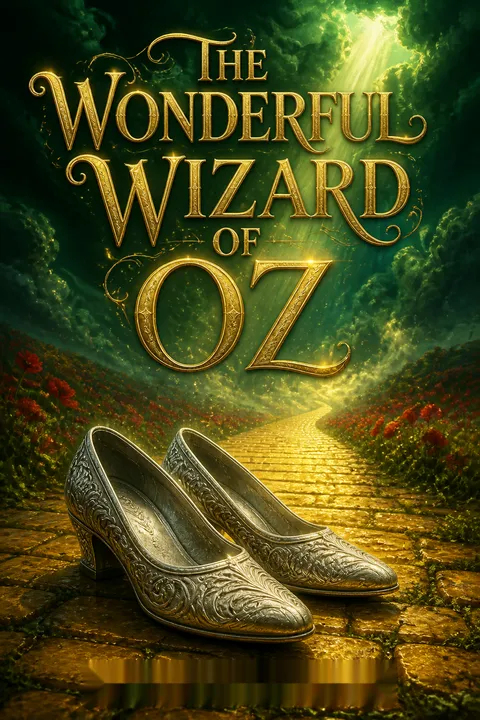
En la tierra de los Munchkins, Dorothy es aclamada como una heroína. La Bruja Buena del Norte le entrega los zapatos de plata de la Malvada Bruja, los cuales poseen poderes misteriosos. Dorothy descubre que para regresar a casa debe buscar la ayuda del Mago de Oz en la Ciudad Esmeralda. Así, emprende su viaje por el camino de baldosas amarillas con Toto a su lado, esperanzada pero sin sospechar los desafíos que le aguardan.
La búsqueda de cerebro del Espantapájaros
En su camino, Dorothy se encuentra con un Espantapájaros que anhela un cerebro para pensar y tomar decisiones. Él se une a ella con la esperanza de que el Mago le conceda su deseo. Juntos continúan por el camino de baldosas amarillas, forjando un fuerte vínculo y compartiendo historias. La falta de cerebro del Espantapájaros da lugar a divertidos percances, pero su gran corazón y su lealtad brillan en todo momento, demostrando su valor más allá de su cabeza llena de paja.
El dolor de corazón del Leñador de Hojalata
Dorothy y el Espantapájaros se encuentran con el Leñador de Hojalata, quien anhela un corazón para sentir emociones. Se une a su búsqueda y les cuenta su historia de amor perdido y su transformación en un ser de hojalata. A pesar de no tener corazón, el Leñador de Hojalata muestra una gran compasión y bondad, ayudando al grupo a superar diversos obstáculos. Su historia aporta profundidad al viaje, destacando temas como el amor y la pérdida.
El valiente viaje del León
Los viajeros se topan con un León Cobarde que desea tener coraje. A pesar de su miedo, se une a Dorothy, al Espantapájaros y al Leñador de Hojalata, esperando que el Mago pueda cumplir su deseo. El viaje del León es un camino de autodescubrimiento, ya que aprende que el verdadero valor consiste en enfrentar los miedos, no en la ausencia de estos. Su presencia aporta fuerza y humor al grupo mientras afrontan juntos los desafíos.
Los misterios de la Ciudad Esmeralda
Al llegar a la Ciudad Esmeralda, los viajeros quedan deslumbrados por su belleza. Se presentan ante el Mago, quien se les aparece de una forma distinta a cada uno y promete concederles sus deseos si logran derrotar a la Malvada Bruja del Oeste. La naturaleza misteriosa del Mago y la grandeza de la ciudad cautivan a Dorothy y a sus amigos, pero pronto se darán cuenta de que las apariencias engañan.
La caída de la Malvada Bruja
El grupo se pone en marcha para vencer a la Malvada Bruja del Oeste. Con valentía, astucia y un poco de suerte, Dorothy derrite a la Bruja arrojándole agua, liberando así a los Winkies y cumpliendo con la tarea impuesta por el Mago. Esta victoria fortalece a Dorothy y a sus amigos, demostrando su fuerza interior y preparando el terreno para su regreso a la Ciudad Esmeralda para reclamar sus recompensas.
La sabiduría guía de Glinda
Tras la partida del Mago, Dorothy acude a Glinda, la Bruja Buena del Sur, en busca de ayuda. Glinda le revela el poder de sus zapatos de plata, capaces de llevarla de vuelta a casa con solo tres golpes de tacón. Dorothy se despide de sus amigos, profundamente agradecida por su compañía y por las lecciones aprendidas. La sabiduría y la bondad de Glinda guían a Dorothy hacia su mayor anhelo.
El regreso de Dorothy a casa
Con un último golpe de tacones, Dorothy es transportada de vuelta a Kansas, aterrizando a salvo en la granja. Se reúne con la tía Em y el tío Henry, llena de gratitud por su aventura y por los amigos que hizo en el camino. El viaje ha transformado a Dorothy, infundiéndole un sentido de asombro y un profundo aprecio por su hogar, demostrando que no hay lugar como el propio hogar.
Analysis
Temas de autodescubrimiento y el hogar"El maravilloso mago de Oz" explora temas como el autodescubrimiento, el valor y el significado del hogar. El viaje de Dorothy le enseña que la verdadera fuerza y la felicidad provienen del interior, y que el hogar no es solo un lugar físico, sino un sentimiento de pertenencia y amor. La historia enfatiza el valor de la amistad, a medida que cada personaje aprende a apreciar sus cualidades y aportes únicos. El libro también ofrece una crítica a la idea de la autoridad y el poder, reflejada en el engaño del Mago, animando a los lectores a cuestionar las apariencias y buscar la verdad. En última instancia, este relato es un recordatorio atemporal de que el viaje en sí es tan importante como el destino, y de que no hay lugar como el hogar.
Resumen de reseñas
El maravilloso mago de Oz es un clásico de la literatura infantil muy querido que ha cautivado a lectores durante generaciones. Muchos críticos aprecian su mundo imaginativo, sus personajes memorables y sus mensajes positivos sobre la amistad y la confianza en uno mismo. Aunque algunos encuentran sorprendente su estructura episódica y su violencia, otros elogian su creatividad y profundidad. El libro difiere significativamente de la famosa adaptación cinematográfica, ofreciendo una experiencia de lectura única. Algunos adultos lo encuentran menos atractivo de lo que sugieren sus recuerdos de la infancia, pero muchos aún valoran sus cualidades mágicas y su atractivo duradero.
También leyeron
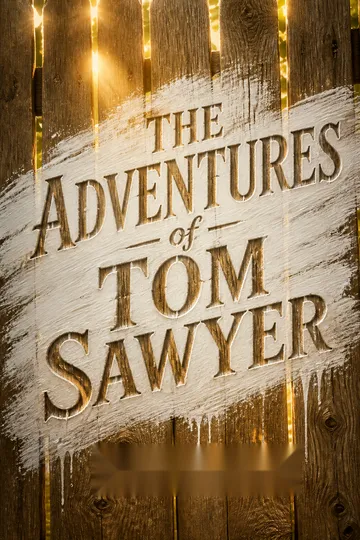

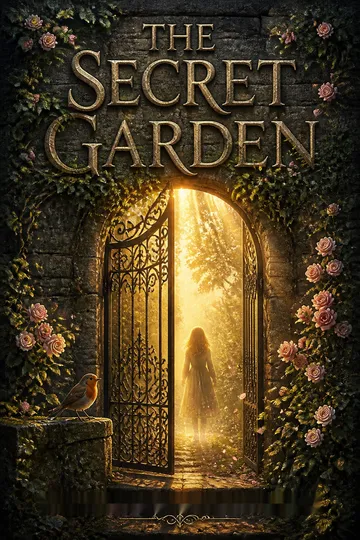
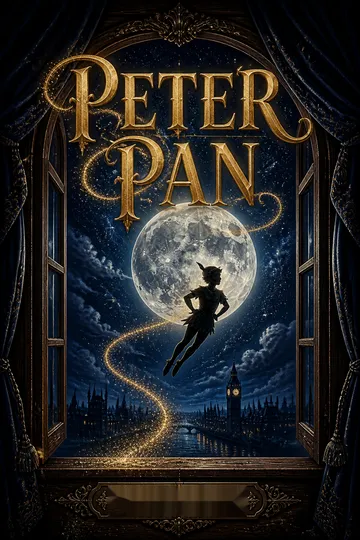
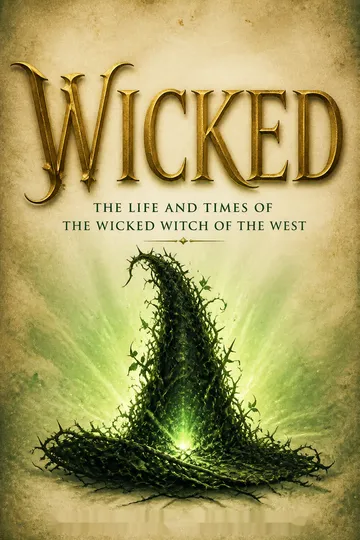
Characters
Dorothy Gale
Dorothy es una niña de Kansas que es transportada a la mágica Tierra de Oz. Su viaje está impulsado por el deseo de volver a casa, lo que pone de manifiesto su determinación y resiliencia. A lo largo de su aventura, la bondad y la valentía de Dorothy inspiran a quienes conoce, creando lazos profundos con sus compañeros. Su personaje encarna el tema del autodescubrimiento y la importancia del hogar.
Scarecrow
El Espantapájaros desea un cerebro para pensar y tomar decisiones. A pesar de creerse tonto, a menudo demuestra una gran astucia y perspicacia. Su viaje con Dorothy revela que la sabiduría proviene de la experiencia y del corazón, no solo del intelecto. La lealtad y el humor del Espantapájaros lo convierten en un compañero entrañable, destacando el valor de la amistad y de la autoestima.
Tin Woodman
El Leñador de Hojalata busca un corazón para sentir emociones, convencido de que esto lo completará. Su historia de transformación y amor perdido aporta profundidad a su personaje, enfatizando temas como la compasión y la humanidad. A pesar de no tener corazón, el Leñador de Hojalata muestra constantemente amabilidad y empatía, demostrando que los verdaderos sentimientos se reflejan en las acciones, no en la anatomía.
Cowardly Lion
El León Cobarde anhela tener coraje, sintiéndose incapaz a pesar de su título de Rey de las Bestias. Su viaje es un proceso de autodescubrimiento en el que aprende que el verdadero valor consiste en enfrentar los miedos. El crecimiento y el humor del León aportan fuerza al grupo, ilustrando que la valentía no es la ausencia de miedo, sino la voluntad de superarlo.
Wizard of Oz
El Mago es una figura de gran poder en la Ciudad Esmeralda, pero finalmente se revela como un hombre común que utiliza ilusiones para mantener el control. Su personaje explora los temas de la percepción frente a la realidad y la naturaleza del liderazgo. A pesar de su engaño, las intenciones del Mago no son maliciosas y, en última instancia, ayuda a Dorothy y a sus amigos a encontrar lo que buscaban dentro de sí mismos.
Glinda the Good Witch
Glinda es la Bruja Buena del Sur, conocida por su sabiduría y bondad. Ayuda a Dorothy a comprender el poder de sus zapatos de plata, guiándola de regreso a casa. El personaje de Glinda representa la influencia positiva de la orientación y el apoyo, destacando la importancia de la fuerza interior y la capacidad de alcanzar los deseos a través de la confianza en uno mismo.
Wicked Witch of the West
La Malvada Bruja del Oeste es una figura poderosa y malévola que representa los obstáculos y temores que Dorothy y sus amigos deben superar. Su derrota a manos de Dorothy simboliza el triunfo del bien sobre el mal y el poder del coraje y la determinación. El personaje de la Bruja resalta la importancia de enfrentar y conquistar los propios miedos.
Toto
Toto es el pequeño perro negro de Dorothy, quien le brinda compañía y protección durante todo el viaje. Su presencia ofrece consuelo y una sensación de hogar, simbolizando la lealtad y el vínculo entre una mascota y su dueña. Las acciones de Toto a menudo impulsan la trama, demostrando el impacto que pueden tener incluso los personajes más pequeños.
Plot Devices
The Yellow Brick Road
El camino de baldosas amarillas representa el sendero del autodescubrimiento y la búsqueda de los propios objetivos. Guía a Dorothy y a sus amigos hacia la Ciudad Esmeralda, funcionando como una metáfora del viaje de la vida, lleno de desafíos y crecimiento. Las curvas y desvíos del camino reflejan la imprevisibilidad de la vida y la importancia de la perseverancia.
The Silver Shoes
Los zapatos de plata de Dorothy poseen el poder de devolverla a su hogar, simbolizando la idea de que las herramientas para alcanzar nuestros deseos a menudo se encuentran dentro de nosotros mismos. La magia de los zapatos solo se revela al final del viaje, enfatizando el tema de la autosuficiencia y la comprensión de que el hogar está donde está el corazón.
The Emerald City
La Ciudad Esmeralda representa el atractivo de las apariencias y la diferencia entre la percepción y la realidad. Su grandeza y el engaño del Mago destacan la importancia de mirar más allá de la superficie para encontrar la verdad. Las gafas verdes de la ciudad simbolizan cómo las personas pueden dejarse cegar por las ilusiones, reforzando la necesidad de ver las cosas tal como son en realidad.
Preguntas frecuentes
Synopsis & Basic Details
What is The Wonderful Wizard of Oz about?
- Kansas girl in Oz: Dorothy and her dog Toto are swept away from their Kansas farm by a cyclone to the magical Land of Oz.
- Quest for the Wizard: To return home, Dorothy seeks the help of the Wizard of Oz in the Emerald City, embarking on a journey along the yellow brick road.
- Companions and challenges: Along the way, she meets the Scarecrow, Tin Woodman, and Cowardly Lion, each with their own desires, and together they face various obstacles and the Wicked Witch of the West.
Why should I read The Wonderful Wizard of Oz?
- Timeless coming-of-age story: The book offers a classic tale of self-discovery, courage, and the importance of home, appealing to readers of all ages.
- Rich symbolism and imagination: Baum's imaginative world is filled with memorable characters, vibrant settings, and enduring symbols that spark the imagination.
- Exploration of universal themes: The story delves into themes of friendship, inner strength, and the power of believing in oneself, making it a relevant and thought-provoking read.
What is the background of The Wonderful Wizard of Oz?
- Modernized fairy tale: Baum intended to create a uniquely American fairy tale, free from the grim morals and violence of traditional European stories.
- Populist allegory debate: Some scholars argue the story is an allegory for the Populist movement of the 1890s, with characters and symbols representing various political and economic elements of the time.
- American landscape inspiration: The descriptions of the Kansas prairie and the idealized landscapes of Oz reflect Baum's own experiences and the changing American landscape at the turn of the century.
What are the most memorable quotes in The Wonderful Wizard of Oz?
- "There's no place like home": This iconic quote encapsulates the central theme of the story, highlighting the importance of belonging and the comfort of familiar surroundings.
- "I shall take the heart; for brains do not make one happy, and happiness is the best thing in the world.": This quote from the Tin Woodman emphasizes the value of emotions and compassion over intellect, challenging conventional notions of success.
- "You have plenty of courage, I am sure...The True courage is in facing danger when you are afraid.": Oz's words to the Cowardly Lion reveal that courage is not the absence of fear, but the ability to act despite it, offering a powerful message of self-acceptance.
What writing style, narrative choices, and literary techniques does L. Frank Baum use?
- Simple and direct prose: Baum employs a straightforward writing style, making the story accessible and engaging for young readers.
- Third-person omniscient narration: The narrator provides insights into the thoughts and feelings of multiple characters, creating a comprehensive view of the story's events.
- Vivid imagery and symbolism: Baum uses rich descriptions and symbolic elements, such as the yellow brick road and the Emerald City, to create a fantastical and meaningful world.
Hidden Details & Subtle Connections
What are some minor details that add significant meaning?
- Color as emotional indicator: The shift from the grayness of Kansas to the vibrant colors of Oz emphasizes Dorothy's transition from a mundane reality to a world of imagination and possibility.
- The silver shoes' origin: The shoes belonged to the Wicked Witch of the East, suggesting that even objects associated with evil can be used for good, and that Dorothy unknowingly carries power from the start.
- The Wizard's balloon origin: Oz's arrival in Oz via balloon mirrors Dorothy's journey, subtly suggesting that even those in positions of power may be ordinary individuals who have found themselves in extraordinary circumstances.
What are some subtle foreshadowing and callbacks?
- Aunt Em's grayness foreshadows Oz's illusion: Aunt Em's description as gray foreshadows the revelation that the vibrant Emerald City is largely an illusion created by the Wizard.
- The Wicked Witch's silver shoes: The initial mention of the silver shoes and their charm foreshadows their ultimate importance in Dorothy's return journey.
- The Lion's initial cowardice: The Lion's initial cowardice is a setup for his later acts of bravery, demonstrating that courage is not the absence of fear, but the ability to overcome it.
What are some unexpected character connections?
- Oz and Kansas connection: Oz's origin in Omaha, near Kansas, creates a subtle connection between the ordinary world and the fantastical Land of Oz, suggesting that magic can be found in unexpected places.
- The Wicked Witch's slaves: The Winkies' gratitude towards Dorothy for freeing them highlights the interconnectedness of the Land of Oz and the impact of Dorothy's actions on its inhabitants.
- Glinda and the Golden Cap: Glinda's desire for the Golden Cap and her plan to give it to the Monkey King suggests a cycle of power and freedom within Oz, where even good witches rely on magical artifacts.
Who are the most significant supporting characters?
- The Good Witch of the North: Her initial guidance and protective kiss set Dorothy on her path, symbolizing the importance of mentorship and the inherent goodness that exists even in a world with witches.
- The Guardian of the Gates: He represents the bureaucracy and gatekeeping that can exist even in magical worlds, highlighting the challenges one faces when seeking access to power.
- The Winkies: Their oppression under the Wicked Witch and subsequent liberation by Dorothy underscore the theme of freedom and the importance of standing up against tyranny.
Psychological, Emotional, & Relational Analysis
What are some unspoken motivations of the characters?
- Dorothy's need for stability: Beyond simply wanting to return home, Dorothy craves the stability and familiarity of her life in Kansas, representing a child's desire for security.
- The Scarecrow's desire for validation: The Scarecrow's quest for brains is driven by a deeper need for validation and acceptance, reflecting a common human desire to be seen as intelligent and capable.
- The Tin Woodman's fear of loneliness: The Tin Woodman's longing for a heart stems from a fear of loneliness and a desire to connect with others on an emotional level, highlighting the importance of companionship.
What psychological complexities do the characters exhibit?
- The Lion's anxiety and self-doubt: The Lion's constant anxiety and self-doubt, despite his physical strength, reveal the psychological burden of living up to societal expectations and the internal struggle with perceived inadequacy.
- Oz's imposter syndrome: Oz's constant fear of being exposed as a fraud suggests a deep-seated imposter syndrome, highlighting the psychological toll of maintaining a false persona.
- Dorothy's resilience and adaptability: Dorothy's ability to adapt to the strange and often dangerous situations she encounters demonstrates remarkable resilience and a strong survival instinct.
What are the major emotional turning points?
- Dorothy killing the Wicked Witch: Dorothy's accidental killing of the Wicked Witch of the East marks a turning point, forcing her to confront the consequences of her actions and accept her role in the Land of Oz.
- The Wizard's revelation as a humbug: The revelation that Oz is a humbug shatters the group's faith in external authority, forcing them to look inward for the qualities they seek.
- Dorothy's realization about the silver shoes: Dorothy's realization that she possessed the power to return home all along underscores the theme of self-reliance and the importance of recognizing one's own capabilities.
How do relationship dynamics evolve?
- Initial dependence to mutual support: The initial dynamic of Dorothy as the leader evolves into a relationship of mutual support, where each character contributes their unique strengths to overcome challenges.
- From strangers to family: The bond between Dorothy, the Scarecrow, the Tin Woodman, and the Lion transforms from a chance encounter to a deep, familial connection, highlighting the power of friendship and shared experiences.
- Challenging power dynamics: The group's interactions with figures of authority, such as the Wizard and the Witches, challenge traditional power dynamics, demonstrating the importance of questioning authority and standing up for what is right.
Interpretation & Debate
Which parts of the story remain ambiguous or open-ended?
- The true nature of Oz's magic: Whether Oz possessed any real magical abilities or was simply a skilled illusionist remains ambiguous, prompting debate about the nature of power and deception.
- The silver shoes' power source: The origin and extent of the silver shoes' power are never fully explained, leaving room for interpretation about the nature of magic and its connection to the Land of Oz.
- The reality of Dorothy's journey: Whether Dorothy's journey was a dream or a real experience is left open to interpretation, inviting readers to consider the power of imagination and the blurring lines between reality and fantasy.
What are some debatable, controversial scenes or moments in The Wonderful Wizard of Oz?
- Dorothy's killing of the Wicked Witch: Dorothy's accidental killing of the Wicked Witch of the East raises questions about the morality of unintended consequences and the justification of violence, even in self-defense.
- Oz's deception and manipulation: Oz's manipulation of the people of the Emerald City and his false promises to Dorothy and her friends spark debate about the ethics of leadership and the use of deception to maintain power.
- The Winkies' enslavement: The Winkies' enslavement by the Wicked Witch raises questions about the nature of oppression and the responsibility of individuals to resist unjust authority.
The Wonderful Wizard of Oz Ending Explained: How It Ends & What It Means
- Dorothy's self-discovery: Dorothy's return to Kansas signifies her self-discovery and realization that true happiness and fulfillment can be found in appreciating what one already has.
- The power within: The revelation that the silver shoes held the power to return Dorothy home all along emphasizes the theme that the means to achieve one's desires often lie within oneself.
- Appreciating home and family: The ending reinforces the importance of home, family, and the simple joys of life, suggesting that material possessions and external validation are less important than love and belonging.
Descargar PDF
Descargar EPUB
.epub digital book format is ideal for reading ebooks on phones, tablets, and e-readers.








































