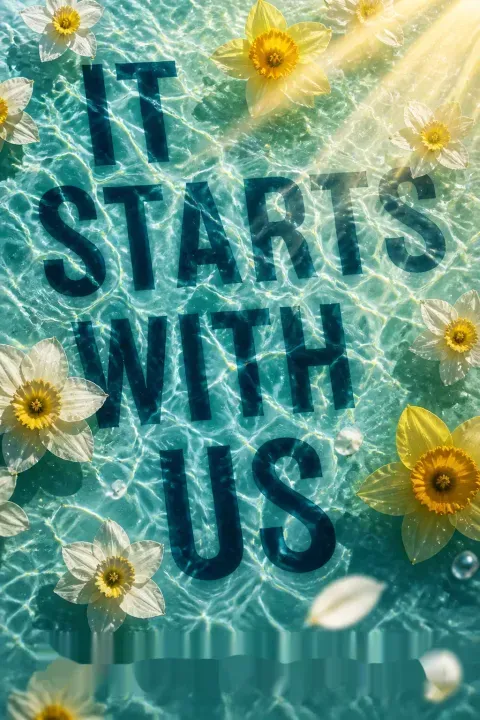

Resumen de la trama
Section 1El misterio del grafiti y los crutones
Atlas Corrigan, un exitoso restaurador, encuentra su establecimiento vandalizado con grafitis y nota la falta de crutones, un robo de lo más peculiar que le evoca recuerdos de su propia juventud conflictiva. Este incidente coincide con un encuentro fortuito con Lily Bloom, su antiguo amor, lo que reaviva viejos sentimientos y la esperanza de recuperar su relación. Al reflexionar sobre su pasado y la posibilidad de un futuro junto a Lily, Atlas decide no involucrar a la policía, pues comprende la desesperación que suele impulsar este tipo de actos.
Section 2Encuentros incómodos y sentimientos latentes
Lily Bloom, madre soltera y florista, se ve sorprendida por un encuentro casual con Atlas que revive emociones que creía enterradas. A pesar de su caótica vida y de la sombra de su exmarido, Ryle, Lily siente una chispa de felicidad al volver a ver a Atlas. Este encuentro la lleva a reflexionar sobre el pasado que comparten y la posibilidad de construir un futuro juntos, incluso mientras lidia con las complejidades de su realidad actual.
Section 3La etiqueta de los mensajes de texto y recuerdos de adolescencia
Sin saber muy bien cómo retomar el contacto con Lily, Atlas le pide consejo a su joven amigo Theo. Animado por las sugerencias de Theo, Atlas le envía un mensaje sencillo a Lily, lo que lo lleva a rememorar sus años de adolescencia y el vínculo inquebrantable que compartían. Esta nostalgia alimenta su deseo de reavivar la relación, a pesar de los años transcurridos y de los cambios en sus vidas.
Section 4Límites y coqueteos no deseados
La vida de Lily es un constante equilibrio entre sus responsabilidades como madre y su carrera como florista. Sus interacciones con Ryle, su exmarido, están cargadas de tensión, ya que él tiene dificultades para respetar los límites y superar sus sentimientos del pasado. Decidida a mantener su independencia, Lily confronta a Ryle por sus excesos, priorizando su bienestar y el de su hija Emerson a pesar de las dificultades que implica la crianza compartida.
Section 5Vandalismo y secretos familiares
El misterio del vandalismo se profundiza cuando Atlas descubre a un chico joven, posiblemente el culpable, durmiendo a las afueras de su restaurante. Las acciones y el aspecto del muchacho le recuerdan a Atlas su propio pasado. Una llamada de su distanciada madre le revela que el chico es su hermano menor, Josh, quien se ha escapado de casa. Esta revelación impulsa a Atlas a buscar a Josh, decidido a ofrecerle la estabilidad que él nunca tuvo.
Section 6Primera cita y un sueño inesperado
Con muchas ganas de reconectar, Lily y Atlas planean una cita, pero el cansancio vence a Lily, quien se queda dormida en el auto. Comprensivo ante su agotamiento, Atlas cancela los planes de la cena y la deja descansar, aprovechando el tiempo para leer su diario y reflexionar sobre la historia que comparten. Esta cita tan poco convencional fortalece su vínculo, ya que la paciencia y la empatía de Atlas le reafirman a Lily la posibilidad de un futuro juntos.
Section 7Revelaciones fraternales y la preocupación por la custodia
Después de su cita, Atlas se entera de la dura vida de Josh en la calle, consecuencia del abandono de su madre. Decidido a ayudar, Atlas acoge a Josh y asume el reto de obtener su custodia. Esta situación une más a Atlas y a Lily, quienes se apoyan mutuamente en sus respectivos desafíos mientras consideran la posibilidad de un futuro en común.
Section 8Confrontaciones y tensiones latentes
La relación de Lily con Atlas se convierte en un punto de conflicto con Ryle, cuya ira resurge al enterarse de la situación. A pesar de la tensión, Lily se mantiene firme en su decisión de proteger a su hija Emerson de la volatilidad de Ryle. Esta confrontación pone de manifiesto la lucha constante por mantener una relación cordial por el bien de Emerson, garantizando al mismo tiempo su propia seguridad y estabilidad.
Section 9Aliados inesperados y nuevos comienzos
Lily encuentra un respaldo inesperado en sus amigos Allysa y Marshall, quienes la acompañan durante una tensa intervención con Ryle. Su presencia le da a Lily la fuerza necesaria para establecer límites firmes y exigir respeto, marcando un punto de inflexión en su camino. Este apoyo le permite a Lily vislumbrar un futuro en el que pueda prosperar sin miedo, reforzando su decisión de priorizar su bienestar y el de Emerson.
Section 10Lazos familiares y decisiones difíciles
Al confrontar a su distanciada madre, Sutton, Atlas debe lidiar con las complejidades de la lealtad familiar y la responsabilidad. Decidido a darle una vida mejor a Josh, Atlas busca obtener la custodia, ofreciéndole a Sutton la oportunidad de seguir presente en la vida de su hijo. Esta decisión refleja el crecimiento de Atlas y su compromiso de romper el ciclo de abandono, reconciliándose con su pasado mientras se enfoca en construir un futuro estable para Josh.
Section 11Cartas de amor y cambios de vida
Atlas le escribe una conmovedora carta a Lily, donde reflexiona sobre su historia compartida y su amor incondicional. Esta carta captura la esencia de su relación y consolida su unión, impulsando a Lily a aceptar la posibilidad de una vida junto a Atlas. El escrito se convierte en un símbolo de su compromiso, abriendo el camino a cambios significativos en sus vidas mientras consideran la posibilidad de mudarse juntos.
Section 12Votos y promesas de eternidad
La culminación de su viaje se celebra en una emotiva ceremonia matrimonial, donde Atlas y Lily intercambian votos que reflejan su profundo amor y compromiso. Rodeados de amigos y familiares, prometen apoyarse mutuamente ante los desafíos de la vida, recibiendo el futuro con optimismo y gratitud. La boda simboliza la fuerza de su vínculo y la realización de sus sueños compartidos, al embarcarse en una vida juntos llena de amor, esperanza e infinitas posibilidades.
Analysis
Exploración del amor, la resiliencia y la sanación"Volver a empezar" (It Starts with Us) de Colleen Hoover profundiza en las complejidades del amor, la resiliencia y el proceso de sanación. A través de las vidas entrelazadas de Atlas, Lily y sus familias, la narrativa explora temas como la redención, el crecimiento personal y el poder duradero del amor. La historia destaca la importancia de confrontar el pasado para construir un futuro mejor, enfatizando la fuerza que reside en la vulnerabilidad y el coraje necesario para aceptar el cambio. El retrato que hace Hoover de las relaciones complejas y las batallas emocionales ofrece a los lectores una conmovedora reflexión sobre los desafíos y triunfos al transitar por las incertidumbres de la vida, transmitiendo finalmente un mensaje de esperanza y el poder transformador del amor.
Resumen de reseñas
Volver a empezar recibió opiniones encontradas: por un lado, los fans elogiaron el cierre de la historia y la perspectiva de Atlas; por el otro, la crítica la consideró innecesaria y un mero intento de explotación comercial. Muchos sintieron que carecía de la profundidad emocional de su predecesora. Algunos valoraron el retrato realista de la vida después del abuso, mientras que otros criticaron el romance insípido y el uso excesivo de analepsis. La presencia continua de Ryle generó controversia. Los lectores se mostraron divididos sobre si el libro era una continuación satisfactoria o un epílogo innecesario; algunos alabaron el desarrollo del personaje de Atlas y otros lo encontraron unidimensional.
También leyeron






Characters
Atlas Corrigan
Atlas es un exitoso chef y propietario de restaurantes, atormentado por un pasado difícil. Su reencuentro con Lily reaviva viejos sentimientos y lo decide a recuperar su relación. La naturaleza compasiva de Atlas se hace evidente al decidir no denunciar el vandalismo, pues comprende la desesperación que lo motivó. El descubrimiento de su hermano menor, Josh, lo impulsa a ofrecerle un entorno estable, reflejando su profundo deseo de proteger y cuidar a quienes ama.
Lily Bloom
Lily es una mujer fuerte e independiente que compagina la maternidad con su tienda de flores. Su inesperado reencuentro con Atlas despierta emociones que creía enterradas hace tiempo. A pesar de la complicada relación con su exmarido, Ryle, Lily está decidida a construir una vida estable para su hija Emerson. Su pasado con Atlas le aporta esperanza y nuevas posibilidades mientras afronta los retos de la crianza compartida y la oportunidad de un nuevo amor.
Ryle Kincaid
Ryle es el exmarido de Lily y el padre de Emerson. Los sentimientos que aún conserva por Lily complican su relación de crianza compartida. Sus problemas de ira y control generan constantes tensiones mientras intenta asimilar la realidad de su divorcio. A pesar de sus defectos, el amor por su hija es evidente, aunque sus acciones a menudo cruzan la línea de los límites adecuados.
Josh
Josh es el hermano menor de Atlas, quien ha estado viviendo en la calle debido al abandono de su madre. Su ira y desconfianza son evidentes, pero bajo su apariencia ruda se esconde un niño vulnerable que busca estabilidad. Las acciones de Josh, aunque desacertadas, son un grito de ayuda, y su relación con Atlas le ofrece una oportunidad de redención y un futuro mejor.
Sutton
Sutton es la madre de Atlas y Josh, cuya negligencia y manipulación han dejado profundas cicatrices en sus hijos. Su reaparición en la vida de Atlas desata el caos, ya que busca mantener el control sobre Josh. Las acciones de Sutton se mueven por puro interés propio, y su incapacidad para ofrecer un entorno estable a Josh pone en evidencia sus graves carencias como madre.
Plot Devices
Vandalism as a Catalyst
Los repetidos actos de vandalismo en los restaurantes de Atlas funcionan como el detonante para descubrir secretos familiares y hacer avanzar la narrativa. Este recurso revela la existencia de Josh, el hermano menor de Atlas, y expone la desesperación y el abandono que este ha sufrido. El vandalismo obliga a Atlas a tomar cartas en el asunto, lo que lleva a una exploración más profunda de su pasado y al compromiso de ofrecerle un futuro mejor a Josh.
Journals as a Connection
Los diarios de Lily sirven como un poderoso puente de conexión entre ella y Atlas, ofreciendo una mirada íntima a su pasado común y profundizando su lazo emocional. Sus páginas abren una ventana a los pensamientos y sentimientos de Lily, permitiendo que Atlas comprenda el verdadero impacto de su relación. Los diarios funcionan como un recurso narrativo que une sus años de adolescencia con sus vidas actuales, destacando la naturaleza imperecedera de su conexión.
Letters as Emotional Bridges
El uso de cartas en la narrativa funciona como una herramienta muy eficaz para conectar las emociones del pasado con las del presente. La conmovedora carta de Atlas a Lily captura la esencia de su relación, ofreciendo una mirada sincera a sus sentimientos y esperanzas para el futuro. Estas cartas actúan como un recurso narrativo que permite a los personajes expresar sus emociones más profundas y consolidar sus lazos, impulsando en última instancia el desarrollo de la historia.
Custody as a Catalyst for Change
La lucha por la custodia de Josh funciona como un catalizador para el crecimiento y desarrollo personal de Atlas. Lo obliga a confrontar su pasado y a tomar decisiones difíciles por el bienestar y el futuro de su hermano. Este recurso narrativo resalta los temas de la familia, la responsabilidad y la redención, mientras Atlas navega por las complejidades de la relación con Sutton y se compromete a brindarle un hogar estable a Josh.
Preguntas frecuentes
Synopsis & Basic Details
What is It Starts with Us about?
- Second chance romance blooms: It Starts with Us follows Lily and Atlas as they navigate the complexities of rekindling their relationship after years apart, while dealing with the lingering presence of Lily's ex-husband, Ryle.
- Family and past collide: The story explores themes of family, both chosen and biological, as Atlas grapples with the sudden appearance of his younger brother, Josh, and Lily navigates co-parenting with Ryle.
- Personal growth and healing: Both Lily and Atlas confront their past traumas and insecurities, working towards personal growth and healing as they navigate their individual challenges and their potential future together.
Why should I read It Starts with Us?
- Emotional depth and complexity: Colleen Hoover masterfully portrays the characters' inner struggles and emotional complexities, creating a deeply moving and relatable reading experience.
- Second chance love story: The novel offers a compelling second chance romance, exploring the challenges and joys of rekindling a past love while navigating present-day obstacles.
- Themes of resilience and hope: It Starts with Us highlights the importance of resilience, personal growth, and the power of hope in overcoming past traumas and building a better future.
What is the background of It Starts with Us?
- Sequel to It Ends with Us: It Starts with Us is a direct sequel to Colleen Hoover's "It Ends with Us," continuing the story of Lily and Atlas and picking up right where the first book concluded.
- Contemporary setting: The story is set in modern-day Boston, with characters navigating the challenges of careers, relationships, and family in a contemporary urban environment.
- Focus on personal relationships: The background is primarily focused on the personal relationships and emotional journeys of the characters, rather than historical or political events.
What are the most memorable quotes in It Starts with Us?
- "I want to help you uncomplicate it.": This quote from Atlas to Lily encapsulates his desire to support her and navigate the complexities of her life, highlighting his caring and protective nature.
- "You're my favorite person, Lily. And now you know why.": This quote from Atlas's letter to Lily reveals the depth of his feelings and the impact she has had on his life, emphasizing the importance of their connection.
- "I'm not saying I want you to see her any less. I just want my key back. I value my privacy.": This quote from Lily to Ryle highlights her need for boundaries and her determination to protect her independence, showcasing her strength and resilience.
What writing style, narrative choices, and literary techniques does Colleen Hoover use?
- Dual perspective narration: The story is told from the alternating perspectives of Lily and Atlas, allowing readers to gain insight into their individual thoughts, feelings, and motivations.
- Emotional and introspective prose: Hoover's writing style is characterized by its emotional depth and introspective nature, delving into the characters' inner struggles and vulnerabilities.
- Use of letters and journal entries: The inclusion of letters and journal entries provides a unique way to reveal the characters' past experiences and unspoken feelings, enhancing the emotional impact of the story.
Hidden Details & Subtle Connections
What are some minor details that add significant meaning?
- The misspelled "ass whole": The misspelling of "asshole" as "ass whole" in the graffiti at Bib's is a subtle nod to Atlas's mother's way of saying the word, highlighting the lasting impact of his childhood experiences.
- The stolen croutons: The seemingly random theft of croutons from Bib's is a callback to Atlas's own past desperation and hunger, emphasizing his empathy for the vandal.
- Lily's "Surprise Lily" nail polish: The detail of Lily's "Surprise Lily" nail polish, which Atlas remembers from their youth, adds a layer of nostalgia and highlights the enduring nature of their connection.
What are some subtle foreshadowing and callbacks?
- Atlas's "We finally reached the shore": Atlas's use of the "Finding Nemo" quote is a callback to their shared childhood and foreshadows their journey of reconnection.
- Lily's tattoo: The tattoo on Lily's shoulder, a heart surrounded by scars, is a callback to Ryle's bite and a subtle reminder of the abuse she endured, while also symbolizing her enduring love for Atlas.
- The recurring mention of the color blue: The recurring mention of the color blue, particularly in relation to Atlas's bedroom wall, subtly foreshadows the depth of his emotions and his connection to Lily.
What are some unexpected character connections?
- Theo and Josh's friendship: The unexpected connection between Theo and Josh, who attend the same school, adds a layer of complexity to Atlas's life and highlights the interconnectedness of the characters.
- Marshall's understanding: Marshall's unexpected empathy and understanding of Lily's situation, stemming from his own past experiences, reveals a deeper connection between them and provides Lily with much-needed support.
- Sutton's past with Atlas: The revelation of Sutton's past with Atlas, including the day trip to Cape Cod, adds a layer of complexity to their relationship and highlights the lasting impact of their shared history.
Who are the most significant supporting characters?
- Theo: Atlas's young friend, Theo, provides insightful advice and a unique perspective, often acting as a voice of reason and offering comic relief.
- Allysa: Lily's best friend, Allysa, offers unwavering support and a dose of reality, helping Lily navigate her complex relationships and make difficult decisions.
- Marshall: Allysa's husband, Marshall, provides a sense of stability and understanding, offering a male perspective and support to both Lily and Atlas.
Psychological, Emotional, & Relational Analysis
What are some unspoken motivations of the characters?
- Atlas's need for stability: Atlas's unspoken motivation is to create a stable and loving environment for Josh, stemming from his own unstable childhood and desire to break the cycle of neglect.
- Lily's desire for independence: Lily's unspoken motivation is to protect her independence and ensure her daughter's safety, driving her to set boundaries with Ryle and seek a relationship with Atlas on her own terms.
- Ryle's fear of abandonment: Ryle's unspoken motivation is his fear of abandonment and his desire to control Lily, which manifests in his anger and overstepping of boundaries.
What psychological complexities do the characters exhibit?
- Atlas's imposter syndrome: Despite his success, Atlas struggles with imposter syndrome, questioning his worthiness of Lily's love and his ability to provide for Josh.
- Lily's fear of vulnerability: Lily's past experiences with abuse have made her hesitant to be vulnerable, causing her to question her worthiness of love and happiness.
- Ryle's emotional immaturity: Ryle's inability to control his anger and his tendency to blame others for his actions reveal his emotional immaturity and his struggle to take responsibility for his behavior.
What are the major emotional turning points?
- Atlas reading Lily's journal: Atlas reading Lily's journal entries is a major emotional turning point, allowing him to fully understand her past and the depth of her feelings for him.
- Lily's confrontation with Ryle: Lily's confrontation with Ryle on the rooftop is a major emotional turning point, as she finally asserts her independence and refuses to be controlled by his anger.
- Atlas's conversation with Sutton: Atlas's conversation with Sutton is a major emotional turning point, as he confronts his past and makes the decision to take custody of Josh, breaking the cycle of neglect.
How do relationship dynamics evolve?
- Lily and Atlas's reconnection: Lily and Atlas's relationship evolves from a chance encounter to a deep and meaningful connection, as they navigate their past traumas and build a future together.
- Lily and Ryle's co-parenting: Lily and Ryle's co-parenting relationship evolves from a tense and volatile dynamic to a more structured and boundary-driven arrangement, as Lily prioritizes her and Emerson's well-being.
- Atlas and Josh's bond: Atlas and Josh's relationship evolves from a strained and distrustful dynamic to a bond of brotherhood, as they learn to trust and support each other through their shared experiences.
Interpretation & Debate
Which parts of the story remain ambiguous or open-ended?
- Ryle's future: The story leaves Ryle's future somewhat ambiguous, with the reader left to wonder if he will truly change or if he will continue to struggle with his anger and control issues.
- Sutton's redemption: Sutton's future is also left open-ended, with the reader left to question if she will ever truly be able to provide a stable and loving environment for Josh.
- The long-term impact of trauma: The long-term impact of trauma on the characters' lives is left somewhat ambiguous, with the reader left to wonder if they will ever fully heal from their past experiences.
What are some debatable, controversial scenes or moments in It Starts with Us?
- Lily's decision to hide Atlas from Ryle: Lily's decision to hide Atlas in the closet from Ryle is a debatable moment, as it highlights the complexities of her situation and the lengths she is willing to go to avoid conflict.
- Atlas's confrontation with Ryle: Atlas's confrontation with Ryle at his restaurant is a controversial scene, as it raises questions about the appropriateness of violence and the boundaries of personal responsibility.
- Lily's decision to allow Ryle visits: Lily's decision to allow Ryle visits with Emerson, despite his past behavior, is a debatable moment, as it highlights the challenges of co-parenting and the complexities of forgiveness.
It Starts with Us Ending Explained: How It Ends & What It Means
- Lily and Atlas's commitment: The ending of It Starts with Us solidifies Lily and Atlas's commitment to each other, as they move in together and plan for a future filled with love and support.
- Breaking the cycle of abuse: The ending emphasizes the importance of breaking the cycle of abuse and creating a safe and loving environment for future generations, as Atlas takes custody of Josh and Lily prioritizes Emerson's well-being.
- Hope for the future: The ending offers a message of hope and resilience, as the characters navigate their individual challenges and embrace the possibility of a brighter future together, highlighting the transformative power of love and forgiveness.
Romper el círculo Serie


Sobre el autor
Otros libros de Colleen Hoover








Descargar PDF
Descargar EPUB
.epub digital book format is ideal for reading ebooks on phones, tablets, and e-readers.








































