
Plot Summary
Shadows Over Denver
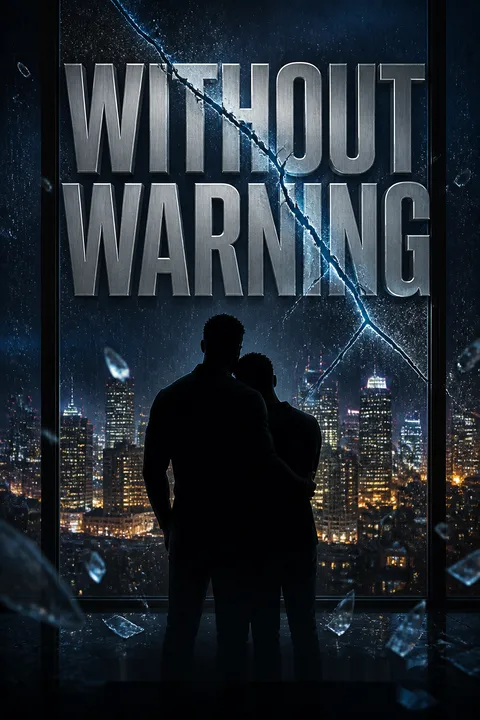
Harrison, a young, wealthy executive in Denver, is haunted by trauma from a past attack that killed his bodyguard. Now, anonymous threats and unsettling deliveries disrupt his fragile sense of safety. His uncle, Dean, insists on hiring protection, but Harrison resists, fearing more blood on his hands. The city's glittering skyline offers no comfort as Harrison's anxiety mounts, and the shadow of his father's controlling will looms over every decision. The emotional weight of loss, guilt, and the pressure to marry for inheritance set the stage for a story where safety and love seem equally out of reach.
Threats and Old Wounds
Harrison's world is shaken when a parking garage attack leaves him physically and emotionally battered. The incident reopens old wounds from his bodyguard's death, intensifying his reluctance to accept help. Friends and colleagues, including the loyal but volatile Toby and the persistent Shelby, orbit his life, each with their own motives. The threats escalate from notes to violence, and Harrison's vulnerability is laid bare. The city's security systems—ironically his own company's specialty—are under upgrade, leaving him exposed. The sense of being hunted grows, and the emotional toll deepens as Harrison struggles to trust anyone, including himself.
Reluctant Protector Assigned
Ryder, a gruff, battle-scarred bodyguard, is assigned to protect Harrison despite his own reluctance and painful memories tied to Denver. Their first meeting is a collision of personalities: Harrison's wounded pride and Ryder's disdain for the wealthy. Both men carry scars—Harrison's are visible in his anxiety and self-doubt, Ryder's in his cynicism and failed marriage. The forced partnership is fraught with tension, misunderstandings, and a simmering attraction neither wants to acknowledge. As Ryder embeds himself in Harrison's life, the boundaries between professional duty and personal connection begin to blur.
Collision of Wills
Harrison and Ryder's relationship is a battlefield of control and vulnerability. Harrison resents the intrusion but is forced to rely on Ryder's competence as threats intensify. Ryder, meanwhile, is drawn to Harrison's fragility and resilience, even as he mocks the trappings of wealth. The two men circle each other—testing limits, exchanging barbs, and revealing glimpses of their true selves. The emotional stakes rise as Harrison's need for safety wars with his fear of intimacy, and Ryder's protective instincts threaten to cross into something deeper. Their dynamic is electric, fraught with unspoken longing and mutual frustration.
Stalker in the Shadows
The investigation into Harrison's stalker reveals a web of possible culprits: jealous ex-lovers, ambitious coworkers, and even family members with motives tied to money and power. The security system's downtime provides cover for the stalker's escalating actions, from vandalism to attempted murder. Police detectives, bodyguards, and Harrison's inner circle all become entangled in suspicion. Ryder's instincts point to those closest to Harrison, but the lack of evidence and the stalker's cunning keep everyone on edge. The psychological toll mounts, and trust becomes a rare commodity.
Escalation and Close Calls
The stalker's attacks become bolder—cut brake lines, gunfire, and chilling messages. Harrison's world narrows to a state of constant fear, and Ryder's vigilance is pushed to the limit. The two men are forced into close quarters, their emotional walls crumbling under the pressure. Each new attack exposes vulnerabilities and deepens their reliance on each other. The line between professional and personal blurs as Ryder's protectiveness becomes entwined with genuine care, and Harrison's resistance gives way to gratitude and growing affection.
Unmasking Suspects
As detectives dig deeper, the list of suspects is narrowed through alibis, evidence, and psychological profiling. Harrison's ex, Edward, is questioned and cleared, while coworkers Shelby and Toby come under scrutiny. The stepmother, Sheila, is implicated through suspicious financial activity, but her involvement remains uncertain. The sabotage of security systems and the planting of evidence point to an inside job. The emotional stakes rise as Harrison is forced to confront the reality that someone he knows—and perhaps trusts—is trying to destroy him.
Forced Intimacy, Growing Trust
Forced to retreat from public life, Harrison and Ryder find themselves isolated in safe houses and, eventually, Ryder's family cabin. The enforced proximity strips away pretense, exposing raw wounds and hidden desires. Harrison's defenses crumble as he allows himself to be cared for, while Ryder's gruff exterior softens in the face of Harrison's pain. Shared stories, laughter, and moments of tenderness forge a bond that transcends their initial roles. The threat outside becomes a crucible, forging intimacy and trust in its heat.
Family, Fortune, and Fear
The legacy of Harrison's father—his fortune, company, and the stipulation to marry—casts a long shadow over every relationship. Family dynamics are fraught: Dean's protectiveness, Sheila's resentment, and the memory of a distant mother all shape Harrison's sense of self-worth. Ryder's own family, introduced during a retreat, offers a contrast: warmth, acceptance, and a model of love that Harrison has never known. The question of who to trust—and what is worth fighting for—becomes central as the threat draws closer.
The Fundraiser Fiasco
A high-profile fundraiser becomes a crucible for Harrison and Ryder. The event is a minefield of social expectations, jealous suitors, and lurking danger. An encounter with Harrison's ex and a confrontation with the stalker escalate the tension. Amidst the chaos, Harrison and Ryder's connection deepens, culminating in a moment of vulnerability that neither can deny. The public spectacle contrasts with private confessions, and the emotional stakes reach a breaking point.
Lines Crossed, Hearts Exposed
The aftermath of violence and close calls brings Harrison and Ryder to a crossroads. Their mutual attraction, long denied, erupts into passion. The physical connection is both a release and a risk, as both men fear the consequences of crossing professional boundaries. The emotional intimacy that follows is transformative, offering healing for old wounds and hope for the future. But the threat remains, and the cost of love may be higher than either is willing to pay.
Danger at Every Turn
As the investigation narrows, the stalker's actions become more desperate and violent. A shocking betrayal from within Harrison's circle is revealed, and the final pieces of the puzzle fall into place. The danger becomes personal, targeting not just Harrison but those he loves. Ryder's protective instincts are tested to the breaking point, and Harrison must find the courage to fight for his own survival. The climax is a race against time, with lives and futures hanging in the balance.
Retreat to Safety
The immediate threat is neutralized, but the scars—physical and emotional—remain. Harrison and Ryder retreat to the safety of family and friends, seeking solace and healing. The process is slow and fraught with setbacks, but the foundation of trust and love they have built sustains them. The question of the future looms: can they move beyond the trauma and build a life together, or will fear and doubt keep them apart?
The Truth Revealed
The full truth of the stalker's motives and actions comes to light, forcing Harrison to confront uncomfortable realities about trust, friendship, and his own choices. Guilt and grief are tempered by the support of Ryder and the extended family they have created. The process of forgiveness—of self and others—becomes central to healing. The lessons of the past are integrated, and the possibility of a new beginning emerges.
Final Confrontation
The final confrontation with the stalker is brutal and cathartic. Harrison and Ryder are pushed to their limits, forced to rely on each other and their own inner strength. The battle is not just for survival, but for the right to claim happiness in the face of fear. Sacrifices are made, and the cost of love is paid in blood and tears. The victory is hard-won, but it marks the end of a long nightmare.
Healing and New Beginnings
In the aftermath, Harrison and Ryder begin the slow process of rebuilding. Physical wounds heal, but the emotional journey is ongoing. Family, friends, and chosen kin gather to support them, offering a vision of what life can be beyond trauma. The question of marriage and inheritance is resolved not through obligation, but through genuine love and commitment. The future is uncertain, but hope prevails.
Love Without Warning
Harrison and Ryder, having survived the worst, choose each other freely and without reservation. Their love, forged in crisis, becomes a source of strength and joy. The story ends not with the absence of danger, but with the presence of trust, intimacy, and the promise of a life built together. The lesson is clear: love, when it comes, arrives without warning, but it is worth every risk.
Analysis
Without Warning is a romantic suspense novel that explores the intersection of trauma, trust, and the search for authentic love in a world defined by danger and deception. At its core, the book is about two men—each scarred by loss and betrayal—who are forced to confront their deepest fears in order to find safety, not just from external threats, but within themselves. The narrative interrogates the corrosive effects of wealth, the complexities of family legacy, and the ways in which love can be both a risk and a refuge. Through its dual perspective, the novel invites readers to empathize with both the wounded heir and the reluctant protector, revealing the ways in which vulnerability can be a source of strength. The plot's twists and red herrings mirror the psychological labyrinth of trauma recovery, while the eventual unmasking of the stalker underscores the dangers of misplaced trust and the necessity of self-advocacy. Ultimately, Without Warning argues that love—when chosen freely and without precondition—is the only true security in an unpredictable world. The story's resolution, with its emphasis on healing, chosen family, and the courage to risk again, offers a hopeful vision of what it means to be truly safe: not behind locked doors, but in the arms of someone who sees and accepts you, scars and all.
Review Summary
Without Warning receives mixed reviews averaging 4.18 stars. Many readers enjoyed the fast-paced action and bodyguard romance between Harrison and Ryder, praising the suspenseful stalker plot with its twist ending. Common criticisms include shallow character development, plot holes—particularly the implausible detail of a security company having cameras offline for weeks—and rushed romance. Some found the story predictable and formulaic, while others appreciated its entertaining, comfort-read quality. The dark, violent ending shocked several readers. Multiple reviewers noted too many underdeveloped side characters introduced for future books.
Characters
Harrison Trudel
Harrison is the young, wealthy heir to Trudel Industries, haunted by the trauma of a past attack that killed his bodyguard. Sensitive, intelligent, and deeply anxious, he struggles with feelings of guilt, inadequacy, and the burden of his father's controlling will, which demands he marry to inherit. Harrison's relationships are fraught with suspicion—he is surrounded by people who may want him for his money or status. His journey is one of learning to trust, to accept help, and ultimately to open his heart to love. Through the crucible of danger, Harrison transforms from a passive victim to an active participant in his own life, finding strength in vulnerability and connection.
Ryder Freeman
Ryder is a seasoned bodyguard, scarred by a failed marriage and a history of betrayal. Cynical, blunt, and fiercely competent, he initially resents being assigned to protect a "spoiled rich boy." However, beneath his tough exterior lies a deep well of empathy and a longing for genuine connection. Ryder's journey is one of breaking down his own emotional walls, learning to trust again, and allowing himself to be vulnerable. His relationship with Harrison challenges his assumptions about love, loyalty, and what it means to truly protect someone—not just from external threats, but from their own fears.
Dean Trudel
Dean is Harrison's uncle and co-manager of Trudel Industries. Loyal, pragmatic, and sometimes overbearing, he acts as both protector and enforcer of the family legacy. Dean's love for Harrison is genuine, but his methods—insisting on bodyguards, pushing for marriage—often clash with Harrison's desire for autonomy. Dean represents the weight of family expectations and the complexities of love expressed through control.
Toby Grant
Toby is Harrison's longtime friend and coworker, whose loyalty masks deeper, more dangerous obsessions. Initially a source of comfort, Toby's possessiveness and volatility escalate as the story progresses. His military background and emotional instability make him both a suspect and, ultimately, the true stalker. Toby's arc is a tragic descent into violence, driven by unrequited love and a warped sense of entitlement.
Shelby Clark
Shelby is the head of the video feed division at Trudel Industries and a frequent, if unwelcome, suitor for Harrison's affections. His persistence and proximity make him a prime suspect in the stalking, but his motives are ultimately more pathetic than sinister. Shelby's role is to complicate the web of suspicion and to highlight the dangers of blurred boundaries in the workplace.
Sheila Trudel
Sheila is Harrison's stepmother, embittered by her exclusion from the family fortune and prone to substance abuse. Her financial machinations and erratic behavior make her a plausible suspect, but her true role is that of a tragic figure—someone destroyed by greed and addiction, but not the architect of violence. Sheila embodies the corrosive effects of money and the dangers of unresolved grief.
Brian Sanders
Brian is the head of security at Trudel Industries, a no-nonsense professional who becomes an ally to both Harrison and Ryder. His competence and loyalty provide a counterpoint to the chaos and suspicion swirling around Harrison. Brian's presence is a reminder that not all protectors are motivated by money or power—some are simply good at their jobs.
August Young
August is Harrison's college roommate and confidant, now living abroad. Witty, supportive, and fiercely loyal, August provides emotional grounding for Harrison throughout the ordeal. His outsider perspective and unconditional love help Harrison navigate the treacherous waters of trust, intimacy, and self-worth.
Logan Cobalt
Logan is the owner of Cobalt Security and Ryder's boss. Wealthy, connected, and deeply ethical, Logan serves as a mentor to Ryder and a link to Harrison's late father. His role is to facilitate the partnership between Harrison and Ryder, and to provide resources and support when the stakes are highest.
Jaxon
Jaxon is Ryder's best friend and fellow bodyguard, a steadying influence and occasional comic relief. His presence underscores the importance of chosen family and the bonds forged in adversity. Jaxon's loyalty to Ryder and, by extension, to Harrison, is unwavering.
Plot Devices
Dual Protagonist Perspective
The novel employs a dual perspective, alternating between Harrison and Ryder. This structure allows readers to experience the unfolding danger, emotional turmoil, and growing intimacy from both sides. The shifting viewpoints create dramatic irony, as each man's vulnerabilities and misconceptions are laid bare, heightening tension and empathy.
Red Herrings and Misdirection
The plot is driven by a series of red herrings—multiple suspects, false leads, and planted evidence. The sabotage of security systems, the stepmother's suspicious withdrawals, and the persistent suitors all serve to keep readers guessing. This device sustains suspense and mirrors Harrison's own uncertainty about whom to trust.
Forced Proximity and Isolation
The escalating threats force Harrison and Ryder into close quarters—safe houses, cabins, and retreats. This physical isolation strips away social masks and accelerates emotional intimacy. The device is used to explore themes of vulnerability, trust, and the healing power of connection.
Foreshadowing and Symbolism
The novel foreshadows later events through references to Harrison's past trauma, the death of his bodyguard, and the stipulations of his father's will. Recurring symbols—such as locked doors, security cameras, and physical scars—underscore the themes of safety, surveillance, and the cost of love.
Inheritance and Conditional Love
The stipulation in Harrison's father's will—that he must marry to inherit—serves as both a plot engine and a metaphor for conditional love. The device raises questions about autonomy, authenticity, and the true meaning of family. It also provides a ticking clock, adding urgency to Harrison's personal and romantic decisions.
Climactic Confrontation and Catharsis
The final confrontation with the stalker is both a physical and emotional climax. The violence is not gratuitous, but serves as a crucible in which old wounds are cauterized and new bonds are forged. The aftermath provides space for reflection, forgiveness, and the possibility of a new beginning.
Cobalt Security Series
Download PDF
Download EPUB
.epub digital book format is ideal for reading ebooks on phones, tablets, and e-readers.








































