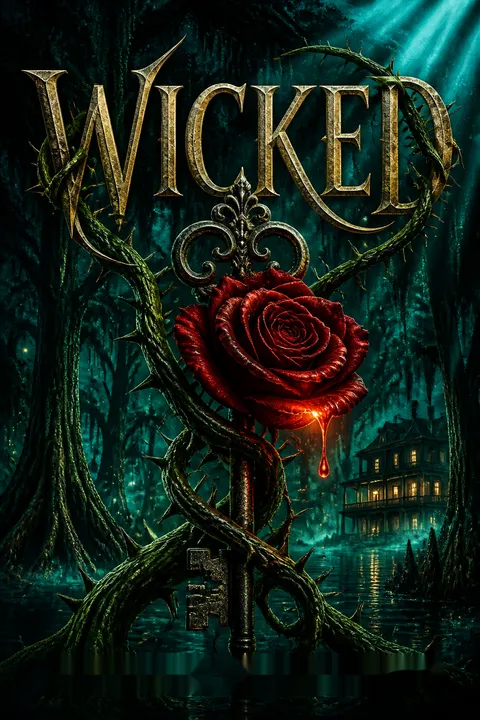

Summary Temporarily Unavailable
This summary is temporarily unavailable and is currently being updated. You can still explore the FAQs and other metadata below.
Plot Summary
Bloodlines and Betrayal Revealed
Ivy Morgan's life as a member of the Order in New Orleans is upended when she discovers she is the halfling—a rare human-fae hybrid prophesied to open the gates to the Otherworld. Her closest friend, Tink, a brownie she's sheltered, confesses he's always known her secret. The revelation is compounded by the betrayal of her best friend, Val, who has been working with the fae and the ancient prince, Drake. Ivy is forced to confront the reality that her blood is the key to an apocalypse, and that those she loves may be forced to kill her to prevent it. The emotional weight of secrets and betrayals leaves Ivy reeling, unsure of who she can trust, and terrified of what her existence means for the world.
The Weight of Secrets
As Ivy grapples with her new identity, she is forced to hide the truth from Ren, the man she loves, and the rest of the Order. The knowledge that the prince can track her anywhere after tasting her blood leaves her feeling hunted and vulnerable. Ivy's sense of self is fractured; she is torn between her duty to the Order and her desperate desire to protect Ren from the truth. The burden of secrecy isolates her, and the threat of exposure looms over every interaction. Ivy's internal conflict is mirrored by the external danger, as the prince's plans to use her for his own ends become increasingly clear, and the lines between friend and foe blur.
Love and Lies Entwined
Despite the chaos, Ivy and Ren's relationship intensifies, offering moments of solace and passion. Their connection is tested by the secrets Ivy keeps, and the ever-present threat of the fae. Ren's devotion is unwavering, but Ivy's fear of losing him—either to death or to the truth—haunts her. The couple's stolen moments of intimacy are shadowed by the knowledge that Ren's duty as an Elite member of the Order is to kill the halfling, not love her. Ivy's guilt grows as she realizes that her love for Ren may ultimately be his undoing, and she is forced to choose between her heart and the fate of the world.
The Prince's Proposition
The ancient fae prince, Drake, emerges as a chilling antagonist, confronting Ivy with his plan to use her to create an apocalypse child. His power is overwhelming, and his ability to manipulate and threaten those around Ivy leaves her with little hope of escape. Drake's cold logic and lack of empathy make him a terrifying force, and his obsession with Ivy is both personal and apocalyptic. Ivy's attempts to resist are met with threats against those she loves, and she is forced into a deadly game of survival, where her consent is the only barrier to the end of the world.
Chains of Fate
Ivy is captured and chained, both literally and figuratively, by the prince and his followers. Her autonomy is stripped away as she is held prisoner, her every move watched and controlled. The physical chains around her neck are a constant reminder of her powerlessness, and the psychological torment of being used as a tool for destruction weighs heavily on her. Ivy's sense of self erodes as she is forced to confront the reality of her situation: she is a prize to be claimed, a weapon to be wielded, and her only hope lies in the slim chance of escape or rescue.
Feeding Darkness
Under the prince's compulsion, Ivy is manipulated into feeding on humans, awakening a dark and terrifying aspect of her fae heritage. The act is both euphoric and horrifying, leaving her wracked with guilt and self-loathing. Each feeding chips away at her humanity, and the fear of losing herself to the darkness grows. Ivy's struggle to retain her identity and morality becomes a central battle, as she fights not only the prince's control but also the seductive pull of her own power. The experience leaves her traumatized, questioning whether she can ever be whole again.
Escape and Consequence
With the help of Faye, a fae who rejects the prince's cruelty, Ivy seizes a narrow window of opportunity to escape. The attempt is fraught with danger, and the cost is high—violence, blood, and the risk of recapture. Ivy's flight through the bayou is a test of her resilience and will to survive. The escape is not just from physical captivity, but from the psychological chains that have bound her. The ordeal leaves her battered and changed, but also sparks the first glimmers of hope that she can reclaim her life and agency.
Allies in the Shadows
Ivy is taken to a hidden sanctuary run by fae who have rejected the predatory ways of their kind. Here, she learns that not all fae are monsters, and that alliances can be forged across old divides. The sanctuary is a place of healing and revelation, where Ivy is reunited with Ren and Tink, and meets others who have suffered under the prince's rule. The existence of good fae challenges Ivy's assumptions and offers a new perspective on her own identity. The bonds of friendship and love are strengthened, and Ivy begins to believe that redemption and resistance are possible.
The Good Fae's Sanctuary
Within the sanctuary, Ivy and her allies regroup and plan their next move. The good fae reveal the existence of a powerful crystal capable of sending the prince back to the Otherworld, but the path to victory is fraught with peril. Ivy's role as the halfling is both a curse and a weapon, and she must come to terms with the duality of her nature. The sanctuary offers a brief respite, but the threat of the prince's return and the looming apocalypse cast a long shadow. Ivy's sense of purpose is rekindled, and she resolves to fight not just for herself, but for all those who cannot.
Haunted Hearts Reunited
The reunion between Ivy and Ren is bittersweet, marked by relief, love, and the scars of their ordeals. Both are haunted by what they have endured—Ren by his captivity and Ivy by the things she was forced to do. Their love is tested by guilt, fear, and the knowledge that the world may never accept what they are. Through vulnerability and honesty, they begin to heal, finding strength in each other. The process is slow and painful, but their bond is unbreakable, and together they face the uncertain future.
The Price of Survival
Ivy is plagued by guilt over the harm she has caused and the choices she has made. The struggle to forgive herself is mirrored by Ren's determination to love her despite everything. The couple's journey is one of survival, not just against external threats, but against the darkness within. The support of friends like Tink and the acceptance of the good fae offer a path to redemption. Ivy learns that survival is not just about enduring, but about finding meaning and hope in the aftermath of trauma.
A Plan Against the Prince
Armed with new knowledge and allies, Ivy and her companions devise a plan to defeat the prince and prevent the apocalypse. The quest for the crystal, the need for royal and halfling blood, and the challenge of entering the Otherworld set the stage for a final confrontation. The stakes are higher than ever, and the cost of failure is unthinkable. Ivy's courage and determination are tested as she prepares to face the prince one last time, knowing that the fate of both worlds rests on her shoulders.
Torn but Unbroken
In the aftermath of her ordeal, Ivy is changed but not broken. The darkness within her is tempered by the love and loyalty of those around her. She is torn—between worlds, between identities, between the past and the future—but she is not alone. The journey ahead is uncertain, and the battle is far from over, but Ivy is no longer defined by fear or shame. She is brave, resilient, and ready to fight for a world where love, hope, and redemption are possible.
Analysis
Wicked by Jennifer L. Armentrout is a dark, emotionally charged urban fantasy that explores the complexities of identity, trauma, and redemption through the lens of supernatural conflict. At its core, the novel is a meditation on the struggle for agency in a world where power is often wielded through manipulation and coercion. Ivy's journey from hunted halfling to resilient survivor is marked by loss, betrayal, and the constant threat of annihilation, but also by the transformative power of love and friendship. The narrative deftly balances moments of intense action with introspective character development, using the supernatural as a metaphor for real-world issues of consent, self-acceptance, and the search for belonging. The presence of good fae and the formation of unlikely alliances challenge binary notions of good and evil, suggesting that redemption is possible even in the darkest of circumstances. Ultimately, Wicked is a story about the courage to face one's own darkness, the strength to forgive, and the hope that, even when torn by fate, we can choose to be brave and unbroken.
Last updated:
Report IssueReview Summary
Wicked receives mixed reviews, with an average rating of 3.93 out of 5. Readers praise the chemistry between protagonists Ivy and Ren, as well as the humorous character Tink. The New Orleans setting and fae mythology are appreciated. However, some find the plot predictable and similar to other paranormal romances. Fans of Jennifer L. Armentrout's writing style enjoy the book's steamy romance and witty dialogue, while others criticize its lack of originality. The cliffhanger ending leaves many readers eager for the next installment.
People Also Read
Characters
Ivy Morgan
Ivy is a young woman whose life is defined by loss, duty, and the constant threat of violence. As a member of the Order, she is trained to hunt fae, but the revelation that she is a halfling—a being both human and fae—shatters her sense of self. Ivy is fiercely loyal, especially to Ren and Tink, and her love is both her greatest strength and vulnerability. She is plagued by guilt and self-doubt, especially after being forced to feed on humans and endure captivity. Ivy's journey is one of survival, self-acceptance, and the search for hope in the face of overwhelming darkness. Her resilience and capacity for love ultimately define her, even as she is torn between worlds.
Ren Owens
Ren is an Elite member of the Order, tasked with hunting the halfling, but his love for Ivy complicates his sense of duty. He is strong, resourceful, and deeply loyal, willing to risk everything to save Ivy from the prince and herself. Ren's own trauma—captivity, manipulation, and the fear of losing Ivy—shapes his actions and deepens his empathy. He struggles with guilt over his perceived failures and the violence he is forced to commit. Ren's journey is one of forgiveness, both of himself and Ivy, and his unwavering love becomes a source of healing and strength for them both.
Tink
Tink is a brownie from the Otherworld who has lived with Ivy in secret. His playful, sarcastic demeanor masks a deep well of loyalty and courage. Tink's true nature—his ability to shift between forms and his knowledge of fae politics—proves invaluable. He is both comic relief and emotional anchor, providing Ivy with comfort and support when she needs it most. Tink's own fears and insecurities are revealed as he steps up to protect Ivy and Ren, showing that even the smallest allies can have the biggest impact.
Drake (The Prince)
Drake is the ancient fae prince whose goal is to use Ivy to create a child that will open the gates to the Otherworld, unleashing destruction. He is powerful, cunning, and utterly lacking in empathy. Drake's obsession with Ivy is both personal and strategic, and his ability to manipulate, coerce, and control makes him a terrifying adversary. He embodies the seductive danger of the fae, and his actions force Ivy and her allies to confront the darkest parts of themselves. Drake's presence is a constant threat, driving the narrative's tension and stakes.
Valerie (Val)
Val is Ivy's best friend whose betrayal cuts deepest. Her alliance with the fae and the prince is driven by a complex mix of fear, desire, and disillusionment with the Order. Val's choices have devastating consequences, leading to her own death and the deaths of others. She is both a victim of manipulation and an agent of chaos, embodying the dangers of compromise and the cost of survival. Val's relationship with Ivy is a source of pain and reflection, forcing Ivy to question trust, loyalty, and forgiveness.
Faye
Faye is a member of the good fae who rejects the predatory ways of her kind. Her decision to help Ivy escape is an act of courage and defiance, risking her own safety for the greater good. Faye's compassion and empathy challenge Ivy's assumptions about the fae, and her presence offers a path to healing and alliance. She is a symbol of hope and the possibility of change, showing that even in a world of monsters, there are those who choose to do good.
Tanner
Tanner is the leader of the good fae sanctuary, embodying the possibility of coexistence and redemption. His age and wisdom set him apart from other fae, and his commitment to protecting both humans and fae from the prince's plans is unwavering. Tanner's leadership is marked by pragmatism, compassion, and a willingness to trust those who have been enemies. He represents the hope for a better future, where old wounds can be healed and new alliances forged.
Brighton
Brighton is Merle's daughter and a steadfast ally to Ivy. Her determination to find her mother and uncover the truth about the good fae is instrumental in the fight against the prince. Brighton's loyalty and courage are matched by her intelligence and resourcefulness. She is a reminder of the importance of friendship, family, and the power of ordinary people to make a difference in extraordinary circumstances.
Merle
Merle is a former Order member whose knowledge of fae history and prophecy is crucial to the resistance. Her journals and maps reveal the existence of good fae and the means to defeat the prince. Merle's eccentricity masks a deep wisdom and foresight, and her actions are guided by a sense of destiny and responsibility. She is both mentor and catalyst, pushing Ivy and her allies toward the truth and the fight ahead.
Breena
Breena is a fae loyal to the prince, embodying the cruelty and seductiveness of the Otherworld. Her obsession with Ren and her rivalry with Ivy add a personal dimension to the conflict. Breena's actions are driven by jealousy, ambition, and a desire for power. She is both tormentor and victim, caught in the web of the prince's schemes. Breena's presence heightens the stakes and the emotional intensity of Ivy's struggle.
Plot Devices
Duality of Identity and Hidden Truths
The central plot device is Ivy's identity as a halfling, a being caught between two worlds. This duality is mirrored in the narrative's exploration of trust, betrayal, and the blurred lines between good and evil. The use of hidden truths—secrets about bloodlines, alliances, and motives—creates tension and suspense. The gradual revelation of these secrets forces characters to confront their own prejudices and fears, driving both personal and collective transformation.
Manipulation, Consent, and Agency
The prince's ability to manipulate and coerce Ivy is a recurring plot device, raising questions about consent, agency, and the nature of evil. The loss and reclamation of agency is central to Ivy's journey, as she fights to assert her will against overwhelming odds. The narrative structure uses captivity, compulsion, and escape to explore the psychological and emotional impact of trauma, and the resilience required to survive and heal.
Love as Resistance and Redemption
The love between Ivy and Ren, and the loyalty of friends like Tink and Brighton, serve as both motivation and salvation. Love is depicted as a force of resistance against darkness, manipulation, and despair. The emotional arc of the story is shaped by the characters' willingness to forgive, trust, and fight for each other. The redemptive power of love is contrasted with the destructive power of obsession and betrayal, offering hope in the face of apocalypse.
The Chosen One and Prophecy
Ivy's role as the prophesied halfling is a classic chosen one device, but the narrative subverts expectations by focusing on the cost of destiny—the loss of agency, the weight of sacrifice, and the struggle for self-acceptance. The prophecy is both a curse and a call to action, forcing Ivy to confront her fears and embrace her power. The use of prophecy and ritual (the crystal, the blood, the gates) provides a mythic structure to the story, grounding personal struggles in epic stakes.
Found Family and Unlikely Alliances
The formation of a found family—Order members, good fae, and outcasts—underscores the theme of unity in diversity. The narrative uses unlikely alliances to challenge assumptions and build hope. The sanctuary of the good fae is both a literal and symbolic refuge, offering a vision of what the world could be if old wounds are healed and new bonds forged. The interplay of trust, suspicion, and loyalty drives character development and plot progression.
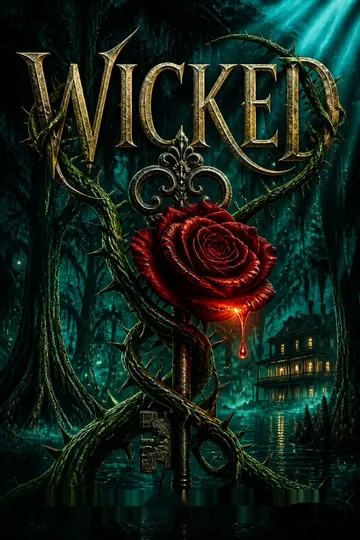
A Wicked Trilogy Series
About the Author
Jennifer L. Armentrout is a #1 New York Times and International Bestselling author from West Virginia. Diagnosed with retinitis pigmentosa in 2015, she advocates for blindness awareness alongside her writing career. Armentrout writes young adult paranormal, science fiction, fantasy, and contemporary romance. Her works have won numerous awards and been optioned for adaptation. She also writes adult and new adult romance under the pen name J. Lynn. Armentrout owns ApollyCon and The Origin Event, annual literary events featuring bestselling authors. Despite her visual impairment, she remains committed to writing and connecting with her readers.
Other books by Jennifer L. Armentrout


Download PDF
Download EPUB
.epub digital book format is ideal for reading ebooks on phones, tablets, and e-readers.








































