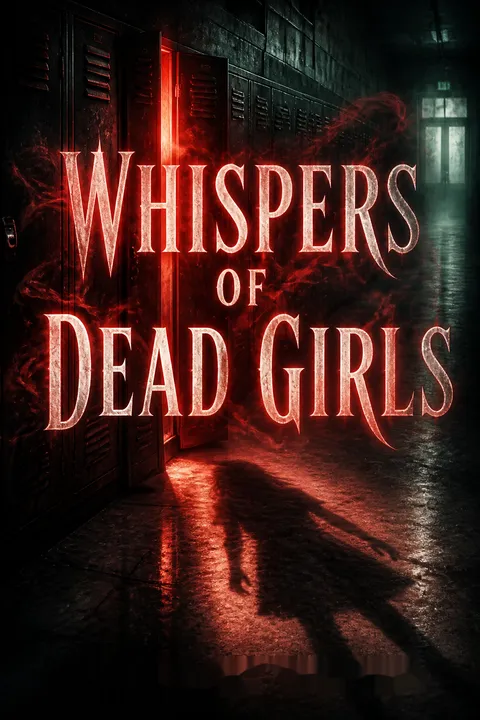

Plot Summary
1. Return to Shadows
After a decade away, Ren Taylor comes back to her small hometown to teach biology at her old high school, haunted by the memory of her sister Margo's death. The school is both familiar and alien, now fortified with security measures that seem to mock the innocence lost. Ren's presence stirs old memories and rumors, especially as she encounters faces from her past—teachers, classmates, and the ghost of her sister, who appears to her in moments of stress. The town's wounds are still fresh, and Ren's own guilt is palpable. She's not just returning to a job, but to the scene of her greatest trauma, where the line between memory and reality blurs, and the past is never truly buried.
2. Ghosts in the Halls
Ren's first days back are a collision of past and present. She's greeted by Margo's memorial, old classmates, and the persistent presence of her sister's ghost—an embodiment of Ren's guilt and unresolved grief. Margo's voice is both comfort and accusation, reminding Ren of the role she played in her sister's fate. The school is a minefield of memories, and Ren's interactions with staff and students are colored by her history. She's forced to confront not only the whispers about her sister's death but also her own complicity, as Margo's ghost refuses to let her forget. The past is alive in every hallway, and Ren is trapped in its echo.
3. The Girls Who Whisper
As Ren settles into her teaching role, she notices a group of girls whispering about a missing local teen, Tina Drexler. The school buzzes with rumors, and Ren is reminded of how quickly tragedy becomes gossip. She observes Bryson Lewis, the charismatic new science teacher, whose rapport with students is unsettlingly familiar. Ren's instincts, sharpened by her own history, sense something off. The girls' conversations, Bryson's popularity, and the school's undercurrent of secrets all point to a cycle repeating itself. Ren's protective instincts awaken, especially as she sees herself and Margo in these vulnerable students.
4. Old Wounds, New Faces
Ren's interactions with Bryson become increasingly tense. She's unsettled by his charm and the way students gravitate toward him, especially after witnessing a student leave his classroom in tears. The faculty dismisses her concerns, attributing them to her trauma. Ren's isolation deepens as she struggles to separate paranoia from intuition. She begins to investigate Bryson's past, uncovering rumors from his previous school about another girl's suspicious death. The parallels to her own story are undeniable, and Ren becomes obsessed with uncovering the truth, even as it threatens to consume her.
5. The Missing and the Dead
Ren's research reveals a disturbing pattern: Alejandra Gomez, a student at Bryson's former school, died under mysterious circumstances, and Tina Drexler, a recent graduate, is missing. Online forums and social media are rife with speculation, but the official story is always "no foul play." Ren's sense of déjà vu intensifies—she sees the same institutional denial and victim-blaming that followed Margo's death. The more she digs, the more she's convinced that Bryson is at the center of these tragedies. But her obsession alienates her from colleagues and puts her at odds with the administration.
6. Haunted by the Past
The investigation takes a toll on Ren's mental health. She's plagued by nightmares and intrusive memories of Margo's death, her failed marriage, and her estranged parents. Margo's ghost becomes more insistent, blurring the line between hallucination and haunting. Ren's guilt is compounded by her inability to save her sister, and she projects this desperation onto the girls she's trying to protect. The past is a weight she can't shed, and her attempts to find justice for others are as much about atoning for her own failures as they are about stopping a predator.
7. Suspicions and Secrets
Ren's suspicions about Bryson reach a breaking point. She confronts him, but he deflects with charm and plausible deniability. The administration, led by Principal Smart, gaslights Ren, suggesting her trauma is clouding her judgment. Even her few allies, like Emma, are hesitant to believe her. Meanwhile, Ren's investigation uncovers more about the missing and dead girls, and she begins to suspect that the school's culture of silence enables predators. The tension between Ren and Bryson escalates, and the stakes become personal as she fears for the safety of her students.
8. Rumors and Revelations
A scandal erupts when a compromising photo of Bryson and Alejandra is leaked to the entire school. The administration is forced to act, and Bryson is suspended pending investigation. The faculty and students are shocked, but many still defend him, blaming the victims or dismissing the evidence. Ren feels vindicated but also hollow—justice is slow and incomplete, and the damage is already done. The revelation fractures the school community, and Ren is left to pick up the pieces, both for herself and for the girls who trusted her.
9. The Weight of Guilt
The fallout from the scandal forces Ren to confront her own guilt and complicity. She visits her estranged parents, seeking closure but finding only more pain. Her mother's grief is a mirror of her own, and their inability to connect leaves Ren feeling more alone than ever. She reflects on her past mistakes, her failed attempts to save Margo, and her own morally ambiguous actions. The line between victim and perpetrator blurs, and Ren is forced to question her own capacity for darkness.
10. The Teacher Next Door
As the investigation into Bryson intensifies, Ren's paranoia grows. She becomes convinced that someone is watching her, and her own actions become increasingly reckless. She breaks into Bryson's house, searching for evidence, and is nearly caught. The sense of danger is palpable, and Ren realizes that the threat is not just external—her own obsession is leading her down a dangerous path. The boundaries between justice and vengeance, protection and control, become dangerously thin.
11. Unraveling the Truth
Ren's investigation uncovers a network of secrets connecting Bryson, the missing girls, and the school's culture of silence. She discovers that Olivia, a student she's been trying to protect, is more deeply involved than she realized. The truth is more complicated than she imagined—victims and perpetrators are not always who they seem. As Ren gets closer to the heart of the mystery, she's forced to confront uncomfortable truths about herself and the people around her.
12. The Girls' Club
Ren forms a fragile alliance with Michaela, Alejandra's best friend, and Olivia, whose own trauma mirrors Ren's. Together, they piece together the events leading up to the girls' deaths and disappearances. But trust is hard-won and easily broken—secrets and lies threaten to tear them apart. The girls' stories are a tapestry of pain, resilience, and betrayal, and Ren must navigate the minefield of their emotions to find the truth.
13. Monsters Among Us
The investigation reaches a climax as the true nature of the threat is revealed. Bryson is exposed as a predator, but he is not the only monster lurking in the shadows. The culture of silence and complicity that allowed him to operate is laid bare, implicating not just individuals but the entire community. Ren is forced to confront the reality that monsters are not always strangers—they are often people we know and trust.
14. The Chiller's Secret
A crucial piece of evidence is discovered in the school's "chiller"—a hidden room beneath the gym. The discovery of personal items belonging to the victims confirms Ren's suspicions and forces the administration to act. The school is thrown into chaos as the investigation intensifies, and Ren's role as both whistleblower and protector becomes more precarious. The chiller becomes a symbol of the secrets the school has tried to bury, and the cost of silence is made painfully clear.
15. Confessions in the Dark
In a series of confrontations and confessions, the full extent of the tragedy is revealed. Olivia admits her involvement in the events leading up to the deaths, and Ren is forced to reckon with her own actions. The lines between victim and perpetrator, justice and revenge, are blurred beyond recognition. The truth is messy, painful, and incomplete, but it is finally out in the open. Ren's quest for justice has come at a high price, and the consequences are irreversible.
16. The Cost of Justice
The fallout from the revelations is devastating. Bryson is dead, and the community is left to grapple with the consequences of its silence. Ren is both vindicated and condemned—her actions have saved some but destroyed others. The cost of justice is steep, and Ren is left to question whether it was worth it. The survivors are left to pick up the pieces, and the cycle of trauma continues. Ren's own moral ambiguity is laid bare, and she must find a way to live with the choices she's made.
17. The Final Vow
In the aftermath, Ren makes a final vow—to stop hunting monsters and to focus on healing herself and those she can still help. She recognizes that justice is imperfect and that the scars of the past will never fully heal. Margo's ghost finally leaves her, and Ren is left to face the future alone. The story ends with a sense of uneasy peace—justice has been served, but at a terrible cost, and the whispers of dead girls linger on.
18. Epilogue: Whispers Remain
A year later, the school has moved on, but the scars remain. New teachers, new students, and new rumors fill the halls. Ren continues to teach, haunted by the memories of those she couldn't save. Olivia has become a minor celebrity, her story twisted and commodified by the media. The community's appetite for tragedy is undiminished, and the cycle of silence and complicity threatens to repeat itself. Ren's final lesson to her students is a warning: monsters are not born, but made—and sometimes, they are us.
Analysis
A modern gothic of trauma, complicity, and the cost of silenceWhispers of Dead Girls is a searing exploration of the ways in which trauma reverberates through individuals and institutions. Marlee Bush crafts a narrative that is both a gripping thriller and a meditation on the failures of justice—how schools, families, and communities enable predators by prioritizing reputation over truth. The novel interrogates the blurry boundaries between victim and perpetrator, showing how cycles of abuse and silence perpetuate themselves across generations. Ren's journey is emblematic of the struggle to break free from the past, to seek justice even when it comes at a personal cost, and to recognize the darkness within oneself. The story's refusal to offer easy answers or neat resolutions is its greatest strength—justice is imperfect, healing is incomplete, and the whispers of the dead linger on. In a world where monsters are made, not born, the novel asks: who will listen to the girls who whisper, and who will have the courage to speak?
Review Summary
Whispers of Dead Girls receives mixed but generally positive reviews, averaging 3.57 stars. Readers praise its atmospheric tension, complex morally grey protagonist Ren, and haunting exploration of grief, trauma, and sisterhood. The supernatural element of Ren's dead sister Margo is divisive but adds eerie depth. Common criticisms include slow pacing in the middle sections, disorienting timeline shifts, and some predictability. However, most readers found the twisty ending satisfying, with many finishing the book in one or two sittings despite initial reservations.
People Also Read


Characters
Ren Taylor
Ren is the protagonist, a biology teacher returning to her hometown after her sister Margo's tragic death. She is deeply traumatized, carrying immense guilt for her perceived role in Margo's fate. Ren is introspective, obsessive, and morally ambiguous—her quest for justice is as much about atoning for her own failures as it is about protecting others. She is haunted by Margo's ghost, which serves as both conscience and tormentor. Ren's relationships are fraught—she is estranged from her parents, isolated from colleagues, and struggles to connect with students. Her psychological complexity drives the narrative, as she oscillates between victim and avenger, protector and perpetrator. Ren's journey is one of painful self-discovery, as she confronts the darkness within herself and the world around her.
Margo Glass
Margo is Ren's older sister, whose death is the catalyst for the story. In life, Margo was vibrant, popular, and beloved—a golden girl whose light cast a long shadow over Ren. In death, she becomes a ghostly presence, haunting Ren's thoughts and actions. Margo's ghost is both comforting and accusatory, embodying Ren's guilt and unresolved grief. She represents the innocence lost and the cost of silence. Margo's relationship with Ren is complex—she is both idol and rival, victim and judge. Her presence forces Ren to confront uncomfortable truths about herself and the past.
Bryson Lewis
Bryson is the new science teacher at Benton High, whose charisma and rapport with students mask a darker nature. He is at the center of the novel's central mystery, connected to the deaths and disappearances of several girls. Bryson is manipulative, skilled at exploiting the school's culture of silence, and adept at deflecting suspicion. His interactions with Ren are fraught with tension, as he senses her suspicions and attempts to gaslight her. Bryson embodies the danger lurking beneath the surface of seemingly safe institutions, and his downfall is both a victory and a tragedy.
Olivia Green
Olivia is a student at Benton High whose trauma and secrets mirror Ren's own. She is initially presented as a victim, but her true nature is revealed gradually—she is both survivor and perpetrator, complicit in the events leading up to the deaths of other girls. Olivia's relationship with Ren is fraught with projection and transference—each sees themselves in the other, and their alliance is both healing and destructive. Olivia's psychological complexity challenges the reader's assumptions about innocence and guilt, and her ultimate actions force Ren to confront her own darkness.
Michaela
Michaela is Alejandra's best friend, devastated by her loss and determined to uncover the truth. She is intelligent, resourceful, and emotionally raw. Michaela's grief is a driving force in the investigation, and her alliance with Ren is built on shared pain and a desire for justice. She represents the collateral damage of institutional failure—the friends and families left behind by tragedy. Michaela's journey is one of painful growth, as she learns to navigate the complexities of loyalty, betrayal, and survival.
Principal Smart
Principal Smart is the head of Benton High, embodying the institution's tendency to prioritize reputation over justice. He is optimistic and eager to believe the best of his staff, but his refusal to confront uncomfortable truths enables predators like Bryson to operate unchecked. Smart's interactions with Ren are patronizing and dismissive, reflecting the broader culture of gaslighting and victim-blaming. He is not malicious, but his complicity is deadly.
Emma
Emma is a fellow teacher and one of Ren's few allies. She is empathetic, practical, and grounded, providing a counterpoint to Ren's obsession. Emma's support is crucial, but she is also limited by her own fears and the pressures of the institution. Her relationship with Ren is a lifeline, but also a reminder of the limits of individual action in the face of systemic failure.
Billy
Billy is the school custodian and a former classmate of Ren and Margo. He is kind, overlooked, and haunted by his own regrets. Billy becomes an unwitting participant in the unfolding tragedy, ultimately paying the price for his proximity to the truth. His death is a stark reminder of the collateral damage caused by silence and complicity.
Tina Drexler
Tina is a recent graduate whose disappearance is the catalyst for Ren's investigation. She is quiet, artistic, and overlooked—a victim whose story is almost lost in the noise of gossip and rumor. Tina's fate is intertwined with Alejandra's and Olivia's, and her absence is a haunting presence throughout the novel.
Alejandra Gomez
Alejandra is the student whose death at Bryson's former school sets the events of the novel in motion. She is vibrant, ambitious, and beloved, much like Margo. Alejandra's story is one of betrayal and silencing—her attempts to seek justice are met with disbelief and denial. Her death is both a tragedy and a warning, and her memory drives the survivors to seek the truth.
Plot Devices
Dual timelines and unreliable narration
The novel employs a dual timeline structure, alternating between Ren's present-day investigation and flashbacks to her own traumatic past. This structure allows the reader to piece together the mystery alongside Ren, while also exploring the psychological impact of trauma and guilt. The use of unreliable narration—both in Ren's perspective and in the accounts of other characters—creates ambiguity and tension, forcing the reader to question what is real and what is imagined. The presence of Margo's ghost blurs the line between reality and hallucination, embodying Ren's internal struggle.
Foreshadowing and symbolism
The novel is rich in foreshadowing, with early references to missing girls, institutional denial, and the dangers of silence setting the stage for later revelations. Symbols such as the chiller, Margo's memorial, and the recurring motif of whispers and rumors reinforce the themes of secrecy and complicity. The use of social media and technology as both a tool for justice and a weapon for harm reflects the complexities of modern communication.
The unreliable institution
The school and its administration function as a character in their own right—a faceless, self-protective entity that enables predators and silences victims. The institution's failure to protect its students is both a plot device and a thematic core, driving the actions of both heroes and villains. The culture of rumor, denial, and victim-blaming is depicted as a force more dangerous than any individual antagonist.
Psychological horror and moral ambiguity
The novel's horror is psychological rather than supernatural, rooted in the everyday realities of abuse, complicity, and guilt. Characters are morally ambiguous—victims become perpetrators, and heroes are tainted by their own darkness. The narrative challenges the reader to question their own assumptions about justice, innocence, and redemption.
Download PDF
Download EPUB
.epub digital book format is ideal for reading ebooks on phones, tablets, and e-readers.








































