
Plot Summary
Mist Over Teague Wood
Val Rawlins, elderly and frail, sneaks out before sunrise to check on her hidden lockbox beneath the patio, desperate to preserve her secret treasures from the damp. Her mind drifts between past and present, haunted by the memory of her husband Russ's suicide and the shadowy presence of the woods. She glimpses two men dragging a cart with a swinging yellow arm—possibly a body—across the misty lawn, her confusion blurring the line between memory and reality. Overwhelmed by pain and fear, Val collapses, her last moments tangled in regret and uncertainty. The family's legacy of secrets and trauma is set in motion as the mist over Teague Wood conceals more than just the morning.
Fractured Family Ties
Val's sudden death brings her adult children—Jon, Sandra, and Robby—back to Teague House, their childhood home. Each sibling carries scars: Jon, a widower struggling to parent his son Denny; Sandra, a restless coach haunted by dreams of the woods; Robby, a man on the brink of losing his marriage and job. Aunt Phil, Val's sister and longtime caregiver, anchors the family with brisk efficiency. As they prepare for the funeral, old resentments and unresolved grief bubble up, especially around Russ's suicide and Val's long decline. The siblings' uneasy reunion is shadowed by the weight of the past and the looming presence of Teague Wood.
The Last Goodbye
The family navigates the logistics of Val's funeral, each sibling processing loss in their own way. Jon is eager to settle the estate and move on, while Sandra is drawn back to the woods, seeking closure for childhood guilt over her father's death. Robby, wracked with insomnia and shame over his infidelities, feels increasingly isolated. Aunt Phil announces her intention to travel the world, leaving the siblings to face the future without her steadying presence. The house, filled with hidden compartments and memories, becomes a character itself, holding the family's secrets close as they say their final goodbyes to Val.
Secrets Beneath the Floorboards
Sandra, plagued by nightmares of the pet cemetery in Teague Wood, convinces Jon to join her on a walk into the woods. Their journey is both literal and metaphorical, retracing the steps of their youth and the night Russ died. Sandra confesses to Jon that she saw their father burying something in the woods the night before his suicide and that he left her a note she never read. The siblings' memories diverge, but both are haunted by the sense that their family's tragedies are rooted in secrets buried long ago—secrets that may be tied to the land itself.
The Pet Cemetery Unearthed
Sandra and Jon stumble upon the old pet cemetery, now a muddy clearing marked by crude crosses. Disturbed earth and a glimpse of a human finger confirm their worst fears: a body has been buried here, and it is not an animal. The police are called, and the family is thrust into a murder investigation. The discovery of multiple sets of remains—some recent, some decades old—forces the siblings to confront the possibility that their family, or someone close to them, is connected to these crimes. The woods, once a place of childhood adventure, are now a crime scene.
Ghosts of the Past
Interwoven flashbacks to the 1970s and 1980s show Val and Phil as young women, their sibling rivalry and complicated love shaping the next generation. Russ and Val's marriage is marked by idealism, poverty, and emotional volatility. Phil, the responsible sister, is drawn into the family's orbit, becoming a surrogate parent to the Rawlins children. The seeds of dysfunction—mental illness, addiction, and secrecy—are sown early, setting the stage for the tragedies to come. The past bleeds into the present as the siblings grapple with inherited wounds and the legacy of silence.
The Outsider's Search
Maddie Reed, a Portland PI haunted by the disappearance of her foster sister Davina decades earlier, learns of the bones found at Teague House. Driven by hope and guilt, Maddie inserts herself into the Rawlins family's drama, seeking answers for Davina's family and her own peace. Her investigation brings an outsider's perspective, challenging the family's insularity and forcing them to confront uncomfortable truths. Maddie's tenacity and empathy make her both a catalyst for revelation and a mirror for the Rawlins siblings' own search for meaning.
Bones and Burdens
Detectives Boon and Simonson question the Rawlinses, focusing on their connections to the land and the victims. Robby, already unstable, becomes a person of interest due to his proximity and evasiveness. Sandra and Jon struggle with the possibility that their father—or even one of them—could be implicated. The discovery of personal items among the remains, including a bead from Davina's hair, deepens the mystery. The family's collective guilt and fear intensify as the investigation threatens to expose not only crimes but also the emotional wounds they have tried to bury.
The Sins of Parents
Robby's affair with Gayle, a local teacher and one of the murder victims, comes to light. His marriage to Christine unravels as the police close in, and his siblings confront him about the burner phone and his lies. Meanwhile, Sandra and Jon uncover more evidence of their parents' troubled marriage and possible involvement in the crimes. The siblings are forced to reckon with the ways their parents' choices—and their own—have shaped their lives. The sins of the parents reverberate through the generations, threatening to destroy what remains of the family.
The Lockbox and the Note
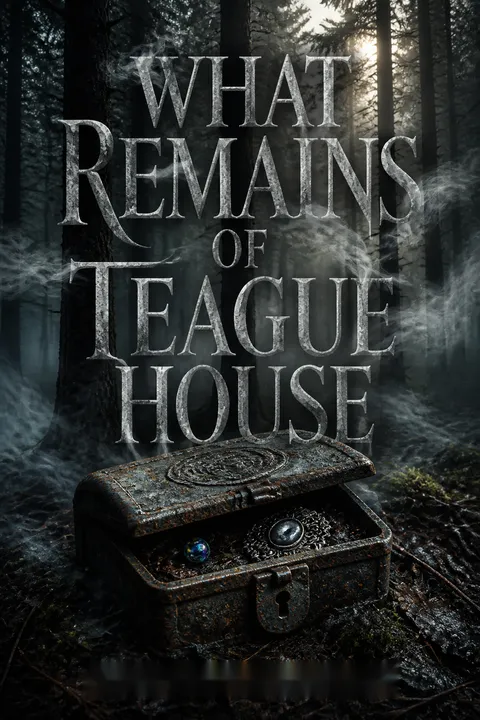
Sandra, determined to find her father's suicide note and any other clues, searches the house's secret compartments. She discovers a lockbox containing personal effects—rings, beads, and a photograph—that tie the family to the victims. The note, when finally found, is cryptic but suggests Russ was tormented by knowledge of the murders and intended to confess. Aunt Phil's evasiveness and the disappearance of key evidence raise further questions. The family's hope for exoneration is dashed as the weight of proof mounts against them.
The Break-In
A break-in at Teague House rattles the family. Someone with intimate knowledge of the house's hiding places searches for the lockbox and other evidence. The siblings suspect each other, but the possibility of an outside threat—someone connected to the original crimes—looms. The sense of safety is shattered, and the urgency to uncover the truth before it is destroyed or lost forever intensifies. The break-in is a turning point, signaling that the past is not done with the Rawlins family.
The Affair Exposed
Robby's relationship with Gayle is exposed to both his family and the police. A video surfaces showing him near Gayle's car, and stolen jewelry links him to her murder. Under pressure, Robby confesses the affair but maintains his innocence regarding the killing. His siblings, torn between loyalty and doubt, scramble to find a lawyer and protect him. The family's unity fractures further as the investigation zeroes in on Robby, and the possibility of a wrongful conviction becomes real.
The Calendar's Alibi
Sandra and Maddie discover Russ's old calendars among his boxed belongings. Notations suggest he was away at his grandfather's funeral during the time of at least one victim's disappearance, offering a possible alibi. A prayer card from the funeral further supports this timeline. The evidence complicates the narrative of Russ as the killer, raising the possibility that someone else—perhaps Val or an outsider—was responsible. The siblings cling to this hope, desperate for any exoneration of their father.
The Brooch and the Bead
A brooch stolen from Gayle and a bead from Davina's hair are found among the family's possessions, directly linking the Rawlinses to the victims. The police use these items to justify Robby's arrest, but Sandra and Maddie realize the significance of the bead: it is unique to Davina and confirms her presence at Teague House. The objects become symbols of the family's entanglement with the crimes and the impossibility of escaping the past. The siblings' search for truth becomes a race against time and the law.
The Monster Returns
Nathan Belter, a charismatic local leader and former cult figure, returns to Horace, seeking the lockbox and evidence that could implicate him. Sandra, alone at the cottage, confronts him as he attempts to retrieve the box and burn down the house to destroy evidence. Belter confesses to manipulating Val and orchestrating the murders under the guise of "mercy" and community purity. As he threatens Sandra, Maddie intervenes, and the police arrive. Belter takes his own life, echoing Russ's suicide and bringing a twisted form of closure.
The Truth in the Attic
Sandra, following a hunch, searches the cottage attic and finds a second lockbox containing hair, trinkets, and her father's long-lost letter to Aunt Phil. The letter is a full confession, detailing how Val, under Belter's influence, committed the murders, and how Russ covered for her out of love and fear. He intended to turn them both in but was killed before he could act. The truth is devastating: the family's suffering was the result of manipulation, misplaced loyalty, and the corrosive power of secrets.
The Final Confession
Russ's confession, written on the eve of his death, lays bare the family's darkest secrets. He describes Val's descent under Belter's sway, the killings justified as acts of mercy, and his own complicity in covering up the crimes. He pleads for forgiveness and entrusts Aunt Phil with the truth, hoping she will protect the children. The letter is both an act of love and a final, desperate attempt to make things right. The siblings, armed with the truth, must decide how to live with the knowledge and what to do with the legacy they have inherited.
Justice and Mercy
With Belter dead and the truth revealed, the legal system slowly exonerates Robby and closes the cases. Maddie helps Davina's family lay her to rest, and the Rawlins siblings begin the long process of healing. Aunt Phil, revealed as a pragmatic survivor who brokered silence for security, disappears to travel the world. The family, fractured but resilient, must redefine themselves in the wake of tragedy. The woods, once a place of secrets and death, become a site of remembrance and, tentatively, hope.
What Remains
Months later, the Rawlins family and those touched by the crimes gather to honor the dead and reckon with the past. Maddie, having found closure for Davina, contemplates her own future. Sandra, Jon, and Robby rebuild their lives, changed but not destroyed by what they have learned. The house and the woods remain, bearing silent witness to the family's history. The story ends with a sense of hard-won peace, the possibility of forgiveness, and the enduring question of what remains when secrets are finally brought to light.
Analysis
What Remains of Teague House is a powerful meditation on the corrosive effects of secrecy, the inheritance of trauma, and the possibility of redemption. Through its layered narrative and psychologically rich characters, the novel explores how families are shaped—and sometimes destroyed—by the things they cannot say. The Rawlins siblings' journey is both a mystery and a reckoning: as they dig up the literal and figurative bones of their past, they are forced to confront the ways in which love, loyalty, and denial can become entangled with violence and guilt. The novel's use of multiple perspectives and timelines underscores the subjectivity of memory and the difficulty of arriving at a single, unambiguous truth. Ultimately, the story suggests that healing is possible, but only through the painful work of facing the past, accepting ambiguity, and choosing honesty over comfort. The woods, the house, and the objects hidden within them become symbols of both the weight of legacy and the hope of renewal. In a world where the past is never truly past, What Remains of Teague House asks: what do we owe the dead, and what do we owe ourselves?
Characters
Sandra Rawlins
Sandra is the middle Rawlins sibling, a driven, athletic woman whose outward competence masks deep-seated guilt over her father's suicide and the family's unraveling. As a child, she witnessed Russ burying something in the woods and received a note from him she never read, believing her actions contributed to his death. Sandra's psychological arc is one of obsessive truth-seeking: she is compelled to unearth the family's secrets, even as she fears what she will find. Her relationships with Jon and Robby are fraught but loyal, and she is both a caretaker and a challenger. Sandra's journey is about confronting inherited trauma, accepting ambiguity, and ultimately choosing honesty over denial.
Jon Rawlins
Jon, the oldest sibling, is a widower and father to young Denny. He is practical, emotionally reserved, and often tries to take charge, especially in the wake of Val's death. Jon's coping mechanism is to focus on logistics—funeral arrangements, estate matters—while suppressing his own grief and anger. He is skeptical of Sandra's emotional intensity and Robby's instability, but his own vulnerabilities surface as the investigation threatens the family. Jon's arc is about learning to balance responsibility with empathy, and to accept that some wounds cannot be managed away. His relationship with Denny is a source of both anxiety and hope, as he strives to break the cycle of familial dysfunction.
Robby Rawlins
Robby, the youngest Rawlins, is a man adrift—unemployed, unfaithful, and emotionally volatile. He is haunted by his father's suicide and his own perceived failures as a husband and father. Robby's affair with Gayle and subsequent entanglement in the murder investigation force him to confront the consequences of his actions and the legacy of secrecy in his family. He is both victim and perpetrator, shaped by neglect and longing for connection. Robby's psychological journey is one of self-reckoning: he must face his own weaknesses, accept help, and find a way to forgive himself. His relationship with Christine and his daughters is both his greatest vulnerability and his potential salvation.
Val Rawlins
Val is the mother of the Rawlins siblings, a woman whose early idealism curdled into depression and withdrawal. Her marriage to Russ is marked by volatility, infidelity, and shared trauma. Under the influence of Nathan Belter, Val becomes complicit in a series of murders, convinced she is acting out of mercy and community purity. After Russ's death, she retreats into near-muteness, hoarding mementos and scribbling cryptic notes. Val's psychological portrait is one of a woman destroyed by manipulation, guilt, and the burden of secrets. Her love for her children is real but warped by her inability to protect them from herself and the past.
Russ Rawlins
Russ, the deceased patriarch, is a complex figure: a musician, carpenter, and dreamer whose marriage to Val is both passionate and destructive. When Val, under Belter's sway, commits murder, Russ covers for her out of love and fear, becoming complicit in the crimes. His suicide is both an act of despair and a failed attempt at redemption—he intends to confess but is killed before he can act. Russ's psychological arc is one of guilt, helplessness, and the corrosive effects of secrecy. His legacy haunts his children, who must untangle the truth of his actions to find peace.
Phyllis "Aunt Phil" Temple
Aunt Phil is Val's younger sister and the Rawlins siblings' surrogate mother. Efficient, no-nonsense, and fiercely loyal, she steps in to care for the family after Russ's death. Unbeknownst to the others, Phil discovers Russ's confession and brokers a deal with Belter to keep Val out of prison, accepting hush money in exchange for silence. Her actions are morally ambiguous: she protects the children but enables the perpetuation of secrets and injustice. Phil's psychological complexity lies in her blend of practicality, self-interest, and genuine care. Her departure at the novel's end is both an escape and a relinquishing of responsibility.
Maddie Reed
Maddie is a private investigator from Portland, driven by the unresolved disappearance of her foster sister Davina. Her outsider status allows her to see the Rawlins family with fresh eyes, challenging their insularity and denial. Maddie is persistent, empathetic, and sometimes abrasive, her own grief and guilt fueling her quest for answers. She forms a tentative alliance with Sandra, helping to uncover the truth about the murders. Maddie's arc is about finding closure, both for Davina's family and herself, and learning to let go of the past without forgetting it.
Nathan Belter
Belter is a local businessman and former cult leader whose philosophy of "mercy" and community purity masks a ruthless, eugenic agenda. He seduces Val and orchestrates the murders, convincing her they are acts of compassion. Belter is charming, intelligent, and utterly amoral, using others as tools for his own ends. His return to Horace to destroy evidence and silence witnesses is the catalyst for the novel's climax. Belter's psychological portrait is that of a narcissist and true believer, whose capacity for self-justification is limitless. His suicide is both an admission of defeat and a final act of control.
Christine Rawlins
Christine is Robby's wife, a practical, loving mother who has endured years of Robby's instability and infidelity. Her decision to leave him is both an act of self-preservation and a challenge to Robby to change. Christine's psychological strength lies in her boundaries and her refusal to be complicit in Robby's self-destruction. She is a minor but crucial character, representing the possibility of breaking the cycle of dysfunction and choosing a healthier path.
Denny Rawlins
Denny, Jon's young son, is a quiet, sensitive boy coping with the loss of his mother and the upheaval of his family. He is a passive observer of the adults' struggles, his well-being a barometer for the family's health. Denny's innocence and resilience offer a glimmer of hope for the future, suggesting that healing is possible even in the aftermath of trauma.
Plot Devices
Interwoven Timelines and Multiple Perspectives
The novel employs a braided structure, alternating between present-day events and flashbacks to the 1970s–1990s. Each chapter is told from a different character's perspective, allowing the reader to piece together the family's history and the mystery of the murders through subjective, often unreliable, memories. This structure creates suspense and emotional depth, as revelations in one timeline recontextualize events in another. The use of an outsider (Maddie) as a point-of-view character provides both exposition and a challenge to the family's insularity. The gradual unveiling of secrets—through found objects, hidden notes, and confessions—mirrors the psychological process of confronting and integrating trauma.
Hidden Objects and Secret Compartments
The Rawlins house is filled with secret compartments, lockboxes, and hidden stashes—literal representations of the family's tendency to conceal pain and truth. The search for Russ's suicide note, Val's lockbox, and other hidden items drives the plot and serves as a metaphor for the characters' psychological journeys. Each discovery brings both answers and new questions, forcing the siblings to confront uncomfortable realities about themselves and their parents.
Foreshadowing and Symbolism
Recurring dreams, the misty woods, and symbolic objects (rings, beads, brooches) foreshadow the novel's revelations and underscore its themes. The pet cemetery, initially a site of childhood play, becomes a graveyard of secrets. The mist and the woods represent both concealment and the possibility of revelation. Objects found among the remains serve as tangible links between past and present, victim and perpetrator, innocence and guilt.
The Outsider's Perspective
Maddie's investigation provides an external impetus for the family to confront their history. Her outsider status allows her to ask questions the siblings cannot, and her own unresolved grief parallels theirs. Maddie's presence disrupts the family's equilibrium, forcing them to move from denial to action. Her role as both detective and mourner bridges the gap between the Rawlinses and the victims' families, highlighting the broader impact of violence and secrecy.
Confession and Revelation
The climax hinges on the discovery of Russ's confession and the confrontation with Nathan Belter. The use of written confessions—Russ's note, Val's scribblings, and the lockbox contents—serves as both plot device and psychological release. The final confrontation with Belter externalizes the family's internal struggle with evil, complicity, and the possibility of redemption. The resolution is bittersweet: justice is served, but the scars remain.
Download PDF
Download EPUB
.epub digital book format is ideal for reading ebooks on phones, tablets, and e-readers.








































