
Plot Summary
Frost and Forgotten Joy
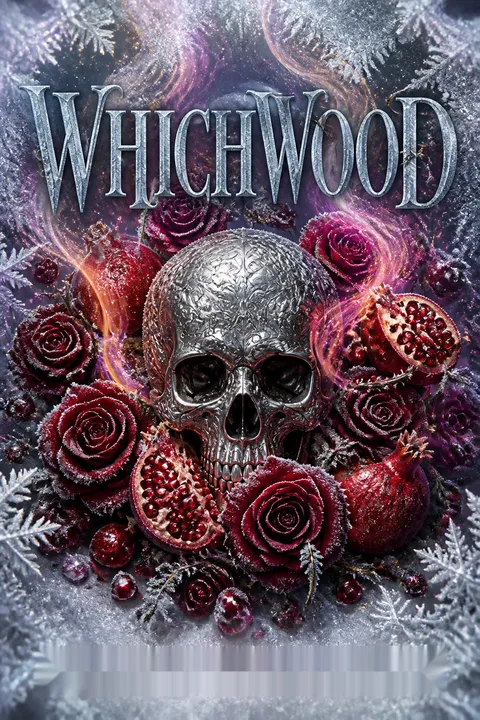
In the magical town of Whichwood, winter is a time of celebration, but for thirteen-year-old Laylee, it is a season of relentless work and loneliness. While the townspeople prepare for Yalda, the solstice festival, Laylee toils in the cold, washing and preparing corpses for the afterlife—a duty inherited from her absent father and deceased mother. Her home is haunted by her mother's ghost, and her only company is the dead she tends. Laylee's bitterness and exhaustion are palpable, her beauty fading as her magical burden takes its toll. The world outside is vibrant and joyful, but Laylee's world is one of frost, fatigue, and forgotten joy, setting the stage for a story of sorrow, resilience, and the hope for change.
The Girl Who Washes Death
Laylee's life is defined by her role as the town's mordeshoor, a magical washer of the dead. Her mother's tragic death and her father's descent into grief have left her alone to shoulder a task meant for many. The townspeople exploit her, rarely paying her fairly, and she is shunned for her morbid occupation. Laylee's body and spirit are deteriorating—her hair and eyes turning silver, her hands beginning to follow. She is haunted not only by ghosts but by the weight of responsibility and the absence of love. Her only solace is the brief, sweet taste of magical snowflakes, a fleeting comfort in a life otherwise consumed by death and duty.
Strangers in the Snow
On a particularly cold night, Laylee's routine is interrupted by the arrival of two strangers: Alice, a pale, kind-hearted girl, and Oliver, a clever, sharp-tongued boy. They claim to have come from another magical land, Ferenwood, sent to help Laylee as part of a mysterious task. Their intrusion is both alarming and intriguing—no one ever visits Laylee, and she is unused to kindness or company. The strangers' presence stirs a mix of suspicion, curiosity, and a long-buried longing for connection. For the first time in years, Laylee is forced to confront the possibility that she might not be as alone as she believes.
Unwanted Help Arrives
Alice explains her mission: she has been tasked to help Laylee, though she doesn't know how. Laylee, proud and defensive, rejects their pity and insists she needs no help. Yet, the strangers' persistence and genuine concern begin to chip away at her defenses. When they offer to help with her overwhelming workload—washing the dead—Laylee is both touched and wary. The night becomes a test of endurance and trust as the three children face the grim reality of Laylee's work together. Through exhaustion and shared struggle, the first fragile threads of friendship are woven, even as Laylee's illness worsens.
The Burden of the Dead
Together, Laylee, Alice, and Oliver spend a harrowing night washing corpses in the freezing cold. The work is grueling and emotionally taxing, especially for Alice and Oliver, who are unaccustomed to death's intimacy. Laylee's expertise and stoicism contrast with her guests' horror and compassion. As the night wears on, Laylee's physical decline becomes more apparent—her hands now fully silver, her strength waning. The shared ordeal exposes vulnerabilities and forges bonds, but also highlights the depth of Laylee's suffering and the inadequacy of simple solutions. The burden of the dead is not just physical, but emotional and spiritual.
Silvering Hands, Fading Hope
Laylee's condition deteriorates rapidly; her magical reserves are depleted from years of overwork and neglect. She hides her fear and pain behind anger, pushing Alice and Oliver away just as they try to draw closer. The silver spreading through her body is a visible sign of her impending death—a mordeshoor's magic, once exhausted, leads to a slow, irreversible fading. Laylee's isolation deepens as she retreats into herself, convinced that no one can truly help her. The hope that Alice and Oliver brought begins to flicker, threatened by Laylee's pride and the relentless advance of her illness.
Ghosts, Grief, and Isolation
As Laylee's health fails, the ghosts she tends grow restless. Her mother's spirit is a constant, critical presence, and the other ghosts, though fond of Laylee, are frustrated by her neglect. The town's superstitions and fear of the dead have left Laylee without support or understanding. Her grief for her parents, especially her father's abandonment, festers beneath her anger. The ghosts' stories and needs mirror Laylee's own longing for release and recognition. The boundaries between life and death blur, and Laylee's sense of self begins to unravel under the weight of her responsibilities and sorrow.
Alice's Task Unveiled
Alice, gifted with the magic of color, realizes that her task is not just to help Laylee with her work, but to heal her. She understands that Laylee's illness is a magical depletion—a loss of color and vitality caused by unrelenting labor and lack of care. Alice's unique talent may be the key to restoring Laylee's strength, but the process is risky and draining. Meanwhile, Oliver's gift of persuasion and Benyamin's insect magic add layers of support and complexity to the group's dynamic. The friends must navigate their own insecurities and Laylee's resistance to offer the help she desperately needs.
The Night of Washing
As Laylee collapses, Alice and Oliver race against time to revive her. Alice uses her magic to infuse Laylee with color, slowly reversing the silvering that threatens her life. The process is exhausting and uncertain, requiring sacrifice and trust. Meanwhile, the ghosts, feeling abandoned, break free from Laylee's home and rampage through the town, seeking new skins to inhabit. The chaos outside mirrors the turmoil within, as Laylee hovers between life and death. The friends' determination and love become the only hope for Laylee's survival and the town's salvation.
Friendship and Fractures
The aftermath of the ghosts' rampage leaves the town in chaos and the friends exhausted. Laylee is revived, but not fully healed—her spirit remains wounded by years of neglect and betrayal. The townspeople, terrified and angry, blame Laylee for the disaster, ignoring their own role in her suffering. Alice, Oliver, and Benyamin stand by Laylee, but their friendship is strained by guilt, misunderstanding, and the enormity of what they face. The group must confront not only external threats but the internal fractures that threaten to undo their hard-won connection.
The Color of Healing
In a final, desperate effort, Alice pours her own color and vitality into Laylee, reviving her body and spirit. The process is transformative for both girls—Laylee regains her health and her true eye color, while Alice discovers the depth and limits of her own power. The act of healing is not just magical, but emotional—a gift of friendship, compassion, and understanding. Laylee's recovery is incomplete, however; the wounds of the past linger, and the town's judgment looms. The friends' victory is bittersweet, shadowed by the knowledge that true healing requires more than magic.
Yalda's Darkest Hour
The Yalda festival, meant to be a night of joy and renewal, becomes a scene of horror as the freed ghosts attack the townspeople, stealing their skins and leaving chaos in their wake. Laylee and her friends race to contain the disaster, using magic, courage, and ingenuity to save as many as they can. The town's neglect and superstition are laid bare, and the cost of ignoring the mordeshoor's needs becomes undeniable. The night is a crucible for Laylee and her friends, testing their resolve and forcing them to confront the consequences of pain, prejudice, and neglect.
Spirits Unleashed
In the aftermath of the ghostly rampage, Laylee is blamed for the tragedy and put on trial. The town's leaders, seeking a scapegoat, sentence her father to death and threaten to strip Laylee of her magic. The ghosts, loyal to Laylee, rise from their graves to defend her, forming an army of the dead that seizes the city and forces the townspeople to confront their wrongdoing. Laylee is torn between vengeance and mercy, her anger fueled by years of mistreatment. The spirits' uprising is both a reckoning and a plea for recognition—a demand that the living honor the dead and those who serve them.
Collapse and Rescue
Imprisoned and condemned, Laylee faces the loss of everything she holds dear. In her darkest moment, her parents' spirits return, leading an army of the dead to rescue her. The spectacle forces the town to reckon with the value of the mordeshoor and the consequences of their neglect. Laylee's friends, having risked everything to return to her side, help orchestrate a dramatic intervention. The dead, once silent and unseen, become the agents of justice and change, turning the tide in Laylee's favor and offering her a chance at redemption and renewal.
The Price of Neglect
The uprising of the dead exposes the town's collective guilt and the cost of ignoring the needs of the vulnerable. Laylee's suffering is revealed as a symptom of a broken system—one that exploits, isolates, and punishes those who serve. The townspeople, confronted by the consequences of their actions, are forced to apologize and promise change. Laylee, empowered by her friends and the loyalty of the dead, chooses forgiveness over vengeance, breaking the cycle of pain and opening the door to healing for herself and her community.
Trial of the Mordeshoor
In a dramatic trial, Laylee's worth and the value of her work are debated before the town. Alice, Oliver, and Benyamin use their talents to advocate for her, painting a vivid picture of the mordeshoor's role and the importance of compassion. Laylee, finding her voice, testifies to her own strength and the injustice she has endured. The revelation of her ability to communicate with the dead shocks the court and shifts the balance. Ultimately, the town is forced to recognize the necessity of the mordeshoor and the need for respect, support, and gratitude.
The Dead Rise for Justice
The spirits of Laylee's parents and countless ancestors rise to defend her, demonstrating the power and legacy of the mordeshoor. Their intervention is both terrifying and awe-inspiring, compelling the town to repent and promise change. Laylee's forgiveness and the spirits' departure mark a turning point—a reconciliation between the living and the dead, and a restoration of balance. The town pledges to honor and support the mordeshoor, ensuring that Laylee will never again be alone or unappreciated.
Forgiveness, Family, and Future
With justice restored, Laylee is reinstated as the mordeshoor, now supported by her friends and the gratitude of the town. Alice, Oliver, and Benyamin become her chosen family, working alongside her and sharing in the joys and burdens of life and death. Laylee's home is filled with warmth, laughter, and love—a stark contrast to the loneliness of her past. The story ends with hope and healing, as Laylee embraces her role, her friends, and the promise of a future shaped by compassion, understanding, and the enduring bonds of friendship.
Analysis
A modern fable of compassion, resilience, and social justiceWhichwood is a richly layered tale that uses fantasy to explore real-world issues of grief, exploitation, and the search for belonging. At its heart, the story is about the cost of neglect—how individuals and communities suffer when compassion is withheld and burdens are unfairly distributed. Laylee's journey from isolation and bitterness to healing and empowerment is both deeply personal and broadly resonant, reflecting the struggles of those who are marginalized, overworked, or unseen. The narrative champions the transformative power of friendship, the necessity of asking for and accepting help, and the courage required to forgive and move forward. Through its magical setting and poetic voice, Whichwood invites readers to confront the darkness within and around us, and to believe in the possibility of redemption, joy, and a future shaped by empathy and solidarity.
Review Summary
Whichwood receives mixed reviews averaging 3.93 stars. Readers praise Tahereh Mafi's beautiful, atmospheric writing and the unique protagonist Laylee, a mordeshoor who washes dead bodies. Many appreciate the darker, Persian-inspired fantasy setting and themes of friendship, self-acceptance, and compassion through suffering. However, critics note the book feels more YA than middle grade due to graphic content, including skinless bodies and depression themes. Some found the pacing slow, narration frustrating, and felt it focused too much on Furthermore characters Alice and Oliver rather than Laylee. Despite flaws, most readers found it engaging and emotionally resonant.
Characters
Laylee Layla Fenjoon
Laylee is the last mordeshoor of Whichwood, a thirteen-year-old girl tasked with washing and preparing the dead for the afterlife. Orphaned by her mother's death and her father's abandonment, she is forced to shoulder an impossible burden alone. Laylee's beauty and magical heritage are both a blessing and a curse—her body silvering as her magic is depleted by overwork and neglect. She is fiercely proud, deeply wounded, and slow to trust, her anger masking profound loneliness and grief. Over the course of the story, Laylee's journey is one of vulnerability, healing, and self-acceptance. Through the friendship and support of Alice, Oliver, and Benyamin, she learns to ask for help, forgive herself and others, and reclaim her place in the world as both a caretaker of the dead and a beloved friend.
Alice Alexis Queensmeadow
Alice is a girl from Ferenwood, gifted with the ability to manipulate color. Sent to Whichwood on a mysterious task, she is driven by empathy and a desire to help. Alice's pale appearance and outsider status mirror Laylee's own isolation, and her journey is one of learning the limits and possibilities of her magic and her heart. She is persistent, optimistic, and sometimes naïve, but her kindness and courage are unwavering. Alice's greatest challenge is to heal not just Laylee's body, but her spirit—a task that requires sacrifice, patience, and the willingness to confront her own fears and failures. Through her friendship with Laylee, Alice discovers the true meaning of compassion and the transformative power of love.
Oliver Newbanks
Oliver is Alice's loyal friend, a boy with the magical gift of persuasion. He is clever, charming, and often uses humor to mask his insecurities. Oliver's own family relationships are strained by his misuse of magic, leaving him longing for acceptance and connection. In Whichwood, he is both an outsider and a catalyst, helping to bridge the gap between Laylee and the world. His growing affection for Laylee is marked by admiration and a desire to protect her, but also by a recognition of her strength and independence. Oliver's journey is one of humility, growth, and the realization that true friendship requires honesty, vulnerability, and respect.
Benyamin Felankasak
Benyamin is Laylee's neighbor and the only other child living near the mordeshoor's castle. He possesses a magical connection to insects, who are both his companions and protectors. Benyamin's life is marked by hardship—caring for his ailing mother and managing their modest home—but he remains unfailingly kind and hopeful. His friendship with Alice, Oliver, and Laylee is grounded in empathy and a shared sense of otherness. Benyamin's insects play a crucial role in the story's climax, and his quiet strength and loyalty help anchor the group. He represents the power of gentleness and the importance of community in the face of adversity.
Maman (Laylee's Mother)
Maman's ghost haunts Laylee's home, a constant presence of criticism and nostalgia. In life, she was beautiful and vibrant; in death, she is insecure and demanding, her spirit unable to move on due to Laylee's inability to let go. Maman's relationship with Laylee is fraught with unresolved grief and longing, but ultimately, her presence is a reminder of the enduring bonds between parent and child, and the necessity of forgiveness and release.
Baba (Laylee's Father)
Baba is Laylee's father, whose mind is shattered by the loss of his wife. He abandons Laylee in a futile quest to find and confront Death, leaving her to fend for herself. Baba's absence is a source of deep pain for Laylee, but his eventual return—both in life and as a spirit—offers a chance for reconciliation and closure. His love for Laylee is real but flawed, overshadowed by his devotion to Maman. Baba's journey is one of redemption, as he ultimately stands by Laylee in her hour of need.
Roksana
Roksana is the oldest and most affectionate of the ghosts in Laylee's care. She acts as a mentor and advocate for Laylee among the spirits, asking hard questions and offering comfort. Roksana's loyalty and insight are instrumental in rallying the ghosts to Laylee's defense and in helping her find her strength.
Madarjoon (Benyamin's Mother)
Madarjoon is Benyamin's mother, bedridden from injury but fiercely protective and wise. She provides a safe haven for Laylee and her friends, offering practical support and emotional guidance. Her strength and humor are a source of stability, and her willingness to help reflects the story's theme of chosen family and the power of kindness.
The Town Elders
The Elders represent the authority and tradition of Whichwood, enforcing the town's superstitions and prejudices. Their refusal to support Laylee and their scapegoating of her and her father are central to the story's conflict. Ultimately, they are forced to confront their own failings and accept the necessity of compassion and reform.
The Ghosts
The ghosts in Laylee's care are a diverse group, each with their own stories and personalities. They are both a burden and a source of meaning for Laylee, reflecting her own struggles with grief, responsibility, and the desire for peace. Their loyalty and eventual uprising are pivotal to the story's resolution, embodying the consequences of neglect and the importance of honoring the dead.
Plot Devices
Magical Realism and Persian Folklore
The narrative is steeped in magical realism, drawing on Persian folklore and poetic tradition to create a world where the boundaries between life and death, color and darkness, are fluid. The mordeshoor's rituals, the sentient ghosts, and the magical properties of snowflakes and color infuse the story with wonder and symbolism. The use of poetry, especially Rumi's verses, adds depth and resonance, connecting Laylee's personal journey to universal themes of suffering, healing, and transformation.
First-Person Narration and Direct Address
The story is told with a distinctive, conversational voice that breaks the fourth wall, addressing the reader directly and offering commentary, foreshadowing, and asides. This narrative style creates intimacy and immediacy, drawing the reader into Laylee's world and emotions. It also allows for humor and reflection, balancing the story's darker themes with warmth and wit.
Symbolism of Color and Decay
The loss and restoration of color in Laylee's body symbolize the depletion and renewal of her spirit and magic. Silvering represents the approach of death, while Alice's gift of color embodies hope, healing, and the power of friendship. The recurring imagery of roses, snow, and bones reinforces the story's exploration of mortality, memory, and the cycles of loss and rebirth.
Found Family and Chosen Community
The formation of a chosen family—Laylee, Alice, Oliver, Benyamin, and Madarjoon—contrasts with the failures of biological family and community. The story emphasizes the importance of support, understanding, and unconditional love in overcoming trauma and isolation. The friends' willingness to risk everything for each other is both a plot engine and a thematic core.
Trial and Public Reckoning
The courtroom trial serves as a crucible for Laylee's character and the town's conscience. It is a stage for the confrontation of prejudice, the assertion of self-worth, and the demand for systemic change. The use of magical testimony, live painting, and the intervention of the dead dramatize the stakes and force the community to reckon with its past and its future.
Furthermore Series


About the Author
Other books by Tahereh Mafi








Download PDF
Download EPUB
.epub digital book format is ideal for reading ebooks on phones, tablets, and e-readers.








































