
Plot Summary
Snowfall and Secrets
Ezra Cloud, a Native teenager, navigates the dirty snow and racial tension of Northeast Minneapolis. His solace is Nora, his lifelong friend, whose presence in biology class is a rare comfort. Ezra's identity as wolf clan and his longing for the Red Gut reservation contrast with the daily microaggressions and outright hostility from classmates like Matt Schroeder. The snow, once pure, becomes tainted—mirroring Ezra's feelings about his environment. Memories of his late mother haunt him, and his father's attempts to keep their Ojibwe traditions alive feel distant in the city. Ezra's internal world is a swirl of grief, anger, and longing for belonging, setting the stage for the emotional journey ahead.
Hallway Confrontations
After a tense classroom exchange, Ezra witnesses Matt harassing Nora in the hallway. Ezra's protective instincts flare, but Nora's plea keeps him from retaliating physically. Instead, he vents his rage on a locker, injuring his hand. The incident exposes the ever-present threat of violence and the precariousness of being Native in a hostile environment. Ezra's pain is both physical and emotional, compounded by memories of past humiliations and the unresolved trauma of his mother's death. The episode cements the sense that survival in Northeast requires constant vigilance and restraint, even as anger simmers beneath the surface.
Broken Hands, Broken Homes
Ezra's father, Byron, arrives at school, his imposing presence a reminder of ancestral strength and the burdens of fatherhood. At the hospital, Ezra's injury is treated, but the deeper wounds—grief, anger, and alienation—remain. Byron's warnings about the dangers facing Native boys in the city are heavy with the weight of family history: cousins lost to police violence and incarceration. The family's move to Minneapolis, meant to provide opportunity, now feels like exile. Ezra's relationship with his father is strained, both men struggling to communicate through layers of pain and expectation. The city's dangers are ever-present, and the longing for home intensifies.
Night Visitors and Wolf Dreams
That night, Ezra senses an intruder in his home—perhaps a dream, perhaps something more. He overhears voices, possibly his father's, possibly ancestral spirits. Under the influence of painkillers, Ezra dreams of running with wolves, hunting Matt through the city, and setting a house ablaze. The dream is vivid, cathartic, and disturbing, blurring the line between fantasy and reality. Upon waking, Ezra learns that Matt's house has burned down, killing Matt's father and uncle. The coincidence is chilling, and Ezra is left questioning his own role, the power of dreams, and the thin veil between the spiritual and material worlds.
Fire and Accusations
News of the fire spreads rapidly. Nora and Ezra, both with motives and recent conflicts with Matt, fear they'll be suspects. The police investigation intensifies, and Matt, traumatized and injured, accuses Ezra of murder. Detective Williams, a Black officer, questions them, but Ezra's alibi—his injury and medication—seems solid. Still, the community's suspicion lingers, and the threat of being scapegoated is real. Ezra's father decides it's time to return to Red Gut, seeking safety and healing in ancestral lands. The journey north is both an escape and a return to roots, but the shadow of the fire follows them.
Fleeing to Red Gut
The drive north is a passage from the polluted city to the pristine forests and lakes of Ojibwe country. Ezra's senses awaken as the landscape changes—hardwoods give way to pines, and the air grows cleaner. At Red Gut, his grandparents welcome him with warmth and humor. The rhythms of rez life—shared meals, chores, and stories—begin to soothe Ezra's wounds. Yet, the past is never far: family histories, old traumas, and the unresolved mystery of the fire linger. The promise of learning to trap with Grandpa Liam offers both challenge and connection, a chance to reclaim lost traditions.
Ojibwe Ways and Zoom Calls
Life at Red Gut is a blend of old and new. Ezra helps with chores, learns about trapping, and participates in family rituals. His father arranges for him to finish school remotely, freeing him from Northeast's dangers. A Zoom interview with Detective Williams, attended by their Ojibwe lawyer, provides relief—Ezra's alibi is airtight. Yet, the investigation's details raise new questions: someone held the door shut during the fire. Ezra and Nora, both haunted by suspicion, vow to uncover the truth. The rez offers safety, but the past's mysteries demand resolution.
Detectives and Doubts
As Ezra settles into rez life, he reconnects with Nora, who has also returned for the holidays. Together, they speculate about the fire, their families' possible involvement, and the meaning of justice. Ezra's grandfather begins teaching him the sacred and practical aspects of trapping, emphasizing respect for animals and the land. Family stories surface—tales of heroism, loss, and survival—deepening Ezra's understanding of his heritage. Yet, secrets persist: overheard conversations hint at hidden truths, and the adults' reluctance to share everything fuels Ezra's determination to seek answers.
Trapping Lessons Begin
Under Grandpa Liam's tutelage, Ezra learns the demanding routines of the trapline: sharpening tools, setting snares, and respecting the spirits of the woods. The work is grueling but transformative, forging resilience and skill. Ezra's body grows stronger, and his mind absorbs the wisdom of generations. The lessons are not just about survival, but about identity, responsibility, and the interconnectedness of all life. The woods become both classroom and sanctuary, a place where Ezra can process grief, anger, and the complexities of his family's past.
Wolves, Moose, and Manhood
The trapline brings Ezra face-to-face with the realities of the wild: wolves, moose, and the ever-present possibility of danger. A successful moose hunt marks his passage into manhood, celebrated with a traditional feast where he gives away his kill to the community. The ceremony is both humbling and empowering, connecting Ezra to his ancestors and affirming his place in the pack. Lessons from the wolves—about leadership, loyalty, and survival—mirror his own journey. Yet, the woods also hold threats: a legendary bear, Chi, and the ever-present specter of violence.
Family Stories and Hidden Scars
As winter deepens, family stories come to the fore. Grandpa Liam shares the painful history of Ethan and Olivia, children lost to Canada's residential schools—a trauma that shaped the family for generations. The scars of colonial violence are personal and raw, but sharing them brings catharsis and connection. Meanwhile, the mystery of the fire persists: burn scars, alibis, and confessions swirl around the Clouds and Georges. Ezra's relationship with his father begins to heal, as both confront their grief and guilt. The woods, with their cycles of death and renewal, offer a model for growth through all seasons.
First Kill, First Feast
Ezra's first moose kill is honored with a feast, drawing the entire community together. The ritual of giving away his kill marks his transition from dependent to provider, a rite of passage steeped in Ojibwe tradition. Elders share wisdom, and Ezra feels the weight and joy of responsibility. Nora's presence adds a note of sweetness and possibility, as their friendship deepens into something more. The feast is a moment of affirmation—of identity, community, and the enduring power of culture to heal and sustain.
Love, Loss, and Letters
As spring approaches, Ezra and Nora's bond grows, culminating in a tender Valentine's Day date. Yet, secrets threaten their happiness: a misplaced journal reveals Ezra's deepest feelings, but Nora's response is understanding and reciprocal. Meanwhile, the investigation into the fire takes a turn—evidence and confessions point to Grandpa Liam, who, facing his mortality after a bear attack, takes responsibility to protect his family. The truth is more complex, involving acts of courage, accident, and sacrifice. Love, in all its forms—romantic, familial, communal—proves both fragile and resilient.
Bear Attack and Wolf Rescue
A sudden bear attack nearly kills Grandpa Liam, but the intervention of the wolf pack—led by Ogimaa—saves his life. The episode is a powerful testament to the interconnectedness of all beings and the thin line between predator and prey, life and death. Grandpa Liam's injuries are grave, and the family gathers at his hospital bedside. In dreams and waking moments, Ezra confronts the mysteries of the spirit world, the legacy of his ancestors, and the meaning of courage. The bear's defeat is both a literal and symbolic victory, but the cost is high.
Hospital Truths and Final Gifts
In the hospital, Grandpa Liam's condition worsens. He shares final stories, confesses old wounds, and imparts wisdom to Ezra and the family. The truth about the fire emerges: Ruth, Nora's mother, was the one who tried to save lives, burning her hands in the process; Grandpa Liam's confession was an act of protection. The family's willingness to shoulder blame for one another is both heartbreaking and redemptive. As Grandpa Liam nears death, he urges Ezra to reconcile with his father, embrace his role in the pack, and dance through all seasons of life.
The Real Story Revealed
The police investigation concludes, exonerating the Clouds and Georges. The real story of the fire—a tragic accident amid chaos and violence—is finally told. Matt Schroeder, driven by vengeance, confronts Ezra and Nora, but is stopped by Ezra's father and the community. The cycle of violence is broken not by retribution, but by truth, solidarity, and the willingness to protect and forgive. The family and community gather to honor Grandpa Liam's life and legacy, finding closure in ceremony, storytelling, and shared grief.
Farewell at Ottertail River
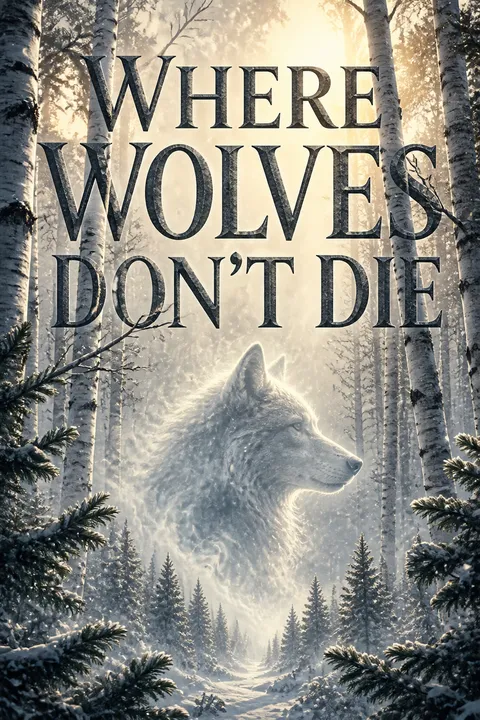
At the mouth of the Ottertail River, Ezra and his father dig Grandpa Liam's grave, honoring tradition and facing the pain of loss together. The burial is both an ending and a beginning: Ezra, now a man, reconciles with his father, embraces his heritage, and finds his place in the world. The wolves' howls echo across the lake, a reminder that life, death, and spirit are intertwined. In the embrace of family, community, and the land, Ezra discovers that home is not a place, but a web of relationships—where wolves don't die, and neither do the stories that sustain us.
Analysis
Where Wolves Don't Die is a powerful coming-of-age novel that weaves together themes of identity, trauma, resilience, and the enduring strength of Indigenous culture. Through Ezra's journey from the hostile streets of Minneapolis to the sacred woods of Red Gut, Anton Treuer explores the complexities of growing up Native in a world marked by loss, racism, and the lingering wounds of colonialism. The novel's structure—alternating between city and rez, dream and reality—mirrors the protagonist's search for belonging and meaning. At its heart, the story is about the power of community, the necessity of confronting painful truths, and the possibility of healing through tradition, love, and storytelling. The wolves, both literal and symbolic, represent the interconnectedness of all life and the importance of finding one's place in the pack. Treuer's narrative honors the wisdom of elders, the courage of youth, and the sacredness of the land, offering a vision of hope that is grounded in the realities of Indigenous experience. The lesson is clear: growth is not a single event, but a lifelong dance, and home is found not in a place, but in the relationships and stories that sustain us.
Review Summary
Characters
Ezra Cloud
Ezra is a fifteen-year-old Ojibwe boy caught between the urban grit of Minneapolis and the ancestral pull of Red Gut. Marked by grief over his mother's death and anger at the injustices he faces, Ezra's journey is one of self-discovery, healing, and coming of age. His relationships—with Nora, his father, and his grandparents—are fraught with unspoken pain and longing. Through the trials of violence, loss, and tradition, Ezra learns to channel his anger into growth, embracing his role as provider, protector, and member of the wolf clan. His psychological arc is one of moving from isolation and resentment to connection and acceptance.
Nora George
Nora is Ezra's childhood friend and confidante, a source of comfort and challenge. Her intelligence, cultural pride, and resilience make her a grounding force in Ezra's life. Having lost her father young, she understands grief and offers empathy without pity. Nora's own journey involves navigating threats from Matt, the trauma of the fire, and the complexities of her family's past. Her relationship with Ezra evolves from friendship to romance, marked by mutual vulnerability and trust. Nora's psychoanalysis reveals a young woman who balances independence with deep loyalty, and whose courage is both quiet and fierce.
Byron Cloud
Byron is Ezra's father, a large, imposing man whose strength masks deep wounds. As a professor of Ojibwe language, he straddles the worlds of tradition and modernity, struggling to protect his son from the dangers of the city and the legacy of colonial trauma. Byron's relationship with Ezra is strained by mutual grief and unspoken expectations. His own guilt over his wife's death and the family's displacement weighs heavily. Through the events of the novel, Byron learns to open up, reconcile with his son, and honor the wisdom of his elders. His arc is one of moving from stoic isolation to vulnerable connection.
Grandpa Liam Cloud
Liam is the heart of the Cloud family, a master trapper and keeper of Ojibwe knowledge. His humor, resilience, and skill are matched by deep scars—children lost to residential schools, the burden of protecting his family, and the pain of old secrets. Liam's mentorship of Ezra is both practical and spiritual, guiding him through the rites of passage that define manhood and belonging. His willingness to take the blame for the fire, even at the cost of his own reputation, reveals a profound sense of responsibility and love. Liam's death is both a personal and communal loss, but his legacy endures in the stories, skills, and values he imparts.
Grandma Emma Cloud
Emma anchors the family with her warmth, humor, and culinary prowess. Her partnership with Liam is a model of enduring love, marked by shared hardship and joy. Emma's own wounds—loss of children, the challenges of rez life—are borne with grace and resilience. She is a keeper of stories and traditions, ensuring that the family's history is remembered and honored. Emma's role in the aftermath of the fire, supporting Ruth and orchestrating the family's response, highlights her wisdom and capacity for forgiveness.
Matt Schroeder
Matt embodies the toxic legacy of racism, poverty, and familial dysfunction. His bullying of Ezra and Nora is both personal and systemic, rooted in his own trauma and the criminality of his household. The fire that kills his father and uncle leaves Matt scarred, both physically and emotionally, driving him toward vengeance. Yet, the novel offers glimpses of his vulnerability and the ways in which he, too, is a casualty of his environment. Matt's arc is a cautionary tale about the cycles of violence and the need for compassion, even for those who do harm.
Ruth George
Ruth is Nora's mother, a nurse who moves to the city for work but remains deeply connected to the rez. Her life is shaped by loss—her husband's death—and the imperative to protect her daughter. Ruth's actions during the fire, risking her own life to save Nora and attempting to help the Schroeders, reveal her courage and moral clarity. The burn scars on her hands are both literal and symbolic, marking her as a survivor and a witness to tragedy. Ruth's willingness to let Liam take the blame for the fire underscores the complexities of justice and sacrifice.
Detective John Williams
Detective Williams is a Black officer tasked with unraveling the mystery of the fire. His presence introduces questions of race, authority, and the limits of the justice system. Williams is methodical and fair, but constrained by the biases and suspicions of the community. His interactions with Ezra and Nora are marked by both empathy and skepticism. Williams' role is to probe the truth, but the resolution of the case ultimately depends on the willingness of the community to reveal its secrets.
Buster
Buster, Grandpa Liam's tiny, scrappy dog, is a constant companion and occasional hero. His antics provide levity amid the novel's heavier themes, but he also symbolizes loyalty, resilience, and the importance of even the smallest members of the pack. Buster's presence during key moments—wolf encounters, confrontations with Matt—underscores the interconnectedness of all beings in the family's world.
Daniel Drumbeater
Daniel is both a community leader and Ezra's spiritual mentor, having given him his Ojibwe name. His role is to offer guidance, protection, and perspective, bridging the worlds of tradition and contemporary challenges. Daniel's presence at ceremonies and moments of crisis reinforces the importance of kinship, ritual, and the enduring power of names and stories.
Plot Devices
Dual Settings: City and Rez
The novel's structure alternates between the urban landscape of Minneapolis and the rural, ancestral lands of Red Gut. This duality highlights the tensions between assimilation and tradition, danger and safety, alienation and belonging. The city is a site of trauma, racism, and loss, while the rez offers healing, community, and connection to the land. The movement between these worlds mirrors Ezra's internal journey and the broader struggles of Indigenous identity.
Dream Sequences and Spiritual Realism
Dreams, visions, and spiritual encounters are woven throughout the narrative, reflecting Ojibwe cosmology and the permeability of the material and spirit realms. Ezra's wolf dreams, the presence of ancestral voices, and the intervention of the wolf pack in moments of crisis serve as both plot devices and metaphors for transformation. These elements invite readers to question the nature of reality, agency, and the unseen forces that shape our lives.
Mystery and Suspense
The central mystery—the cause of the Schroeder fire and who is responsible—drives much of the plot. Suspicion, red herrings, and withheld information create tension and propel character development. The eventual revelation that the fire was an accident, and the willingness of family members to take the blame, underscores themes of sacrifice, justice, and the complexity of truth.
Rites of Passage and Ceremony
Traditional Ojibwe ceremonies—feasts, tobacco offerings, storytelling, and the giving away of a first kill—structure the narrative and mark key moments of transformation. These rituals are not mere background, but active agents in shaping identity, healing trauma, and forging community. The ceremonies provide both resolution and continuity, linking past, present, and future.
Intergenerational Trauma and Healing
The legacy of residential schools, colonial violence, and family loss is ever-present, influencing characters' choices and relationships. The sharing of painful stories, the willingness to forgive, and the embrace of tradition are depicted as pathways to healing. The novel suggests that growth is not linear or confined to youth, but a dance through all seasons of life.
Download PDF
Download EPUB
.epub digital book format is ideal for reading ebooks on phones, tablets, and e-readers.








































