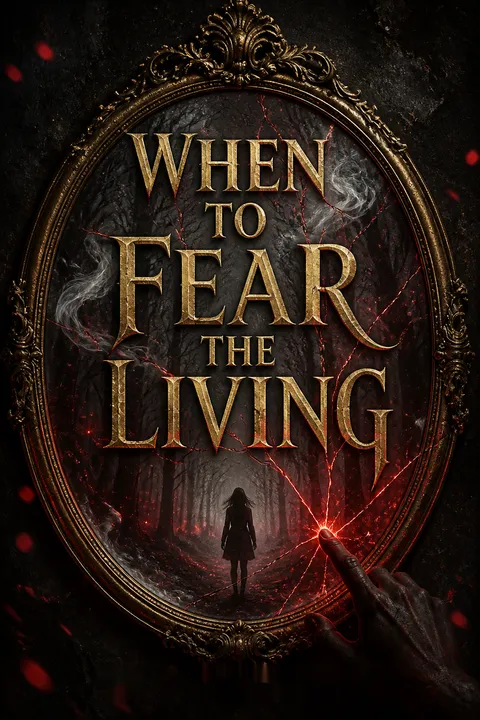

Plot Summary
1. Notes and New Threats
Lexie Delaney, a high school junior with the ability to see the dead, returns from winter break to find love notes in her locker. She suspects her close-knit group of guy friends—Zeke, Asher, Miles, Ethan, and Isaac—are playing a prank, but none admit to it. The notes unsettle her, especially as her ex, Dylan, continues to contact her. The group's dynamic is playful but protective, with Zeke enforcing a "probation" on Lexie after she failed to report bullying. Lexie's life is a balancing act between the living, her supernatural responsibilities, and the growing sense that someone is watching her.
2. Tensions and Trust Exercises
Lexie's relationship with Zeke grows tense as he insists on nightly check-ins, framing it as a trust exercise due to his own issues with control and safety. Lexie feels stifled and frustrated, leading to a heated confrontation. Zeke reveals his compulsion to protect those he cares about, rooted in past trauma. Their argument exposes vulnerabilities on both sides, but ultimately, they reconcile, understanding each other's needs. Meanwhile, the secret admirer's notes continue, and Lexie's unease grows as she realizes the threat may be more serious than a harmless crush.
3. Night Out, New Fears
Lexie attends a play with Miles, blurring the lines between friendship and something more. The evening is filled with warmth and subtle longing, but Lexie's internal conflict over her feelings for both Miles and Asher intensifies. The night is marred by the ever-present threat of her stalker, who continues to leave notes and gifts. Lexie's supernatural duties—helping the dead cross over—add to her exhaustion. The group's camaraderie is a source of comfort, but Lexie's sense of safety is increasingly fragile.
4. Shopping, Secrets, and Seizures
A shopping trip for a formal dress with her friend Jake is interrupted by a supernatural episode, witnessed by Dylan and others. Lexie's secret admirer continues to escalate, sending more personal messages and gifts. Lexie's friends rally around her, but the stalker's knowledge of her life becomes disturbingly precise. The boundaries between Lexie's public and private selves blur, and her ability to manage both her supernatural and real-world threats is tested.
5. Parties and Protection
Lexie and her friends attend a party where Tara, Lexie's cousin, is harassed by a football player. Zeke and Lexie intervene, reinforcing the group's protective bond. The incident prompts Tara to learn self-defense, and Lexie's role as both protector and protected becomes more pronounced. The stalker's presence looms, with increasingly invasive gestures. Lexie's supernatural work continues, but the living world's dangers feel more immediate and insidious.
6. Sledding and Subtle Warnings
A day of sledding with Isaac and his friends is overshadowed by reckless behavior and Lexie's growing awareness of her friends' vulnerabilities. Isaac's stunts and the group's banter mask deeper anxieties. Lexie's supernatural responsibilities are momentarily set aside, but the stalker's influence is felt in subtle ways. The group's dynamic is tested as Lexie navigates her feelings and the ever-present threat to her safety.
7. Zeke's Past Unveiled
Zeke reveals the truth about his parents' deaths—his father murdered his mother and then himself. This confession explains Zeke's compulsive need to protect and his difficulty with trust. Lexie's empathy deepens their bond, but also highlights the group's collective wounds. The stalker's actions escalate, and Lexie's sense of being watched intensifies. The supernatural and real-world dangers begin to intertwine, leaving Lexie feeling increasingly isolated.
8. Calming the Veil
Lexie finally succeeds in calming the Veil, the barrier between the living and the dead, allowing her to help souls cross over. This victory is hard-won, requiring emotional vulnerability and the support of her friends. The process is draining, but brings a sense of accomplishment. However, the stalker's behavior grows more erratic and threatening, overshadowing Lexie's supernatural achievements. The group celebrates, but the sense of safety is fleeting.
9. Stalker Escalates
Lexie's stalker leaves increasingly disturbing gifts—flowers, a ring, and eventually, explicit threats. The group's protective measures intensify, with code words and GPS trackers. Lexie's autonomy is eroded as the stalker's obsession becomes more violent. The school administration's response is inadequate, blaming Lexie for the disruption. The group's unity is both a strength and a source of tension, as Lexie struggles with guilt and fear.
10. The Dance and the Danger
At the Winter Formal, Lexie's attempt to enjoy a normal teenage experience is overshadowed by the stalker's presence. She leaves early, only to experience a flat tire and a series of unsettling encounters. Zeke's protectiveness is both comforting and suffocating. The stalker's surveillance becomes undeniable, with photos and messages left at Lexie's home. The group's vigilance increases, but the threat feels inescapable.
11. The Attack and Aftermath
Lexie is attacked and abducted by her stalker, revealed to be Clay, a seemingly innocuous classmate. Drugged and beaten, Lexie endures physical and psychological trauma, including sexual assault attempts. Her friends, using the GPS trackers, rescue her in time, but the damage is profound. The aftermath includes a hospital stay, a rape kit, and the realization that the threat was closer than anyone imagined. The group's support is unwavering, but Lexie's sense of self is shattered.
12. Hospital and Healing
In the hospital, Lexie is surrounded by her friends and family, who struggle with their own guilt and helplessness. The medical and legal processes are grueling, but Lexie is not alone. The group's dynamic shifts as they confront the reality of trauma and the limitations of their protection. Lexie's supernatural abilities are sidelined as she focuses on healing. The stalker is arrested, but the psychological scars remain.
13. Recovery and Revelations
Lexie's recovery is marked by nightmares, panic attacks, and a loss of autonomy. Therapy becomes a lifeline, and the group adapts to new boundaries. Lexie's relationships with Zeke, Asher, and Miles are complicated by unspoken feelings and the aftermath of violence. The supernatural world is patient, allowing Lexie the space to heal. The group's loyalty is tested, but their love endures.
14. Facing the Stalker
Evidence points to Dylan, Lexie's ex, as the stalker, but the real perpetrator is Clay, who manipulated technology and others to cover his tracks. The group's efforts, especially Miles' technical skills, are instrumental in uncovering the truth. The legal system responds, but Lexie's sense of safety is slow to return. The group's unity is both a shield and a source of tension, as Lexie navigates her new reality.
15. The Final Confrontation
Clay's obsession culminates in a violent confrontation, but Lexie's resourcefulness and the group's intervention save her. The aftermath is a mix of relief and lingering fear. The group's protective instincts are validated, but Lexie's autonomy is hard-won. The supernatural world remains in the background, a reminder of Lexie's unique burdens. The victory is bittersweet, marked by both loss and survival.
16. Aftershocks and Adjustments
The group implements new safety measures, and Lexie's therapy becomes central to her recovery. Relationships are strained but ultimately strengthened by honesty and vulnerability. Lexie's supernatural duties resume slowly, with the support of the ghosts she helps. The group's dynamic evolves, with new boundaries and deeper understanding. Lexie's sense of self is rebuilt, piece by piece.
17. Moving Forward
Months later, Lexie continues therapy and gradually reclaims her independence. The group remains close, but Lexie learns to navigate the world on her own terms. Her supernatural abilities are integrated into her life, no longer a source of isolation. The trauma lingers, but Lexie's resilience and the love of her friends offer hope for the future. The story ends with Lexie looking forward, determined to live fully despite the shadows of her past.
Analysis
When To Fear The Living is a powerful exploration of trauma, resilience, and the complexities of found family. B.L. Brunnemer crafts a narrative that seamlessly blends supernatural intrigue with the all-too-real dangers of obsession and violence. The story's emotional arc is defined by Lexie's journey from isolation and fear to connection and agency, supported by a cast of deeply realized characters whose own wounds and strengths mirror her own. The novel's treatment of trauma is unflinching yet compassionate, refusing to offer easy answers or quick fixes. Instead, it honors the slow, nonlinear process of healing, the necessity of boundaries, and the transformative power of love—both romantic and platonic. The supernatural elements serve as both metaphor and counterpoint to the real-world threats Lexie faces, underscoring the lesson that the living can be more dangerous than the dead, but also that hope and connection are possible even in the darkest of times. The book's ultimate message is one of survival—not just enduring, but reclaiming one's life and identity in the aftermath of violence.
Review Summary
Characters
Lexie Delaney
Lexie is a necromancer who sees and helps the dead cross over, but her supernatural abilities are both a gift and a burden. Orphaned and living with her uncle, she's fiercely independent yet deeply reliant on her found family of friends. Lexie's psychological landscape is shaped by trauma, both supernatural and real-world, and her journey is one of survival, healing, and self-acceptance. Her relationships with Zeke, Asher, and Miles are complex, marked by unspoken longing and mutual protectiveness. Lexie's development is defined by her ability to confront fear, embrace vulnerability, and reclaim agency in the face of relentless threats.
Zeke Blackthorn
Zeke is the group's anchor, driven by a compulsion to protect those he loves—a trait rooted in the childhood trauma of witnessing his father murder his mother. His gruff exterior masks deep vulnerability and a capacity for tenderness, especially with Lexie. Zeke's relationship with Lexie is fraught with tension, trust issues, and unspoken affection. His need for control often clashes with Lexie's independence, but their bond is ultimately healing for both. Zeke's development is a journey from isolation to connection, learning to trust and be trusted.
Miles Huntington
Miles is the group's intellectual center, offering calm, reason, and technical expertise. His understated affection for Lexie is expressed through acts of service and quiet support. Miles' own struggles with perfectionism and emotional restraint are challenged by Lexie's chaos and vulnerability. His role in uncovering the stalker's identity is pivotal, and his presence is a source of stability. Miles' development is marked by his willingness to step out of his comfort zone and embrace emotional risk.
Asher Turner
Asher is the group's heart, balancing charm with genuine care. His relationship with Lexie is marked by flirtation, deep friendship, and unresolved romantic tension. Asher's own family dynamics and personal ambitions create internal conflict, but his loyalty to Lexie and the group is unwavering. He provides comfort and levity, but also struggles with his own feelings of inadequacy. Asher's development is a journey toward self-acceptance and honest connection.
Ethan Turner
Ethan, Asher's twin, is the group's comic relief and emotional barometer. His flirtatious banter with Lexie masks deeper insecurities and a need for validation. Ethan's musical talent is both a source of pride and vulnerability, especially as Lexie's trauma affects her ability to sing. His sensitivity makes him attuned to the group's emotional currents, and his support is often a lifeline for Lexie. Ethan's development is about finding his own voice and learning to support others without losing himself.
Isaac Turner
Isaac, Ethan's twin, is the group's wild card—mischievous, affectionate, and sometimes reckless. His playful exterior hides a deep loyalty and a willingness to confront danger for his friends. Isaac's relationship with Lexie is sibling-like, marked by teasing and mutual support. He struggles with boundaries, both his own and others', but his heart is always in the right place. Isaac's development is about learning restraint and the true meaning of protection.
Riley
Riley is Zeke's ex-girlfriend and one of Lexie's few female friends. Her assertiveness and resilience make her a valuable ally, especially as Lexie navigates trauma. Riley's own experiences with boundaries and relationships inform her support for Lexie. She represents the possibility of healing and connection beyond the core group. Riley's development is about finding her own path and supporting others without losing herself.
Tara
Tara, Lexie's cousin, is initially distant and sometimes antagonistic, but their relationship evolves through shared experiences and mutual support. Tara's journey from rivalry to solidarity mirrors Lexie's own path toward trust and belonging. Her willingness to learn self-defense and support Lexie in crisis marks her growth. Tara's development is about overcoming jealousy and embracing family.
Dylan
Dylan, Lexie's ex, is a source of pain and confusion. His attempts to re-enter Lexie's life are marked by manipulation and denial, ultimately revealed as part of the stalker's web. Dylan's character is a cautionary tale about the dangers of unresolved trauma and the consequences of selfishness. His exposure as a pawn in the stalker's scheme is both tragic and necessary for Lexie's closure.
Clay Ordin
Clay, the stalker, is a master of manipulation and technological subterfuge. His obsession with Lexie escalates from notes to abduction and violence. Clay's psychological profile is marked by delusion, entitlement, and a capacity for cruelty masked by a veneer of normalcy. His actions force Lexie and her friends to confront the limits of their protection and the reality of evil. Clay's exposure and arrest are a victory, but the scars he leaves are lasting.
Plot Devices
Dual Threats: Supernatural and Real-World
The narrative structure weaves together Lexie's supernatural responsibilities—helping the dead cross over—with the escalating threat of a real-world stalker. This duality heightens tension and underscores the theme that the living can be more dangerous than the dead. Foreshadowing is used effectively, with early notes and gifts hinting at the stalker's growing obsession. The group's protective measures—code words, GPS trackers, and constant vigilance—mirror Lexie's own strategies for managing the supernatural. The convergence of these threats in the climactic abduction scene is both inevitable and devastating.
Found Family and Chosen Bonds
The story's emotional core is the found family Lexie builds with her friends. Their loyalty, protectiveness, and willingness to sacrifice for each other are both a source of strength and a point of vulnerability. The narrative uses group scenes—meals, games, training sessions—to build intimacy and foreshadow the group's collective response to crisis. The group's dynamic is tested by trauma, unspoken feelings, and the limits of protection, but ultimately endures.
Trauma and Healing
The aftermath of Lexie's abduction and assault is explored with sensitivity and realism. The narrative structure allows for moments of regression, panic, and vulnerability, balanced by therapy, support, and gradual reclamation of agency. The use of therapy sessions, group interventions, and personal rituals (like helping the dead cross over) provides a framework for healing. The story resists easy resolution, acknowledging that recovery is ongoing and requires both individual and communal effort.
Romantic Tension and Emotional Complexity
Lexie's relationships with Zeke, Asher, and Miles are marked by longing, confusion, and restraint. The narrative uses close third-person perspective and internal monologue to convey Lexie's emotional turmoil. Romantic moments are often interrupted by external threats or internal conflict, heightening the sense of longing and deferred resolution. The story resists simple pairings, instead exploring the complexity of love, friendship, and trauma.
Technology as Both Tool and Threat
The stalker's use of technology—emails, hidden cameras, GPS manipulation—mirrors the group's own reliance on tech for safety. The narrative uses technological details (like webcam hacking and GPS trackers) to ground the supernatural elements in a contemporary reality. The exposure of the stalker through digital forensics is both a plot resolution and a commentary on the dangers of digital vulnerability.
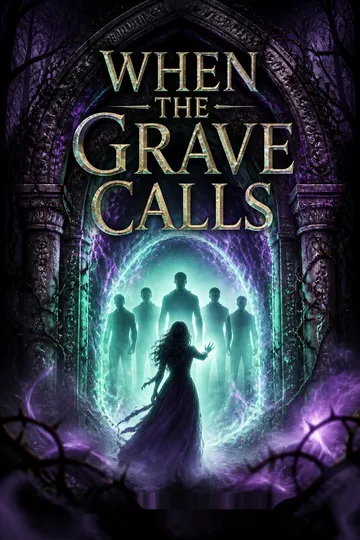
The Veil Diaries Series







About the Author

Download PDF
Download EPUB
.epub digital book format is ideal for reading ebooks on phones, tablets, and e-readers.








































