
Plot Summary
Death in the Gully
On a cold October night in Black Harbor, Wisconsin, medical examiner Rowan Winthorp is called to a grisly scene: the body of Madison Caldwell, her daughter's best friend, is found in a gully, teeth smashed and neck bruised. The violence is shocking, but what chills Rowan most is the proximity—Madison lived just houses away, and her own daughter, Chloe, was last seen nearby. The crime scene is chaotic, crawling with police, including Rowan's husband, Axel, a homicide detective. As Rowan processes the body, she's haunted by Madison's lifeless eyes and the knowledge that her own child could be next. The sense of dread is immediate and personal, setting off a desperate search for answers and for Chloe.
Chloe Disappears
Chloe, Rowan and Axel's teenage daughter, is missing. She was last seen leaving for her school's musical, dressed in a red lace dress, her mood dark and distant. When Rowan tries to confirm Chloe's safe return home, she discovers her daughter's room empty, the window open, and no sign of her. Panic sets in as the family's worst fears materialize: Chloe has vanished on the same night her best friend was murdered. The police swarm their home, searching for clues, while Rowan and Axel are forced to confront the possibility that their daughter is either a victim—or knows more than she's saying. The emotional stakes skyrocket as the family's private grief becomes a public crisis.
Neighborhood on Edge
The murder and Chloe's disappearance send shockwaves through the tight-knit Belgrave Circle neighborhood. Parents keep their children close, and rumors swirl about who could be responsible. Rowan's best friend, Marnie, offers comfort, but even their friendship is strained by the fear that anyone could be a suspect. The police investigation intensifies, with Axel torn between his professional duty and personal desperation. As the community reels, old secrets and resentments bubble to the surface, and the sense of safety is shattered. The neighborhood's veneer of civility cracks, exposing the darkness lurking beneath.
Secrets and Suspects
The investigation uncovers a web of secrets among the teens and adults of Black Harbor. Madison's boyfriend, Reeves, is questioned, and his alibi is shaky. Chloe's locker is found stuffed with cruel drawings and rumors about her relationship with her drama teacher, Mr. Cutler. Libby, the quiet, ostracized neighbor girl, watches everything from her window, collecting details others miss. The police chase leads that go nowhere, and suspicion falls on everyone—friends, teachers, even Chloe herself. The emotional toll mounts as Rowan and Axel struggle to trust each other and themselves, haunted by guilt and the fear that their daughter may be involved.
Locker Room Rumors
At Monroe Academy, the high school's social ecosystem is toxic. Madison and her new friend Sari have turned on Chloe, spreading rumors that she's sleeping with Mr. Cutler to get the lead in the school play. The rumor is amplified by a staged Snapchat and cruel sketches, fueling Chloe's isolation and despair. Reeves, Madison's boyfriend, is caught in the middle, while Libby, bullied for her love of taxidermy, becomes an unlikely confidante for Chloe. The adults are slow to see the damage, and the rumor's consequences spiral out of control, setting the stage for further tragedy.
The Teeth and the Trail
As the investigation deepens, forensic evidence reveals that Madison's teeth were smashed postmortem, and strange marks on her neck suggest strangulation. Chloe's prints are found on her own window, but no sign of forced entry. Libby's taxidermy kit goes missing, and her fascination with death makes her a person of interest. The trail where Madison was killed and Chloe disappeared becomes a symbol of lost innocence and lurking danger. Rowan and Axel's marriage strains under the weight of suspicion, as each wonders if their daughter could be both victim and perpetrator.
Libby's Locket
Libby, the overlooked neighbor girl, harbors secrets of her own. She collects Madison's teeth from the crime scene, hiding them in a heart-shaped locket. When Axel confronts her, she's evasive, but the evidence is damning. Libby's obsession with death and her outsider status make her both a suspect and a red herring. Her perspective offers a chilling glimpse into the ways trauma and cruelty can warp a young mind. The locket becomes a symbol of the hidden pain and complicity that runs through the community.
The Taxidermist's Daughter
Libby's love of taxidermy is both her refuge and her curse. In class, she's mocked and ostracized, but she finds solace in the meticulous work of preserving dead animals. The skills she learns—removing eyes, cleaning bones—mirror the mutilations found on the victims. The police begin to suspect that the killer has knowledge of anatomy and access to specialized tools. Libby's connection to Chloe deepens, revealing a secret friendship that complicates the investigation and blurs the line between victim and suspect.
The Rumor's Cost
The rumor about Chloe and Mr. Cutler spirals out of control, destroying reputations and relationships. Sari confesses to starting the rumor with Madison, motivated by jealousy and a desire for attention. The fallout is devastating: Chloe withdraws, Madison is murdered, and Sari becomes the next target. The adults, slow to intervene, are left to pick up the pieces as the true cost of cruelty becomes clear. The rumor's ripple effects expose the fragility of trust and the ease with which lives can be ruined by lies.
The Haunted House Kill
During a Halloween haunted house event, Sari's body is discovered, her eyes gouged out with surgical precision. The brutality of the crime escalates the panic in Black Harbor. Forensic evidence points to a taxidermy tool, and Libby's missing kit is found near the scene. The police scramble to connect the dots, but the killer remains elusive. The haunted house, meant for thrills and scares, becomes a real-life horror show, and the sense of safety in the community is shattered once more.
Autopsy Revelations
Rowan's autopsies reveal chilling details: both Madison and Sari were strangled by someone with knowledge of anatomy and strength to overpower them. The mutilations—teeth smashed, eyes removed—are postmortem, suggesting a killer who wants to send a message. The word "BITCH" is carved inside Madison's lip, a signature of rage and revenge. The evidence points away from random violence and toward someone with a personal vendetta. Rowan is haunted by her own past mistake—a fatal error as a young doctor—and wonders if karma is coming for her family.
The Yearbook List
A yearbook found in Chloe's room contains a chilling clue: the faces of Madison, Sari, and Libby are all scratched out. The list suggests premeditation and a plan for further violence. Rowan and Axel realize that the killer is working through a personal vendetta, targeting those who wronged Chloe—or someone who looks like her. The discovery raises the stakes, as they race to protect the remaining potential victims and uncover the killer's identity before it's too late.
The Pumpkin Lady
As pumpkins disappear from porches around Belgrave Circle, rumors spread about the "Pumpkin Lady," a homeless woman seen pushing a stroller filled with jack-o'-lanterns. When her path crosses with the investigation, she provides a crucial clue: she witnessed someone with short, grey hair near the scene of Sari's murder. The Pumpkin Lady's own grief—she lost a child—mirrors Rowan's, and her presence becomes a symbol of the town's collective mourning and the thin line between sanity and despair.
The Teacher's Past
The investigation turns to Eddie Taylor, Chloe's English teacher, whose own sister, Aurora, died tragically years ago. Eddie's obsession with his lost sister and his connection to Chloe—who resembles Aurora—come to light. As Rowan and Axel dig into his past, they uncover a pattern of grief, fixation, and escalating violence. Eddie's role as a trusted adult masks his true nature, and the revelation that he is the killer shocks the community. The past and present collide in a deadly confrontation.
The Rose Garden
Eddie's fixation on recreating his lost family leads him to kidnap Chloe and hold her captive in a rooftop rose garden atop the abandoned tannery. He believes Chloe is his sister reborn and is determined to "save" her from the fate that befell Aurora. The rose garden, meant as a sanctuary, becomes a prison. As Rowan and Axel close in, the tension mounts to a fever pitch. The symbolism of the roses—beauty and pain, love and loss—underscores the tragedy at the heart of the story.
Rooftop Confrontation
The climax unfolds on the rooftop, where Rowan and Axel confront Eddie in a desperate bid to save their daughter. Eddie, unhinged and armed, threatens to kill Chloe rather than let her go. In a brutal struggle, Rowan uses her medical knowledge and raw determination to overpower Eddie, saving Chloe and ending the cycle of violence. The confrontation is cathartic and harrowing, forcing each character to face their deepest fears and regrets. The family is reunited, but forever changed.
Coming Home Broken
Chloe is rescued but traumatized, bearing physical and emotional scars. Rowan and Axel, their marriage tested to the brink, begin the slow process of healing. The community mourns its losses and grapples with the aftermath of violence. Friendships are strained, trust is fragile, and the shadow of grief lingers. Yet, there is hope: Chloe is invited to attend a prestigious acting camp, and the family finds solace in small moments of connection. The story ends with a sense of hard-won resilience and the knowledge that healing is possible, even in the darkest places.
Healing and Hauntings
As Halloween arrives, the town is quieter, marked by loss but also by survival. Rowan reflects on the lessons learned—the dangers of secrets, the cost of cruelty, and the power of love to endure. The Pumpkin Lady continues her ritual, honoring her lost child, while Rowan carves a jack-o'-lantern for Chloe, knowing it will be gone by morning. The family, though haunted, is together, and Black Harbor, for all its darkness, is still home.
Analysis
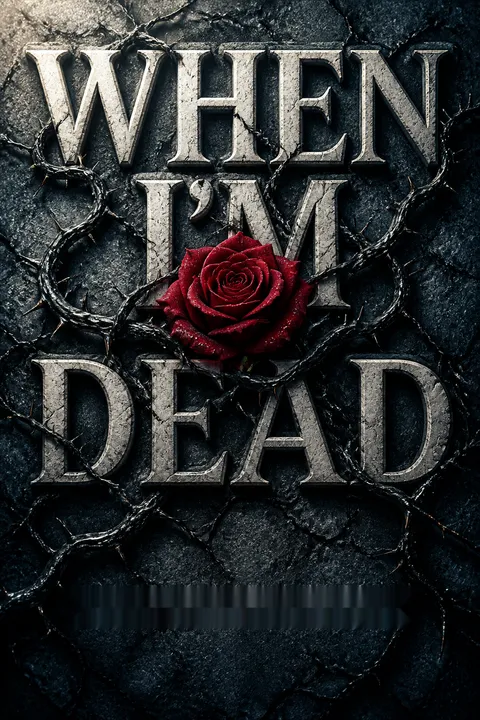
A modern gothic about trauma, cruelty, and the longing for connectionWhen I'm Dead is a chilling exploration of how secrets, rumors, and unresolved grief can metastasize into violence. Through its interwoven perspectives, the novel examines the ripple effects of bullying, the dangers of assumption, and the ways in which communities fail their most vulnerable members. The physical mutilations inflicted on the victims are mirrored by the psychological wounds carried by the survivors—parents, children, and outcasts alike. The story is as much about the search for truth as it is about the search for forgiveness: Rowan's guilt over a past mistake, Axel's struggle to balance duty and love, Chloe's battle for selfhood, and Libby's yearning to be seen. The novel's ultimate message is one of hard-won hope: that healing is possible, but only through honesty, empathy, and the willingness to confront the darkness within and without. Black Harbor, for all its horrors, is also a place where resilience and love can take root—even if, like a rose garden on a rooftop, it requires pain and persistence to bloom.
Review Summary
When I'm Dead receives mixed reviews, averaging 3.59/5. Praised reviewers highlight its atmospheric Halloween setting, gripping twists, complex characters, and dark tension surrounding parents investigating their daughter's disappearance. Critics cite implausible police procedures allowing parents to work their own daughter's case, heavy-handed clue delivery, repetitive character guilt loops, and an obvious killer reveal. The "mean girls" trope divided readers. Most agree it functions well as a standalone despite being the third Black Harbor installment, with Morrissey's atmospheric prose consistently noted as a strength.
People Also Read


Characters
Rowan Winthorp
Rowan is the emotional and moral center of the story, a woman whose professional detachment as a medical examiner is shattered when violence strikes her own family. Her relationship with her daughter, Chloe, is fraught with guilt, distance, and longing for connection. Rowan's past mistake—a fatal error as a young doctor—haunts her, fueling her belief that karma is punishing her through Chloe's suffering. Her marriage to Axel is tested by grief, suspicion, and the relentless demands of their jobs. Rowan's journey is one of reckoning: with her own failings, with the darkness in her community, and with the possibility of forgiveness and healing.
Axel Winthorp
Axel is a seasoned homicide detective whose professional skills are put to the ultimate test when his own daughter goes missing. Torn between his duty to the law and his love for his family, Axel is driven, stubborn, and emotionally raw. His relationship with Rowan is strained by secrets and the fear that Chloe may be both victim and perpetrator. Axel's guilt over missed opportunities and his relentless pursuit of the truth make him both a hero and a flawed, deeply human figure. His arc is one of humility, vulnerability, and the painful process of learning to trust and let go.
Chloe Winthorp
Chloe is the catalyst for the novel's emotional and narrative turmoil. Once bright and outgoing, she becomes withdrawn and goth, targeted by rumors and bullying at school. Her disappearance is both a literal and symbolic loss for her family. Chloe's secret friendship with Libby and her struggles with identity, isolation, and the weight of others' expectations make her a complex, sympathetic character. Her ordeal at the hands of Eddie Taylor leaves her traumatized but ultimately resilient, embodying the story's themes of survival and transformation.
Libby Lucas
Libby is the overlooked neighbor girl, mocked for her love of taxidermy and her weight, but possessing a keen intelligence and a deep well of empathy. Her secret friendship with Chloe and her role as a collector of secrets—literal and figurative—make her both a suspect and a key to the mystery. Libby's psychological complexity is rooted in her outsider status, her fascination with death, and her longing for connection. Her arc is one of self-acceptance and the realization that even the most marginalized voices matter.
Eddie Taylor (Edward Blum)
Eddie is the story's antagonist, a man warped by grief over his sister Aurora's death and his mother's neglect. His fixation on Chloe, who resembles Aurora, drives him to murder and abduction in a twisted attempt to recreate his lost family. Eddie's dual role as trusted teacher and secret predator is chilling, and his psychological unraveling is both tragic and terrifying. His actions are motivated by a desperate need for love and belonging, but his inability to process loss leads to violence and destruction.
Madison Caldwell
Madison is the first murder victim, a popular girl whose friendship with Chloe soured into rivalry and cruelty. Her role as both victim and bully complicates the narrative, highlighting the blurred lines between perpetrator and prey. Madison's death is the catalyst for the story's events, and her legacy lingers in the secrets and resentments she leaves behind.
Sari Simons
Sari is Madison's new best friend and co-conspirator in the rumor campaign against Chloe. Her own insecurities and desire for acceptance drive her to cruelty, but she too becomes a victim of the killer's rage. Sari's death escalates the fear and urgency in the community, and her story serves as a cautionary tale about the consequences of unchecked malice.
Reeves Singh
Reeves is Madison's boyfriend, caught between loyalty and suspicion. His relationship with Madison is fraught with conflict, and his proximity to the crimes makes him a person of interest. Reeves's own struggles with class, identity, and guilt add depth to his character, and his eventual alliance with Libby helps unravel the mystery.
Marnie Lucas
Marnie is Rowan's confidante and Libby's mother, a doctor who balances compassion with pragmatism. Her friendship with Rowan is tested by the events of the novel, as both women grapple with the possibility that their daughters are in danger—or dangerous themselves. Marnie's perspective offers a grounded, empathetic counterpoint to the escalating hysteria in the community.
Mark Cutler
Mr. Cutler is the subject of rumors and suspicion, accused of having an inappropriate relationship with Chloe. His past—marrying a former student—adds fuel to the fire, but he is ultimately a victim of circumstance and the destructive power of gossip. Cutler's character explores the dangers of assumption and the collateral damage of rumor.
Plot Devices
Dual Perspectives and Shifting Narrators
The novel alternates between the perspectives of Rowan, Axel, Libby, and occasionally others, allowing readers to experience the emotional stakes from inside each character's mind. This structure builds suspense, as information is revealed piecemeal, and deepens empathy by exposing the private fears, guilt, and motivations that drive each character. The shifting viewpoints also mirror the novel's themes of misunderstanding and the difficulty of truly knowing another person.
Red Herrings and Misdirection
The narrative is rife with red herrings—Libby's taxidermy kit, Mr. Cutler's rumored affair, Reeves's proximity to the crime scenes—that keep both characters and readers guessing. These misdirections serve to illustrate the dangers of assumption and the ease with which suspicion can destroy lives. The ultimate revelation of Eddie Taylor as the killer is both surprising and, in retrospect, inevitable, as the clues are carefully seeded throughout.
Symbolism of Teeth, Eyes, and Roses
The killer's postmortem mutilations—smashing teeth, gouging eyes—are not only gruesome but symbolic. Teeth represent speech, secrets, and the power to harm with words; eyes symbolize perception, truth, and the refusal to see. The rose garden atop the tannery, where Chloe is held captive, is a twisted realization of Eddie's longing for beauty and redemption. These symbols reinforce the novel's exploration of trauma, revenge, and the longing for connection.
Yearbook as a Hit List
The discovery of a yearbook with scratched-out faces serves as a chilling plot device, revealing the killer's premeditation and personal vendetta. It also functions as a metaphor for erasure—of identity, of innocence, of the possibility of forgiveness. The yearbook's presence in Chloe's room implicates her, but ultimately points to the true killer's obsession with the past.
Autopsy and Forensic Detail
Rowan's role as medical examiner allows the narrative to delve into forensic detail, using the bodies of the victims as texts to be read. The autopsies provide crucial clues, but also serve as meditations on mortality, guilt, and the limits of knowledge. The clinical language of death contrasts with the raw emotion of the living, highlighting the gap between evidence and understanding.
The Haunted Setting of Black Harbor
Black Harbor itself is a character—grim, decaying, and haunted by its own history. The setting amplifies the novel's mood of dread and claustrophobia, reinforcing the sense that escape is impossible and that the past is always present. The town's physical decay mirrors the emotional and moral decay of its inhabitants, and the recurring motif of the lake, the gully, and the abandoned tannery underscores the story's themes of loss and longing.
Black Harbor Series

Download PDF
Download EPUB
.epub digital book format is ideal for reading ebooks on phones, tablets, and e-readers.








































