
Plot Summary
The Fork in the Road
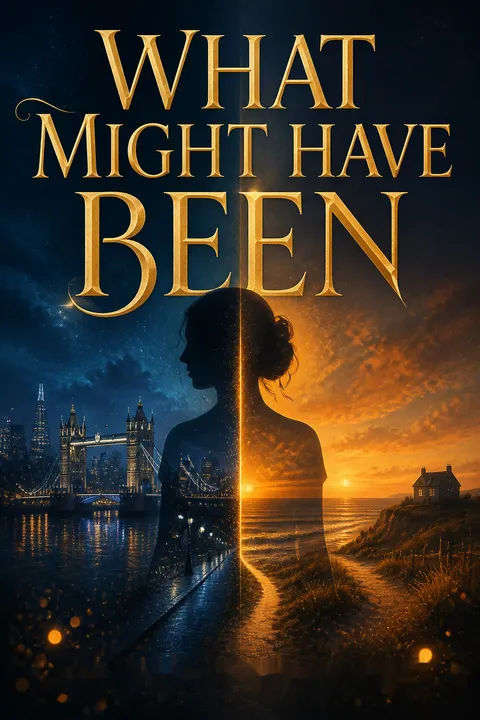
Lucy Lambert's life pivots on a single, ordinary day: she quits her job at a small-town ad agency, then, in a pub, meets two men—her ex, Max, the one who broke her heart, and Caleb, a charming photographer. A horoscope hints at fate, but Lucy's at a crossroads: should she stay in her coastal hometown and pursue her long-abandoned dream of writing, or move to London for a high-powered job and a possible rekindling with Max? The universe seems to offer signs, but the real decision is Lucy's. This moment fractures her life into two parallel paths, each shaped by love, ambition, and the ghosts of her past.
Parallel Beginnings
From this pivotal moment, Lucy's story splits. In one reality, she stays in Shoreley, takes a part-time job at a gift shop, and joins a writing group, determined to finally write her novel. In the other, she moves to London, lands a job at a top agency, and reconnects with Max. Both paths are haunted by what-ifs and the lingering ache of past trauma. Lucy's relationships—with her supportive but complicated sister Tash, her best friend Jools, and her own sense of self—are tested as she navigates the consequences of her choice. Each life unfolds with its own joys, heartbreaks, and lessons.
Stay: Small Town, New Dreams
In Shoreley, Lucy finds unexpected solace in the slow rhythms of small-town life. Working at Pebbles & Paper, she's surrounded by quirky locals and the gentle encouragement of her family. Her sister Tash pushes her to pursue her writing, and Lucy joins a local group led by the eccentric Ryan. The act of writing becomes both therapy and ambition, helping her process old wounds and rediscover her voice. As she settles into this quieter existence, Lucy's world expands inwards, and she begins to see the beauty in the ordinary, the healing in creativity, and the possibility of new love.
Go: London's Second Chances
In London, Lucy is swept up in the city's energy and the relentless pace of her new job at Supernova. She moves in with Jools, her oldest friend, and is soon drawn back into Max's orbit. Their chemistry is undeniable, and the city becomes a backdrop for their rekindled romance. Yet, beneath the surface, old insecurities and unresolved questions linger. Lucy's ambition is tested by the demands of her career, and she struggles to balance her longing for creative fulfillment with the allure of success and the comfort of familiar love. London offers excitement, but also forces Lucy to confront the parts of herself she's tried to outrun.
Stay: Caleb's Gentle Gravity
Caleb, the local photographer, enters Lucy's life with quiet steadiness. Their connection grows through shared moments—beach walks, open-air Shakespeare, and late-night conversations about dreams and disappointments. Caleb's own scars—his recent separation, his failed attempts at starting a family—mirror Lucy's vulnerabilities. Together, they build trust, navigating the complexities of new love while honoring the pain of the past. Caleb encourages Lucy's writing, reads her pages, and helps her believe in her talent. Their relationship is a slow burn, rooted in mutual respect and the courage to be seen, flaws and all.
Go: Max Rekindled
Lucy and Max's reunion is electric, charged with nostalgia and longing. They fall quickly into old patterns—shared jokes, passionate nights, and dreams of a future together. Yet, the past is never far away. The unresolved pain of their breakup, the secrets they both carry, and the shadow of Lucy's trauma in Australia threaten their happiness. Max's own baggage—his difficult childhood, his complicated relationship with his mother, and his guilt over past mistakes—complicates their path. As they try to build something lasting, Lucy must decide if love can truly conquer the wounds of history.
Stay: Writing, Healing, Loving
Lucy's writing becomes the thread that weaves her new life together. The support of her group, the encouragement from Caleb, and the act of putting words to paper help her process her trauma and reclaim her sense of agency. She faces setbacks—rejection from competitions, doubts about her talent—but persists, finding joy in the process and pride in her progress. Her novel, inspired by her parents' love story, becomes a vessel for hope and healing. As she grows as a writer, Lucy also grows as a partner, friend, and sister, learning that vulnerability is the key to true connection.
Go: Old Wounds, New Truths
In London, the past refuses to stay buried. A mistaken text from Tash reveals a devastating secret: years ago, Max slept with Lucy's sister, shattering Lucy's trust and sense of self. The revelation forces Lucy to confront the fragility of love and the complexity of forgiveness. Her relationship with Tash is strained to the breaking point, and her bond with Max is irrevocably altered. Grief, anger, and betrayal threaten to consume her, but Lucy must decide whether to cling to the past or forge a new path forward. The city that once promised reinvention now demands reckoning.
Stay: Family, Forgiveness, and Fire
A fire at her parents' cottage becomes a catalyst for transformation. Lucy, Caleb, and her family are forced to confront what truly matters. Her parents, long the model of soulmate love, reveal their own struggles and contemplate divorce, challenging Lucy's beliefs about destiny and lasting happiness. Through crisis, the family finds new ways to support each other, and Lucy learns that love is a choice, not a guarantee. Caleb's opportunity to travel for work tests their relationship, but Lucy's growth allows her to support his dreams without losing herself. Forgiveness—of others and herself—becomes the foundation for a new beginning.
Go: Loss, Grief, and Hope
Just as Lucy and Max seem poised for a future together, tragedy intervenes. Max is killed in a car accident on his way to surprise Lucy, leaving her shattered by grief and guilt. The discovery of an engagement ring he never got to give her deepens her sorrow but also affirms the depth of their love. In the aftermath, Lucy finds herself pregnant with Max's child—a bittersweet gift that offers hope amid devastation. Supported by friends and family, she learns to navigate single motherhood, honoring Max's memory while building a new life for herself and their daughter.
Stay: Letting Go, Moving Forward
With Caleb away on assignment, Lucy faces the challenge of distance and the temptation to retreat into old fears. Encouraged by friends and her own hard-won resilience, she pushes herself to travel, surprising Caleb in Bali and proving to herself that she can reclaim the world from her trauma. Their reunion is joyful and affirming, and Caleb proposes, sealing their commitment to a shared future. Lucy's writing career gains momentum, and she learns that happiness is not a matter of fate, but of courage, persistence, and the willingness to choose love—again and again.
Go: The Weight of Choices
Lucy's journey through grief is marked by the slow, painful work of acceptance. Therapy, friendship, and the demands of motherhood help her find purpose amid loss. She reconnects with her creative side, joins a writing group, and begins to imagine a future shaped not by what she's lost, but by what she can still create. Encounters with the past—Max's friend Dean, her old boss Georgia, even Caleb—offer closure and the reminder that every choice, even the painful ones, leads to new possibilities. Lucy learns that life is not about erasing regret, but about making peace with it.
Stay: Full Circle, New Beginnings
Lucy and Caleb marry in a joyful celebration surrounded by friends and family. Her parents, once separated, find their own path to happiness, reminding Lucy that love is ever-evolving. Jools, her steadfast friend, finds her own happy ending. Lucy's writing career blossoms, and she and Caleb begin planning for a family of their own. A chance encounter with Max at the hospital—now happily married with a child—offers the final closure Lucy needs. She realizes that every twist of fate, every heartbreak and triumph, has led her to this moment of peace and fulfillment.
Go: Endings and Epilogues
A year after Max's death, Lucy is raising their daughter, Hope, surrounded by the love of friends and family. She finds comfort in small rituals, in the support of Jools, and in the knowledge that Max's love endures through their child. Encounters with the past—Caleb, her writing group, her parents—remind her that life is a tapestry of choices, losses, and unexpected gifts. Lucy's journey is not defined by tragedy, but by resilience, gratitude, and the courage to keep moving forward. In both lives, she learns that what might have been is less important than what is—and what can still be.
Analysis
What Might Have Been is a moving, intricately structured exploration of choice, fate, and the messy, beautiful work of building a life. By splitting Lucy's story into two parallel timelines, Holly Miller invites readers to consider the profound impact of even the smallest decisions—and to question the myth of the "one true path." The novel's emotional resonance lies in its refusal to offer easy answers: both lives are marked by love, loss, regret, and redemption. Through Lucy's journey, Miller argues that happiness is not a matter of destiny, but of courage, resilience, and the willingness to forgive—ourselves and others. The book's nuanced portrayal of trauma, family, and creative ambition offers a modern, compassionate take on the age-old question of "what if?" Ultimately, What Might Have Been is a celebration of agency, reminding us that while we cannot control every twist of fate, we can choose to keep moving forward, to love deeply, and to write our own endings.
Review Summary
What Might Have Been is a sliding doors-style contemporary romance following Lucy, who must choose between staying in her hometown to write a novel and pursue a relationship with photographer Caleb, or moving to London to rekindle her romance with ex-boyfriend Max. Reviews are largely positive, praising the emotional depth, clever dual timelines, and thought-provoking themes around fate and choice. Some readers found the pacing slow and Lucy's character difficult to connect with, while others were moved to tears by the ending.
Characters
Lucy Lambert
Lucy is the heart of the novel—a sensitive, creative woman whose life splits into two possible futures after a single choice. Haunted by past trauma and the ache of lost love, she is both vulnerable and resilient. Her relationships—with her sister Tash, best friend Jools, and her two great loves, Max and Caleb—shape her journey toward healing and self-acceptance. Lucy's longing to write is both a metaphor for her desire to make sense of her life and a literal path to empowerment. Her arc is one of growth: from indecision and self-doubt to agency, forgiveness, and the courage to choose happiness, even when it means letting go of old dreams.
Max Gardner
Max is Lucy's first love, the one who broke her heart and whose reappearance offers the tantalizing possibility of a second chance. Charming, ambitious, and deeply wounded by a difficult childhood, Max is both a source of comfort and pain for Lucy. His own struggles—with commitment, guilt, and the weight of past mistakes—mirror Lucy's, making their relationship both passionate and fraught. Max's journey is one of redemption: he seeks to make amends, to prove that love can survive even the deepest wounds. His tragic death in one timeline is a devastating reminder of life's fragility and the enduring power of love.
Caleb
Caleb is the steady, quietly magnetic photographer who becomes Lucy's partner in her "stay" life. Recently separated and carrying his own scars from a failed marriage and infertility struggles, Caleb is empathetic, patient, and deeply supportive. He encourages Lucy's creativity, helps her heal, and models a love built on honesty and mutual respect. Caleb's desire to travel and his willingness to confront the past challenge Lucy to grow, while his proposal and their eventual marriage represent the possibility of happiness after heartbreak. He is both a mirror and a catalyst for Lucy's transformation.
Tash (Natasha)
Tash is Lucy's older sister—a figure of both support and pain. Her well-intentioned advice often masks her own insecurities, and her betrayal (sleeping with Max years earlier) is a seismic rupture in Lucy's life. Yet, Tash is also a source of comfort, especially as Lucy navigates grief and motherhood. Their relationship is a study in the complexities of sibling love: rivalry, jealousy, forgiveness, and the unbreakable bond of shared history. Tash's own struggles—with marriage, motherhood, and self-worth—parallel Lucy's, making their eventual reconciliation all the more poignant.
Jools
Jools is Lucy's oldest and truest friend—a nurse, housemate, and emotional anchor. Practical, nurturing, and unafraid to challenge Lucy, Jools provides both comic relief and deep wisdom. Her own romantic journey, culminating in marriage to Nigel, offers a counterpoint to Lucy's more tumultuous path. Jools's unwavering support, especially during Lucy's darkest moments, is a testament to the power of chosen family. She encourages Lucy's writing, helps her face her fears, and models the kind of love—steady, patient, and joyful—that Lucy ultimately seeks.
Helen
Helen is Caleb's former wife—a successful magazine editor whose ambition and changing desires contributed to their split. Her reappearance tests Lucy and Caleb's relationship, forcing both to confront the lingering impact of old wounds and the challenge of moving on. Helen's struggles with infertility and her eventual acceptance of the end of her marriage add depth to her character, making her more than just an obstacle. She represents the reality that love sometimes ends, and that closure is necessary for new beginnings.
Georgia
Georgia is Lucy's former boss at Figaro, the small-town ad agency. Initially a source of opportunity and encouragement, Georgia's inability to recognize Lucy's talent and her eventual betrayal (hiring someone else for the writing job) push Lucy to make the choice that splits her life. Georgia's later apology and her own reinvention as a teacher mirror Lucy's journey, highlighting the importance of self-awareness, humility, and the courage to start over.
Ryan
Ryan is the published novelist who leads Lucy's writing group in Shoreley. Passionate, quirky, and deeply invested in nurturing new talent, Ryan becomes both mentor and friend to Lucy. His encouragement helps her overcome self-doubt, and his own struggles with past regrets offer a cautionary tale about the dangers of letting fear dictate one's choices. Ryan's belief in Lucy's talent is instrumental in her growth as a writer and as a person.
Dylan
Dylan is Tash's young son and Lucy's beloved nephew. His presence is a source of joy and grounding for Lucy, especially as she navigates the upheavals of love, loss, and family drama. Dylan's innocence and affection remind Lucy of what truly matters, and his role as a bridge between the sisters is crucial to their eventual reconciliation. In the "go" timeline, Lucy's own daughter, Hope, becomes a similar symbol—a living legacy of love and resilience.
Jools's Partner (Nigel)
Nigel, Jools's eventual husband, is a financial auditor and former pianist whose understated presence belies a deep well of kindness and talent. His relationship with Jools is a slow-burn romance that blossoms into marriage and parenthood, offering a model of stability and mutual respect. Nigel's journey—from heartbreak to happiness—parallels Lucy's, reinforcing the novel's message that love is often found in unexpected places, and that happiness is a choice, not a guarantee.
Plot Devices
Sliding Doors Structure
The novel's central device is its "sliding doors" structure: Lucy's life splits into two parallel timelines based on whether she stays in Shoreley or moves to London. Each path explores different relationships, careers, and personal growth, allowing the reader to experience the consequences of both choices. This structure highlights the role of chance, agency, and the interconnectedness of love and ambition. The dual narrative invites reflection on the nature of regret, the illusion of "the one," and the possibility of happiness in multiple forms.
Foreshadowing and Symbolism
Throughout the novel, Lucy looks for signs from the universe—horoscopes, coincidences, and family sayings ("What's meant for you won't pass you by"). These motifs foreshadow key events and reinforce the tension between fate and free will. Objects like the beer mat with Caleb's number, the engagement ring Max never gives, and the recurring motif of writing serve as symbols of hope, loss, and the power of choice. The novel uses these devices to blur the line between destiny and decision, inviting readers to question what truly shapes a life.
Trauma and Healing
Lucy's trauma in Australia—her assault and the theft that follows—casts a long shadow over both timelines. Her journey toward healing is mirrored in her relationships, her writing, and her willingness to take risks. Therapy, creative expression, and the support of loved ones are depicted as essential tools for recovery. The novel does not shy away from the messiness of healing, showing setbacks, relapses, and the slow, nonlinear path to wholeness.
Family Dynamics and Forgiveness
The novel's emotional core lies in its exploration of family—sibling rivalry, parental expectations, and the challenge of forgiveness. Tash's betrayal and eventual redemption, the shifting marriage of Lucy's parents, and the birth of new generations all serve to complicate and enrich Lucy's journey. The narrative structure allows for deep psychoanalysis of these relationships, showing how love, anger, and loyalty can coexist, and how forgiveness is both a gift and a necessity.
Meta-Narrative and Creative Process
Lucy's pursuit of writing is both a literal plotline and a metaphor for her quest to author her own life. The act of storytelling—drafting, revising, facing rejection, and seeking validation—mirrors her emotional journey. The writing group, competitions, and eventual publication process provide a meta-commentary on the power of narrative to heal, connect, and transform. The novel suggests that while we cannot control every outcome, we can choose how we tell our story.
Download PDF
Download EPUB
.epub digital book format is ideal for reading ebooks on phones, tablets, and e-readers.








































