
Plot Summary
Arrival in Willow Creek
Emily Parker, reeling from a breakup and the collapse of her plans, arrives in Willow Creek, Maryland, to care for her injured sister April and teenage niece Caitlin. The small town feels foreign to Emily, who is used to city life and anonymity. She quickly learns that everyone knows everyone's business, and her role as caretaker is both a lifeline and a burden. Emily's relationship with Caitlin is more like that of sisters than aunt and niece, and she's determined to bring light back into their lives after the accident. Willow Creek is a place of transition for Emily—a pause in her life, but also the beginning of something unexpected.
Forced Into Volunteering
When Caitlin wants to join the local Renaissance Faire, Emily discovers that a parent or guardian must also volunteer. With April unable to participate, Emily is "voluntold" to sign up as a tavern wench. She meets the friendly Stacey and the flirtatious Mitch, as well as Simon, the uptight Faire organizer and English teacher. Emily's initial reluctance is overshadowed by her desire to support Caitlin and distract herself from her own heartbreak. The small-town dynamic is both comforting and claustrophobic, and Emily's sense of obligation is tinged with hope for a fresh start.
Ren Faire Rehearsals Begin
Rehearsals for the Faire immerse Emily in a quirky, passionate community. She struggles with the cult-like intensity of the group, especially Simon's insistence on historical accuracy and commitment. Emily's lack of experience and her sarcastic humor put her at odds with Simon, but she finds camaraderie with Stacey and the other volunteers. The process of choosing a "Faire name" and learning the ropes is both daunting and exhilarating. Emily's bond with Caitlin deepens, and she begins to see the Faire as more than just an obligation—it's a chance to reinvent herself.
Clash with Simon
Simon's rigid approach and Emily's irreverence lead to frequent clashes. He criticizes her lack of seriousness, while she resents his controlling nature. Their interactions are charged with unspoken tension, and Emily is reminded of her ex's dismissiveness. Despite their differences, there's an undercurrent of attraction and mutual respect. Emily learns about Simon's connection to the Faire—his late brother Sean founded it, and Simon is determined to honor his legacy. The weight of grief and responsibility shapes Simon's actions, and Emily begins to understand the pain beneath his stern exterior.
Finding Community
As rehearsals continue, Emily becomes more integrated into the Faire community. She finds solace in the routines, the shared jokes, and the sense of purpose. The bookstore owner Chris becomes a mentor, and Emily's English major background resurfaces as she bonds with Simon over Shakespeare. The small town's interconnectedness, once stifling, now feels supportive. Emily's relationship with April and Caitlin grows stronger, and she starts to imagine a future in Willow Creek. The Faire, once a burden, becomes a source of joy and identity.
Costumes and Corsets
Costume day is a rite of passage for Emily. The physical discomfort of the corset mirrors her emotional vulnerability, but also her willingness to embrace change. The camaraderie among the women, the laughter, and the shared struggles create a sense of sisterhood. Emily's self-consciousness gives way to confidence as she sees herself through the eyes of her new friends. The costume becomes a symbol of her transformation—a blend of past pain and present possibility. The experience also brings her closer to Simon, as their banter takes on a more playful, flirtatious tone.
Faire Site Revealed
The move from rehearsals in the high school to the actual Faire site in the woods is a turning point. The natural setting, the construction of stages and taverns, and the anticipation of opening day create a sense of wonder. Emily explores the site, discovering both its beauty and its secrets. She stumbles upon a memorial to Sean, Simon's brother, and gains insight into Simon's grief and dedication. The woods become a place of healing and connection, blurring the lines between reality and performance.
Building New Bonds
Emily's relationships deepen as she navigates the challenges of the Faire and her family's recovery. April's progress inspires hope, and Emily's role shifts from caretaker to companion. The community rallies around them, offering support and acceptance. Emily's growing friendship with Stacey and Mitch provides laughter and perspective. She begins to confront her own fears and insecurities, questioning her future and her worth. The Faire becomes a crucible for growth, testing and strengthening the bonds that matter most.
Opening Day Magic
Opening day is a whirlwind of excitement, nerves, and unexpected joy. Emily and Caitlin step into their roles, surrounded by music, costumes, and crowds. The tavern is bustling, and Emily's skills as a bartender are put to the test. The sense of belonging is palpable, and the lines between character and self blur. Simon, transformed into Captain Blackthorne, reveals a more playful, charismatic side. The chemistry between Emily and Simon intensifies, and the stage is set for deeper connection and conflict.
Handfasting and Hidden Feelings
During a handfasting ceremony, Emily and Simon are paired as a couple. The ritual, meant to entertain patrons, becomes unexpectedly intimate. Their hands are bound, vows are exchanged, and a kiss seals the moment. The performance awakens genuine feelings, leaving both unsettled and longing for more. The boundaries between acting and authenticity dissolve, and Emily is forced to confront her attraction to Simon. The ceremony becomes a metaphor for the ties that bind and the courage to risk vulnerability.
Pirate and Wench Banter
The playful banter between Emily and Simon escalates, both in and out of character. Their interactions are laced with innuendo, wit, and unresolved tension. The Faire provides a safe space for them to explore new facets of themselves, but misunderstandings and old wounds threaten to derail their connection. Emily's fear of being second best resurfaces, and Simon's struggle with grief and responsibility creates distance. Their dance of attraction and avoidance becomes the emotional heart of the summer.
Summer of Transformation
As the summer progresses, Emily and Simon's relationship deepens, marked by moments of tenderness, conflict, and self-discovery. Emily finds purpose in organizing the tavern and supporting her friends, while Simon learns to delegate and trust others. Family dynamics shift as April regains her independence, and Emily contemplates her own future. The community's acceptance and the rhythms of the Faire provide stability, but the looming end of summer brings uncertainty. Both must confront their fears and decide what they truly want.
Family, Friendship, and Healing
Emily and Simon face their personal demons—her fear of abandonment and his inability to move beyond his brother's shadow. Honest conversations with family and friends provide clarity and support. April encourages Emily to prioritize her own happiness, and Chris offers guidance and opportunity. The healing power of community, tradition, and love becomes evident. Emily realizes that she deserves to be chosen, not just needed, and Simon recognizes the importance of living for himself, not just for Sean's memory.
Kisses and Confessions
The emotional and physical intimacy between Emily and Simon reaches new heights. They confess their feelings, share vulnerabilities, and imagine a future together. Misunderstandings and insecurities threaten to unravel their bond, but honest communication and mutual respect prevail. The summer's lessons coalesce into a deeper understanding of love, partnership, and self-worth. The handfasting ceremony, once a performance, becomes a symbol of their real commitment.
Misunderstandings and Meltdowns
As the Faire draws to a close, old patterns and fears resurface. A miscommunication leads to a painful breakup, with both Emily and Simon retreating into their respective wounds. Emily feels unseen and unchosen, while Simon is trapped by obligation and grief. The loss is palpable, and both must reckon with what they truly want. Friends and family provide comfort, but the path to reconciliation is uncertain.
Breaking and Rebuilding
In the aftermath of heartbreak, Emily focuses on building a life for herself in Willow Creek. She secures a job managing the bookstore, finds her own place, and reconnects with her passions. Simon, meanwhile, confronts his need to control and his fear of change. With the support of Chris and others, he learns to let go and trust. Both realize that love requires vulnerability, choice, and the willingness to move forward.
The Final Weekend
The last day of Faire brings closure and possibility. Emily returns as a patron, supported by April and friends. Simon, no longer in costume, steps out of his brother's shadow and declares his love for Emily in front of the community. A new handfasting ceremony, this time as themselves, marks the start of their real partnership. The community celebrates their union, and the lessons of the summer come full circle.
A Year and a Day
One year later, Emily and Simon have built a life together rooted in choice, love, and community. They've learned to balance tradition and change, honoring the past while embracing the future. Their relationship is marked by mutual respect, laughter, and the courage to be vulnerable. The handfasting vow—"a year and a day"—becomes a promise renewed, symbolizing the ongoing work of love and the joy of finding home in each other.
Analysis
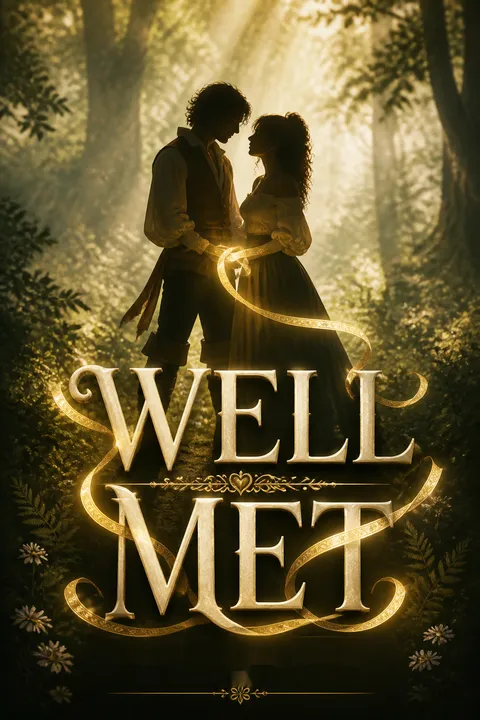
Well Met is a contemporary romance that uses the immersive world of a small-town Renaissance Faire to explore themes of identity, healing, and the transformative power of community. At its heart, the novel is about the courage to choose—choosing to love, to belong, and to move forward after loss. Emily's journey from wounded outsider to confident, rooted member of Willow Creek mirrors the universal search for home and self-worth. Simon's arc, shaped by grief and obligation, challenges the notion that honoring the past requires self-sacrifice; instead, the story advocates for balance, adaptation, and the pursuit of joy. The Faire, with its rituals, costumes, and performances, becomes a crucible for growth, allowing characters to shed old identities and embrace new possibilities. The novel's humor, warmth, and emotional honesty make it both engaging and resonant, offering readers a reminder that love is not just about finding the right person, but about becoming the right person—one who is willing to risk, to change, and to be truly seen. In a modern context, Well Met speaks to the importance of chosen family, the value of tradition tempered by innovation, and the enduring hope that, even after heartbreak, it is possible to be well met again.
Review Summary
Well Met receives generally positive reviews, averaging 3.82 stars. Fans praise its charming Renaissance Faire setting, witty banter, and the enemies-to-lovers dynamic between Emily and Simon. Many readers found the romance swoony and heartwarming, with strong supporting characters. Critics, however, felt the hate-to-love transition was unconvincing, characters underdeveloped, and the conflict occasionally forced. The book is widely described as a light, fluffy rom-com best enjoyed without overanalyzing, making it ideal for readers seeking a fun, feel-good summer romance.
People Also Read









Characters
Emily Parker
Emily is a young woman whose life has been upended by heartbreak and loss. Arriving in Willow Creek to care for her sister and niece, she is initially adrift, defined by her role as caretaker and her fear of being unchosen. Emily's sarcasm and humor mask deep insecurities, but her resilience and capacity for love shine through. Through the Renaissance Faire, she discovers community, purpose, and the courage to risk vulnerability. Her journey is one of self-discovery—learning to prioritize her own happiness, embrace her strengths, and choose love not out of obligation, but desire. Her relationship with Simon is both a mirror and a catalyst for her growth, challenging her to let go of the past and build a future on her own terms.
Simon Graham
Simon is the Faire's organizer, an English teacher haunted by the loss of his brother Sean, the Faire's founder. Driven by duty and perfectionism, Simon struggles to balance honoring Sean's legacy with living his own life. His rigidity and critical nature are defenses against pain and vulnerability. Beneath his stern exterior lies a passionate, playful soul—one that emerges through his pirate persona and his growing affection for Emily. Simon's arc is one of healing: learning to let go, trust others, and choose love for himself. His relationship with Emily forces him to confront his fears, accept help, and embrace change. Ultimately, Simon's journey is about reclaiming joy and forging a new identity beyond grief.
April Parker
April is Emily's older sister, a single mother whose accident brings the family together. Used to handling life on her own, April struggles with vulnerability and accepting help. Her relationship with Emily evolves from distant sibling to confidante and friend. April's recovery parallels Emily's emotional healing, and her encouragement helps Emily prioritize her own needs. April's journey is about letting others in, embracing community, and rediscovering joy after hardship.
Caitlin Parker
Caitlin is Emily's teenage niece, whose enthusiasm for the Faire catalyzes much of the story. Navigating adolescence and trauma from the accident, Caitlin finds solace and confidence in the Faire community. Her bond with Emily is central, providing both with a sense of family and belonging. Caitlin's growth mirrors the story's themes of healing, courage, and the importance of chosen family.
Stacey Lindholm
Stacey is Emily's first friend in Willow Creek, a veteran tavern wench and community connector. Her humor, kindness, and organizational skills help Emily acclimate to the Faire and the town. Stacey's presence embodies the power of friendship, acceptance, and the joy of shared traditions. She is both a mentor and a peer, guiding Emily through challenges and celebrating her victories.
Mitch Malone
Mitch is the Faire's resident flirt and gym teacher, known for his kilt and easygoing nature. Beneath his playful exterior lies a deep loyalty to his friends and a keen understanding of people. Mitch's friendship with Simon and Emily provides comic relief, perspective, and unexpected wisdom. He challenges Simon to grow and supports Emily's journey, embodying the importance of chosen family and the value of authenticity.
Chris Donovan
Chris is the bookstore owner and Faire's Queen, a maternal figure who guides both Emily and Simon. Her love of literature, community, and tradition anchors the story. Chris provides opportunities, advice, and a sense of home, helping Emily find her place in Willow Creek. Her own journey—balancing care for her mother and her business—parallels the story's themes of change, resilience, and the enduring power of community.
Sean Graham (in memory)
Though deceased, Sean's legacy shapes the lives of Simon and the entire Faire community. His vision, charm, and leadership are remembered with love and longing. Sean's absence is both a wound and a catalyst, forcing Simon to confront grief, responsibility, and the need to move forward. His memory is honored not by preservation alone, but by the willingness to adapt, grow, and choose joy.
Jamie (Volunteer)
Jamie is a key volunteer in the tavern, providing stability and practical help. His presence allows Emily and Stacey to focus on the creative and social aspects of their roles. Jamie represents the unsung heroes of community life—those who work behind the scenes to make things possible.
Lauren Pollard
Lauren is a high school student and new bookstore employee, symbolizing the next generation and the ongoing cycle of community. Her willingness to learn and contribute reflects the story's themes of growth, mentorship, and the importance of giving others a chance to shine.
Plot Devices
Renaissance Faire as Metaphor
The Renaissance Faire is more than a setting—it's a living metaphor for reinvention, community, and the interplay between performance and authenticity. The process of choosing a character, donning a costume, and participating in rituals allows characters to explore new facets of themselves, confront fears, and heal old wounds. The Faire's cyclical nature—preparation, performance, and closure—parallels the characters' emotional arcs, providing structure and meaning to their journeys.
Dual Identities and Role-Playing
The use of Faire names, costumes, and roles enables characters to step outside their comfort zones and express hidden desires. Emily's transformation from reluctant volunteer to confident wench mirrors her internal growth. Simon's pirate persona allows him to access playfulness and vulnerability otherwise suppressed by grief. The blurring of lines between character and self highlights the complexity of identity and the courage required to be authentic.
Handfasting Ceremony
The handfasting ceremony, initially a staged performance, becomes a powerful symbol of commitment, vulnerability, and the willingness to risk love. The ritual's repetition—first as play, then as reality—underscores the story's themes of choice, renewal, and the ongoing work of partnership. The golden cord represents both the ties that bind and the freedom to choose one's path.
Small-Town Community
Willow Creek's tight-knit community provides both support and scrutiny. The lack of anonymity forces characters to confront themselves and each other, fostering accountability, acceptance, and growth. The town's traditions, gossip, and rituals create a sense of belonging, but also demand courage and honesty.
Grief and Legacy
Simon's struggle to honor his brother's legacy without losing himself is a central conflict. The memorial, the weight of responsibility, and the fear of change are explored through his actions and relationships. The story interrogates the balance between preservation and progress, showing that true legacy is found in adaptation, joy, and the courage to move forward.
Misunderstandings and Communication
Miscommunications, assumptions, and unspoken fears drive much of the story's tension. The characters' willingness to confront, apologize, and forgive is key to their development. Honest communication—often hard-won—enables healing, reconciliation, and the building of lasting bonds.
Well Met Series Series

Download PDF
Download EPUB
.epub digital book format is ideal for reading ebooks on phones, tablets, and e-readers.








































