
Plot Summary
Asteroid Shadows, Silent Threats
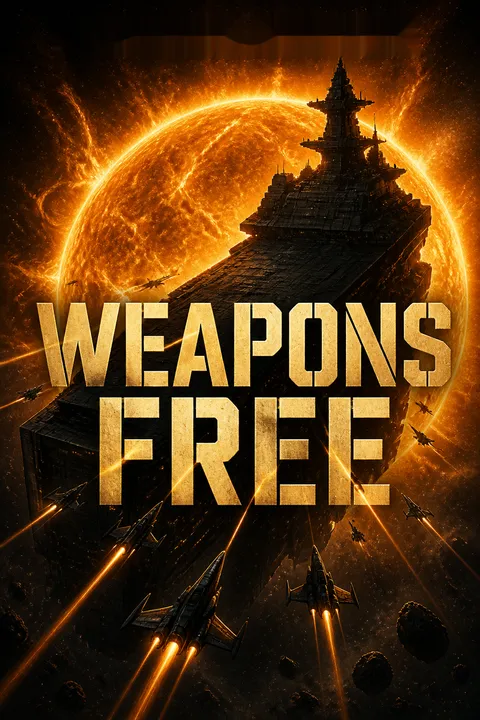
In the asteroid belt of a remote system, Lieutenant Justin Spencer leads a flight of Terran Coalition fighters on what should be a routine training patrol. The pilots banter, bored by the monotony, until their sensors pick up anomalous contacts. As they investigate, the tension mounts—these are no ordinary ships. When the unidentified craft refuse to respond and suddenly attack, the squadron is thrust into a deadly dogfight. The pilots' training kicks in, but the reality of combat is jarring. Spencer's instincts and leadership are tested as he orders his team to engage, marking the end of peace and the beginning of a new, unknown war.
First Blood, Last Peace
Aboard the aging carrier CSV Zvika Greengold, Colonel Banu Tehrani and her crew scramble to respond to the sudden crisis. The bridge is a flurry of activity as they try to identify the attackers and protect their pilots. The enemy's technology and tactics are unfamiliar, raising fears of a new, organized threat. As the Greengold comes under direct fire, Tehrani must make split-second decisions, balancing the safety of her ship with the need to support her fighters. The first casualties of the engagement are felt deeply, shattering the illusion of lasting peace and forcing the crew to confront the reality of war.
Command Decisions, Unseen Foes
With the enemy pressing the attack, Tehrani and her executive officer, Wright, coordinate desperate defensive maneuvers. The Greengold's limited weaponry and outdated systems are pushed to their limits. Meanwhile, Justin and his squadron fight for survival, outnumbered and outgunned. The enemy's identity remains a mystery, but their aggression is unmistakable. As the battle intensifies, the crew's professionalism and camaraderie shine, but the cost is high. The first taste of loss and the burden of command weigh heavily on Tehrani, who must steel herself for the challenges ahead.
Dogfights and Doubt
After the initial engagement, the surviving pilots return to the carrier, shaken and changed. Justin grapples with the reality of having killed in combat, questioning his motivations for joining the military. The squadron's camaraderie is both a comfort and a reminder of what's at stake. As they debrief and prepare for what's next, the pilots reflect on their families, their reasons for serving, and the uncertainty of the future. The specter of more battles looms, and the emotional toll of war begins to manifest in subtle, personal ways.
War Declared, Home Remembered
News of the attack spreads rapidly, and the Terran Coalition officially declares war. President Nolan and his advisors scramble to coordinate a response, aware that the enemy's fleet is advancing toward the heart of the Coalition. Justin's thoughts turn to his wife and daughter, longing for the safety and simplicity of home. The pilots and crew brace for the coming storm, knowing that their lives—and the fate of their nation—hang in the balance. The contrast between the chaos of war and the memories of peace underscores the stakes for everyone involved.
Carrier Under Siege
The Greengold and her battlegroup are thrust into a series of brutal engagements as the enemy fleet pushes deeper into Coalition space. The carrier's outdated systems and limited resources are tested as never before. Tehrani's leadership is challenged by the relentless pace of combat and the mounting casualties. The pilots fly sortie after sortie, their skills honed by necessity and fear. The sense of being outnumbered and outgunned is pervasive, but the crew's determination and ingenuity keep them in the fight. Each victory is hard-won, and each loss is felt keenly.
Battle for the Conqueror
A distress call from the battleship CSV Conqueror draws the Greengold into a high-stakes rescue operation. The enemy's intent to destroy the Coalition's most powerful ship is clear, and the Greengold's battered squadrons are all that stand in their way. Justin and his fellow pilots fly with reckless courage, covering the bombers as they strike at enemy capital ships. The arrival of reinforcements tips the balance, but not before the Greengold and her crew suffer heavy damage. The successful defense of the Conqueror becomes a symbol of hope, but the cost is steep.
Sacrifice and Survival
As the battles rage, acts of individual heroism and sacrifice define the crew's experience. Pilots are lost, ships are destroyed, and the survivors are left to grapple with the aftermath. Tehrani writes condolence letters, the weight of command pressing down on her. Justin narrowly survives a harrowing emergency landing, saved by the quick thinking of his wingman. The camaraderie among the pilots deepens, forged in the crucible of shared danger and loss. The reality of war—its randomness, its brutality, and its demand for courage—becomes inescapable.
The Enemy Revealed
Intelligence finally identifies the attackers: the League of Sol, descendants of Earth's old regime, have returned to reclaim what they see as their birthright. The revelation shocks the Coalition, but also clarifies the stakes. The enemy is human, ideological, and relentless. President Nolan and his advisors realize that the war will be long and total, requiring unity and sacrifice from every citizen. The pilots and crew of the Greengold steel themselves for the battles ahead, their resolve hardened by the knowledge of what they are fighting for.
Canaan's Last Stand
The enemy fleet arrives at Canaan, the Coalition's homeworld, and the stage is set for a massive, decisive engagement. Outnumbered and exhausted, the Greengold and her allies fight with everything they have. The battle is chaotic and brutal, with ships and lives lost on both sides. Acts of valor and desperation abound, as the fate of the Coalition hangs by a thread. The arrival of long-awaited reinforcements turns the tide, but not before the flagship Victory is destroyed and General Irvine is killed. The cost of survival is staggering, but the enemy is finally forced to retreat.
Losses and Leadership
In the wake of the battle, the survivors count their losses and honor the dead. Tehrani and her officers organize solemn ceremonies, struggling to balance grief with the need to prepare for the next fight. Justin and his fellow pilots mourn fallen comrades, their bond deepened by shared trauma. The leadership of the Coalition shifts as new commanders step up to fill the void left by those lost. The sense of unity and purpose is tempered by the knowledge that the war is far from over.
The Cost of Victory
The battered fleet limps home, its ships scarred and its people changed. The Greengold's crew repairs their ship and their spirits, finding solace in rituals of remembrance and camaraderie. Justin chooses to honor the fallen not with kill marks, but with symbols of their faiths and service. The cost of victory is measured not just in ships and lives, but in the psychological scars carried by every survivor. Yet, amid the pain, a renewed sense of purpose emerges.
Unity and Resolve
President Nolan and Speaker Anand set aside political differences to form a unity government, determined to mobilize the Coalition for total war. The population rallies, volunteering in droves and preparing for the sacrifices to come. The message is clear: the fight is for survival, and every citizen has a role to play. The pilots and crew of the Greengold are called to active duty, their experience and courage now a vital asset in the coming campaigns. The nation's resolve is tested and found strong.
The League Regroups
Far from the front, the League of Sol's surviving leaders gather at Unity Station, determined to learn from their defeat and strike again. Political intrigue and ideological fervor drive their preparations, as new fleets are assembled and strategies devised. The enemy's capacity for sacrifice and adaptation is formidable, and the war promises to be long and bitter. The stage is set for a protracted struggle, with both sides committed to total victory.
New Orders, New War
The Greengold and her crew are ordered back into the fight, tasked with convoy duty and rapid response to new threats. The ship is repaired and rearmed, and new pilots join the ranks. Tehrani and her officers adapt to the demands of sustained combat, their leadership tested by fatigue and loss. The pilots find ways to cope—with faith, friendship, and determination. The war has become their new reality, and they are resolved to see it through.
The Fallen Remembered
A solemn ceremony honors the dead, with caskets draped in the Coalition's flag and the living paying tribute to their sacrifice. The rituals of mourning provide a measure of closure, but the pain lingers. Justin and his fellow pilots grapple with survivor's guilt and the challenge of moving forward. The memory of the fallen becomes a source of strength, a reminder of what is at stake and why they fight.
Faith, Family, and the Future
In the quiet moments between battles, the crew finds comfort in faith, family, and friendship. Justin reconnects with his wife and daughter, their love a beacon amid the darkness of war. Tehrani leans on her husband and her beliefs, drawing strength for the trials ahead. The pilots share meals, stories, and laughter, forging bonds that will sustain them. The future is uncertain, but hope endures, carried by those who choose to fight the good fight, no matter the odds.
Analysis
Weapons Free is a modern space opera that fuses the adrenaline of military science fiction with a deeply human exploration of war's cost and meaning. At its core, the novel is about ordinary people thrust into extraordinary circumstances, forced to confront their own fears, doubts, and limitations. The alternating perspectives—from cockpit to command bridge to presidential office—create a panoramic view of conflict, emphasizing that victory is not just a matter of superior firepower, but of unity, sacrifice, and moral resolve. The story's emotional arc is driven by loss and remembrance: every victory is tempered by grief, and every act of heroism is shadowed by the knowledge of what is at stake. The novel's treatment of faith, family, and friendship offers a counterpoint to the dehumanizing forces of war, suggesting that what endures is not just the will to fight, but the reasons for fighting—love, duty, and hope. In a world where the enemy is both familiar and alien, Weapons Free challenges readers to consider the true meaning of courage and the price of survival. The lessons are timeless: unity in diversity, the necessity of sacrifice, and the enduring power of hope in the face of overwhelming odds.
Characters
Justin Spencer
Justin Spencer begins as a reservist pilot, motivated more by practical concerns—like a free education—than by patriotism or a thirst for glory. Thrust into combat, he is forced to confront the realities of war, including the act of killing and the loss of comrades. His journey is one of reluctant transformation: from self-doubt and guilt to a sense of responsibility and leadership. Justin's relationships—with his squadron, his commanding officers, and his family—anchor him, providing both motivation and vulnerability. As the war intensifies, he becomes a symbol of the ordinary citizen called to extraordinary action, grappling with fear, grief, and the search for meaning amid chaos.
Colonel Banu Tehrani
Colonel Tehrani is the commanding officer of the CSV Zvika Greengold, a leader defined by her calm under pressure and her deep sense of duty. She balances the demands of command with empathy for her crew, writing condolence letters and sharing in their grief. Tehrani's faith and cultural heritage inform her resilience, offering solace in moments of despair. Her relationship with her executive officer, Wright, and her willingness to listen to dissenting views, reflect her collaborative leadership style. As the war escalates, Tehrani's resolve is tested, but her commitment to her people and her principles never wavers.
Major Gabriel Whatley
Major Whatley, the carrier's air group commander, is a hard-edged, old-school officer who expects the best from his pilots. Initially skeptical of reservists like Justin, he is quick to criticize but also quick to recognize talent and courage. Whatley's tough exterior masks a deep care for his people, and his own experiences with loss and faith shape his approach to leadership. His evolving relationship with Justin—from adversarial to respectful—mirrors the broader theme of growth through adversity. Whatley embodies the tension between tradition and adaptation, pushing his squadron to excel while learning to value new forms of heroism.
Elisabeth Mateus
Mateus is a skilled and passionate pilot, known for her bravado and humor in the cockpit. Her Brazilian heritage and zest for life infuse her interactions with the squadron, providing levity amid the darkness of war. Mateus's willingness to take risks and her competitive streak make her both a formidable ally and a source of tension. Her near-death experience and subsequent survival deepen her bond with her fellow pilots, highlighting the fragility and resilience of life in combat. Mateus represents the joy and pain of living fully in the face of mortality.
Dvora Feldstein
Feldstein is a reliable and competent pilot, often serving as Justin's wingman and confidante. Her Jewish faith becomes a source of comfort and ritual, especially as the losses mount. Feldstein's calm demeanor and dry wit provide stability within the squadron, and her willingness to challenge authority reflects her independent spirit. She is deeply affected by the deaths of friends, seeking solace in prayer and community. Feldstein's journey is one of quiet strength, embodying the power of faith and friendship in sustaining hope.
Jackson Adeoye
Adeoye brings a reflective, almost philosophical perspective to the squadron. Hailing from Lagos, he is less brash than some of his peers, preferring to observe and comment with understated wisdom. Adeoye's calm under fire and his ability to find meaning in chaos make him a grounding presence. He values teamwork over individual glory and is quick to support his friends. Adeoye's introspection and resilience highlight the importance of inner strength and perspective in surviving the horrors of war.
President Jason Nolan
President Nolan is thrust into crisis as the war erupts, forced to navigate the complexities of leadership under existential threat. He is pragmatic, willing to admit mistakes and seek unity across political divides. Nolan's relationship with Speaker Anand and his willingness to form a unity government reflect his commitment to the greater good. The weight of command and the responsibility for countless lives weigh heavily on him, but his resolve to fight for survival and freedom galvanizes the nation. Nolan's journey is one of humility, adaptation, and the search for hope amid despair.
Major Benjamin Wright
Wright serves as Tehrani's executive officer, providing a pragmatic counterbalance to her idealism. He is unafraid to voice concerns or challenge decisions, but his loyalty is unwavering. Wright's experience and steady hand are invaluable in moments of crisis, and his rapport with the crew fosters trust. He is deeply affected by the losses suffered, but channels his grief into action, ensuring the ship and its people are always ready. Wright's partnership with Tehrani exemplifies the power of collaborative leadership.
Francis Martin
Martin, the Australian bomber pilot, is larger than life—quick with a joke, fearless in battle, and fiercely loyal to his comrades. His humor masks a deep sense of responsibility and pain, especially after losing friends and suffering his own injuries. Martin's determination to return to the fight, even after losing a leg, speaks to the indomitable spirit of the crew. He embodies the camaraderie and sacrifice that define the best of military service.
Admiral Chang Yuen
Admiral Yuen emerges as a key antagonist, representing the cold, calculating leadership of the League of Sol. He is ideologically driven, viewing individualism as a threat and prioritizing the collective above all. Yuen's willingness to sacrifice lives and adapt tactics makes him a formidable foe. His interactions with other League leaders reveal the internal tensions and ambitions that shape the enemy's strategy. Yuen's presence signals that the war is far from over, and that the Coalition faces an enemy as determined as itself.
Plot Devices
Dual Perspectives, Humanizing War
The narrative alternates between the perspectives of front-line pilots, ship commanders, and political leaders, offering a multifaceted view of war. This structure humanizes the conflict, showing both the strategic decisions and the personal costs. The juxtaposition of battle scenes with moments of reflection, family, and faith creates a rich emotional tapestry. The use of flashbacks and personal memories grounds the characters, making their struggles relatable and poignant.
Foreshadowing and Escalation
From the opening patrol, the story foreshadows the scale and brutality of the coming war. The initial mystery of the enemy's identity, the mounting losses, and the repeated references to past conflicts all build a sense of impending crisis. Each battle escalates in intensity, culminating in the climactic defense of Canaan. The arrival of reinforcements at the last moment, and the enemy's retreat, provide catharsis while hinting at future challenges.
Symbolism and Ritual
Rituals—such as the casket ceremony, the missing man formation, and the painting of symbols on fighters—underscore the importance of memory, honor, and unity. The recurring motto "Fight the good fight, no matter the odds" becomes a rallying cry, linking past and present struggles. The use of religious and cultural symbols highlights the diversity and shared purpose of the Coalition, contrasting with the monolithic ideology of the League.
Psychological Realism
Characters grapple with fear, guilt, grief, and doubt, making their heroism feel earned rather than automatic. The psychological toll of combat is explored through moments of vulnerability, confession, and support. Leadership is depicted as both a burden and a privilege, with mistakes and disagreements acknowledged and addressed. The story's emotional honesty invites readers to empathize with the characters' struggles and triumphs.
Political and Strategic Complexity
The inclusion of political leaders and enemy commanders adds depth to the narrative, showing how strategy, ideology, and resource constraints influence the course of the war. The formation of a unity government, the mobilization of society, and the enemy's regrouping all set the stage for a protracted conflict. The interplay between personal and political stakes reinforces the story's central themes of sacrifice, resilience, and hope.
Download PDF
Download EPUB
.epub digital book format is ideal for reading ebooks on phones, tablets, and e-readers.








































