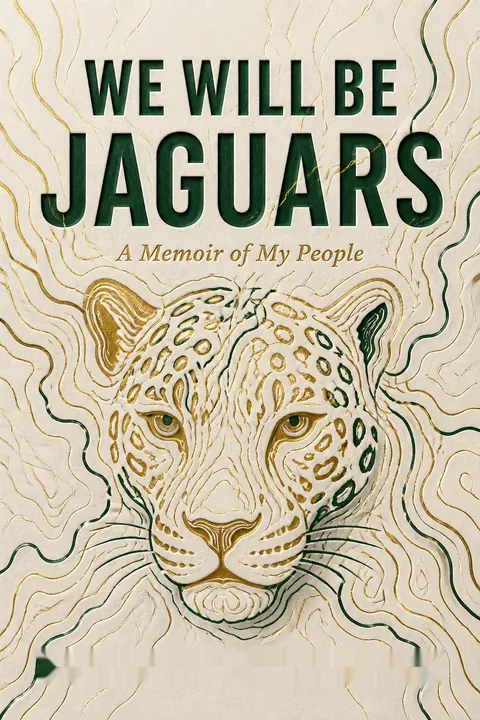

Key Takeaways
1. The Deceptive Gifts of Outsiders: A Childhood of Confusion
"What is Saved? Saved from what?"
Early encounters. Nemonte's childhood in the Waorani village of Toñampare was marked by the arrival of "cowori" (outsiders), primarily missionaries like Rachel Saint. These outsiders brought seemingly miraculous gifts—sweeter candies, dolls, bouncing balls, and dresses—which captivated the children and subtly began to erode traditional Waorani ways. The missionaries' presence, however, was rooted in a history of violence, as Rachel Saint was the sister of a missionary killed by Waorani warriors, a fact Nemonte later uncovered.
Cultural erosion. The missionaries introduced new concepts like "God's gifts" and "being Saved," which were tied to church attendance and the adoption of foreign customs. This created a divide, as families who embraced the church received more material benefits, leading to Nemonte's early desire for a dress and her family's eventual, reluctant attendance. This initial allure of "Civilization's" offerings began to sow confusion and a sense of inferiority regarding their own rich culture.
Hidden costs. The gifts came with hidden costs, including new diseases like polio, which decimated the Waorani population and left elders like Nënëcawa crippled. Nemonte's brother, Víctor, also suffered mysterious attacks, which her mother attributed to the proximity to white people. This period highlighted how the seemingly benevolent intentions of outsiders often brought unforeseen suffering and undermined the Waorani's traditional resilience and self-sufficiency.
2. Forest Wisdom vs. "Civilization's" Lies: A Clash of Worlds
"God doesn’t speak their language. He can’t understand anything they say. That’s why they talk so long to him with their eyes closed. They are waiting for him to respond, but he never does."
Ancestral knowledge. Waorani life was deeply intertwined with the forest, guided by ancestral stories, dreams, and the wisdom of shamans. Nemonte's father taught her that their ancestors became jaguars, roaming the woods as spirit guardians, and that the white man's God was "of no use in the forest." This traditional worldview emphasized a profound connection to nature and a skepticism towards foreign beliefs.
Missionary narratives. Missionaries, however, presented a contrasting narrative, portraying Waorani traditions as "devil's work" and their ancestors as "savages." Nemonte was taught that:
- The devil had a black heart and resembled her Záparo shaman grandfather, Donasco.
- God was white and lived in the sky.
- Waorani people were "aucas" (savages) who needed to be "Saved."
This indoctrination created deep internal conflict and shame, particularly when her grandfather, a powerful shaman, was implicitly labeled as evil.
The boa's tongue. Nemonte's grandfather, Donasco, warned her that "the white man’s world is the boa’s tongue," mesmerizing and confusing people, making them "lose their good sense." This metaphor captured the insidious way "Civilization" lured Indigenous people away from their traditions with promises of material goods and a different way of life, ultimately leading to a loss of identity and connection to their true world.
3. The Scars of Conquest: Personal Trauma and Lost Identity
"I was nothing. I want to die!"
Abuse and betrayal. Nemonte's journey into "Civilization" was marked by profound personal trauma. At the Damoïntaro mission, she experienced sexual abuse by Alfredo, a missionary who exploited her vulnerability and trust. This betrayal, coupled with her parents' decision to leave her at the mission and her mother's harsh words ("Let her suffer"), left her feeling worthless and deeply wounded, leading to suicidal thoughts.
Loss of self. The mission environment stripped Nemonte of her Waorani identity, forcing her to adopt the Christian name "Inés" and conform to strict rules that negated her cultural heritage. She was taught to:
- Suppress her dreams and natural instincts.
- Believe her traditional dreams were "devil's dreams."
- Adhere to rigid notions of cleanliness and piety.
This systematic erasure of her identity left her feeling "dull inside, like a shadow," disconnected from her true self and her ancestral roots.
Physical and emotional scars. The physical pain of having her teeth hammered out in a misguided attempt to gain "white people's teeth" symbolized the deeper emotional and spiritual scars inflicted by her pursuit of "Civilization's" ideals. This act of self-mutilation, driven by a desire to be accepted by the white world, highlighted the extent of her internal conflict and the devastating impact of cultural assimilation.
4. Oil's Silent Invasion: Environmental Ruin and Tribal War
"Oil is the blood of our ancestors."
The creeping threat. The arrival of oil companies marked a new, more destructive phase of "Civilization's" encroachment. Nemonte's father, Tiri, was initially recruited by Texaco to help navigate the forest, unknowingly facilitating the very destruction he sought to avoid. The companies built roads, cut down trees, and drilled wells, bringing noise, pollution, and a new form of "sorcery" – money – that began to corrupt Waorani society.
Contamination and exploitation. Nemonte witnessed firsthand the devastating impact of oil operations on other Indigenous communities. She saw:
- Rivers poisoned with crude oil, forcing women to beg for water from company hoses.
- Forests replaced by vast palm plantations and settler towns.
- Indigenous people treated "like dogs," offered meager compensation (cans of tuna, cooking oil) for their ruined lands and lives.
This environmental degradation and exploitation highlighted the companies' disregard for Indigenous well-being and their sacred connection to the land.
Internal conflict and violence. The oil invasion also fueled internal conflict, culminating in the tragic Taromenane massacre. The uncontacted Taromenane, driven to desperation by the encroaching oil roads and the noise of the wells, retaliated against Waorani elders who had maintained contact with them. This act of violence, instigated by the oil companies' presence, exposed the deep divisions and "blood-rage" within the Waorani people, turning relatives against each other.
5. Forging Unity: The Ceibo Alliance Rises from Wounded Lands
"What if we form an alliance between our peoples?"
A shared vision. Faced with the overwhelming power of oil companies and a complicit government, Nemonte and her brother Opi realized that individual tribal resistance was insufficient. The idea of an "alliance" emerged as a powerful strategy to unite the Kofan, Siekopai, Siona, and Waorani peoples, who shared similar experiences of conquest and contamination. This alliance aimed to leverage collective strength and wisdom.
Learning from loss. Nemonte's journey to the wounded lands of other tribes, particularly the Kofan, was transformative. She witnessed:
- Emergildo's grief over children lost to contaminated water.
- The Siekopai elders' struggle to reconnect youth to forest spirits.
- The Siona's fight against violence and the destruction of community.
These experiences solidified her resolve, showing her that while much had been lost, there was still immense power in shared stories, traditional knowledge, and a unified front.
Building resistance. The Ceibo Alliance began to take shape as a practical and spiritual movement. It focused on:
- Building rainwater harvesting systems to ensure clean water.
- Installing solar panels for energy independence.
- Training youth in modern tools like GPS, drones, and legal advocacy.
This blend of traditional wisdom and modern technology aimed to empower communities to defend their territories and way of life, creating an "army of fire ants" against destruction.
6. Reclaiming Our Narrative: Maps, Laws, and Ancestral Voices
"Our land is not for sale!"
Challenging official narratives. The government's maps depicted Indigenous territories as "empty forest" or "Block 22," ready for auction. The Ceibo Alliance countered this by creating their own maps, rich with:
- Gardens, hunting trails, and burial sites.
- Medicinal plants and animal habitats.
- Stories and memories that proved their deep, living connection to the land.
These maps were not just geographical tools but powerful statements of sovereignty and cultural identity, transforming abstract lines into vibrant, lived realities.
Weapons of the cowori. Nemonte and Opi recognized that while spears were no longer enough, they could use "the tools of the cowori" – laws, technology, and media – as new weapons. This included:
- Learning about international law and "free, prior, and informed consent."
- Using GPS devices and camera traps to document their territory.
- Employing drones to capture aerial footage of their lands and protests.
This strategic adaptation allowed them to fight on new battlegrounds, from courtrooms to social media, amplifying their voices globally.
The power of presence. In the courtroom, Nemonte and her elders refused to be silenced. Their songs, chants, and traditional attire transformed the sterile environment, asserting their cultural presence and spiritual authority. This act of defiance, coupled with their meticulously documented maps and testimonies, forced the judges to acknowledge their rights, demonstrating that their fight was not just legal, but deeply spiritual and cultural.
7. The Healing Path: Reconnecting with Family and Forest Spirits
"I looked into the future. And the jaguar showed me what I must do."
A vision of purpose. Nemonte's journey culminated in a powerful ayahuasca (yagé) ceremony with Siekopai elders. Through this sacred medicine, she confronted her past traumas, including the abuse and her self-inflicted wounds, and received a profound vision from a jaguar spirit. This vision revealed her destiny: to lead her people in the fight against the oil companies, transforming her personal pain into collective purpose.
Reconciliation and acceptance. Returning to her family, Nemonte found a new depth of love and acceptance. Her mother, who had once been cold and distant, embraced her with tenderness, acknowledging her strength and her pregnancy. Her father, Tiri, offered his quiet wisdom and support, recognizing her as a warrior. This reconciliation healed old wounds and solidified her foundation for leadership.
The wisdom of elders. The Ceibo Alliance's core strategy was to listen to the elders' dreams and visions, recognizing that their wisdom was paramount. This approach ensured that the alliance's actions were rooted in:
- Ancestral knowledge and spiritual connection to the forest.
- A deep understanding of the land's history and sacredness.
- A commitment to protecting their cultural identity, not just their resources.
This emphasis on intergenerational wisdom provided a powerful counter-narrative to the short-sighted, material-driven goals of the oil companies.
8. A Mother's Fierce Love: Leading the Fight for Future Generations
"As a mother, I will be as fierce as a jaguar defending her cub."
The birth of Daime. Nemonte's pregnancy and the birth of her daughter, Daime, became a central metaphor for her fight. Daime's birth in the longhouse, guided by her mother's traditional wisdom, symbolized the resilience of Waorani culture and the continuity of life in the forest. This experience deepened Nemonte's resolve, imbuing her leadership with the fierce, protective love of a mother.
Naming the future. The naming of her daughter, Daime, meaning "rainbow," at a sacred waterfall, was a powerful act of reclaiming cultural heritage and envisioning a future of peace. The rainbow, an omen of peace in Waorani tradition, became a symbol of hope for the alliance, signifying a time for:
- Making children and gardens.
- Living well and in harmony.
- Protecting the land for generations to come.
This act connected her personal journey to the collective destiny of her people.
Leading with love. Nemonte's leadership was characterized by a blend of fierce determination and profound love. She understood that the fight was not just for land, but for the very essence of their existence—their culture, their community, and the future of their children. Her commitment to listening to her people, empowering women, and protecting the forest was driven by a mother's unwavering love, making her a formidable force against the forces of destruction.
9. Our Land, Our Fight: A Global Battle for Mother Earth
"Lose our forest, I understood now; oceans away, there were floods. Continents away, there were fires and droughts."
Interconnectedness of life. Through her journey and the work of the Ceibo Alliance, Nemonte realized that the fight to protect the Amazon was not just a local Indigenous struggle but a global battle for Mother Earth. The destruction of their forests had far-reaching consequences, impacting climate patterns and ecosystems worldwide. This understanding transformed their local resistance into a universal call to action.
Global solidarity. The Ceibo Alliance actively sought and received support from a diverse "support team" of cowori activists, lawyers, engineers, and filmmakers from around the world. This collaboration, led by Michi, demonstrated that:
- Indigenous knowledge and leadership were paramount.
- Outsiders could be allies, not just conquerors, if they learned to listen and respect.
- The fight required a united front, combining traditional wisdom with modern tools and global advocacy.
This alliance transcended cultural divides, uniting people from different worlds under a shared vision of environmental justice.
A message to the world. The Ceibo Alliance's use of media and technology, from drone footage of their "Our Land Is Not For Sale" banner to online campaigns, ensured that their message reached a global audience. Nemonte's own face, once a source of insecurity, became a powerful symbol of resistance and hope, demonstrating that Indigenous voices, when amplified, could challenge powerful governments and corporations, reminding the world that protecting the Amazon is protecting our shared home.
People Also Read

Download PDF
Download EPUB
.epub digital book format is ideal for reading ebooks on phones, tablets, and e-readers.








































