
Plot Summary
Sentenced to the Lighthouse
Miguel Castañeda, a bright but troubled teen from Stockton, is sentenced to a year in a group home after a terrible accident involving his brother. Haunted by guilt and alienated from his mother, Miguel is forced to leave behind everything familiar. The Lighthouse, a group home in San Jose, becomes his new reality—a place filled with other lost boys, strict rules, and the constant reminder that he is now part of the system. Miguel's voice, raw and honest, reveals his pain, confusion, and the beginnings of a journey he never wanted. The group home is both punishment and a strange kind of refuge, a place where Miguel must confront who he is and what he's done, even as he tries to keep his distance from everyone around him.
Ghosts in the System
Miguel's early days at the Lighthouse are marked by loneliness and resentment. He sizes up the other residents—Rondell, a gentle giant with a childlike faith; Mong, a scarred and unpredictable Chinese kid; and a cast of others, each with their own burdens. Miguel's intelligence and sarcasm set him apart, but he can't escape the feeling that he's just another ghost in the system, destined to drift from one institution to the next. The group home's routines, therapy sessions, and forced phone calls home only deepen his sense of alienation. Yet, small moments—like reading books in secret or sharing a meal—hint at the possibility of connection, even as Miguel resists letting anyone in.
Mong's Challenge
A violent confrontation with Mong, who spits on Miguel and seems to crave chaos, sets the tone for their relationship. Mong is both a threat and a mystery, his scars and unpredictable behavior making him an outcast even among outcasts. Yet, beneath the surface, Miguel senses a kindred spirit—someone else who has been broken by life. The group home's fragile peace is always on the verge of shattering, and Miguel learns quickly that survival means understanding the rules, both written and unwritten. As Mong's darkness becomes more apparent, Miguel is forced to confront his own capacity for violence and the deep well of pain that drives them both.
Brotherhood and Betrayal
Miguel's memories of his brother Diego—his charm, his lies, their fights and laughter—haunt him. The bond between brothers, once a source of strength, is now a source of unbearable guilt. In the group home, Miguel is wary of forming new bonds, but the shared experience of being outsiders slowly draws him toward Rondell and, reluctantly, Mong. The trio's uneasy alliance is forged in the crucible of the Lighthouse, where trust is scarce and betrayal feels inevitable. Miguel's longing for family and belonging is at war with his fear of being hurt again, and every interaction is colored by the shadow of what he's lost.
The Escape Plan
When Mong reveals his plan to escape the Lighthouse and flee to Mexico, Miguel is skeptical but intrigued. The threat of longer sentences and the suffocating routines of the group home make the idea of running irresistible. Rondell, eager for freedom and adventure, joins the plan. The three boys, each carrying their own wounds, prepare for a journey that promises both danger and the hope of a new beginning. The escape is meticulously planned—keys are stolen, money is taken, and the boys slip into the night, leaving behind the only structure they've known. The decision to run is both an act of defiance and a desperate bid for redemption.
On the Run
The boys' flight down the California coast is a mix of exhilaration and terror. They dodge police, sleep on beaches, and scrounge for food. The world outside the Lighthouse is both beautiful and unforgiving, and the boys are forced to rely on each other in ways they never expected. Mong's health deteriorates, his behavior growing more erratic as his secrets come to light. Rondell's innocence and faith are tested by hunger and hardship. Miguel, caught between leadership and self-doubt, struggles to keep them together. The journey is as much about survival as it is about confronting the ghosts that chase them.
Mong's Secret
As the boys travel, Mong's past is slowly revealed—a history of violence, loss, and illness that explains both his rage and his despair. He is dying, his body failing him even as he tries to outrun his fate. Mong's vulnerability brings the boys closer, but also sets the stage for tragedy. In a moment of clarity, Mong confides in Miguel, sharing the pain that has shaped him. The boys' bond deepens, but the knowledge that Mong's time is limited casts a shadow over their journey. The escape to Mexico becomes less about freedom and more about finding meaning in the time they have left.
Lost and Found
Mong's suicide in the ocean devastates Miguel and Rondell. The loss is both a shock and an inevitability, the culmination of Mong's suffering and the boys' inability to save him. Grief binds Miguel and Rondell together, even as it threatens to pull them apart. They wander, hungry and aimless, struggling to find a reason to keep going. The world feels emptier without Mong, but his memory lingers—a reminder of the fragility of life and the importance of holding on to each other. In the aftermath, Miguel begins to question what it means to be alive, and whether redemption is possible for someone as broken as he feels.
The Ocean's Edge
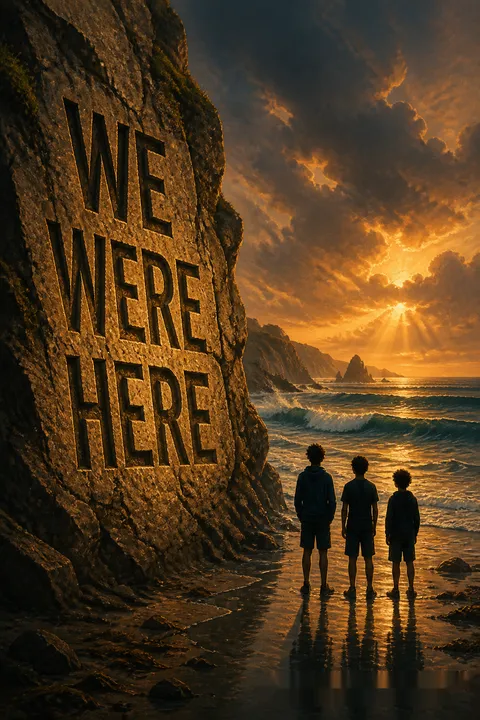
Amidst the hardship, Miguel and Rondell find moments of peace—swimming in the ocean, sharing stories, and carving their names into rocks as a testament to their existence. The ocean becomes a symbol of both danger and renewal, a place where the boys can let go of their pain, if only for a moment. Miguel's reflections on books, family, and the meaning of life deepen as he confronts his own mortality and the possibility of forgiveness. The journey becomes less about escape and more about understanding who they are and what they want from the world.
Hunger and Hustle
With money running out and hunger gnawing at them, Miguel and Rondell resort to hustling—posing as members of a basketball team to collect donations. The scheme is both a moral compromise and a necessity, blurring the line between right and wrong. The boys' resourcefulness keeps them alive, but the weight of their actions adds to Miguel's sense of guilt. Encounters with strangers—some kind, some cruel—test their resolve and force them to confront the reality of life on the margins. Through it all, their friendship grows stronger, forged in adversity and the shared dream of making things right.
Roots and Restitution
Determined to pay back the money they stole, Miguel and Rondell travel to Fresno to work for Miguel's grandfather. The grueling labor in the fields is both punishment and penance, a way to prove their worth and earn a second chance. Miguel's relationship with his grandparents is strained by the past, but small gestures of kindness offer hope for reconciliation. The work is backbreaking, but it gives Miguel a sense of purpose and belonging he hasn't felt in a long time. As they save enough to repay their debt, the boys begin to imagine a future beyond survival—a future where forgiveness and healing are possible.
Confession and Forgiveness
Haunted by the memory of his brother's death, Miguel finally confesses the truth to Rondell. The act of telling his story—of admitting his guilt and grief—breaks something open in him. Rondell's response, rooted in faith and unconditional friendship, offers a kind of forgiveness Miguel never expected. The boys' bond, tested by violence and misunderstanding, is ultimately strengthened by honesty and vulnerability. As they prepare to part ways, Miguel realizes that healing is not about forgetting the past, but about finding the courage to move forward, carrying both the pain and the love that remain.
Coming Home
Miguel and Rondell return to the Lighthouse, ready to face the consequences of their actions and finish their sentences. The journey has changed them—hardened by loss, softened by friendship, and awakened to the possibility of redemption. Miguel's journal, once a tool of punishment, becomes a testament to survival and growth. The boys' return is met with surprise and relief, and the promise of a second chance. As they settle back into the routines of the group home, Miguel looks to the future with cautious hope, determined to honor his brother's memory by living a life of meaning and connection.
Analysis
Matt de la Peña's We Were Here is a raw, unflinching exploration of guilt, grief, and the search for redemption among young men cast aside by society. Through Miguel's journal, the novel gives voice to those who are often invisible—kids in the system, haunted by trauma, struggling to find meaning in a world that offers little mercy. The story's power lies in its honesty: it refuses easy answers or sentimental resolutions, instead embracing the messiness of healing and the complexity of forgiveness. The relationships between Miguel, Rondell, and Mong are at once fraught and deeply human, revealing the ways in which pain can both isolate and connect us. The journey down the coast is both literal and metaphorical, a movement from confinement to possibility, from silence to confession. Ultimately, the novel argues that redemption is not about erasing the past, but about finding the courage to live with it—to keep moving forward, to reach out for connection, and to claim one's place in the world, however imperfect. In a time when so many young people feel unseen and unheard, We Were Here is a testament to the power of story, friendship, and the stubborn hope that we can be more than the worst thing we've ever done.
Review Summary
We Were Here follows Miguel, a teenager in a group home who escapes to Mexico with two other boys—Rondell and Mong. Told through Miguel's journal entries, the story explores guilt, friendship, and redemption. Readers praised the compelling voice, emotional depth, and powerful character development, though some found pacing issues and the ending predictable. Concerns were raised about stereotypical portrayals, particularly of Rondell and female characters, and language use. Despite criticisms, most reviewers found the book deeply engaging, with unforgettable moments and themes of forgiveness and self-acceptance that resonated strongly.
People Also Read




Characters
Miguel Castañeda
Miguel is the narrator and emotional core of the story—a Mexican-American teenager burdened by guilt over his brother's accidental death. Smart, sarcastic, and deeply introspective, Miguel uses humor and defiance to mask his pain. His relationships are marked by both longing and fear, as he struggles to let others in while protecting himself from further hurt. Miguel's journey is one of self-discovery, as he confronts the consequences of his actions, the complexity of forgiveness, and the possibility of healing. His development is shaped by his interactions with Rondell, Mong, and the adults who try to help him, as well as by his own relentless self-examination.
Rondell Law
Rondell is Miguel's unlikely friend and companion—a large, physically imposing Black teenager with a childlike innocence and deep religious faith. Struggling with learning disabilities and a history of trauma, Rondell is both vulnerable and fiercely protective. His loyalty to Miguel is unwavering, and his simple wisdom often cuts through the noise of their chaotic lives. Rondell's belief in God and the power of forgiveness offers a counterpoint to Miguel's skepticism, and his presence provides both comfort and challenge. Over the course of the story, Rondell grows from a follower to a true friend, capable of both strength and compassion.
Mong
Mong is the most enigmatic and troubled member of the trio—a Chinese-American boy marked by physical and emotional scars. His history of violence, loss, and illness makes him both a threat and a tragic figure. Mong's unpredictability and self-destructive tendencies are rooted in deep pain, and his desire to escape is as much about ending his suffering as it is about finding freedom. His relationship with Miguel and Rondell is fraught with tension, but moments of vulnerability reveal a longing for connection. Mong's ultimate fate is a sobering reminder of the limits of friendship and the weight of unhealed trauma.
Diego Castañeda
Diego, Miguel's older brother, exists primarily in memory—a figure of charm, confidence, and boundless energy. His relationship with Miguel is complex, marked by rivalry, affection, and the unspoken rules of brotherhood. Diego's death is the central tragedy of Miguel's life, the event that sets everything in motion. Through flashbacks and reflection, Diego becomes both a symbol of what Miguel has lost and a guide for what he hopes to become. The pain of his absence shapes every decision Miguel makes, and the process of grieving him is at the heart of the story.
Miguel's Mother
Miguel's mother is a figure of both love and loss—a woman shattered by the death of one son and the incarceration of the other. Her inability to connect with Miguel after the tragedy is a source of deep pain for them both. She is present in memories and phone calls, her silence and absence as powerful as any words. The hope of reconciliation with her is one of Miguel's driving motivations, and her eventual gestures of forgiveness offer a glimmer of hope for healing.
Jaden
Jaden is the Lighthouse's main counselor—a young, laid-back, and optimistic presence who tries to connect with the boys through empathy and humor. He believes in the possibility of change and works to create a supportive environment, even as he struggles to break through Miguel's defenses. Jaden's patience and encouragement are crucial in helping Miguel see himself as more than his worst mistake. He represents the possibility of adult guidance that is both firm and compassionate.
Lester
Lester is the group home's driver and staff member, an older Black man with a no-nonsense attitude and a hidden well of kindness. He is responsible for transporting the boys and keeping order, but his interactions with Mong reveal a deeper understanding of the pain these kids carry. Lester's steady presence is a reminder that even in broken systems, there are adults who care.
Mei-li
Mei-li is Mong's older cousin, a college student who helps the boys during their escape. She is sharp, independent, and compassionate, offering both practical support and emotional insight. Mei-li's relationship with Mong is fraught with worry and love, and her attempts to help him confront his illness and trauma are both brave and heartbreaking. She serves as a bridge between the boys and the adult world, challenging them to think about their choices and their futures.
Miguel's Grandparents
Miguel's grandparents in Fresno represent both the weight of family history and the possibility of forgiveness. His grandfather is stern and distant, shaped by loss and disappointment, while his grandmother is nurturing and hopeful, praying for Miguel's healing. Their willingness to give Miguel and Rondell work is both a test and an act of grace, offering a way to make amends and reconnect with their roots.
Flaca
Flaca is a girl Miguel meets during his journey—a spark of romance and possibility in the midst of chaos. Their connection is brief but meaningful, offering Miguel a glimpse of normalcy and the hope of being seen and loved for who he is. The loss of this relationship, through betrayal and circumstance, is another lesson in the unpredictability of life and the importance of holding on to what matters.
Plot Devices
Journal Narration
The entire novel is structured as Miguel's court-mandated journal, giving readers direct access to his thoughts, memories, and emotional landscape. This device allows for a raw, unfiltered voice—by turns funny, angry, and deeply vulnerable. The journal format blurs the line between confession and storytelling, making the act of writing both a punishment and a path to self-understanding. It also enables the use of flashbacks, dreams, and philosophical digressions, deepening the reader's connection to Miguel's inner world.
Road Trip Structure
The boys' escape from the group home and journey down the California coast provide a classic road trip framework. Each stop—beaches, cities, campsites—serves as a stage for new challenges, revelations, and moments of beauty or danger. The movement from confinement to open spaces mirrors Miguel's gradual movement from denial and self-loathing toward acceptance and hope. The road trip also allows for encounters with a diverse cast of characters, each contributing to the boys' growth.
Foreshadowing and Symbolism
The novel is rich with foreshadowing and symbolic elements: the ocean as both threat and renewal; Mong's tooth necklace as a talisman of luck and loss; the act of carving names into rocks as a claim to existence; the recurring image of the border as both barrier and possibility. These motifs reinforce the story's themes of identity, belonging, and the search for meaning in a world that often feels indifferent or hostile.
Confession and Revelation
Miguel's guilt over his brother's death is hinted at throughout the novel, with the full story revealed only after a long process of denial, anger, and self-punishment. This slow revelation mirrors the psychological reality of trauma, as Miguel must first survive, then remember, then finally speak the truth. The act of confession—to Rondell, to his journal, to himself—is both cathartic and transformative, opening the door to forgiveness and healing.
Cyclical Structure and Return
The novel's structure brings Miguel full circle—back to the Lighthouse, back to the possibility of family, back to the act of writing. The return is not a defeat, but a sign of growth; Miguel is no longer running from his past, but facing it with new strength and understanding. The cyclical nature of the story underscores the idea that healing is a process, not a destination, and that redemption is possible even for those who feel most lost.

Download PDF
Download EPUB
.epub digital book format is ideal for reading ebooks on phones, tablets, and e-readers.








































