
Plot Summary
Under the Surface
The story opens with the history of Pacington, a Kansas town transformed by an accidental lake. The land, once wild and overlooked, becomes a lakeside resort after a government blunder floods the area, creating Lost Lake. The surface beauty of the lake masks a history of displacement, loss, and tragedy. Kris Barlow, the protagonist, returns to this place of childhood memories, unaware of the darkness lurking beneath the water and within herself. The narrative hints at secrets buried both in the land and in Kris's past, setting the stage for a confrontation with grief, memory, and the supernatural. The lake, a symbol of both refuge and hidden danger, foreshadows the emotional and literal depths Kris will be forced to explore.
Return to Lost Lake
Kris, reeling from her husband Jonah's sudden death, drives with her silent daughter Sadie to her family's neglected lake house. The journey is fraught with exhaustion, grief, and the weight of unspoken pain. Kris hopes the summer at Lost Lake will help them heal, but the house is a decaying relic, overgrown and filled with the scent of rot and memories. Sadie, traumatized and withdrawn, barely speaks. Kris's internal voices—timid, shadowy, and self-critical—battle for control as she tries to convince herself this retreat is for Sadie's good. The house, once a place of childhood magic, now feels haunted by loss and the passage of time, mirroring the fractured state of Kris's family.
House of Shadows
Kris and Sadie enter the lake house, confronting its physical and emotional decay. The house is filled with relics of the past—her mother's boombox, childhood drawings, and the lingering presence of those who have died. Cleaning becomes a ritual of attempted renewal, but the house resists, its shadows thick with memories of illness, grief, and abandonment. Kris finds a dead bird with a twisted neck, a grotesque omen. As they clean, Kris is haunted by the sense that the house is not empty, that something unseen lingers in the corners. The act of restoring the house becomes a metaphor for Kris's struggle to reclaim her own life from the grip of sorrow and guilt.
Cleaning the Past
Determined to make the house livable, Kris and Sadie embark on a marathon of cleaning. The process is both physically and emotionally taxing, but it offers moments of connection and fleeting joy. Sadie, initially withdrawn, begins to smile and laugh as they race to clean windows and mop floors. The house, slowly brightening, seems to respond to their efforts, but strange details—child-sized handprints on the windows, the persistent smell of decay—hint at unresolved trauma. Music from Kris's mother's mixtape fills the air, blending nostalgia with unease. The act of cleaning becomes a way for Kris and Sadie to reclaim agency, but the past refuses to be fully scrubbed away.
Town of Secrets
A trip into town reveals Pacington's dual nature: a picturesque, well-kept facade masking deeper wounds. Kris encounters locals who are both welcoming and wary, including the real estate agent Hargrove, who hints at the house's troubled history. At the Book Nook, Kris meets Hitch, a man obsessed with the town's tragedies—especially the disappearances of young girls over the years. Through conversations and research, Kris learns of a pattern: girls vanishing, their bodies found in places familiar from her own childhood adventures. The town's collective grief is palpable, and Kris begins to suspect that her family's house—and her own past—are entangled in these mysteries.
The Unseen Friend
As Kris focuses on repairs, Sadie spends more time alone, especially in the upstairs playroom and a secret space behind the wall. She speaks and plays with an unseen friend named Violet, who becomes increasingly real and influential. Sadie's behavior shifts from withdrawn to eerily content, her laughter and games echoing through the house. Kris, at first relieved by Sadie's apparent improvement, grows uneasy as she notices drawings of a black-haired girl in a purple dress and hears Sadie humming a strange, haunting song. The boundary between imagination and reality blurs, and Kris senses that Violet is not just a product of grief, but something older and more dangerous.
Violet's Song
Music becomes a conduit for memory and haunting. Kris discovers a mysterious cassette tape that plays "Blackbird," her mother's favorite song, over and over. The song weaves through the narrative, connecting Kris's childhood, her mother's death, and Sadie's new friendship with Violet. As Sadie and Violet sing together, their voices seem to summon something in the house and the woods. Kris is drawn into memories of her own imaginary friend—Violet—created during the trauma of her mother's illness. The song becomes a siren call, luring both mother and daughter deeper into the web of grief, memory, and supernatural influence that binds them to Lost Lake.
Ghosts in the Walls
Kris's investigation into the town's missing girls intensifies. She learns that each girl was found in a place tied to her own childhood games: the hollow tree, the wildflower field, the canyon. The house itself seems to be a nexus of sorrow, its walls absorbing and reflecting the pain of generations. Kris confronts Hitch, who reveals a scrapbook of the town's tragedies, and Vicky, a neighbor whose own daughter was nearly lost to the same force haunting the lake house. The line between ghost story and psychological horror blurs as Kris realizes that Violet is not just a figment of her imagination, but a manifestation of collective grief and loneliness, feeding on the vulnerable.
The Lost Girls
The narrative reveals the stories of the lost girls—Ruby, Sarah, Megan, Poppy—and their connections to Kris, Sadie, and Violet. Each girl was drawn to the woods, the lake, or the house by a song, a promise of friendship, or the need to escape pain at home. Violet, once Kris's imaginary friend, has become a predatory spirit, luring lonely children to their doom. The town's refusal to confront its tragedies has allowed the cycle to continue. Kris is forced to confront her own role in creating and abandoning Violet, and the ways in which unacknowledged grief can become monstrous. The past is not dead; it is alive in the walls, the water, and the hearts of those left behind.
The Wishing Tree
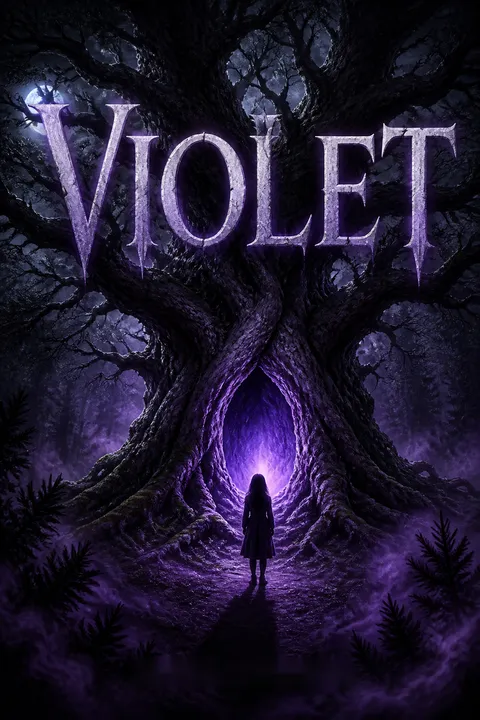
Kris and Sadie visit the ancient oak known as the Wishing Tree, a place of childhood magic and escape. The tree, with its hollow trunk, serves as both a literal and symbolic doorway—between past and present, innocence and trauma, reality and the supernatural. Kris recalls using the tree to imagine herself elsewhere, away from her dying mother and the pain of loss. Now, the tree becomes a focal point for the haunting, as Violet's influence grows stronger. The boundaries between Kris and Sadie, mother and daughter, living and dead, blur. The Wishing Tree stands as a testament to the power of imagination to both heal and harm.
Games Children Play
The innocent games of Kris's youth—hide-and-seek, tea parties, Ghost in the Graveyard—are twisted by Violet into rituals of entrapment and loss. Sadie, under Violet's sway, insists on playing these games, their rules echoing the patterns of the missing girls' disappearances. Kris, desperate to save her daughter, is forced to participate, reliving her own childhood traumas and the creation of Violet. The games become a battleground for control, memory, and survival. The house, the woods, and the lake are transformed into a labyrinth where the stakes are life and death, and the only way out is through confrontation with the past.
The Other Side
Kris's search for Sadie leads her to the other side of the lake, to a neighbor's house filled with clutter and fear. There, she learns that Violet's influence extends beyond her own family, affecting other children and families in the area. The neighbor's daughter, Melody, was nearly lost to Violet's call, and has been kept locked away for her own safety. The revelation that Violet is a force that preys on loneliness and grief, not just a personal demon, deepens Kris's resolve. She realizes that the only way to break the cycle is to face Violet directly, to acknowledge her own responsibility, and to reclaim the parts of herself lost to sorrow.
Breaking the Spell
The climax unfolds as Kris and Sadie are drawn into a final, supernatural game with Violet. The boundaries between reality and nightmare dissolve as Kris is forced to relive the trauma of her mother's death, her own childhood loneliness, and the creation of Violet. In a desperate act of love and sacrifice, Kris confronts Violet on the lake, acknowledging her as real, apologizing for abandoning her, and ultimately drowning her to save Sadie. The act is both an exorcism and a reconciliation, allowing Kris to reclaim her grief and end Violet's reign of terror. The spell is broken, but not without cost.
The Final Hiding Place
With Violet gone, Kris finds the body of Poppy, the last lost girl, hidden beneath the deck of the lake house. The discovery brings closure to the town's long-standing grief, but also cements Kris's role in the cycle of loss. The authorities are called, and the community gathers to mourn and remember. Kris and Sadie, forever changed, prepare to leave Pacington behind. The house, once a place of magic and refuge, is now a tomb for the past. The final hiding place is not just a physical location, but the space within each character where pain, memory, and hope reside.
Into the Light
In the aftermath, Kris and Sadie move to a new house, leaving the lake and its ghosts behind. The town mourns Poppy, and the community comes together in shared sorrow and resilience. Kris reflects on the nature of grief, memory, and the supernatural, recognizing that the monsters we create can only be defeated by facing them with honesty and love. As they drive away from Pacington, Kris sees the names of the lost girls painted on a bridge, a reminder that the past is never truly gone. Yet, in the bond between mother and daughter, there is hope for healing and the courage to face whatever comes next.
Analysis
Violet is a masterful exploration of grief, memory, and the supernatural, using the conventions of horror to probe the deepest wounds of the human psyche
At its core, the novel is about the dangers of unacknowledged pain—how the monsters we create to survive trauma can, if left unchecked, become real and destructive. Through the intertwined stories of Kris, Sadie, and Violet, Scott Thomas examines the ways in which loss is inherited, repeated, and, ultimately, confronted. The haunting at Lost Lake is both a literal ghost story and a metaphor for the cycles of sorrow that bind families and communities. The novel's use of childhood games, music, and the symbolism of water creates a rich tapestry of meaning, inviting readers to consider the thin line between imagination and reality, healing and harm. In the end, Violet offers a hard-won hope: that by facing our grief with honesty and love, we can break the spell of the past and emerge, if not unscathed, at least whole.
Review Summary
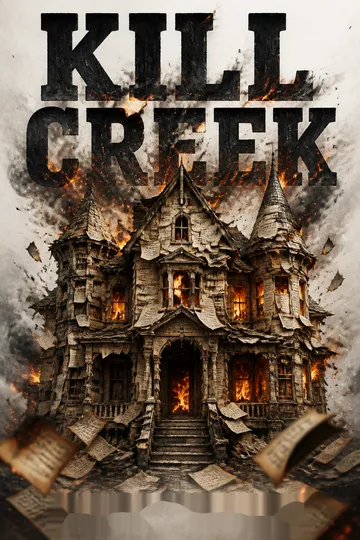
Reviews of Violet are polarized. Many praise the atmospheric, character-driven story of grief, calling it masterful, emotionally resonant, and genuinely unsettling. Readers appreciate Thomas's detailed prose, the compelling mother-daughter relationship, and a satisfying, intense finale. However, a significant number of critics find the book excessively slow and overwritten, particularly in its first half, citing exhaustive descriptions of mundane tasks like house cleaning. Most agree the novel differs considerably from Thomas's debut, Kill Creek, being more literary and psychological, with the horror emerging gradually rather than immediately.
People Also Read

Characters
Kris Barlow
Kris is a woman in her early forties, recently widowed and struggling to care for her traumatized daughter, Sadie. Her psyche is fractured by grief, guilt, and the unresolved trauma of her mother's death from cancer during Kris's childhood. Kris's internal monologue is split between a timid, self-critical voice and a darker, more honest shadow self, reflecting her ongoing battle with depression and self-doubt. Her relationship with Sadie is both loving and fraught, as she projects her own fears and failures onto her daughter. Kris's journey is one of confronting the monsters—both real and imagined—that she has carried since childhood, ultimately finding the strength to break the cycle of loss and reclaim her agency as a mother and survivor.
Sadie Barlow
Sadie is Kris's eight-year-old daughter, rendered nearly mute by the trauma of her father's death. Sensitive, artistic, and deeply intuitive, Sadie becomes the focal point of the haunting at Lost Lake. Her imaginary friend, Violet, offers her comfort and companionship, but gradually exerts a sinister influence. Sadie's psychological vulnerability makes her both a victim and a conduit for the supernatural forces at play. Her relationship with Kris is marked by longing for connection and the fear of abandonment. Through her ordeal, Sadie is forced to confront the reality of loss, the dangers of unchecked imagination, and the enduring power of a mother's love.
Violet
Violet is both an imaginary friend and a supernatural entity, created by Kris during the trauma of her mother's illness. Initially a source of comfort, Violet becomes a predatory spirit, feeding on the loneliness and pain of children in Pacington. She lures girls to their deaths, offering escape from suffering in exchange for eternal companionship. Violet embodies the dangers of unacknowledged grief and the destructive potential of imagination turned inward. Her relationship with Kris is complex—part friend, part monster, part lost child. Ultimately, Violet's power is broken only when Kris acknowledges her as real, apologizes for abandoning her, and confronts the consequences of her own pain.
Jonah Barlow
Jonah, Kris's late husband, is present only in memory and flashback. His sudden death in a car accident shatters the family, triggering the events of the novel. Jonah's flaws—emotional distance, possible infidelity, and struggles with alcohol—haunt Kris, fueling her guilt and self-recrimination. His absence is both a wound and a release, forcing Kris to confront her own capacity for survival and love. Jonah's legacy is felt most acutely in Sadie's silence and Kris's desperate attempts to heal.
Dr. Alice Baker
Dr. Baker is a psychologist who counseled Kris as a child and now treats Sadie. Wise, empathetic, and deeply perceptive, she recognizes the patterns of trauma repeating across generations. Dr. Baker serves as a bridge between past and present, helping Kris and Sadie articulate their pain and confront the supernatural elements of their ordeal. Her presence grounds the narrative in psychological realism, even as the story veers into horror and the uncanny.
Hitch
Hitch is the eccentric owner of the Book Nook, obsessed with the town's history of missing girls. His scrapbook of clippings, photos, and theories reflects both a genuine desire for justice and a descent into paranoia. Hitch's character embodies the town's collective inability to move on from tragedy, serving as a reminder that the past, when unexamined, can become a prison. His interactions with Kris provide crucial information but also highlight the dangers of obsession and the thin line between witness and participant.
Ben Montgomery
Ben is the local deputy, a lifelong resident of Pacington, and one of the few characters who offers Kris genuine support. Practical, compassionate, and quietly heroic, Ben represents the town's resilience in the face of loss. His own history is intertwined with Kris's, and his presence provides a sense of stability amid the chaos. Ben's role as both lawman and confidant underscores the importance of community and the need for connection in overcoming trauma.
Camilla and Jesse Azuara
Camilla and Jesse are the parents of Poppy, one of the lost girls. Their grief is raw and ever-present, shaping their interactions with Kris and the town. Camilla's openness and Jesse's stoicism reflect different responses to tragedy, but both are united in their longing for closure. Their story serves as a parallel to Kris's, highlighting the universal nature of parental love and the devastating impact of loss. The discovery of Poppy's body beneath the lake house brings a measure of peace, but also cements the cost of survival.
Vicky and Melody
Vicky is a neighbor whose daughter, Melody, was nearly lost to Violet's influence. Paranoid and reclusive, Vicky keeps Melody locked away for her own safety, a living testament to the lingering power of the haunting. Their story illustrates the collateral damage of trauma and the ways in which fear can become its own prison. Vicky's warnings to Kris are both a plea for understanding and a desperate attempt to break the cycle of loss.
The Lost Girls (Ruby, Sarah, Megan, Poppy)
The lost girls are both victims and symbols—of grief, neglect, and the dangers lurking beneath the surface of ordinary life. Each girl's story is a variation on the theme of loneliness and the longing for escape. Their presence haunts the narrative, their fates intertwined with Kris, Sadie, and Violet. In death, they become both cautionary tales and reminders of the enduring need for love, connection, and remembrance.
Plot Devices
Intergenerational Trauma and the Supernatural
The novel's structure weaves together past and present, using flashbacks, dreams, and supernatural encounters to explore the ways in which trauma is inherited and perpetuated. The haunting at Lost Lake is both literal and metaphorical—a manifestation of unacknowledged grief, loneliness, and the destructive power of imagination. The use of music, especially the recurring motif of "Blackbird," serves as a connective tissue between generations, linking Kris, her mother, Sadie, and Violet. The narrative blurs the line between psychological horror and ghost story, using the supernatural as a lens through which to examine the real horrors of loss, abandonment, and the failure to confront pain.
Games and Rituals
The transformation of innocent games—hide-and-seek, tea parties, Ghost in the Graveyard—into deadly rituals is a central device. These games become both a means of escape and a trap, their rules echoing the patterns of disappearance and death that haunt the town. The repetition of these rituals across generations underscores the cyclical nature of trauma and the difficulty of breaking free from the past.
Unreliable Narration and Fragmented Perspective
The novel employs an unreliable narrator, with Kris's perspective fractured by grief, medication, and supernatural influence. Her internal voices—timid, shadow, and self—compete for dominance, reflecting her struggle to distinguish reality from delusion. The narrative structure mirrors this fragmentation, shifting between timelines, memories, and points of view. This device heightens the sense of unease and disorientation, drawing the reader into Kris's psychological turmoil.
Symbolism of Water and the Lake
Lost Lake is a central symbol, representing both the possibility of healing and the danger of unresolved pain. Its accidental creation, hidden depths, and history of swallowing the past mirror the characters' emotional landscapes. Water serves as a boundary between worlds, a place of transformation, and a site of both death and rebirth. The act of drowning—literal and metaphorical—recurs throughout the novel, culminating in the confrontation with Violet and the reclamation of grief.
Foreshadowing and Recurrence
The novel is rich in foreshadowing, with early references to the lake's history, the missing girls, and Kris's childhood games setting the stage for later revelations. Recurring motifs—music, flowers, handprints, and the Wishing Tree—create a sense of inevitability, as if the characters are caught in a loop they can only escape by confronting the truth. The use of names, graffiti, and local legends reinforces the interconnectedness of personal and communal trauma.
Download PDF
Download EPUB
.epub digital book format is ideal for reading ebooks on phones, tablets, and e-readers.








































