
Plot Summary
Blood and Betrayal
Nine-year-old Natalia Cruz's life is upended when she stumbles upon her mother's murder in their cartel compound. The trusted family enforcer, Cristiano de la Rosa, stands over the body, bloodied and cold. In the chaos, Natalia's best friend Diego—Cristiano's younger brother—arrives, and a standoff ensues. Accusations fly, shots are fired, and Cristiano flees, dragging Natalia into a secret tunnel before abandoning her in darkness. The trauma brands Natalia's soul, teaching her that loyalty is fragile and that even family can betray. This formative moment sets the stage for a lifetime of suspicion, grief, and the desperate search for safety and love in a world where violence is currency and trust is a liability.
Exile and Return
Eleven years later, Natalia returns from her American boarding school to her family's Mexican estate. The compound is both fortress and prison, haunted by memories of her mother's death and the unresolved pain of betrayal. She reunites with Diego, now her secret lover, and is drawn back into the dangerous orbit of cartel politics. Her father, Costa, is wary and controlling, determined to keep her safe but blind to her longing for freedom and love. The specter of Cristiano, long vanished and presumed dead or worse, lingers in every shadow. Natalia's return is not just a homecoming—it's a reawakening of old fears and forbidden desires, as the past threatens to repeat itself.
Forbidden Love Rekindled
Natalia and Diego's bond, forged in childhood and tempered by shared trauma, has deepened into a passionate, clandestine romance. Their stolen moments are fraught with longing and the ever-present threat of discovery. Both dream of escaping cartel life for a future in California, but the world around them conspires to keep them apart. Diego is torn between loyalty to Costa, gratitude for being taken in, and his desire to break free. Natalia, haunted by her mother's fate, fears that loving Diego will only bring more pain. Their love is a rebellion against the violence and control that define their world, but every embrace is shadowed by the knowledge that happiness here is always fleeting.
The Devil's Dance
At her father's opulent, decadent costume party, Natalia sneaks in disguised as a monarch butterfly. On the dance floor, she is claimed by a mysterious, skull-masked man whose touch is both threatening and magnetic. The stranger's words are laced with menace and dark promise, stirring memories of the day her world changed. When the mask comes off, the truth is more terrifying than fiction: Cristiano has returned, not as a fugitive, but as the powerful leader of a rival cartel. His reappearance is both a personal and political earthquake, forcing Natalia to confront the unresolved trauma and dangerous attraction that bind them.
A Killer's Welcome
In a shocking public spectacle, Costa welcomes Cristiano back, exonerating him for Bianca's murder and executing the supposed real killer before a crowd. The act is both a show of strength and a desperate attempt to rewrite history. For Natalia and Diego, the world tilts on its axis—Cristiano is no longer a hunted traitor but a kingmaker, his motives inscrutable. Old alliances fracture, and new ones form in the shadow of his return. The question of who truly killed Bianca lingers, poisoning every relationship and setting the stage for a new, more dangerous game.
Truths and Tunnels
Natalia is plagued by memories and doubts about her mother's death. The evidence against Cristiano is damning, but new revelations suggest a more complex truth. As she probes the events of that fateful day, Natalia is forced to question everything she thought she knew about loyalty, justice, and the people she loves. The secret tunnels beneath the estate become a metaphor for the hidden motives and buried secrets that define her world. The search for answers is as perilous as the violence that stalks her family, and every revelation brings her closer to a reckoning with the past.
The Party's Aftermath
The aftermath of the party is chaos: a public execution, a traumatized Natalia, and a community on edge. Diego and Natalia struggle to process the new reality—Cristiano's power, Costa's choices, and the ever-present threat of cartel retribution. The lines between friend and foe blur, and the cost of survival grows steeper. Natalia's relationship with her father is strained by secrets and conflicting loyalties, while her love for Diego becomes both a refuge and a source of danger. The world they inhabit is one where justice is personal, and every act of violence demands another in return.
Family Ties Fray
Natalia's attempts to secure a future with Diego are thwarted by her father's refusal to let him go. Costa sees Diego as both a son and a threat, unwilling to grant him the freedom he craves. The tension between personal desire and family duty becomes unbearable, as Natalia is forced to choose between the man she loves and the father who has sacrificed everything for her. The bonds that once held the family together are unraveling, and the specter of betrayal looms over every interaction. In this world, love is a liability, and loyalty is a double-edged sword.
The Cartel's New Order
As the Cruz cartel faces unprecedented threats from rivals and the ambitious Maldonado cartel, old strategies no longer suffice. Diego, desperate to prove himself and secure a future with Natalia, brokers a risky deal that could elevate or destroy them all. Cristiano, now a power in his own right, offers help—but his motives are suspect. The merging of cartels, the consolidation of power, and the ever-present threat of violence create a volatile new order. Natalia is caught in the crossfire, her fate tied to the ambitions and vendettas of the men around her.
Lovers in the Crossfire
Natalia and Diego's love is tested by external threats and internal doubts. Their stolen moments are shadowed by the knowledge that every choice could be fatal. As the Maldonado deal unravels and violence escalates, Natalia is forced to confront the reality that love may not be enough to save them. The return of Cristiano, the shifting allegiances, and the ever-present threat of betrayal make every embrace a risk. In a world where power is everything, even love can be weaponized.
The Warehouse Inferno
The Cruz cartel's last hope for survival goes up in flames as a warehouse storing the Maldonados' shipment is attacked and destroyed. In the chaos, Natalia is separated from Diego and rescued—against her will—by Cristiano. The fire is both literal and symbolic, consuming not just drugs and money, but the last vestiges of trust and security. The attack is a turning point, forcing Natalia to confront the reality of her powerlessness and the lengths to which Cristiano will go to claim what he wants.
Bargains with the Devil
With the cartel in ruins and the Maldonados demanding retribution, Diego and Natalia are forced to consider the unthinkable: a marriage alliance with Cristiano as the only way to save their lives and those of their families. The bargain is Faustian—Cristiano will pay the debt and protect them, but only if Natalia becomes his wife. The choice is no choice at all, and the cost is everything Natalia holds dear. Love, loyalty, and agency are sacrificed on the altar of survival.
The Wedding Ultimatum
In a church heavy with dread, Natalia is given an ultimatum: marry Cristiano or watch everyone she loves die. Diego, broken and defeated, begs her to do what is necessary. Cristiano, cold and commanding, demands her submission. The ceremony is a mockery of love, a public display of power and possession. Natalia's consent is coerced, her future stolen. The wedding is both an ending and a beginning—the death of one life and the birth of another, bound to a man she fears and cannot trust.
Sacrifice at the Altar
Natalia's marriage to Cristiano is consummated not with joy, but with resignation and dread. The church, once a place of sanctuary, becomes a prison. The vows are empty, the lasso a noose. Diego is banished, and Natalia is claimed as a prize. The consummation is both literal and symbolic—the final surrender of agency, the ultimate act of sacrifice. In saving Diego and her family, Natalia loses herself, becoming both victim and survivor in a world where violence is the only constant.
Consummation and Consequence
As the dust settles, Natalia stands at the threshold of a new life—wife to a devil, queen in a kingdom built on violence and betrayal. The emotional cost is incalculable: love lost, innocence destroyed, and the future uncertain. Yet, in her sacrifice, there is a glimmer of resilience—a refusal to be broken, a determination to survive. The story ends not with triumph, but with the knowledge that in this world, every victory is paid for in blood, and every delight is violent.
Analysis
A modern tragedy of love, power, and survival
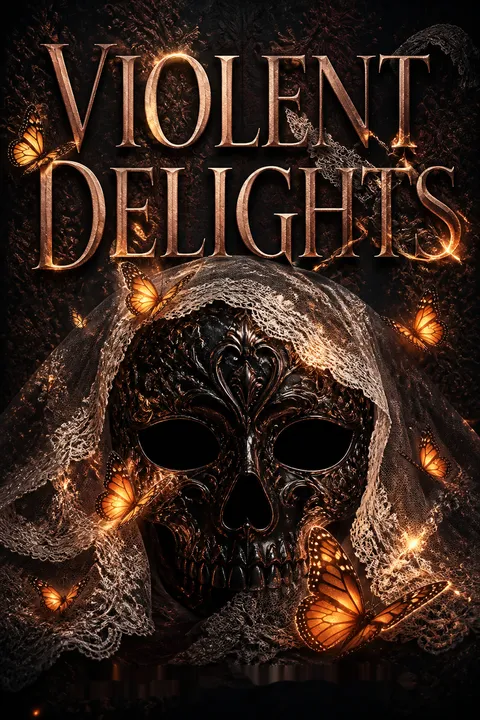
Violent Delights is a dark, emotionally charged exploration of what it means to love and survive in a world ruled by violence and betrayal. Jessica Hawkins crafts a narrative that is both intimate and epic, using the microcosm of one family's tragedy to illuminate the broader dynamics of cartel life and the human cost of power. The novel's central lesson is that in a world where loyalty is always suspect and violence is the only constant, survival often requires impossible choices and unbearable sacrifices. Love is both a refuge and a weapon, capable of saving and destroying in equal measure. The forced marriage at the novel's climax is a masterstroke—a moment that encapsulates the themes of agency, sacrifice, and the perversion of sacred bonds. In the end, the story offers no easy answers or happy endings, only the hard-won knowledge that resilience is possible, even in the darkest of circumstances. Violent Delights is a testament to the enduring power of the human spirit, even as it acknowledges the high price of survival.
People Also Read

Characters
Natalia Cruz
Natalia is the daughter of a powerful cartel boss, raised in privilege but marked by trauma. Her mother's murder and the betrayal of those she trusted most have left her wary, fiercely loyal, and desperate for escape. Natalia's psychological journey is one of innocence lost and agency reclaimed—she is both victim and survivor, forced to navigate a world where love is dangerous and trust is deadly. Her relationships with Diego and Cristiano define her arc: Diego represents hope and the possibility of a different life, while Cristiano embodies the darkness she cannot escape. Natalia's development is a study in resilience, sacrifice, and the high cost of survival in a violent world.
Diego de la Rosa
Diego is Cristiano's younger brother and Natalia's childhood friend turned secret lover. Orphaned by cartel violence and taken in by the Cruzes, Diego is torn between gratitude, loyalty, and his longing for freedom. He is gentle, creative, and ill-suited to the brutality of cartel life, yet he is shaped by it nonetheless. Diego's love for Natalia is genuine, but his inability to break free from the world that made him ultimately dooms them both. His psychological struggle is one of identity, guilt, and the limits of agency—he is both a victim of circumstance and a participant in the cycle of violence.
Cristiano de la Rosa
Cristiano is the archetypal antihero: feared, enigmatic, and driven by a code of loyalty and retribution. Once a trusted enforcer for the Cruzes, he is cast out after being accused of Bianca's murder. His return as the leader of the Calavera cartel is both a power play and a personal vendetta. Cristiano is psychologically complex—capable of both brutality and tenderness, haunted by the betrayals that shaped him, and obsessed with reclaiming what he believes is his. His relationship with Natalia is fraught with danger, attraction, and the unresolved trauma of their shared past. Cristiano's development is a meditation on power, justice, and the corrosive effects of violence.
Costa Cruz
Costa is Natalia's father, a cartel boss who has tried to shield his daughter from the worst of his world while maintaining his own power. He is both loving and controlling, haunted by the loss of his wife and the fear of losing Natalia. Costa's psychological arc is defined by his struggle to balance personal loyalty with the ruthless demands of leadership. His inability to let go of the past and his refusal to grant Diego or Natalia true freedom set the stage for tragedy.
Bianca King Cruz
Though murdered early in the story, Bianca's presence looms large. She is the moral center, the lost ideal, and the standard by which all other relationships are measured. Her death is the catalyst for the novel's events, and her memory haunts Natalia, Costa, and even Cristiano. Bianca represents innocence lost, the cost of loyalty, and the enduring power of love—even in death.
Barto
Barto is Costa's head of security, a man of few words but deep loyalty. He is haunted by his failure to protect Bianca and by the betrayals that have fractured the family. Barto's role is that of the silent guardian, the one who sees all but can do little to change the course of events. His psychological burden is one of guilt and helplessness.
Pilar
Pilar is Natalia's confidante, a reminder of the world outside the cartel. She is loyal but fearful, often serving as the voice of caution and the embodiment of the consequences of defiance. Pilar's presence highlights Natalia's isolation and the high stakes of every choice.
Maksim
Maksim is a symbol of Cristiano's power and reach—a foreigner who has become indispensable. He is loyal, efficient, and ruthless, embodying the new, globalized face of cartel violence. Maksim's presence underscores the shifting dynamics of power and the erosion of old loyalties.
Father Rios
Father Rios is the priest who officiates Natalia's forced wedding. He is a symbol of the church's impotence in the face of cartel power, a man trapped by circumstance and fear. His presence at the altar is both a blessing and a curse, highlighting the perversion of sacred rituals for profane ends.
The Maldonados
The Maldonado cartel is less a character than a force of nature—ruthless, unforgiving, and omnipresent. They are the external threat that drives the plot, the reason for desperate bargains and impossible choices. Their presence is a constant reminder that in this world, there is always a bigger predator.
Plot Devices
Cycles of Betrayal and Loyalty
The novel's structure is built on cycles—of violence, of betrayal, of desperate attempts at loyalty. The opening trauma is mirrored in later events, with each generation repeating the mistakes of the last. The tunnels beneath the estate, the secret passages, and the recurring motif of being trapped or forced to choose all reinforce the sense that escape is impossible. Foreshadowing is used masterfully: the prologue's violence echoes in every subsequent act, and the return of Cristiano is both a literal and symbolic return of the past. The narrative is tightly wound, with each revelation raising the stakes and narrowing the characters' options, until the only choices left are between different forms of loss.
Power as Seduction and Destruction
The struggle for power—between cartels, within families, and in romantic relationships—is the engine of the story. Every interaction is a negotiation, every gesture a test of dominance or submission. The forced marriage, the public executions, and the constant threat of violence all serve to illustrate how power corrupts and isolates. The use of the wedding as both a literal and figurative noose is a particularly effective device, turning a symbol of union into one of captivity.
The Unreliable Nature of Truth
The novel plays with the idea that truth is elusive and often weaponized. Natalia's memories of her mother's death are incomplete and colored by trauma; every character has their own version of events, and the search for justice is complicated by lies, omissions, and self-deception. The use of fortune tellers, omens, and recurring symbols (butterflies, marigolds, tunnels) reinforces the sense that reality is always just out of reach, and that survival depends on the ability to adapt to shifting truths.
The Emotional Arc as a Descent
The emotional structure of the novel is a slow, inexorable descent—from the hope of escape and love to the grim acceptance of sacrifice and loss. Each chapter strips away another layer of illusion, forcing the characters to confront the reality of their world. The final chapters, with their forced wedding and consummation, are both a culmination and a nadir—a moment of ultimate loss and the faintest glimmer of resilience.
White Monarch Series
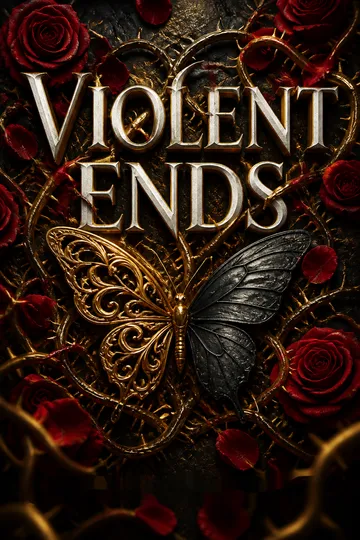
Download PDF
Download EPUB
.epub digital book format is ideal for reading ebooks on phones, tablets, and e-readers.








































