
Key Takeaways
1. Embrace Vegan Indian Cooking for Health and Flavor
This is a book that tells you, “Eat what you want, but make sure what you eat is real, whole food. And open your mind to all of the possibilities.”
A mindful approach. This book isn't about imposing a lifestyle but about exploring the possibilities of plant-based eating through the rich tradition of Indian cuisine. The author's personal journey to veganism, driven by health, led her back to the wholesome Indian diet of her childhood, emphasizing real, unprocessed ingredients. It encourages readers to consider incorporating more plant-based meals, whether for a single meal, a week, or a lifetime.
India's vegetarian heritage. Indian cuisine naturally lends itself to veganism, with a significant portion of India's population being vegetarian due to religious beliefs like ahimsa (nonviolence). Unlike many other global cuisines where meat, seafood, or poultry take center stage, Indian food uniquely places vegetables, legumes, and grains at the heart of its culinary repertoire. This makes it an ideal starting point for anyone looking to reduce or eliminate animal products from their diet without sacrificing flavor or variety.
Beyond dietary labels. The author expresses a dislike for rigid food labeling, preferring to focus on a philosophy of eating whole, real foods. She highlights that Indian cuisine offers a vast array of naturally vegetarian and often vegan dishes, providing a delicious solution for those who struggle to find diverse plant-based options beyond salads. This approach invites everyone, regardless of their current dietary choices, to discover the vibrant and nutritious world of vegan Indian cooking.
2. Demystify Indian Cuisine: Beyond Spice and Complexity
Misconceptions about Indian food run rampant.
Challenging stereotypes. Many people outside metropolitan areas hold common misconceptions about Indian food, often assuming it's always intensely spicy or overly complicated to prepare. The author actively debunks these myths, clarifying that while spices are central to Indian cooking, they primarily impart flavor, not necessarily heat. The level of heat is entirely controllable by adjusting or omitting chiles.
Simplicity in practice. Homestyle Indian cooking is far from complicated; it's about thoughtful preparation and planning. A typical Indian meal balances sweet, savory, spicy, soft, and crunchy elements on one plate, often whipped up quickly by experienced cooks. The idea that Indian food is inherently unhealthy or heavy is also a myth, largely perpetuated by Western restaurants that often use excessive cream and oil, masking the fresh, light flavors of traditional dishes.
Roti over naan. Another common misconception is that naan is the daily bread of choice in Indian homes. In reality, roti (also known as chapati or phulka), a healthier whole-wheat unleavened bread cooked on the stovetop, is consumed daily in North Indian households. The slow cooker, often perceived as a Western invention, also has roots in ancient Indian "Dum Pukht" cooking, demonstrating that traditional Indian methods align with modern convenience for melding flavors over time.
3. Spices are Flavor and Medicine, Not Just Heat
Spices don’t just look and smell nice. They also have many health benefits.
Ancient wisdom, modern science. Indians have long understood the medicinal properties of spices, using them for centuries to treat various ailments, from common colds to stomachaches. Modern Western research is now vigorously studying these benefits, with exciting discoveries like turmeric's potential to delay Alzheimer's disease. The author shares personal family remedies, such as turmeric-spiced chai for colds or ginger juice for coughs, illustrating the practical application of spices as healing foods.
Flavor, not just fire. A crucial point is that "spices don't equal heat; instead, they equal flavor." Many avoid Indian food due to a fear of spiciness, but the author assures that heat comes only from specific ingredients like fresh green chiles, dried red chiles, or red chile powder. These can be reduced or omitted, leaving behind an incredibly flavorful and well-seasoned meal.
Building your spice arsenal. You don't need a vast collection of exotic spices to start cooking Indian food. Just seven or eight basic spices are sufficient, with a few more to expand your repertoire.
- Basic spices: Cumin seeds, mustard seeds, turmeric powder, ground coriander, garam masala, red chile powder, coarse white sea salt, black salt.
- Storage tips: Whole spices last for years, but ground spices lose potency after about six months as their essential oils are released. Store them in cool, dry, airtight glass or stainless steel containers.
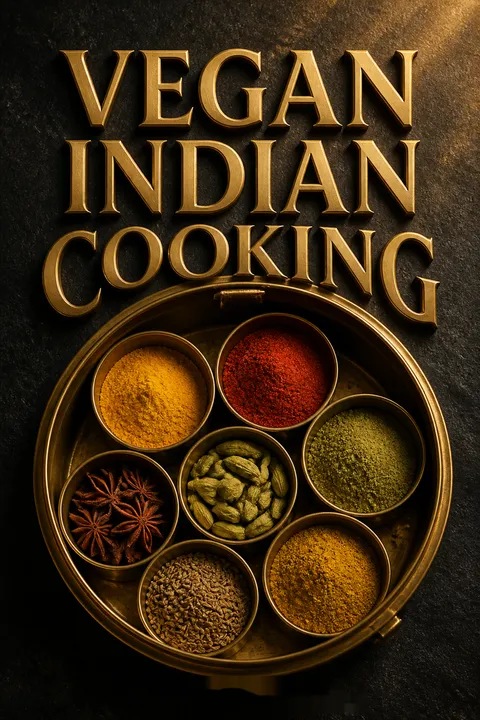
- Masala dabba: An essential Indian kitchen tool, a round stainless steel box with seven smaller containers for frequently used spices, making them easily accessible.
4. Whole Grains and Legumes are Your Protein Powerhouses
If you say to most any Indian that you need meat to get protein, he or she will likely laugh at you.
The perfect food. Legumes, also known as pulses, are celebrated as superfoods in India and are increasingly recognized in the West for their exceptional nutritional profile. They are:
- Low in fat and cholesterol-free.
- High in folate, potassium, iron, and magnesium.
- Extremely rich in soluble and insoluble fiber.
- A super high source of protein.
Indians have known for centuries that combining legumes with grains provides a complete protein, making meat unnecessary for sufficient protein intake.
Understanding legumes. The vast array of dried beans and lentils in grocery aisles can be daunting, but the author simplifies it by explaining that most whole legumes come in four stages: whole with skin, whole without skin, split with skin (chilka), and split without skin (dhuli). Each form offers surprisingly different tastes and textures when cooked.
Effortless preparation. The book provides practical advice for handling dried legumes, from cleaning and proper storage to the optional step of soaking (recommended for kidney beans). The slow cooker is highlighted as a game-changer for cooking dried beans and lentils, eliminating the need for constant vigilance and ensuring perfectly cooked, salt-free legumes ready for use in various dishes, from salads to curries.
5. Modernize Indian Cooking with Smart Shortcuts
We are all desperately seeking shortcuts that preserve our sanity and get food on the table.
Convenience without compromise. Modern life, even in India, demands efficiency in the kitchen. While prepackaged spice blends and ready-made foods offer convenience, they often come at the cost of nutrients and flavor due to processing. The author advocates for smart shortcuts that preserve the wholesome, traditional essence of Indian cooking while fitting into a busy schedule.
Slow cooker revolution. The slow cooker is presented as a modern-day take on the ancient Indian "Dum Pukht" technique, where food is cooked slowly in its own steam. This method allows spices and flavors to meld beautifully over hours, often eliminating the need for traditional tempering (tarka) and resulting in deeply infused, perfectly cooked dishes. The author's mother was a pioneer in using slow cookers for Indian food, demonstrating its effectiveness.
Homemade prep for efficiency. The book offers recipes for essential homemade shortcuts that save time during daily cooking:
- Spice blends: Chai Masala, Chaat Masala, Chana Masala, Garam Masala, Sambhar Masala, Rasam Powder, Roasted Ground Cumin. These are fresh, delicious, and free of added salt and additives found in commercial versions.
- Base masalas/stocks: North Indian Tomato Soup Stock (Gila Masala) and North Indian Ginger Soup Stock (Adarak Masala) can be made in batches and stored, providing a ready-to-use flavor base for quick curries.
- Other preps: Cashew Cream (dairy substitute), Tamarind Juice, Ginger-Garlic Paste, and Baked, Spiced Tofu (paneer substitute) further streamline meal preparation.
6. Build a Versatile Vegan Indian Pantry
You’ll always be able to cook up a delicious Indian meal if you keep certain key ingredients on hand.
Essential vegan swaps. Adopting a vegan diet is easier than ever with the abundance of plant-based products available. The author guides readers through key ingredient substitutes that seamlessly integrate into Indian cooking. These include:
- Fats: Vegan margarine (Earth Balance, Spectrum) for butter, and high-heat oils like grapeseed, coconut, or safflower for cooking.
- Dairy alternatives: Unsweetened plain soy yogurt for traditional yogurt, and soy, almond, hemp, rice, or oat milks for recipes requiring milk.
- Protein sources: Tofu (extra-firm for "paneer," silken for binding), tempeh, seitan, and various meatless crumbles (Quorn, Boca, Morningstar) for Indian-inspired meatless dishes.
Whole food staples. Beyond substitutes, the pantry emphasizes whole, nutritious ingredients central to Indian cuisine. These include:
- Flours: Chapati flour (atta) for rotis, and gram flour (besan) as a binding agent and for savory pancakes.
- Sweeteners: Jaggery (gur), brown sugar, agave nectar, or Sucanat.
- Produce: Fresh cilantro, mint, onions (yellow/red), garlic, ginger root, and plum tomatoes.
- Grains: Brown basmati rice and quinoa, a gluten-free complete protein.
Flavor enhancers. The pantry also includes unique Indian flavor enhancers:
- Nutritional yeast: Adds B vitamins, protein, and a cheese-like taste to dishes.
- Indian pickle (achaar): A diverse condiment for dipping bread or layering into meals.
- Tamarind: Pulp or paste for a tart, tangy base in many South Indian dishes.
7. Master the Art of Legume Preparation
The world’s perfect food? You decide.
Legumes as superfoods. The book champions legumes (lentils, beans, peas) as nutritional powerhouses—low in fat, cholesterol-free, and rich in fiber, protein, and essential minerals. They are the cornerstone of a healthy Indian diet and, when combined with grains, provide complete protein without the need for meat. The author emphasizes that Indians have long understood this, making legumes a staple.
Slow cooker for ease. The slow cooker is presented as the ultimate tool for preparing dried legumes, transforming a potentially time-consuming task into a hands-off process. This method ensures perfectly cooked, al dente beans and lentils, free from the added salt and mushy texture of canned varieties.
- Basic cooking: Recipes for plain cooked black chickpeas, white chickpeas, brown lentils, black beans, black-eyed peas, kidney beans (with soaking), green lentils, and adzuki beans.
- Versatility: Once cooked, these plain legumes can be stored in the fridge or freezer and quickly incorporated into various dishes throughout the week.
Beyond plain. The book then offers numerous ways to transform these cooked legumes into flavorful meals:
- Hummus: North Indian and South Indian variations.
- Soups: Indian-Inspired Soup.
- Salads: Roasted Masala Beans or Lentils, Warm North Indian Salad, Cold North Indian Street Salad (Chaat).
- Curries: Quickie Masala Beans or Lentils, South Indian Legume Salad with Coconut, North Indian Curried Beans or Lentils, South Indian Beans or Lentils with Curry Leaves, Goan-Inspired Curry with Coconut Milk, Chana Masala Legumes, Punjabi Curried Beans (Rajmah-Inspired Curry), Stovetop Sambhar-Inspired Curry.
8. Transform Everyday Vegetables with Indian Spices
Indian food is the only major cuisine in which vegetables take center stage.
Veggies as stars. Indian cuisine's unique focus on vegetables makes it a natural fit for vegan diets. The book showcases how common vegetables can be elevated to delicious main dishes with the right blend of spices, moving them from mere side dishes to the focal point of a meal. The author's family recipes demonstrate this versatility.
Flavorful preparations. The book provides a diverse range of vegetable dishes, each highlighting different spice combinations and cooking techniques:
- Soups: Ginger Soy Milk Soup (Adarak ki Sabji), Spiced Tofu, Bell Pepper, and Tomatoes.
- Curries: Spiced Peas and "Paneer" (Mattar "Paneer"), Punjabi-Style Cabbage (Band Gobi), Cabbage with Mustard Seeds and Coconut, String Beans with Potatoes, Babaji’s Eggplant with Potatoes, Masala Brussels Sprouts, Beets with Mustard Seeds and Coconut, Grated Masala Squash, Cashew-Stuffed Baby Eggplant, Spiced Spinach with "Paneer" (Palak "Paneer"), Curried Winter Melon (Ghiya ki Sabji), Fenugreek-Spinach Potatoes (Methi-Palak Aloo), Crackling Okra (Bhindi Masala), Bell Peppers and Potato, String Beans with Toasted Chana Dal, Sweet and Sour Sweet Potatoes, Sneh Massi’s Ripe Banana Curry (Pakka Kela ki Sabji), Spicy Plantains, South Indian Stew, Mushroom and Pea Sabji, Mushrooms in Cashew Cream Sauce.
- Hash/Sides: Cumin Potato Hash (Jeera Aloo), Mustard Seed Potato Hash.
Cooking tips. Key techniques for maximizing vegetable flavor and texture are shared, such as:
- Drying okra: Essential for preventing laciness.
- Roasting eggplant: Creates a smoky, rich base for dips.
- Grating squash: Makes cooking easier and faster.
- Balancing flavors: Using tart ingredients like mango powder or tamarind to offset spices.
9. Craft Flavorful Chutneys and Drinks at Home
No South Indian meal is complete without coconut chutney.
The art of chutney. Chutneys are essential accompaniments in Indian cuisine, adding bursts of fresh, sweet, spicy, or tangy flavors to any meal or snack. The book emphasizes the ease and superior taste of homemade chutneys compared to store-bought versions, which often lack freshness and contain additives.
- Classic fresh chutneys: Mint Chutney and Mint-Cilantro Chutney are incredibly easy to whip up and versatile for meals, sandwiches, or dips.
- Fruit-based chutneys: Strawberry Chutney and Peach Chutney offer unique sweet and spicy profiles, perfect for spreading on bread or pairing with savory dishes.
- Savory/tangy options: Tomato Chutney/Masala "Ketchup" provides a spiced alternative to conventional ketchup, while Tamarind-Date Chutney offers a sweet and sour kick. Coconut Chutney is a South Indian staple, best made with fresh coconut.
- Unique sides: Grated Daikon with Ginger serves as a refreshing, onion-free salsa, and Hot Chile and Mustard Pickles (Mirchi ka Achaar) offer a vibrant, long-lasting condiment.
Refreshing beverages. The book also includes recipes for traditional Indian drinks and healthy smoothies, showcasing how to incorporate spices and fresh ingredients into beverages.
- Chai: Anupy’s Masala Chai provides a perfectly balanced, subtly spiced tea.
- Coffee: Mattu Massi’s Cold Coffee offers a smooth, frothy, and less-sweet alternative to commercial cold coffees.
- Smoothies: Green Juice Smoothie, Blueberry-Green Smoothie, and Red Velvet Smoothie are packed with fruits and vegetables, designed for daily nutrition and great taste, even for kids.
10. Adapt Traditional Dishes for a Plant-Based Lifestyle
I’ve turned many a meateater (even Indian) around with this recipe—you will too!
Veganizing classics. The book demonstrates how traditional Indian meat dishes can be successfully adapted for a vegan diet without sacrificing flavor or texture. The author's innovative use of plant-based ingredients ensures that even meat-eaters will be impressed by these flavorful alternatives.
Creative protein swaps. Key to these adaptations is the clever use of vegan protein sources:
- Spiced Crumbles with Peas (Mock Keema): This North Indian comfort food, traditionally made with lamb, is transformed using meatless ground crumbles, proving that the rich flavors can be replicated.
- Mock Egg Salad: Tofu is mashed and seasoned with black salt (kala namak) to mimic the sulfuric taste of eggs, creating a delicious and convincing egg salad substitute.
- Seitan Tikka Masala: Seitan replaces chicken in this creamy, popular curry, with a vibrant marinade and rich masala base that satisfies even discerning palates.
- Tandoori Tempeh: Tempeh strips are marinated in a bright, spice-filled tandoori paste (without artificial red dye) and baked, offering a healthy and flavorful alternative to tandoori chicken.
- Tofu Curry: Baked tofu cubes absorb the rich flavors of a soy yogurt and spice-based curry, providing a satisfying and protein-packed meal.
- Masala Soy Granules/TVP: Textured vegetable protein is spiced and cooked, offering a versatile ground "meat" substitute for various dishes.
Plant-based burgers and pizza. The book also extends to Indian-inspired takes on Western favorites:
- Black Forest Burger: A unique veggie burger made from black chickpeas, brown rice, beets, and kale, surprisingly popular even with children.
- Masala Chickpea Burger: A homemade, flavorful alternative to bland frozen veggie burgers, using white chickpeas, brown rice, and grated vegetables.
- Masala Pizza: Pita bread serves as a quick crust for a "curried" pizza topped with spiced greens and vegan cheese, a fun and fast meal for families.
People Also Read







Download PDF
Download EPUB
.epub digital book format is ideal for reading ebooks on phones, tablets, and e-readers.








































