
Plot Summary
Awakening in the Desert Night
After the snake bite, the Little Prince finds himself unsettled in the cold Sahara, unsure whether he is dead or alive. Drifting between waking and dreaming, he converses with stars who tease him with riddles and questions about the difference between earth and sky. His longing to return home intensifies, but he finds himself compelled onward. The desert, silent and moonlit, becomes his companion as he seeks out creatures—or a means—to help him return to his beloved rose. This pivotal moment reinvents his journey from one of acceptance to a restless search; he questions whether simple endings exist or if every departure invites another beginning. The world around him is both mysterious and filled with voices, setting the tone for encounters where reality, fantasy, and longing merge.
Strange Races, Turtle Wisdom
Entering the forest, the Little Prince meets a somnolent hare and an overturned turtle, both locked in a curious "race." The hare boasts of speed, while the turtle prizes endurance and tradition. When the Prince helps the turtle upright, a discussion unfolds about rules, effort, and the nature of journeys—sometimes slow travelers outlast their speedy rivals through perseverance. The turtle speaks of being both home and traveler at once, provoking the Prince's yearning for his own distant planet, and offering philosophical comfort: joy returns only to those who are capable of leaving. The encounter reveals how compassion, rules, and small acts can influence destiny, reshaping the boy's understanding of help, struggle, and personal limits.
Builders and Kings: The Beavers
Approaching a bustling beaver dam, the Prince observes hard labor, teamwork, and persistence. When he questions who rules the forest, the beavers point not to themselves but to the imposing bears, crowned by sheer strength, not merit. Despite their own industriousness, beavers humbly accept that nature's laws favor the powerful, yet take solace in creating and shaping their own small world. The Prince, feeling kinship with diligent beavers and thinking of his vulnerable rose, is left troubled by injustices; he yearns for balance, for power to be gentle, and for the worthy to be shielded from harm. He learns that not all builders are kings, and strength is not always righteous.
The Lonely Hedgehog
Passing deeper into the woods, the Prince meets a sobbing hedgehog, lamenting that his spines make hugs impossible. The boy tries—and fails—to embrace him, realizing that love does not always resemble closeness or physical contact; rather, it may require giving what the beloved needs, not what we wish to give. Through this, the Prince reflects on his care for his rose. The hedgehog, hopeful for grace and inclusion, points the Prince toward further adventure—humans, villages, and the mysterious, fearsome bears. This encounter gently highlights how love, compassion, and difference can coexist, and how some pains cannot be erased but can be soothed by understanding.
Grasshopper's Wish for Wings
Encountering a restless grasshopper waiting for wings he may never have, the Prince struggles to explain that Mother Nature's logic is not always fair or reasonable. The grasshopper's envy of butterflies and his denial of his own gifts pry open questions of merit and destiny. The boy sees how comparison, expectation, and entitlement can become cages. Even so, the Prince carries hope; perhaps somewhere, someone (the powerful bears?) could plead the grasshopper's case to nature. The episode deepens the theme of acceptance and the pain of yearning for what one is not, while also foreshadowing future disappointment and the ultimate lesson of self-acceptance.
Thirsty Flower and Clouded Roots
The Prince finds a withering golden flower, desperate not for water, but for a lake—a symbol of unfulfilled dreams bordering on self-destruction. Despite the Prince's gentle efforts to save it, the flower insists that limitless desire must be rewarded, or else nothing will suffice. Animals and elements intervene (including a mother hamster and her child, who unknowingly offer the flower water), but nothing assuages the stem's unhappiness. As the Prince carries the flower, he's confronted with the limits of kindness: sometimes, true help means letting others choose their fate, even a tragic or ephemeral one. The journey becomes a meditation on longing, suffering, and the elusive nature of fulfillment.
Shadows and Truths
As dusk falls, the Prince converses with mysterious voices—shadows that claim primordial knowledge. They tell him his rose is gone, that darkness and uncertainty rule, and taunt him with cosmic riddles about loss, fate, and nature's unfeeling cycles. The voices unsettle him, amplifying his fears for his rose and planet, but the boy resists despair, rebelling against the tendency to interpret shadows as absolute truths. Buoyed by hope and imagination, he resolves to act in spite of warnings, illustrating the book's enduring faith in innocence, intuition, and the refusal to let fear dictate one's heart or worldview.
Wolf in Sheep's Meadow
The Prince encounters a sheep proclaiming itself the "wolf of the meadow," revealing how perception, naming, and fear create or reinforce realities. The grass shivers at the sheep's bite, but the Prince and others recognize deception and vulnerability. Through this exchange, he worries anew about his sheep from home—might she have harmed his rose? The episode explores how power can be constructed or assumed, regardless of actual threat, teaching the Prince that weakness often masquerades as ferocity and that truth sometimes lies beneath multiple layers of self-justification.
Buffalo's Truth and Gift
Tired, the Prince is offered a ride by a gentle buffalo who shares wisdom about life's cycles: every creature is both sovereign and subjugated, ruler and victim in different circumstances. The buffalo explains that desire to be other than oneself is a universal sickness, and discusses sacrifice, transformation, and the value of patience—using caterpillars and grasshoppers as metaphors for change. He cautions that strength is circumstantial and often accidental. The buffalo's kindness gives the Prince needed rest, clarity, and the gift of perspective, setting him up for harder tests ahead.
Candles, Baptism, and Fears
Taking refuge in an abandoned church as rain pours, the Prince speaks with a drowning candle-flame. Here, intricate discussions of baptism, hell, heaven, and sin unfold: only by following exact rituals, the flame asserts, can one hope for reunion with loved ones in the afterlife. The boy is troubled by the notion that his innocent rites with his rose might be "insufficient." Shadowy doubts press in, but he finds hope in the idea that togetherness and love, even in "hell," are preferable to righteous solitude. The episode grapples with inherited dogma and the search for spiritual safety.
Rain, Drops, and Reflection
While the Prince shelters from rain, a single droplet discusses the rarity and preciousness of water, reflecting on the human tendency to overvalue the rare and underappreciate the abundant. The boy ponders fragility—his rose, the ephemeral rain, his own brief life—realizing that cherishing and understanding time-limited wonders give them meaning. He concludes that fear and the urge for possession can distort love, but gentle attention and acceptance of impermanence can bring true joy and comfort amid uncertainty.
Ants and the Lesson of Burden
Encountering a diminutive ant carrying a load far heavier than himself, the Prince is awestruck by the ant's strength and resilience. He offers to intercede for the ant, to help him become larger and thus, by his logic, more deserving. The ant refuses, explaining that contentment comes from accepting what cannot be changed. The Prince sees in the ant's unwavering focus and quiet dignity a new model of strength—one that does not rely on seeming big or being recognized. The interaction crystallizes the theme that we need not be kings or giants to live meaningfully.
Ephemeral Dew and Ancient Tree
Encamped beneath a venerable tree, the Little Prince finds a morning dew-drop frightened of its own brief existence. Through their exchange—and the wise words of the ancient tree, who contrasts the illusions of power and permanence with the reality of reflection and self-understanding—the boy learns that all things, no matter how grand or small, are in transit; the deepest growth arises from honest self-appraisal rather than striving to be something else. The world's fleeting beauties and the nature of time echo through their discourse, providing calm after the metaphysical storms.
Wolf's Midnight Lessons
Atop a moonlit hill, the Prince meets a solitary wolf, last of his kind and wary of humans. They debate taming, loyalty, freedom, and the sadness of being misunderstood or domesticated. The wolf's candor about human violence and false taming contrasts with the Prince's innocence; together they parse the motives behind friendship and love. The wolf teaches that happiness, trust, and purpose must begin in loneliness and self-knowledge—not dependence. Ultimately, the wolf demonstrates that forgiveness, letting go, and living authentically are as vital as any kinship.
The Cave of Kings
Led by the wolf, the Prince faces the formidable bears—nature's kings—seeking their intervention for the beavers, hedgehogs, grasshoppers, and even his rose. The bears are shaped by their own wounds and suspicions but finally agree to hear him out, with the help of a wise white bear. The Prince pleads for fairness, wings, and protections, yet discovers that even the most royal creatures are powerless to rewrite nature's deep laws. The revelation that even kings must accept limits brings heartbreak—but also maturity. In ancient drawings, the Prince even glimpses his own story, affirming the cyclic nature of quests, heartbreaks, and heroism.
The Moth's Flight and Dust
Through nighttime dialogues, a brief-lived but defiant moth expresses fears of oblivion, yearning for more life, and, after encouragement, discovers the heights he can reach. Though his existence is precarious, the moth learns to cherish each moment—a lesson that resonates quietly with the boy's own journey and the grasshopper's regrets. The moth's fate—perhaps vanishing into dust or ascending in one last avatar—becomes a poignant metaphor for facing impermanence, grasping the fleeting, and finding hope in flight, however brief.
The Tribe and The Rite
Arriving at a human village, the Prince finds a people troubled by war, loss, and the seduction of new, destructive powers. Amid rituals and preparations, the boy is finally recognized as a prophetic "sun king." The village shaman guides him through the final rites, promising that he will soon return to his rose. The last acts are heavy with symbolism: baptism is demystified, fate is made an act of personal choice, and traditions are reinterpreted. The Prince's journey is reframed as both sacrifice and reunion, blending the ordinary and the miraculous.
Little Prince Returns to the Stars
During a dawn ceremony, the Prince is adorned, entrusted to fire and song, and watched over by both the tribe and his old companions. The grasshopper, as always, leaps alongside. The moth's fate is ambiguously hopeful—a testament to all who yearn for transcendence. As the fire turns the boy to ash, his spirit and legend rise toward the east, symbolizing not just return but a cycle of endless stories, questions, and reunions. The Prince's experience is both singular and universal: a dance of innocence, grief, questioning, and the bittersweet joy of homecoming.
Analysis
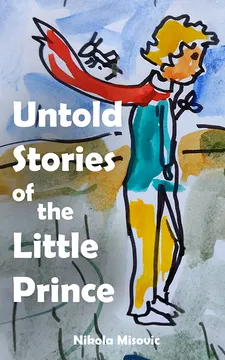
Modern meditation on longing, difference, and acceptanceUntold Stories of the Little Prince expands the original tale's existential reach, focusing on the perpetual human condition of desiring what we cannot have, fearing loss, and struggling to accept our own and others' limitations. The Prince's new encounters, weighted with philosophical conversations and emotional complexity, are metaphors for modern anxieties: the inadequacy of rituals and rules, the fragmentation of community by power, the pain of being different, and the relentless search for meaning amid arbitrary fate. In an age of restless longing and self-doubt, this retelling insists that love, acceptance, and purpose are found not in conquering nature or bending reality to our wishes, but in careful attention, humility, and letting others be as they are. The journey is its own homecoming; every friend tames us, every loss makes us whole. The message: Only by questioning and self-reflection can innocence mature into wisdom—not by losing faith, but by learning what to hold, what to let go, and how to love through sorrow.
Review Summary
Characters
The Little Prince
The Little Prince, gentle and inquisitive, embodies both vulnerability and the unyielding search for meaning. Journeying after the snake's ambiguous bite, he moves through disappointment, hope, and wonder, always eager to understand or heal what's broken, whether in himself or in others. His empathy and naiveté touch all he meets; every encounter—animal or human, mundane or magical—expands his understanding yet complicates his longing for home. He is haunted by fear for his rose, tested by loss and new knowledge, but ultimately transformed: innocence maturing into compassion, sorrow, and wisdom without growing cynical. He is the story's axis—simultaneously child, philosopher, and mythic figure.
The Rose
Though physically distant for almost the entire story, the rose is the anchor of the Prince's heart and a symbol for all that is precious yet vulnerable. She embodies both vanity and need, capable of demanding care and inspiring devotion. Her fate—possibly imperiled, perhaps safe—drives the Prince's journey, with anxiety, hope, and ultimately forgiveness. The rose represents the core paradoxes of love: how beauty and thorns intermingle; how misunderstanding can distance us; and how homecomings are entwined with risk and the acceptance of impermanence.
The Grasshopper
The grasshopper is comic and tragic—a creature frustrated with his lot, obsessed with flying, blind to his natural gifts. His envy and ambition contrast with the acceptance of other animals, illuminating the pain of comparison and the destructive persistence of desire. Through him, the story dissects modern restlessness: the inability to be content, the belief that happiness lies always just beyond reach. By journey's end, the grasshopper becomes a companion in death/transcendence, embraced not for his wings but for his persistent spirit.
The Turtle
The turtle expresses ancient wisdom through her slow, determined journey and embrace of her shell-home as both sanctuary and prison. She accepts rules, endures setbacks, and is humble about her chances of victory. Yet, she teaches the Prince (and readers) that longevity, fortitude, and gratitude are virtues often missed in a world obsessed with speed and visible achievement. Her arc, though small, embodies the reward of perseverance and the quiet power of perspective.
The Wolf
The wolf, solitary and wounded, is suspicious of taming and skeptical of human motives. He pushes the Prince to examine motives for affection and belonging and to see loneliness not as lack, but as the first step toward genuine happiness. His lessons on wildness, loyalty, and forgiveness show how pain can breed both resistance and wisdom. Though unable to be "tamed," he nonetheless offers protection and truth, marking a crucial turning point in the Prince's maturation.
The Beavers
Collectively, the beavers function as models of diligence and modesty, skilled at creating but accepting of their subordinate place in the forest's hierarchy. They value homes over crowns, persistence over power, and highlight the value of collective action. Their vulnerability to stronger animals reflects the world's persistent injustice, but their warmth and philosophy underline the beauty and dignity in creation, no matter its recognition.
The Hedgehog
The hedgehog, physically and emotionally prickly, yearns for connection but feels doomed to isolation. He crystallizes the pain of difference—how certain qualities, given by nature or fate, can limit inclusion even as they hold survival value. His brief encounter with the Prince invites empathy, creativity, and a broader view of love as adaptation rather than smothering.
The Buffalo
This massive but contemplative animal provides care, counsel, and comfort. His reflections on power, fate, and the interconnectedness of all life offer the Prince—and readers—potent reminders of humility and the necessity of acceptance. The buffalo's philosophy serves as a balm for the Prince's insecurities and a bridge from animal concerns to human dilemmas.
The Moth
The moth's longing to live longer and anxiety over his brief existence counterbalance the grasshopper's wish for wings. Through his fluttering, fleeting life, readers encounter the existential fear of insignificance and the hard-won insight that a beautiful, short life may be preferable to a prolonged, unnoticed one. The moth models both anxiety and transcendence, encouraging the Prince to cherish each moment.
The Shaman
In the tribe's village, the elderly shaman orchestrates the Prince's final rite and helps him reinterpret fears about death, hell, and the afterlife. Wise, compassionate, and in touch with deeper truths, the shaman demystifies ritual and soothes both the Prince's and the tribe's sorrows. He embodies the enduring power of storytelling, tradition, and the guidance of elders in the passage from one world to another.
Plot Devices
Dialogues With Nature and Symbolic Creatures
The narrative employs a succession of allegorical encounters: each character is the embodiment of a specific theme, virtue, flaw, or existential question. Like its predecessor, the story is structured as a moral fable, but the new adventures delve further into the ambiguity of nature's design and the futility (and necessity) of yearning. The use of talking animals, ephemeral natural elements (dew, flame, shadow), and personified forces (shadows, rain) allows complex questions about fate, worth, faith, and mortality to be absorbed by the reader through parable rather than argument.
Foreshadowing and cyclical structure.
Early hints—such as the Prince's worries about his rose or discussions of races lost and won—pay off in later chapters, making each narrative segment both a discrete lesson and a preparation for deeper understanding. Final rituals, the return to the stars, and echoes of earlier conversations about love and the inadequacies of rites show how every thread is woven into a larger tapestry of meaning, where endings are always also beginnings.
Download PDF
Download EPUB
.epub digital book format is ideal for reading ebooks on phones, tablets, and e-readers.








































