
Plot Summary
Elevator Doors and Meet-Cutes
Sawyer Greene, a romance novelist with a jaded heart, holds the elevator for a stranger—Mason, a handsome man running late. Their banter is quick, witty, and tinged with the awkwardness of two people who don't believe in love at first sight. When the elevator stalls, Sawyer jokes about the "meet-cute" trope, while Mason's anxiety about enclosed spaces surfaces. Their chemistry is undeniable, but both are determined to keep things light. The city outside is cold and indifferent, but inside the elevator, something warm flickers. As the doors open, they part ways, convinced this is just another fleeting moment in a city full of strangers. Yet, the universe seems to have other plans.
One-Night Stand, No Names
After a chance second encounter at a bar, Sawyer and Mason's flirtation escalates. Both are reeling from recent breakups and career frustrations—Sawyer's writer's block and Mason's public split with his actress ex. They agree to a one-night stand, strictly no names, no strings, no expectations. The night is passionate, surprisingly tender, and full of laughter. In the morning, they part ways, believing they'll never see each other again. For Sawyer, it's a rare break from her self-imposed emotional isolation; for Mason, it's a taste of anonymity and freedom from his public persona. Both are left with lingering thoughts of the other, but life—and their own baggage—pulls them forward.
Secret Identities Unveiled
Sawyer soon learns that "Mason" is actually Mason West, a TV star whose face is plastered across Chicago. Mason, meanwhile, discovers Sawyer is a bestselling author whose work he's admired. Their secret identities, once a source of freedom, now complicate everything. Both are wary of being used or misunderstood. When they run into each other again, the truth comes out, but instead of driving them apart, it forges a strange camaraderie. They agree to keep things surface-level, avoiding the pitfalls of fame and vulnerability. Yet, the city keeps throwing them together, and the line between real and pretend begins to blur.
The Pact: No Feelings
To protect themselves, Sawyer and Mason make a pact: no feelings, no sex, just a series of "unromantic" outings designed to ruin every rom-com cliché. They'll do all the things that make people fall in love in movies—tree farms, ice skating, IKEA trips—but with the express purpose of proving romance is a lie. The rules are clear: no falling for each other, no physical intimacy, and no sharing of personal histories. It's a game, a science experiment, and a lifeline for two people terrified of getting hurt again. But as they check off each trope, the emotional distance they try to maintain grows harder to sustain.
Ruining Romance, For Science
Sawyer and Mason embark on their anti-romance mission, determined to expose the absurdity of love stories. They cut down a Christmas tree, survive a slapstick fall, and endure a disastrous IKEA trip. Each outing is filled with banter, mishaps, and moments that would be romantic if they weren't so intent on resisting. Yet, the more they try to ruin romance, the more they find themselves drawn to each other's quirks and vulnerabilities. Their friendship deepens, and the rules begin to feel arbitrary. The city's winter becomes a backdrop for their slow, reluctant thaw.
Lumberjacks, Trees, and Spiders
At a Christmas tree farm, Mason dons a flannel and plays the lumberjack, while Sawyer mocks the Hallmark-ness of it all. A slapstick accident lands them in a heap, faces inches apart, laughter dissolving into something softer. A mistletoe incident involving a spider ruins the cliché, but also breaks down another wall between them. They carry the tree home, decorate it together, and share stories about family, ambition, and loneliness. The physical comedy masks a growing intimacy neither wants to name. The rules are still in place, but the cracks are showing.
Friends, Not Lovers (Yet)
Sawyer and Mason settle into a rhythm of friendship, supporting each other through creative blocks and career woes. They meet each other's friends and families, navigating awkward dinners and nosy relatives. The chemistry simmers beneath the surface, but both are determined to keep things platonic. They talk late into the night, share inside jokes, and become each other's confidants. Yet, every touch, every glance, threatens to tip them over the edge. The city feels smaller, their world more intertwined, and the possibility of more lingers in every unspoken word.
Family Dinners and Unspoken Truths
Invited to Mason's family Christmas, Sawyer is thrust into a world of warmth, chaos, and unspoken expectations. Mason's mother is a force of nature, his sister a skeptic, and his best friend a keen observer. The dinner is a minefield of secrets—Mason's impending move to LA, Sawyer's career anxieties, and the unresolved tension between them. A wardrobe malfunction and a shared moment in the kitchen nearly break the rules, but both pull back. The night ends with laughter, longing, and the sense that something important has shifted. Family, for all its messiness, offers a glimpse of what they're both missing.
Sex, Rules, and Complications
After a particularly emotional night, Sawyer and Mason break their own rules, giving in to desire in a parked car. The sex is electric, but the aftermath is fraught with confusion and guilt. Both try to pretend it was a one-time lapse, but the emotional fallout is impossible to ignore. Their pact is in shambles, and the safety of their friendship is threatened. They retreat into work, avoiding each other, but the city keeps pulling them back together. The line between friends and lovers is obliterated, and neither knows how to rebuild.
Inspiration and Writer's Block
Sawyer's writer's block finally breaks, and she pours herself into her new novel, inspired by her experiences with Mason. The words flow, but her emotional life is in chaos. Mason, meanwhile, is navigating the fallout from his public breakup and the pressures of launching a new production company. Both are achieving professional breakthroughs, but their personal connection is fraying. The city's winter deepens, mirroring their isolation. They miss each other, but pride and fear keep them apart. The story they're living is messier than any romance novel.
Shopping, Secrets, and Setbacks
A shopping trip for a New Year's Eve party dress becomes a battleground for unspoken feelings. Mason's secret involvement in adapting Sawyer's book for film comes to light, shattering her trust. She feels betrayed, convinced he's just another person trying to control her career. Mason, desperate to prove his intentions, fumbles the confrontation. The party is a disaster, and the night ends with harsh words and broken hearts. Both retreat into their separate worlds, convinced the other is better off without them.
The Breakup and the Book
In the aftermath, Sawyer hits rock bottom, binge-watching Mason's show and avoiding her manuscript. Mason, meanwhile, is adrift, questioning his patterns and seeking advice from friends and exes. Both are forced to confront their fears—Sawyer's terror of vulnerability, Mason's compulsion to rush into love. A chance encounter with her ex gives Sawyer the closure she needs, while Mason's conversations with his family and colleagues help him see his own worth. The city, once a backdrop for their romance, now feels like a maze they must navigate alone.
Rock Bottom and Realizations
Sawyer tracks down her ex to retrieve a lost, beloved book, confronting the pain she's been carrying. The encounter is cathartic, allowing her to see her own role in past heartbreaks. Mason, inspired by a chance conversation, writes Sawyer a series of love letters, using the language of the movies they once mocked. Both realize that love isn't about grand gestures or perfect timing, but about showing up, flaws and all. The city's thaw mirrors their own, as they prepare to risk everything for a second chance.
The Grand Gesture
Sawyer, armed with note cards and a boom box, stages her own grand gesture outside Mason's apartment. She confesses her love, not as a cliché, but as a hard-won truth. Mason, moved and relieved, meets her halfway. They apologize, laugh, and finally say the words they've both been afraid of. The rules are gone, the pact dissolved, and what remains is messy, real, and full of possibility. The city, once cold and indifferent, now feels like home.
Love Letters and Second Chances
Reunited, Sawyer and Mason navigate the challenges of long-distance, career changes, and lingering insecurities. They support each other's ambitions, celebrate each other's wins, and learn to communicate honestly. Their love is not a fairy tale, but a partnership built on trust, laughter, and mutual respect. The city is no longer a backdrop, but a character in their story—a place where they found, lost, and found each other again. The grand gestures fade, replaced by the quiet intimacy of everyday life.
Happily Ever After, Redefined
A year later, Sawyer's new book is a success, and her film adaptation is in the works. She and Mason have built a life together, balancing work, love, and the messiness of being human. Their story is not perfect, but it is theirs—full of mistakes, forgiveness, and growth. The city continues to change, but their commitment endures. They have learned that love is not about avoiding pain, but about choosing each other, again and again. Their happily ever after is not the end, but the beginning of a new story.
Analysis
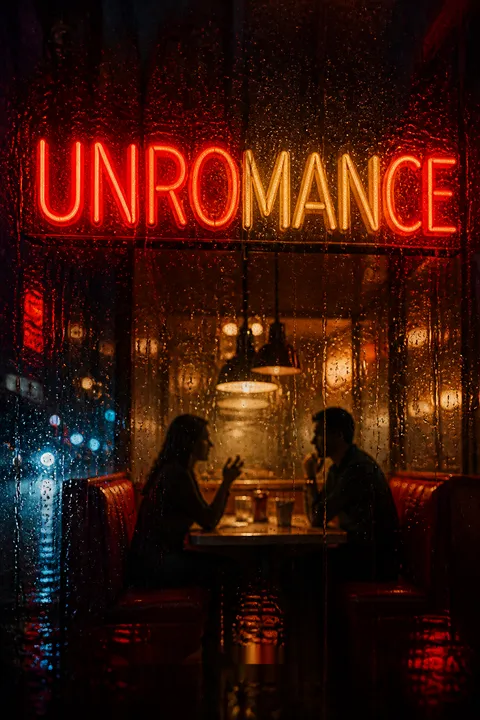
Unromance is a witty, self-aware deconstruction and celebration of the romance genre, blending meta-humor with genuine emotional depth. Erin Connor's novel explores the tension between cynicism and hope, showing how two wounded people can find healing not by avoiding pain, but by embracing it. The story's central pact—to ruin romance—becomes a vehicle for examining why we fear love, how we self-sabotage, and what it takes to move beyond past hurts. By subverting and ultimately embracing rom-com tropes, the novel argues that love is not about perfect timing, grand gestures, or happily ever afters, but about the daily, imperfect choice to be vulnerable and present. The characters' journeys are marked by miscommunication, self-doubt, and the slow work of building trust. In a world obsessed with spectacle and certainty, Unromance offers a refreshing reminder that real intimacy is messy, hard-won, and worth fighting for. The novel's modern relevance lies in its honest portrayal of anxiety, ambition, and the search for meaning in a world of curated images and fleeting connections. Ultimately, Unromance is a love letter to the genre—and to anyone who has ever doubted, hoped, and tried again.
People Also Read





Characters
Sawyer Greene
Sawyer is a bestselling romance novelist who no longer believes in love. Scarred by a painful breakup and the pressures of her career, she hides behind sarcasm and self-imposed rules. Her writer's block is both a symptom and a cause of her emotional isolation. Sawyer is fiercely independent, witty, and deeply empathetic, though she struggles to let people in. Her journey is one of learning to trust—not just others, but herself. Through her evolving relationship with Mason, she confronts her fears of vulnerability, failure, and loss, ultimately discovering that love is not a fantasy, but a choice made daily.
Mason West (Álvarez)
Mason is a TV star with a reputation for whirlwind romances and grand gestures. Beneath the charming exterior is a man exhausted by fame, longing for genuine connection. His breakup with a high-profile actress leaves him questioning his patterns and worth. Mason is warm, attentive, and deeply loyal, but his tendency to rush into love often sabotages his happiness. Meeting Sawyer challenges him to slow down, be present, and embrace the messiness of real intimacy. His arc is about shedding the roles others expect of him and learning to love—and be loved—for who he truly is.
Lily
Lily is Sawyer's ride-or-die, always ready with a quip or a reality check. She pushes Sawyer to take risks, embrace joy, and stop hiding from her own desires. Lily's own happy relationship serves as both inspiration and a source of gentle envy for Sawyer. She is fiercely protective, unafraid to call out bullshit, and provides a safe space for Sawyer to process her fears. Lily's presence is a reminder that love—romantic or platonic—is worth fighting for.
Luis
Luis is Mason's best friend and brother-in-law, offering grounded advice and unwavering support. He sees through Mason's public persona, encouraging him to pursue what truly makes him happy. Luis's own stable family life contrasts with Mason's chaos, providing a model of partnership built on trust and communication. He is the first to call Mason out on his patterns, but also the first to celebrate his growth.
Moira West
Moira is Mason's mother, a legendary actress whose expectations and meddling have shaped much of Mason's life. She is both a source of pride and frustration, embodying the double-edged sword of family legacy. Moira's influence looms large, pushing Mason to question whose dreams he is really chasing. Their relationship is fraught but loving, and learning to set boundaries with her is a key part of Mason's journey.
Kara Zhao
Kara is Mason's ex, a successful actress whose own ambitions and choices force Mason to confront his patterns. Their breakup is public and painful, but ultimately freeing for both. Kara's presence in the story is a reminder that not all love is meant to last, and that endings can be beginnings. Her friendship with Mason, post-breakup, models maturity and growth.
Bex
Bex is a friend and colleague who bridges the gap between Mason's professional and personal worlds. She offers insight, empathy, and practical advice, especially as Mason navigates career transitions. Bex's own experiences with love and work provide a counterpoint to Sawyer and Mason's struggles, highlighting the importance of community and mentorship.
Sadie
Sadie is Sawyer's former partner, the source of much of her cynicism and fear. Their breakup was messy and left Sawyer with deep scars, both personally and professionally. Confronting Sadie is a turning point for Sawyer, forcing her to reckon with her own role in past heartbreaks and to seek closure. Sadie represents the pain of unfinished business and the possibility of forgiveness.
Alissa
Alissa is Mason's longtime friend and collaborator, launching a new production company that becomes a symbol of fresh starts. She pushes Mason to take risks, trust his instincts, and pursue projects that matter. Alissa's belief in both Mason and Sawyer is instrumental in bringing them together professionally and personally. She embodies the power of reinvention and the importance of creative community.
Alex
Alex is the bartender who first brings Sawyer and Mason together, serving as a subtle matchmaker and confidant. He provides comic relief, practical wisdom, and a safe space for both characters to let down their guard. Alex's role is small but significant, reminding the protagonists that sometimes, the people on the periphery see us most clearly.
Plot Devices
The Anti-Romance Pact
Sawyer and Mason's agreement to "ruin" romance by acting out and debunking every cliché is the story's central device. It provides structure, humor, and escalating stakes, as each failed attempt to remain detached only draws them closer. The pact is both a shield and a mirror, forcing them to confront their own fears and desires. As the rules fall away, the true nature of their connection is revealed—not as a product of fate or formula, but as a choice to risk vulnerability.
Dual Narratives and Miscommunication
The story alternates between Sawyer and Mason's points of view, allowing readers to see the misunderstandings, insecurities, and hopes that drive them apart and pull them back together. Miscommunication is both a source of comedy and heartbreak, reflecting the real-life messiness of relationships. The narrative structure builds dramatic irony, as readers root for the characters to finally say what they mean.
Meta-Romance and Self-Awareness
The novel is deeply self-aware, constantly referencing and subverting the conventions of romance fiction and film. Characters debate the validity of meet-cutes, grand gestures, and happily ever afters, even as they live them. This meta approach invites readers to question their own beliefs about love, while also delivering the emotional payoff of a classic romance. The story's humor and heart come from its willingness to both critique and celebrate the genre.
Foreshadowing and Symbolism
Recurring motifs—elevators, trees, books, and even a "friendship succulent"—serve as symbols of growth, risk, and the possibility of renewal. Early scenes foreshadow later developments, such as the elevator meet-cute predicting the ups and downs of their relationship. The city itself is a living metaphor for isolation and connection, its winter thawing as the characters do.
Grand Gestures and Letters
The climax hinges on Sawyer and Mason's willingness to make grand gestures—not as empty clichés, but as acts of genuine vulnerability. Love letters, note cards, and boom boxes become vehicles for saying what words alone cannot. The story suggests that the real magic of romance is not in the spectacle, but in the courage to show up, risk rejection, and choose each other, again and again.
Download PDF
Download EPUB
.epub digital book format is ideal for reading ebooks on phones, tablets, and e-readers.








































