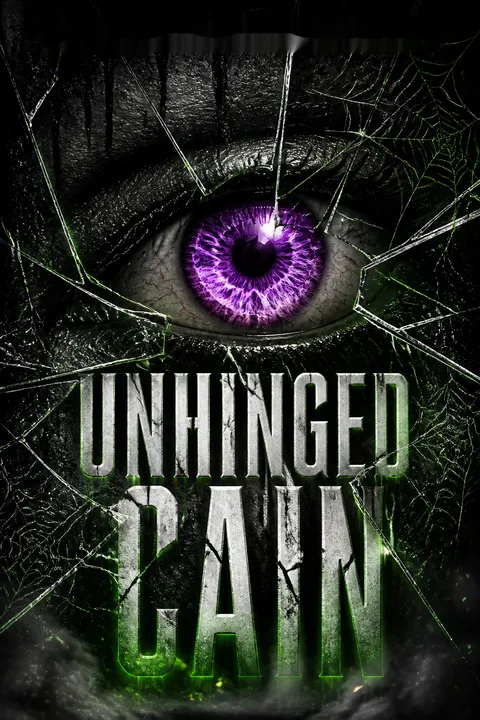

Plot Summary
Nightmares in the Nursery
Cain Buchanan's earliest memories are not of innocence, but of suffocating heat, religious hypocrisy, and a mind far too sharp for his age. He is a child who sees through the lies of adults, who finds solace not in faith but in the slow, hypnotic swirl of a lava lamp and the sharp edge of a knife. His parents, devout and oblivious, name him and his twin Abel, sealing their fate with biblical irony. Even as a boy, Cain's fascination with blood and death is clear—he tests his brother's loyalty with cruel games, dreams of slaughtering his parents, and finds pleasure in the power of fear. The seeds of violence are sown early, and Cain's world is one where love is absent, replaced by a cold, calculating hunger for control.
Blood Brothers' Pact
Cain and Abel's bond is forged in secrecy and violence. Therapy and parental discipline only sharpen their cunning, teaching them to swap places and mirror each other's scars, becoming indistinguishable to the world. Their games escalate from animal cruelty to murder, culminating in the brutal deaths of their parents. Cain is the architect, precise and methodical, while Abel is chaos incarnate—messy, impulsive, and driven by base desires. Together, they become a single, monstrous entity, each compensating for the other's weaknesses. Their pact is simple: never get caught, always be clean, and above all, trust no one but each other.
The Art of Killing
For Cain, killing is not just compulsion—it is art. Each victim is a canvas, each wound a brushstroke. He seeks not just death, but understanding: what do people see in their final moments? His kills are ritualistic, bodies displayed with intricate carvings, eyes harvested for his collection. The act is intimate, almost loving, but always ends in disappointment—no victim can articulate the mystery of death. Abel, by contrast, is driven by lust and chaos, turning murder into a grotesque performance. Their dynamic is fraught with tension, but Cain's rules keep them hidden, their crimes undetected by a world too blind to see the monsters in its midst.
Violet Eyes, Dark Roads
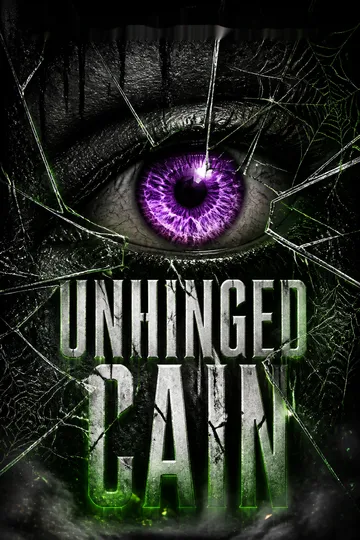
Kirby Lawson, a reluctant FBI trainee with striking violet eyes, crosses Cain's path on a lonely road. Her beauty and uniqueness captivate him instantly—she is a rare gem, a new color for his collection. Kirby, trapped by her mother's ambitions and a toxic relationship with Peter, feels invisible and powerless. Yet, in Cain's gaze, she becomes prey and muse. Their brief encounter sparks a dangerous obsession in Cain, who begins to stalk her, weaving himself into the fabric of her life. For Kirby, the encounter is unsettling but magnetic, awakening desires and fears she cannot name.
The Hunter's Obsession
Cain's fixation on Kirby deepens as he infiltrates her world—cloning her phone, learning her routines, and savoring every detail of her existence. He is both predator and voyeur, watching her struggles with her overbearing mother, her faltering romance, and her search for independence. Kirby senses she is being watched, her dreams haunted by the man with the Joker tattoo. The line between fear and fascination blurs, and as Cain closes in, Kirby's life begins to unravel. The hunter is patient, waiting for the perfect moment to claim his prize.
Family Ties Unravel
Kirby's relationship with her mother, Margaret, is fraught with resentment and unmet expectations. Margaret, a driven FBI agent, is obsessed with the Chameleon Killer case, blind to the turmoil in her daughter's life. Kirby's father is absent, her true paternity a mystery. As Kirby seeks escape—through art, a new job, and dreams of London—her mother's manipulations tighten. Meanwhile, Cain's own family history is revealed in flashbacks: a father's suspicion, a mother's infidelity, and the twins' ultimate act of patricide. Both Kirby and Cain are shaped by families that failed to love them, driving them toward darkness.
Lessons in Control
Cain's world is governed by rules—never get caught, always be clean, and maintain control. Abel tests these boundaries, his recklessness threatening their safety. Kirby, meanwhile, learns the cost of defiance as she navigates the dangers of her relationship with Peter and the suffocating expectations of her mother. When Cain finally abducts Kirby, she is thrust into a world where her survival depends on understanding the rules of her captor. The chains that bind her are both physical and psychological, and every interaction becomes a lesson in power and submission.
The Captive's Awakening
Imprisoned in Cain's meticulously crafted lair, Kirby endures sensory torture, isolation, and the constant threat of violence. Yet, as days pass, fear transforms into curiosity and, eventually, desire. Cain is both monster and savior—cruel, yet attentive; violent, yet capable of tenderness. Their conversations become a battle of wills, each probing the other's weaknesses. Kirby's artistic soul recognizes the beauty in Cain's darkness, and she begins to see herself not as a victim, but as a participant in a twisted dance. The boundaries between captor and captive blur, and a dangerous intimacy takes root.
Games of Power and Pain
Cain and Kirby's relationship evolves into a game of dominance and submission, pain and pleasure. Cain tests Kirby's limits, forcing her to confront her own darkness and desires. She learns to play his games, using obedience and defiance as tools for survival and connection. Their sexual encounters are intense, blending violence with vulnerability, and each act becomes a negotiation of trust. Abel's jealousy and unpredictability threaten their fragile bond, and the ever-present danger of discovery looms. Yet, within the confines of captivity, Kirby finds a freedom she never knew she craved.
The Dance of Submission
Kirby's surrender to Cain is both literal and symbolic. She gives herself over to him, embracing the pain and pleasure he offers. In doing so, she sheds the constraints of her former life—her mother's control, Peter's abuse, and her own self-doubt. Cain, in turn, is transformed by Kirby's acceptance. For the first time, he experiences something akin to love, a connection that transcends his compulsion to kill. Their union is violent, passionate, and redemptive—a merging of predator and prey, artist and muse. Together, they create a new reality, one where darkness and light coexist.
The Monster's Mirror
Cain and Kirby become mirrors for each other's brokenness. Through art, conversation, and shared violence, they explore the depths of their psyches. Kirby forces Cain to confront the emptiness at his core, while Cain awakens Kirby's latent power and hunger. Their relationship is fraught with danger—Abel's escalating instability, the threat of law enforcement, and the ever-present risk of betrayal. Yet, in each other, they find understanding and acceptance. The monster is no longer alone; the captive is no longer powerless.
Love in the Shadows
Against all odds, love takes root in the darkness. Cain and Kirby's bond deepens, their trust solidified through shared secrets and mutual dependence. They become partners in crime, each complicit in the other's sins. Kirby negotiates new rules—no more random killings, only targets who "deserve" it—and Cain, for the first time, yields to another's will. Their love is unconventional, born of violence and necessity, but it is real. Together, they dream of a future beyond captivity, even as the shadows of their pasts threaten to consume them.
Betrayal and Bloodshed
Abel's resentment boils over, leading to a violent confrontation that nearly destroys everything. Unable to accept his brother's transformation, Abel attacks Kirby, forcing Cain to choose between blood and love. The ensuing battle is brutal, leaving Abel exiled and the brothers' bond irrevocably broken. Kirby's survival cements her place at Cain's side, but the cost is high—her innocence is lost, and the threat of Abel's return lingers. The cycle of violence continues, but now, Cain and Kirby face it together.
The Final Choice
Cain offers Kirby a choice: freedom or a life with him. The decision is agonizing, but Kirby, transformed by her ordeal, chooses to stay. She is no longer a victim, but a willing participant in Cain's world. Together, they confront the ghosts of their pasts—Kirby's mother's betrayal, Cain's fractured family, and the secrets that have shaped them. Their partnership is cemented through mutual trust, shared violence, and a love that defies convention. The chains are gone, but the bond remains.
Becoming the Predator
Kirby embraces her new role as Cain's equal, helping him select targets and cover their tracks. She infiltrates the FBI, using her position to protect their secret and manipulate investigations. Cain, for his part, learns to temper his impulses, channeling his violence toward those who "deserve" it. Together, they become a force to be reckoned with—a predator and his butterfly, united by love and blood. Their relationship is a delicate balance of power, trust, and shared darkness.
The Butterfly and the Spider
Cain and Kirby's love is both beautiful and deadly—a butterfly caught in a spider's web, yet thriving within it. They find solace in each other's arms, creating art from pain and meaning from chaos. Their partnership is tested by external threats—law enforcement, Abel's vendetta, and the ghosts of their pasts—but their bond endures. Together, they redefine what it means to be free, to love, and to survive in a world that cannot understand them.
Truths Unmasked
The truth about Kirby's parentage is revealed—her real father is the head of the FBI, and her mother has manipulated everyone for her own gain. Betrayed and disillusioned, Kirby severs ties with her past, choosing Cain and the life they have built together. Cain, in turn, exposes Margaret's crimes, framing her and Peter for murder. The final confrontation is cathartic, allowing Kirby to reclaim her power and embrace her new identity. The past is dead; the future belongs to the monsters.
A New Kind of Freedom
Cain and Kirby emerge from the shadows, partners in life and crime. Their love is unconventional, forged in violence and sealed by choice. Together, they navigate a world that will never accept them, finding freedom in each other's arms. The butterfly and the spider, once prey and predator, are now equals—united by darkness, redeemed by love, and ready to face whatever comes next.
Analysis
Unhinged Cain is a provocative exploration of the darkest corners of the human psyche, blending psychological thriller, dark romance, and crime fiction into a narrative that is as disturbing as it is compelling. At its core, the novel interrogates the nature of evil, the possibility of redemption, and the transformative power of love. Through the parallel journeys of Cain and Kirby, the story challenges traditional notions of victimhood and agency, suggesting that freedom can be found even in captivity, and that love can bloom in the most unlikely soil. The relationship between predator and prey is reimagined as a partnership, one that defies societal norms and embraces the complexity of desire, pain, and power. The novel's use of art and eyes as symbols underscores the search for meaning in a world defined by violence and loss. Ultimately, Unhinged Cain asks readers to consider what it means to be truly seen, to accept the darkness within, and to choose one's own path—even if that path leads into the shadows.
Review Summary
Unhinged Cain is an extremely dark romance featuring Cain, a serial killer who collects unusual-colored eyeballs, and his psychopathic twin Abel. The story follows Cain's obsession with Kirby, an FBI trainee with violet eyes. Reviews emphasize this is not for the faint of heart, with extensive trigger warnings for graphic violence, torture, dubious consent, and depravity. Readers consistently note questioning their own morals while being captivated by the twisted relationship. Most praise the skilled writing and engaging storyline, though some found characters flat. The book features dual POV and ends with an HEA.
People Also Read


Characters
Cain Buchanan
Cain is the embodiment of the intelligent, methodical psychopath. From childhood, he is marked by a lack of empathy, a fascination with death, and a need for control. His relationship with his twin, Abel, is both symbiotic and fraught—Cain is the planner, the artist, the one who keeps them safe, while Abel is chaos and impulse. Cain's killings are ritualistic, each victim a canvas for his dark artistry. Yet, beneath the surface, he is searching for connection, for someone who can see and accept his true self. Kirby becomes that mirror, awakening in him a capacity for love and vulnerability he never thought possible. His development is a journey from isolation to partnership, from monster to lover, without ever losing his edge.
Kirby Lawson
Kirby begins as a woman trapped by circumstance—her mother's ambitions, a toxic relationship, and her own self-doubt. Her striking violet eyes make her both a target and an object of obsession. When she is abducted by Cain, she is forced to confront her own darkness, discovering strength, resilience, and a hunger for power she never knew she possessed. Through pain, submission, and ultimately love, Kirby transforms from victim to equal, embracing her role as Cain's partner in crime. Her journey is one of self-discovery, agency, and the reclamation of power in a world that sought to define her.
Abel Buchanan
Abel is the wild card—a psychopath driven by lust, chaos, and a desperate need for attention. He is both Cain's greatest ally and his most dangerous enemy. Abel's inability to control his impulses threatens their safety, and his jealousy over Cain's bond with Kirby leads to betrayal and violence. Psychologically, Abel is the id to Cain's ego, embodying unchecked desire and rage. His eventual exile marks the end of their brotherhood and the beginning of Cain's new life with Kirby.
Margaret Lawson
Margaret is a woman defined by her career and her need for control. As an FBI agent, she is relentless in her pursuit of the Chameleon Killer, blind to the turmoil in her own family. Her relationship with Kirby is cold and transactional, marked by manipulation and betrayal. The revelation of her secrets—blackmail, infidelity, and the true identity of Kirby's father—shatters any illusion of maternal love. Margaret is both a victim and a perpetrator, her ambition ultimately leading to her downfall.
Peter Cunningham
Peter is the archetype of toxic masculinity—charming on the surface, but controlling, self-absorbed, and emotionally abusive. His relationship with Kirby is a means of maintaining his own image and power. When confronted with Cain's superior dominance, Peter is exposed as weak and cowardly. His eventual humiliation and framing for murder serve as poetic justice, stripping him of the control he so desperately sought.
Jorge
Jorge is a rare source of warmth and acceptance in Kirby's life. As the owner of Mode café, he offers her a sense of belonging and independence, encouraging her to pursue her passions. Jorge's presence is a reminder of the world outside Cain's darkness—a world of color, creativity, and chosen family. He represents the possibility of happiness beyond trauma, even as Kirby ultimately chooses a different path.
Hanson
Hanson is Margaret's partner on the Chameleon Killer case—a man defined by his professionalism and lack of personal investment. He serves as a foil to Margaret's obsession, offering a pragmatic, if cold, perspective on the investigation. Hanson's presence highlights the limitations of law enforcement in the face of true evil, and his inability to see the truth mirrors society's blindness to the monsters in its midst.
The Chameleon Killer (Cain's alter ego)
As the Chameleon Killer, Cain is both everywhere and nowhere—blending into society, adopting new identities, and leaving behind bodies as works of art. His ability to evade capture is a testament to his intelligence and adaptability. The Chameleon is not just a killer, but a symbol of the darkness that lurks beneath the surface of normalcy. Through this persona, Cain explores the boundaries of identity, morality, and the nature of evil.
Kirby's Father
Kirby's father is a figure defined by absence and loss. Manipulated by Margaret, he is forced to leave his daughter behind, creating a void that shapes Kirby's sense of self. His eventual revelation as a victim of Margaret's schemes adds depth to Kirby's journey, highlighting the generational impact of trauma and the longing for genuine connection.
Director Kyle Mulligan
Mulligan is the head of the FBI and, unbeknownst to Kirby, her biological father. His relationship with Margaret is one of mutual manipulation and blackmail, and his presence looms over the narrative as both a symbol of authority and a source of hidden corruption. The revelation of his paternity forces Kirby to confront the truth about her origins and the nature of power.
Plot Devices
Dual Narrative Structure
The novel alternates between Cain and Kirby's perspectives, allowing readers to experience both the mind of the killer and the evolution of the captive. This dual narrative creates tension, empathy, and a sense of inevitability as their stories converge. The structure mirrors the psychological dance between hunter and hunted, dominance and submission, and ultimately, love and destruction.
Symbolism of Eyes and Art
Eyes are a recurring motif—Cain collects them as trophies, Kirby's violet eyes mark her as unique, and the act of seeing (and being seen) becomes central to their relationship. Art, both literal and metaphorical, is used to explore themes of creation, destruction, and self-expression. The bodies Cain carves are both crimes and masterpieces, and Kirby's own artistic journey parallels her transformation from victim to partner.
Foreshadowing and Irony
The biblical names of Cain and Abel foreshadow fratricide and the inevitability of violence. The repeated references to "You Are My Sunshine" serve as both a lullaby and a threat, encapsulating the duality of love and danger. Irony pervades the narrative—Kirby's mother, the FBI agent, is blind to the killer in her midst; the captive becomes the predator; and love is found in the heart of darkness.
Psychological Manipulation and Power Dynamics
The novel is a study in psychological manipulation—Cain's control over Kirby, Abel's attempts to destabilize their bond, and Margaret's domination of her daughter. Power is constantly negotiated, with characters using pain, pleasure, and secrets as weapons. The shifting dynamics between captor and captive, brothers, and mother and daughter drive the emotional arc of the story.
The Unreliable Narrator
Both Cain and Kirby are unreliable narrators, their perspectives colored by trauma, desire, and self-deception. The reader is forced to question what is real, what is fantasy, and where the line between victim and villain truly lies. This ambiguity heightens the psychological tension and invites readers to confront their own assumptions about morality and love.
The Buchanan Brothers Series Series
Download PDF
Download EPUB
.epub digital book format is ideal for reading ebooks on phones, tablets, and e-readers.








































