
Plot Summary
Day of the Dead
The novel opens on the Day of the Dead in Quauhnahuac, Mexico, a town nestled between volcanoes. Jacques Laruelle and Dr. Vigil, friends of the late British Consul Geoffrey Firmin, reflect on the events of the previous year. The town's festive atmosphere contrasts with their somber recollections. The Consul's alcoholism, his failed marriage to Yvonne, and the political unrest of 1938 Mexico all haunt their conversation. The landscape, both beautiful and foreboding, mirrors the emotional turmoil of the characters. The chapter sets the tone of nostalgia, regret, and the inexorable passage of time, as the living try to make sense of the dead and the past refuses to be buried.
Return to Quauhnahuac
Yvonne, the Consul's estranged wife, arrives in Quauhnahuac after a year's absence, hoping for reconciliation. Her arrival is marked by anxiety and longing, as she finds Geoffrey in a bar, already drinking early in the morning. Their reunion is awkward, filled with unspoken pain and tentative gestures toward forgiveness. The town's vibrant Day of the Dead celebrations serve as a backdrop to their private drama. Yvonne's hope for renewal clashes with Geoffrey's self-destructive habits, and the ghosts of their past—infidelity, grief, and lost dreams—hover between them. The chapter captures the fragile possibility of redemption, shadowed by the Consul's inability to change.
Haunted Homecoming
Geoffrey and Yvonne return to their dilapidated home, where the garden's neglect and the absence of their former life's comforts symbolize the decay of their marriage. The Consul's drinking continues, despite Yvonne's pleas and her attempts to rekindle intimacy. Memories of happier times, lost pets, and shared dreams mingle with the present's bitterness. The arrival of Hugh, Geoffrey's half-brother, adds another layer of tension, as old rivalries and unresolved guilt surface. The homecoming is haunted not only by personal failures but also by the broader sense of a world unraveling—war in Europe, revolution in Mexico, and the Consul's own internal collapse.
Brothers and Burdens
Hugh's return from his travels—across war-torn Europe, the United States, and Mexico—brings with it the weight of his own disappointments and ideals. He is both a witness to and a participant in the Consul's downfall. The brothers' relationship is fraught with unspoken resentments, mutual care, and the shadow of their shared past. Hugh's attempts to help Geoffrey are met with resistance, as the Consul oscillates between moments of lucidity and drunken despair. The chapter explores the burdens of family, the limits of brotherly love, and the ways in which personal and political histories intertwine, leaving scars that are difficult to heal.
The Weight of Memory
The narrative delves into the characters' memories—Geoffrey's war experiences, Yvonne's lost child and failed Hollywood career, Hugh's youthful ambitions and betrayals. Letters, dreams, and conversations reveal the depth of their regrets and the impossibility of returning to innocence. The Consul's guilt over his actions during the war, his failed marriage, and his inability to save himself or others becomes overwhelming. The landscape of Quauhnahuac, with its volcanoes and ravines, becomes a metaphor for the chasms within each character. Memory is both a source of pain and a desperate attempt to find meaning in suffering.
The Consul's Descent
As the day progresses, the Consul's drinking intensifies. He moves from bar to bar, seeking solace in mescal and fleeting camaraderie. His hallucinations and inner voices grow more insistent, blurring the line between reality and delusion. Encounters with friends, strangers, and the ever-present police become increasingly surreal and threatening. The Consul's sense of isolation deepens, even as he longs for connection—with Yvonne, with Hugh, with the world he feels exiled from. The descent is both physical and spiritual, as he edges closer to the abyss that has always awaited him.
The Road to Tomalín
The Consul, Yvonne, and Hugh set out for Tomalín, ostensibly to attend a bull-throwing festival. The bus ride is chaotic, filled with colorful locals, political tensions, and a disturbing encounter with a dying Indian by the roadside. The group's inability to help the man, and the subsequent theft of his money by another passenger, becomes a symbol of their own helplessness and the moral ambiguity of their world. The journey is marked by missed opportunities, misunderstandings, and the relentless advance of fate. The road to Tomalín is both a literal and metaphorical passage through the uncertainties of life and death.
Arena of the Living
At the Tomalín arena, the spectacle of bull-throwing unfolds as a farcical, almost tragicomic event. The crowd's laughter and the absurdity of the proceedings contrast with the underlying sense of futility and despair. Hugh impulsively joins the action, riding a bull in a moment of reckless bravado. Yvonne and the Consul, meanwhile, share a fleeting moment of hope, imagining a new life together far from Mexico. Yet the promise of escape is undermined by the Consul's continued drinking and the inexorable pull of his self-destruction. The arena becomes a stage for the drama of survival, defeat, and the longing for transcendence.
The Dream of Escape
After the arena, the trio dines together, and Yvonne shares her vision of a new beginning—a home in Canada, a return to simplicity, and the possibility of happiness. For a brief time, the Consul seems to embrace this dream, and the three are united in a fragile sense of possibility. Yet beneath the surface, old wounds and doubts persist. The Consul's addiction, Hugh's unresolved guilt, and Yvonne's fear of repeating the past threaten to unravel their plans. The dream of escape is both a balm and a mirage, offering hope while reminding them of all they have lost.
The Farolito's Shadow
As night falls, the Consul succumbs to the lure of the Farolito, a notorious cantina in Parián. There, he is drawn into a web of suspicion, political intrigue, and personal humiliation. Accused of being a spy, a thief, and a traitor, he is interrogated and brutalized by corrupt officials. The letters from Yvonne, which might have offered reconciliation, are confiscated. The Consul's last attempts at connection—with strangers, with his own memories, with the possibility of forgiveness—are thwarted by the forces of violence and misunderstanding. The Farolito becomes the site of his final reckoning.
Under the Volcano
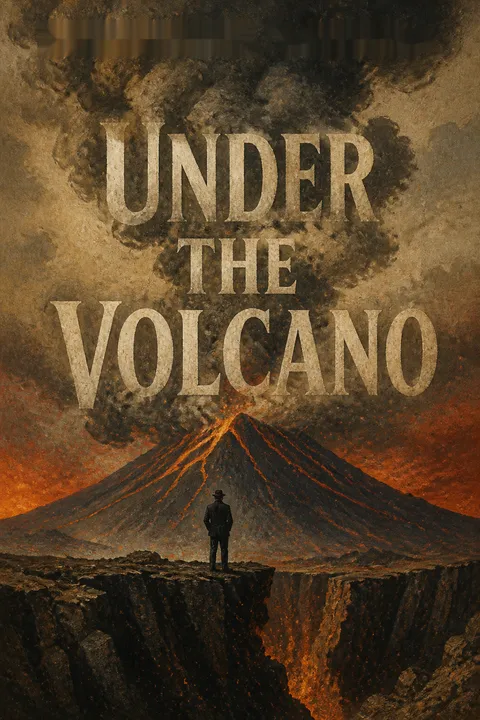
Shot and dying outside the Farolito, the Consul experiences a cascade of memories, visions, and hallucinations. He recalls his love for Yvonne, his failures, and the beauty and horror of the world. As life ebbs from him, he is comforted by fleeting images of compassion—a fiddler, a beggar, the memory of brotherhood. The volcano looms overhead, a symbol of both destruction and the possibility of renewal. The Consul's death is both an end and a release, as he is finally freed from the burdens of guilt, longing, and the relentless cycle of suffering.
The End of the Journey
In the novel's aftermath, the survivors—Yvonne, Hugh, Laruelle, and Vigil—are left to grapple with the meaning of the Consul's life and death. The landscape of Quauhnahuac endures, indifferent yet beautiful, as the Day of the Dead comes to a close. The questions of redemption, forgiveness, and the possibility of starting anew remain unresolved. Yet the memory of love, however flawed and fleeting, persists as a testament to the human spirit's capacity for hope amid despair. The journey ends, but the longing for meaning continues, echoing beneath the volcano's shadow.
Analysis
A modernist meditation on exile, despair, and the search for meaningUnder the Volcano is a profound exploration of the human condition, set in a world teetering on the edge of chaos. Through the tragic figure of Geoffrey Firmin, Lowry examines the corrosive effects of guilt, addiction, and the inability to forgive oneself or others. The novel's nonlinear structure, rich symbolism, and shifting perspectives create a sense of dislocation and fragmentation that mirrors both personal and historical crises. The landscape of Quauhnahuac, with its volcanoes and ravines, becomes a metaphor for the chasms within and between people. The Day of the Dead festivities underscore the proximity of life and death, joy and sorrow, and the persistence of memory. Ultimately, the novel asks whether redemption is possible in a world marked by suffering and loss. While the Consul's journey ends in tragedy, the enduring presence of love, however flawed, offers a glimmer of hope. Under the Volcano remains a powerful testament to the resilience of the human spirit and the enduring quest for meaning amid the ruins of history and the self.
Review Summary
Reviews of Under the Volcano are polarized. Many readers consider it a masterpiece of 20th-century modernist literature, praising its lyrical prose, rich symbolism, and haunting portrayal of alcoholism set against Mexico's Day of the Dead. The stream-of-consciousness style effectively immerses readers in the protagonist's drunken deterioration. Critics, however, find it impenetrably dense, self-indulgent, and exhausting, comparing it unfavorably to Joyce while questioning its accessibility. Most agree the novel's depiction of addiction is viscerally authentic, and the Mexican setting is vividly rendered, though opinions diverge sharply on whether the experience is rewarding.
People Also Read

Characters
Geoffrey Firmin (The Consul)
Geoffrey Firmin, the British Consul in Quauhnahuac, is the novel's tormented center. Once decorated for bravery in World War I, he is now a broken man, consumed by alcoholism and self-loathing. His marriage to Yvonne has collapsed under the weight of his addiction and emotional withdrawal. Geoffrey's psyche is a battleground of remorse, longing, and existential dread; he is both acutely self-aware and helpless to change. His relationships—with Yvonne, Hugh, and Laruelle—are marked by love, betrayal, and the inability to communicate. The Consul's descent into oblivion is both a personal tragedy and a reflection of a world on the brink of catastrophe. His final moments, filled with hallucinations and flashes of grace, reveal a soul yearning for redemption even as he succumbs to despair.
Yvonne Firmin
Yvonne is Geoffrey's estranged wife, whose return to Quauhnahuac is driven by hope for reconciliation and the desire to reclaim lost happiness. She is intelligent, sensitive, and deeply wounded by the Consul's neglect and her own past—failed dreams of Hollywood stardom, a lost child, and an affair with Hugh. Yvonne embodies the longing for escape and the belief in the possibility of starting over, yet she is also haunted by the fear that history will repeat itself. Her love for Geoffrey is both her strength and her undoing, as she oscillates between hope and resignation. Yvonne's journey is one of seeking meaning and connection in a world that seems determined to deny both.
Hugh Firmin
Hugh, Geoffrey's much younger half-brother, is a journalist, musician, and political idealist. He arrives in Quauhnahuac carrying the weight of his own failures—abandoned causes, a botched career, and guilt over his affair with Yvonne. Hugh is both a witness to and a participant in the Consul's tragedy, torn between the urge to save his brother and the recognition of his own limitations. His youthful optimism is tempered by disillusionment, and his attempts at action often end in impotence or unintended harm. Hugh's character explores the complexities of loyalty, the burden of conscience, and the search for purpose in a fractured world.
Jacques Laruelle
Jacques Laruelle, a French filmmaker and old friend of Geoffrey's, serves as both confidant and rival. He has his own history with Yvonne and is haunted by his inability to intervene in the Consul's decline. Laruelle's cosmopolitan detachment masks a deep sorrow and a sense of complicity in the tragedies that unfold. He represents the intellectual's dilemma—bearing witness to suffering while feeling powerless to prevent it. Laruelle's reflections frame the novel, offering both context and commentary on the events and the characters' inner lives.
Dr. Arturo Diaz Vigil
Dr. Vigil is a local physician and friend to both Geoffrey and Laruelle. He is kind, wise, and deeply empathetic, yet ultimately unable to rescue the Consul from his self-destruction. Vigil's presence in the novel underscores the limits of rationality and medicine in the face of existential despair. He is a symbol of hope and human decency, offering moments of solace and understanding, but his efforts are thwarted by forces beyond his control—addiction, fate, and the chaos of the world.
The Elephant (Diosdado)
Diosdado, known as the Elephant, is the proprietor of the Farolito cantina. He is both a figure of menace and a gatekeeper to the Consul's final ordeal. His interactions with Geoffrey are marked by suspicion, accusation, and the exercise of arbitrary power. Diosdado embodies the corrupt and indifferent forces that shape the characters' destinies, serving as both judge and executioner in the Consul's last hours.
The Chief of Gardens (Fructuoso Sanabria)
Sanabria, the Chief of Gardens, is a shadowy official involved in the Consul's arrest and ultimate demise. He represents the faceless, bureaucratic violence of the state, operating with impunity and without compassion. His presence in the Farolito signals the Consul's transition from personal tragedy to political victim, as individual suffering is subsumed by the machinery of repression.
Señora Gregorio
Señora Gregorio, the widow who runs a local cantina, offers the Consul moments of kindness and understanding. Her own losses and resilience mirror Geoffrey's struggles, and her words provide fleeting comfort. She represents the possibility of human connection and forgiveness, even in a world marked by suffering and alienation.
The Pimp (Stool Pigeon)
The pimp, a minor but memorable figure in the Farolito, embodies the opportunism and moral ambiguity of the novel's world. His shifting allegiances, crude humor, and self-serving actions highlight the breakdown of trust and the prevalence of exploitation. He is both a comic and a sinister presence, underscoring the Consul's vulnerability and isolation.
The Old Woman with Dominoes
The old Tarascan woman, seen playing dominoes with her chicken, recurs throughout the novel as a mysterious observer. She is a figure of endurance and quiet suffering, her presence a reminder of the inescapable cycles of loss and the inscrutable workings of destiny. Her silent companionship offers a counterpoint to the Consul's anguish, suggesting a form of acceptance beyond words.
Plot Devices
Nonlinear Narrative and Shifting Perspectives
Lowry employs a nonlinear structure, moving between past and present, memory and hallucination, to mirror the disintegration of the Consul's mind and the complexity of human experience. The narrative shifts among the perspectives of Geoffrey, Yvonne, Hugh, and Laruelle, allowing the reader to inhabit each character's inner world. This multiplicity of voices creates a tapestry of longing, regret, and hope, while also emphasizing the impossibility of fully understanding another's suffering. The use of letters, dreams, and hallucinations blurs the boundaries between reality and imagination, reinforcing the novel's themes of exile, loss, and the search for meaning.
Symbolism and Foreshadowing
The volcanoes, the ravine, the Day of the Dead, and the Farolito cantina are recurring symbols that foreshadow the characters' fates. The volcano represents both destruction and the potential for renewal; the ravine is a metaphor for the abyss within and between the characters. The Day of the Dead festivities underscore the proximity of life and death, joy and sorrow. The Farolito, as both a literal and symbolic underworld, is the site of the Consul's final confrontation with his demons. Foreshadowing is woven throughout the narrative, as dreams, omens, and repeated motifs hint at the inevitability of tragedy while holding out the faint hope of redemption.
Political and Historical Context
The novel is set against the backdrop of 1938 Mexico, a country in the throes of political upheaval, and a world on the brink of World War II. References to the Spanish Civil War, the rise of fascism, and the failures of diplomacy mirror the characters' personal struggles. The intersection of the political and the personal highlights the ways in which individual destinies are shaped by larger historical forces, and how private despair is both a reflection and a consequence of collective catastrophe.
Alcohol as Both Escape and Damnation
Alcohol is both a literal and metaphorical device in the novel. It is the Consul's means of escape from pain, but also the engine of his destruction. Drinking scenes are rendered with hallucinatory vividness, capturing the allure and horror of addiction. The progression from casual drinking to desperate oblivion mirrors the Consul's psychological decline and the erosion of his relationships. Alcohol serves as a symbol of the human desire to transcend suffering, even as it deepens the abyss.
Download PDF
Download EPUB
.epub digital book format is ideal for reading ebooks on phones, tablets, and e-readers.








































