
Plot Summary
Shadows in Daylight
Sorsha, a mortal thief with a knack for trouble, attempts to investigate a construction site hiding a secret facility. Her supernatural protectors—Thorn, Ruse, Snap, and the newly rescued Omen—lurk in the shadows, ready to defend her. The group's dynamic is tense, especially with Omen's cold authority clashing with Sorsha's independence. Their enemies, the Company of Light, are always a step ahead, erasing evidence and leaving Sorsha and her allies with more questions than answers. The chapter sets the tone: Sorsha is caught between worlds, relying on monsters for survival, and the threat of exposure or violence is ever-present. The emotional undercurrent is one of anxiety, mistrust, and the desperate need for connection in a world that wants her dead.
The Boss Emerges
Omen, recently freed from captivity, asserts his dominance over the group, challenging Sorsha's worth and testing her skills with dangerous tasks. Sorsha, determined to prove herself, faces his gauntlet of challenges—stealing, climbing, and outwitting mortals—while her companions watch with concern and admiration. The tension between Sorsha and Omen is electric, a mix of mutual suspicion and reluctant respect. Sorsha's resourcefulness shines, but Omen's relentless skepticism keeps her on edge. The emotional arc is one of frustration, pride, and the slow, grudging formation of trust between two strong-willed leaders.
Allies and Enemies
Sorsha turns to the Shadowkind Defense Fund, a group of mortals dedicated to protecting supernatural beings, hoping for support against the Company. Her best friend Vivi re-enters the fray, eager to help despite the risks. Meanwhile, Sorsha's attempts to rally other shadowkind are met with apathy or self-interest. The group's isolation deepens, and Sorsha's dual identity—as a bridge between mortals and monsters—becomes both her greatest asset and her heaviest burden. The emotional tone is bittersweet: hope flickers in new alliances, but betrayal and indifference threaten to snuff it out.
Mortal and Monster
As Sorsha grows closer to her shadowkind companions—especially Snap and Ruse—she navigates the complexities of desire, loyalty, and fear. Snap's innocence and devotion contrast with Ruse's seductive confidence, while Thorn's stoic protectiveness offers a different kind of comfort. Omen remains an enigma, his own wounds and ambitions hidden beneath a veneer of control. Sorsha's relationships are fraught with longing and uncertainty, each encounter a reminder of what she stands to lose. The emotional core is raw: love and lust are both refuge and risk in a world where trust is a luxury.
The Fund's Dilemma
The Shadowkind Defense Fund, once a source of hope, fractures under the weight of fear and doubt. Sorsha's pleas for action are met with hesitation, and her past relationships—especially with Leland—complicate matters further. The Fund's leaders, Ellen and Huyen, struggle to balance caution with conviction, while Vivi remains Sorsha's steadfast supporter. The chapter is a study in disappointment and resilience: Sorsha must accept that not all who claim to fight for justice are willing to pay the price, and that true allies are rare.
Ambush at Dusk
The group attempts to intercept a Company hand-off, hoping to free a captive shadowkind and gather intelligence. The ambush devolves into chaos and violence, with Sorsha and her companions forced to kill or be killed. The brutality of the Company is laid bare, and the cost of survival becomes painfully clear. Sorsha's ingenuity and courage are tested, as is her ability to stomach the necessary violence. The emotional aftermath is one of shock, guilt, and grim determination: survival demands sacrifice, and innocence is a casualty.
Interrogations and Revelations
With captives in hand, the group uses Ruse's charm to extract information about the Company's structure and goals. The revelations are chilling: the Company seeks not just to hunt shadowkind, but to eradicate them entirely, using science and sorcery to develop new weapons. Sorsha's horror is matched by her resolve to fight back. The group's unity is tested as moral lines blur, and the reality of their war sinks in. The emotional arc is one of clarity and resolve: the enemy is monstrous, and half-measures will not suffice.
Nightmares and New Bonds
Sorsha's dreams dredge up old traumas—her guardian Luna's death, her own narrow escapes—and the guilt of those she cannot save. In the aftermath, she seeks solace in her companions, deepening her bonds with Snap and Thorn. The group's shared vulnerability becomes a source of strength, even as Omen's harshness threatens to fracture their unity. The emotional tone is one of grief, longing, and the fragile hope that love can survive in the shadow of war.
Trials by Fire
Omen's relentless training pushes Sorsha to her limits, forcing her to confront the mysterious fire magic that erupts in moments of crisis. The truth of her nature—neither fully mortal nor shadowkind—emerges in a harrowing trial by fire. Sorsha's fear of her own power is matched by Omen's determination to harness it for their cause. The emotional arc is one of terror, revelation, and the first glimmers of acceptance: Sorsha is more than she believed, and her power may be the key to victory.
The Price of Loyalty
The Company's reach extends into Sorsha's circle, as Leland's jealousy and fear lead him to betray the group's plans. The resulting ambush leaves the group battered and on the run, their safe havens destroyed. Sorsha's guilt is overwhelming—her choices have put her friends in mortal danger. The emotional core is one of heartbreak and resolve: loyalty is a double-edged sword, and the price of trust is often paid in blood.
The Company Strikes Back
The Company tracks the group to their latest hideout, launching a brutal assault that leaves their vehicle destroyed and their numbers dwindling. Sorsha's quick thinking and the group's teamwork allow them to escape, but not without injury and loss. The emotional aftermath is one of exhaustion, fear, and the grim realization that the enemy is always watching. The group's unity is tested as they seek refuge and regroup, haunted by the specter of defeat.
Unlikely Sanctuary
The group turns to Omen's old contacts—a gang of shadowkind criminals—for aid, trading favors for healing and a new vehicle. The uneasy alliance is fraught with tension, as old grudges and new suspicions simmer beneath the surface. Sorsha's role as mediator and bridge is more vital than ever, but her own sense of belonging is fragile. The emotional tone is one of wariness, gratitude, and the constant negotiation of power and trust.
The Power Within
In a staged crisis, Omen forces Sorsha to confront her power head-on, triggering a display of fire magic that reveals her true nature to the group. The revelation is both terrifying and liberating: Sorsha is neither fully human nor fully shadowkind, but something new. The group's reactions are mixed—admiration, fear, and a renewed sense of purpose. The emotional arc is one of self-discovery, acceptance, and the forging of a new identity in the crucible of conflict.
The Devourer Unleashed
In a desperate battle, Snap is forced to use his true power as a devourer, consuming the soul of an enemy to save Sorsha. The act horrifies both Snap and Sorsha, driving him into self-imposed exile. The group reels from the loss, and Sorsha is left to grapple with the darkness within those she loves—and within herself. The emotional core is one of grief, fear, and the painful recognition that survival sometimes demands monstrous acts.
The Road to War
With the help of new shadowkind allies—centaurs, unicorns, and others—the group prepares for a final assault on the Company's stronghold. Old wounds are tended, new bonds are forged, and Sorsha's relationships with Thorn, Ruse, and Omen deepen in unexpected ways. The group's unity is hard-won, and the stakes have never been higher. The emotional tone is one of anticipation, camaraderie, and the bittersweet knowledge that not all will survive what is to come.
The Final Assault
The group launches a coordinated attack on the Company's last stronghold, using Sorsha's fire magic and their combined strength to free the imprisoned shadowkind and destroy the enemy's resources. The battle is brutal and costly, with allies falling and the line between hero and monster blurring. Sorsha's power is both weapon and liability, and the victory is as much a pyrrhic one as a triumph. The emotional arc is one of catharsis, loss, and the hard-won satisfaction of justice served.
Aftermath and Unfinished Business
In the wake of the Company's destruction, the group learns that their enemy is larger and more insidious than they realized—branches of the Company exist in other cities, and Snap has been taken to Chicago. The victory is hollow, and the war is far from over. Sorsha's sense of purpose is renewed, but so is her fear for those she loves. The emotional tone is one of exhaustion, determination, and the bittersweet hope that, together, they can face whatever darkness remains.
Analysis
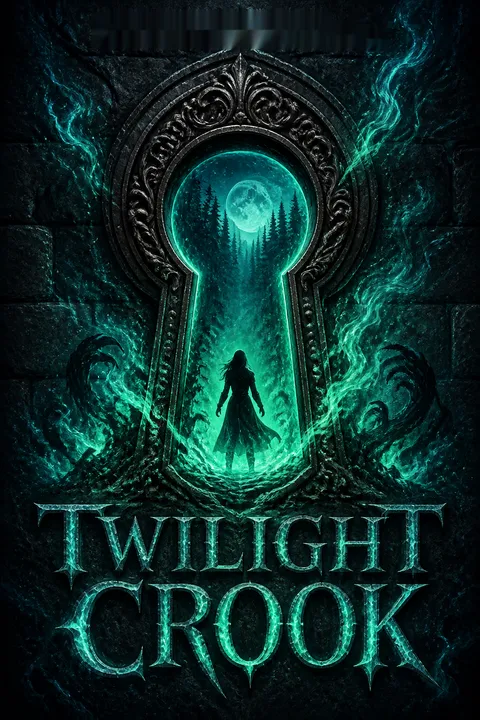
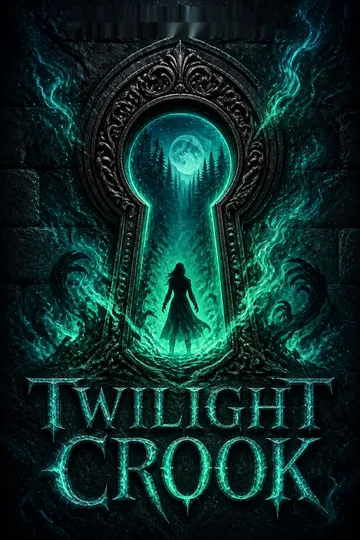
Twilight Crook is a deft, emotionally charged blend of urban fantasy, romance, and thriller, using the conventions of the reverse harem and found family genres to explore deeper questions of identity, loyalty, and the nature of monstrosity. At its heart, the novel is about the search for belonging in a world that punishes difference—whether that difference is supernatural or simply the refusal to conform. Sorsha's journey from isolated thief to reluctant leader mirrors the broader struggle of the shadowkind: survival demands both strength and vulnerability, and true power lies in the willingness to risk connection. The book's refusal to offer easy answers—its embrace of moral ambiguity, the cost of violence, and the inevitability of loss—gives it a resonance beyond its genre trappings. Ultimately, Twilight Crook is a story about the courage to face the darkness within and without, and the hope that, together, even monsters can find redemption.
Review Summary
People Also Read


Characters
Sorsha
Sorsha is a fiercely independent, quick-witted mortal with a talent for infiltration and a history of loss. Raised by a fae guardian after her parents' murder, she is haunted by trauma and driven by a need to protect the vulnerable—both human and shadowkind. Her relationships with her monstrous companions are complex: she is both lover and leader, torn between desire and duty. Sorsha's greatest struggle is with her own identity; the emergence of her fire magic forces her to confront the possibility that she is neither fully human nor fully monster, but something new. Her arc is one of self-acceptance, the forging of unlikely alliances, and the willingness to risk everything for those she loves.
Omen
Omen is the group's de facto leader, a shadowkind of immense power and trauma. His time in captivity has left him cold, ruthless, and deeply suspicious, especially of mortals. He tests Sorsha relentlessly, both to protect the group and to mask his own vulnerability. Omen's authority is both a shield and a prison; he fears losing control, both of himself and of those he cares for. His relationship with Sorsha is fraught with tension, attraction, and mutual respect, and he is forced to confront his own capacity for trust and tenderness. Omen's arc is one of gradual thawing, the rediscovery of hope, and the acceptance that strength sometimes means letting others in.
Thorn
Thorn is the group's muscle and moral compass, a being of immense strength and deep-seated guilt. Haunted by past failures in ancient wars, he is driven by a need to atone and to protect those he loves—especially Sorsha, for whom his feelings grow from duty to genuine affection. Thorn's stoicism masks a well of emotion and vulnerability, and his journey is one of learning to accept help, to forgive himself, and to embrace the possibility of happiness. His relationship with Sorsha is tender, passionate, and marked by mutual respect.
Ruse
Ruse is the group's seducer and social engineer, using his supernatural charm to manipulate mortals and monsters alike. Beneath his playful exterior lies a history of heartbreak and a longing for genuine connection. His relationship with Sorsha is both physical and emotional, and he struggles with jealousy, insecurity, and the fear of being truly known. Ruse's arc is one of vulnerability, the search for meaning beyond pleasure, and the realization that love is worth the risk of pain.
Snap
Snap is the group's most enigmatic member, a being of immense power and childlike wonder. His innocence and curiosity endear him to Sorsha, but his true nature—a devourer of souls—terrifies both himself and those around him. Forced to use his power to save Sorsha, Snap is consumed by guilt and self-loathing, leading him to exile himself from the group. His arc is one of self-acceptance, the struggle to reconcile monstrous instincts with a gentle heart, and the hope that love can redeem even the darkest parts of oneself.
Vivi
Vivi is Sorsha's anchor to the mortal world, a steadfast friend who refuses to be sidelined despite the dangers. Her intelligence, resourcefulness, and unwavering support provide Sorsha with the strength to keep fighting. Vivi's arc is one of courage, the willingness to face fear for the sake of friendship, and the reminder that ordinary people can make an extraordinary difference.
Ellen and Huyen
Ellen and Huyen represent the best and worst of human allies: passionate, principled, but ultimately limited by fear and pragmatism. Their struggle to support Sorsha and the shadowkind is emblematic of the broader human response to the unknown—hopeful, but often paralyzed by doubt. Their arc is one of disappointment, the cost of inaction, and the bittersweet realization that not all battles can be fought from the sidelines.
Rex
Rex is the leader of a powerful shadowkind gang, motivated primarily by self-interest and territorial pride. His willingness to join the fight is spurred less by principle than by personal affront, but his strength and resources are invaluable. Rex's arc is one of reluctant cooperation, the recognition that survival sometimes requires solidarity, and the uneasy truce between monsters.
Bow and Gisele
Bow and Gisele provide both comic relief and unexpected heroism, joining the fight out of loyalty to a lost friend and a sense of justice. Their outsider perspective highlights the insularity of both mortals and shadowkind, and their willingness to risk everything for others is a testament to the power of chosen family. Their arc is one of growth, sacrifice, and the realization that even the most unlikely heroes can make a difference.
Leland
Leland is a cautionary tale: a man whose jealousy, insecurity, and need for validation lead him to betray Sorsha and her cause. His actions have devastating consequences, and his arc is one of self-justification, cowardice, and the reminder that the greatest threats often come from within.
Plot Devices
Dual Worlds and Hidden Identities
The story's structure hinges on the interplay between the human world and the shadowkind realm, with Sorsha as the bridge. Her dual identity—mortal thief and emerging fire-wielder—mirrors the larger conflict between the two worlds. The use of hidden facilities, secret societies, and magical disguises creates a constant sense of danger and uncertainty, forcing characters to navigate shifting allegiances and concealed motives.
Reverse Harem and Found Family
The reverse harem dynamic is central, not just as a source of romance but as a means of exploring trust, jealousy, and the need for belonging. The group's evolving relationships—marked by passion, rivalry, and deepening loyalty—provide both emotional stakes and practical advantages in their war against the Company. The found family motif is reinforced by the inclusion of new allies and the willingness to risk everything for one another.
Moral Ambiguity and the Cost of Survival
The narrative repeatedly blurs the line between hero and monster, forcing characters to confront the necessity of violence, the temptation of power, and the price of loyalty. Interrogations, betrayals, and the use of supernatural abilities for both good and ill highlight the complexity of survival in a hostile world. The story refuses to offer simple solutions, instead embracing the messiness of real choices and the inevitability of loss.
Foreshadowing and Unresolved Mysteries
The Company's true scope is only revealed gradually, with each victory uncovering new threats and unanswered questions. Sorsha's powers, Snap's nature, and the existence of other shadowkind rebels are all foreshadowed before coming to the fore. The ending leaves key threads unresolved—Snap's fate, the Company's reach, Sorsha's identity—ensuring that the story's emotional and narrative momentum carries into the next installment.
Flirting with Monsters Series
About the Author
Download PDF
Download EPUB
.epub digital book format is ideal for reading ebooks on phones, tablets, and e-readers.








































