
Plot Summary
London's Unlikely Encounter
Eighteen-year-old Tate Jones arrives in London with her grandmother, Nana, for a long-dreamed-of adventure. Their modest lives in small-town California are upended by the city's grandeur, but it's a chance dinner with Vermont farm boy Sam Brandis and his grandfather Luther that truly alters Tate's world. The two families bond over meals and sightseeing, and Tate is drawn to Sam's warmth, humor, and the sense of possibility he brings. London's magic is not just in its sights, but in the unexpected connection that blooms between two young people from opposite coasts, both carrying secrets and longing for something more.
Secrets Beneath Starlit Skies
As Tate and Sam spend nights talking in the hotel's garden, their connection deepens. They share stories of family, dreams, and disappointments, each revealing more than they ever have to anyone else. Tate confides her hidden identity as the daughter of a famous actor, Ian Butler, a secret fiercely guarded by her family. Sam, in turn, shares his own complicated family history. The vulnerability between them is electric, and the city's anonymity gives them the freedom to be honest. Their bond is cemented by the sense that, for the first time, they are truly seen and understood.
Confessions and First Love
The days in London are filled with exploration, but it's the nights that matter most. Tate and Sam's relationship turns romantic, culminating in Tate's first experience of physical intimacy. The joy and nervousness of first love are palpable, but so is the looming sense of impermanence. Both are aware that their time together is limited, and the intensity of their feelings is heightened by the knowledge that soon, they'll return to separate lives. The trust they build is fragile, and Tate's willingness to open up is both exhilarating and terrifying.
Two Weeks of Wonder
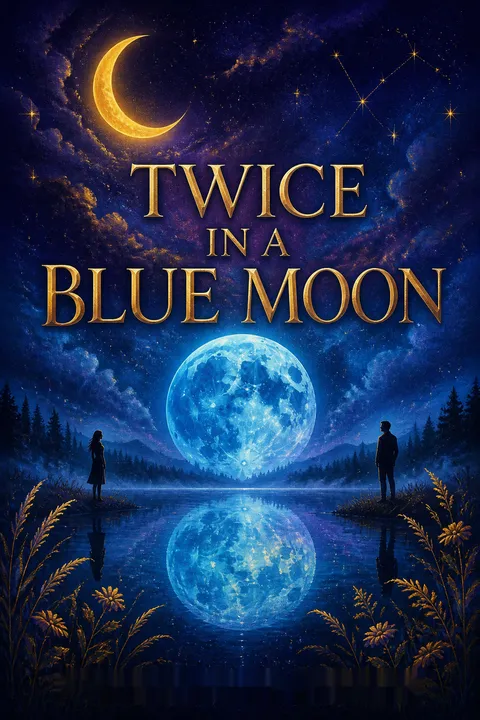
Tate and Sam's whirlwind romance is set against the backdrop of London's museums, theaters, and historic streets. Their families grow closer, and even Nana softens, enjoying the adventure. Tate feels herself changing—becoming braver, more honest, and more willing to imagine a future beyond the confines of her small town. But beneath the surface, anxieties simmer: about family, about the future, and about whether love can survive outside the bubble of vacation. The two weeks become a suspended moment in time, a blue moon that feels both magical and heartbreakingly temporary.
The Betrayal Unfolds
Just as Tate begins to believe in the possibility of lasting happiness, her world is upended. The secret of her identity is leaked to the press, and she is thrust into the spotlight she's spent her life avoiding. The betrayal is devastating—not just because her privacy is gone, but because it was Sam who sold her story, desperate for money to save his dying grandfather. Tate's heartbreak is compounded by the realization that her first love was also her first great betrayal. She and Nana flee London, and Tate's life is forever changed by the collision of love, trust, and ambition.
Fame's Relentless Spotlight
Back in California, Tate's life is transformed by sudden fame. She is reunited with her estranged father, Ian Butler, and begins an acting career that catapults her into the public eye. The narrative spun for the media is carefully managed, painting her as a willing participant in her own unveiling. But beneath the surface, Tate struggles with the loss of innocence, the pain of betrayal, and the challenge of forging her own identity. The world sees her as a star, but she feels like a girl still searching for a place to belong.
Rewriting the Past
Tate becomes a successful actress, but the scars of her past remain. Her relationship with her father is complicated by his narcissism and need for control, while her mother and Nana remain her true anchors. Tate's romantic life is a series of false starts and staged relationships, none of which heal the wound left by Sam. She channels her pain into her work, becoming known for her emotional depth on screen. Yet, the question of whether she can ever truly trust or love again haunts her, even as she achieves everything she once dreamed of.
Stardom and Estrangement
As Tate's career flourishes, her personal life remains unfulfilled. She is cast in a major film, Milkweed, opposite her father, and the project becomes a crucible for her unresolved issues. The set is a microcosm of her life: intense, insular, and fraught with old wounds. Tate's longing for connection is palpable, but her ability to trust is compromised. The presence of her father on set is both a blessing and a curse, forcing her to confront the ways in which fame has shaped—and warped—their relationship.
Reunion on Ruby Farm
On the set of Milkweed, Tate is stunned to discover that the film's screenwriter, S. B. Hill, is none other than Sam Brandis. The shock of seeing him again after fourteen years is overwhelming, reopening wounds she thought had healed. Their initial encounters are fraught with anger, confusion, and unresolved longing. As they work together, the old chemistry resurfaces, but so do the questions of trust and forgiveness. The farm becomes a place of reckoning, where past and present collide in unexpected ways.
Haunted by Old Wounds
Tate and Sam are forced to confront the events of London: the betrayal, the reasons behind it, and the impact it had on both their lives. Sam reveals the desperation that drove him to sell Tate's story, and the guilt he has carried ever since. Tate grapples with the complexity of forgiveness, torn between empathy for Sam's motives and the pain he caused her. Their conversations are raw and honest, peeling back layers of hurt and misunderstanding. The possibility of reconciliation hangs in the balance, dependent on whether they can truly see—and accept—each other's scars.
Becoming Ellen Meyer
As filming progresses, Tate immerses herself in the role of Ellen Meyer, drawing on her own experiences of love, loss, and resilience. The character's story—based on Sam's grandparents—mirrors Tate's own journey, and the process of becoming Ellen becomes a form of healing. Through her work, Tate finds a way to process her pain, reclaim her narrative, and imagine a future not defined by betrayal. The set becomes a crucible for growth, and the relationships she forges—with Sam, with her co-stars, and with herself—are tested and strengthened.
The Truth in the Script
The parallels between Milkweed and Tate's life become increasingly clear. The film's story of forbidden love, community, and perseverance resonates deeply with everyone involved. Tate realizes that Sam wrote the script as both an homage to his grandparents and a form of atonement. The process of bringing the story to life allows both of them to confront their past, acknowledge their mistakes, and find meaning in their pain. The act of creation becomes an act of forgiveness, and the possibility of a new beginning emerges.
Forgiveness and Second Chances
As the film wraps, Tate and Sam tentatively rekindle their relationship. The journey is not easy—old wounds reopen, and the pressures of fame and family threaten to pull them apart. But through honest conversation, vulnerability, and a willingness to face the truth, they find a way back to each other. Tate learns to forgive—not just Sam, but herself—and to believe in the possibility of love after betrayal. Their reunion is hard-won, built on a foundation of honesty and mutual respect.
The Press Strikes Again
Just as Tate and Sam begin to imagine a future together, their past is dragged into the spotlight once more. The press uncovers the truth about Sam's role in Tate's original exposure, and the story becomes a media frenzy. Tate is forced to confront the reality that her life will always be subject to public scrutiny, and that her happiness cannot depend on the approval of others. The couple must decide whether their love is strong enough to withstand the relentless gaze of the world.
Taking Back the Narrative
In the face of scandal, Tate refuses to be a victim. With the support of her friends, family, and Marco—her loyal publicist—she takes control of the narrative, refusing to let others define her. She and Sam choose to be together openly, accepting the risks and challenges that come with it. The act of reclaiming her story is empowering, and Tate emerges stronger, wiser, and more self-assured. The journey has been painful, but it has also been transformative.
Love, Finally Found
In the end, Tate and Sam find their way back to each other—not as the star-crossed lovers of their youth, but as adults who have faced their demons and chosen each other anyway. Their love is not perfect, but it is real, resilient, and rooted in forgiveness. The story closes with the promise of new beginnings: a love that has survived betrayal, fame, and the passage of time. Under a sky full of stars, Tate and Sam finally find the peace and happiness they both deserve.
Analysis
A modern meditation on love, forgiveness, and self-ownershipTwice in a Blue Moon is more than a romance; it is a nuanced exploration of how our past shapes our present, and how healing requires both vulnerability and agency. Christina Lauren deftly interrogates the complexities of trust, the corrosive effects of secrecy, and the redemptive power of storytelling. The novel's dual timelines allow readers to experience the rawness of first love and the hard-won wisdom of adulthood, highlighting the ways in which trauma can both wound and fortify. Through Tate's journey, the book examines the costs of fame, the importance of chosen family, and the necessity of reclaiming one's narrative in a world eager to define us. Ultimately, the story is a hopeful testament to the possibility of second chances—not just in love, but in life itself. It reminds us that forgiveness is not forgetting, but choosing to move forward with open eyes and an open heart, even when the world is watching.
Review Summary
Twice in a Blue Moon receives mixed reviews, averaging 3.62/5. Fans praise its tender second-chance romance, emotional depth, and compelling Hollywood setting. However, many readers feel it lacks the humor and chemistry typical of Christina Lauren's work. Common criticisms include underdeveloped characters, rushed pacing, insufficient chemistry between leads, and an overreliance on flashbacks that feel more YA than adult romance. The ending divides readers, with some finding it satisfying and others feeling it arrives too late or abruptly.
People Also Read








Characters
Tate Jones / Tate Butler
Tate is the daughter of Hollywood legend Ian Butler and artist Emmeline Houriet, raised in secrecy by her mother and grandmother to shield her from the chaos of fame. Intelligent, sensitive, and fiercely private, Tate's journey is one of self-discovery and reclamation. Her early life is marked by loss, secrecy, and a longing for connection. The betrayal by her first love, Sam, leaves deep scars, shaping her relationships and her sense of self. As an adult, Tate becomes a successful actress, but struggles with trust, vulnerability, and the challenge of forging her own identity apart from her father's shadow. Her arc is one of growth: from wounded girl to empowered woman, learning to forgive, to love, and to live on her own terms.
Sam Brandis / S. B. Hill
Sam is a Vermont farm boy with a writer's soul, raised by his grandparents Luther and Roberta after a complicated family history. His love for Tate is genuine, but desperation leads him to betray her trust in London, selling her story to the press to save his dying grandfather. The guilt of this act shapes his adult life, driving him to become a successful screenwriter and to immortalize his grandparents' love in the script for Milkweed. Sam is introspective, earnest, and deeply remorseful, struggling to reconcile his actions with his feelings. His reunion with Tate is fraught with pain and hope, and his journey is one of atonement, vulnerability, and the courage to ask for—and accept—forgiveness.
Ian Butler
Ian is a Hollywood icon whose charm and talent are matched only by his self-absorption. His relationship with Tate is complicated by years of absence, betrayal, and the demands of fame. Ian is both a source of pride and pain for Tate, embodying the allure and toxicity of celebrity. He is skilled at managing his public image, but struggles with genuine intimacy and vulnerability. His actions—both past and present—force Tate to confront the realities of family, forgiveness, and the limits of parental love.
Nana (Jude/Judith Houriet)
Nana is the bedrock of Tate's early life, providing stability, wisdom, and a fierce sense of loyalty. She is practical to a fault, often wary of risk and change, but her love for Tate is unwavering. Nana's insistence on secrecy is both a shield and a cage, shaping Tate's worldview and her approach to trust. Her presence is a reminder of the importance of family, tradition, and the quiet strength that comes from surviving hardship.
Emmeline Houriet / Emma Jones
Emmeline is a former actress who retreats from the spotlight to protect her daughter and herself from the fallout of Ian's betrayals. She is nurturing, creative, and deeply empathetic, providing Tate with a model of grace under pressure. Emmeline's own wounds inform her parenting, and her relationship with Tate is marked by both closeness and the unspoken weight of the past. She encourages Tate to seek happiness, even as she struggles to find it for herself.
Marco
Marco becomes Tate's confidant and protector as she navigates the treacherous waters of fame. He is savvy, unflappable, and deeply invested in Tate's well-being, often serving as her voice of reason and support. Marco's presence is a stabilizing force, helping Tate manage the demands of her career and the challenges of public scrutiny. His loyalty is unwavering, and his friendship is a testament to the importance of chosen family.
Charlie
Charlie is Tate's childhood friend and head of makeup on Milkweed. She is outspoken, irreverent, and unafraid to challenge Tate or anyone else. Charlie's humor and honesty provide much-needed levity and perspective, and her unwavering support helps Tate weather the storms of love and fame. She is the embodiment of friendship as sanctuary, always ready to defend, comfort, or call out the truth.
Luther Hill
Luther is Sam's step-grandfather, a dairy farmer whose kindness and humor leave a lasting impression on Tate. His illness is the catalyst for Sam's betrayal, and his love story with Roberta becomes the inspiration for Milkweed. Luther represents the possibility of enduring love, community, and the sacrifices we make for family.
Roberta Hill
Roberta is the inspiration for Ellen Meyer in Milkweed, a woman who survives hardship with grace and determination. Though she never appears directly in the present timeline, her legacy shapes Sam's values and the story he writes. Roberta's life is a testament to resilience, courage, and the transformative power of love.
Nick Tyler
Nick is Tate's on-screen love interest in Milkweed, and quickly becomes a trusted friend. He is easygoing, perceptive, and unthreatened by Tate's complicated past. Nick's presence on set provides both professional camaraderie and personal comfort, helping Tate navigate the challenges of her role and her feelings for Sam.
Plot Devices
Dual Timeline Structure
The novel employs a dual timeline, alternating between Tate's transformative summer in London as a teenager and her adult life as a successful actress. This structure allows the reader to experience the intensity of first love and betrayal alongside the slow, painful process of healing and self-discovery. The interplay between past and present deepens the emotional resonance, highlighting how formative experiences shape identity and relationships.
Epistolary Elements
The use of emails and letters—especially Sam's attempts to contact Tate before the Milkweed shoot—serves as a powerful plot device. These messages reveal the depth of Sam's remorse, the persistence of his feelings, and the tragic consequences of missed connections. The delayed discovery of these emails becomes a turning point, reframing Tate's understanding of the past and opening the door to reconciliation.
Art Imitating Life
Milkweed, the film at the heart of the adult timeline, is both a literal and metaphorical retelling of Sam's family history and his relationship with Tate. The process of making the film forces both characters to confront their wounds, find empathy, and imagine new possibilities. The script becomes a vehicle for healing, forgiveness, and the reclamation of narrative control.
Public vs. Private Identity
The tension between Tate's public persona and her private self is a recurring motif. The relentless gaze of the media, the management of scandal, and the construction of narrative all serve to explore questions of authenticity, agency, and the cost of visibility. The novel interrogates the ways in which women, in particular, are forced to perform for the world, and the courage it takes to claim one's own story.
Forgiveness and Redemption
The central plot device is the journey from betrayal to forgiveness. Both Tate and Sam must confront the pain they caused and endured, and the process of reconciliation is neither easy nor straightforward. The novel resists easy answers, instead depicting forgiveness as an ongoing, courageous act that requires honesty, empathy, and the willingness to risk being hurt again.
About the Author
Other books by Christina Lauren







Download PDF
Download EPUB
.epub digital book format is ideal for reading ebooks on phones, tablets, and e-readers.








































