
Plot Summary
Threadsisters on the Run
Safiya and Iseult, bound by a deep, chosen sisterhood, attempt a highway heist that goes awry, forcing them to flee from city guards and a mysterious, deadly Bloodwitch. Their contrasting personalities—Safi's impulsive, truth-detecting nature and Iseult's calm, thread-sensing magic—make them a formidable team, but also draw dangerous attention. Their bond is tested as they improvise disguises, outwit guards, and narrowly escape a Bloodwitch's pursuit, setting the tone for a story where friendship is both shield and vulnerability. The opening pulses with tension, humor, and the promise of a world where magic is both blessing and curse.
Bloodwitch in Pursuit
The girls' escape is shadowed by Aeduan, a Bloodwitch who can track people by the scent of their blood and magic. His pursuit is not just professional but personal, as he becomes obsessed with Safi's rare Truthwitch power. The chase is both physical and psychological, with Aeduan's presence a constant threat. The girls' resourcefulness is tested as they use hidden stashes, disguises, and their wits to stay ahead. The Bloodwitch's abilities and the mythic fear he inspires raise the stakes, making clear that in the Witchlands, secrets are never safe for long.
City of Secrets and Schemes
Safi and Iseult seek refuge in Veñaza City, relying on their mentors Mathew and Habim, and the bustling anonymity of the wharf. But the city is a web of guild politics, prejudice, and hidden agendas. Safi's unregistered magic and Iseult's Nomatsi heritage make them perpetual outsiders. Their plans for a new life are shattered by betrayal, escalating danger, and the realization that even allies may have their own secrets. The city's vibrant, dangerous life is a crucible for the girls' friendship and a stage for the larger political machinations that threaten to engulf them.
Nobility, War, and Betrayal
Across the Witchlands, the fragile peace of the Twenty Year Truce is unraveling. Prince Merik of Nubrevna, desperate to save his starving nation, navigates the treacherous politics of the Truce Summit, clashing with self-serving nobles and seeking trade at any cost. Safi's noble lineage and rare magic make her a pawn in imperial games, as Emperor Henrick of Cartorra and Empress Vaness of Marstok maneuver for advantage. The personal and the political collide, with betrayals both intimate and grand, as war looms and the value of truth becomes a weapon.
Cleaving and Chaos
The Witchlands are haunted by the threat of "cleaving"—when a witch's magic turns corrupt and uncontrollable. A public cleaving in the city unleashes violence and terror, drawing Safi, Iseult, and Merik into a deadly confrontation. The chaos exposes the fragility of order and the unpredictable cost of power. The girls' abilities are both salvation and curse, as they fight to survive and protect each other. The event foreshadows the deeper rot in the world's magic and the coming storm that will test every bond.
The Prince and the Storm
Merik's quest for trade and hope for his people brings him into fateful contact with Safi and Iseult. Their destinies entwine as Merik offers passage in exchange for a contract that could save Nubrevna. But the journey is fraught with tension—between nations, between hearts, and within the crew. Merik's sense of duty wars with his growing feelings for Safi, while the threat of pursuit by Bloodwitch, empire, and sea foxes mounts. The storm at sea becomes a crucible for sacrifice, leadership, and the price of loyalty.
Escape and Separation
The girls' flight from Veñaza City leads to painful separation. Iseult is forced to return to her Nomatsi roots, confronting old wounds and new dangers, while Safi is swept into the world of nobility and political intrigue. Their bond is tested by distance, secrets, and the machinations of those who would use them. Each must navigate unfamiliar worlds—one of prejudice and family, the other of courts and contracts—while longing for reunion and fearing what the future holds.
Nomatsi Shadows and Family
Iseult's return to her tribe is fraught with suspicion, betrayal, and the shadow of a Cursewitch who manipulates fear and power. Family ties are both comfort and chain, as Iseult faces the legacy of her mother, the jealousy of a rival, and the violence of a community turned against her. The Nomatsi world is revealed as both insular and vulnerable, a microcosm of the larger Witchlands, where difference is punished and survival demands hard choices. Iseult's journey is one of self-discovery, loss, and the forging of new strength.
The Truce Ball Unravels
At the Truce Summit's grand ball, Safi is thrust into the spotlight, her secret magic and noble blood making her the center of imperial attention. The glittering event is a mask for political maneuvering, as alliances shift and betrayals are set in motion. A fateful dance with Merik ignites both passion and peril, while Emperor Henrick's shocking announcement of Safi's betrothal shatters her hopes for freedom. The ball's abrupt descent into chaos marks the end of innocence and the beginning of open conflict.
Flight, Capture, and Contracts
Safi's escape from the ball is orchestrated by her uncle and mentors, but safety comes at a price. She is bound by a Wordwitched contract to Merik, her fate and Nubrevna's future now linked. The journey across the Jadansi Sea is a test of trust, as old enemies pursue and new dangers emerge. The contract's strictures—no spilled blood, no death—become both shield and shackle. The girls' reunion is bittersweet, as the cost of survival grows ever higher.
Sea Foxes and Sacrifice
The crossing is interrupted by the attack of sea foxes—mythic beasts drawn by blood and magic. The battle is desperate, demanding courage, sacrifice, and the full measure of the girls' abilities. Merik's leadership is tested, as is the loyalty of his crew. The aftermath leaves wounds both physical and emotional, and the realization that the world's old protections are failing. The sea foxes are both symbol and harbinger of the chaos to come.
The Origin Well Awakens
In Nubrevna, the girls reach the legendary Origin Well, a source of elemental power long thought dead. Their presence, and the strength of their bond, awakens the Well, hinting at a prophecy of the Cahr Awen—two witches destined to restore balance. Healing, hope, and awe mingle with fear, as the world's magic shifts and new possibilities emerge. The Well's awakening is a turning point, marking the girls as more than fugitives—they are now symbols of change.
The Puppeteer's Shadow
Iseult is haunted by dreams and visions of the Puppeteer, a mysterious Threadwitch who can control the Cleaved and bend the world's magic to her will. The Puppeteer's influence is insidious, reaching across distance and mind, and her connection to Iseult is both terrifying and intimate. The shadow of the Puppeteer reveals the deeper rot in the Witchlands, the fragility of free will, and the danger of power unmoored from compassion. Iseult's struggle is both internal and cosmic, as she fights to retain her selfhood.
Marstoki Ambush at Lejna
The journey's end is a trap, as Marstoki forces, led by Empress Vaness herself, ambush Safi and Iseult at Lejna. The girls' plan to outwit their pursuers is undone by the chaos of cleaving, the violence of storms, and the relentless pursuit of those who would claim Safi's power. The cost of survival is high—wounds, capture, and the shattering of old certainties. The world's great powers are now in open conflict, and the girls are at the heart of the storm.
Storms, Loss, and Loyalty
As a supernatural storm rages, Merik and his crew face impossible odds. Kullen, Merik's Threadbrother, sacrifices himself to save the others, cleaving in a final act of loyalty and love. The loss is devastating, reshaping Merik's sense of self and purpose. Iseult, too, is forced to confront her own guilt and responsibility, as the consequences of the Puppeteer's manipulations become clear. The storm is both literal and metaphorical—a crucible that forges new resolve.
The Price of Power
Safi is captured by Empress Vaness, who offers her a bargain: use her magic to save Marstok in exchange for trade with Nubrevna. The cost of power is revealed—not just in blood and pain, but in the choices that shape the fate of nations. Safi's agency, hard-won and fiercely defended, is both her salvation and her burden. The world is at war, the Truce shattered, and the future uncertain. Yet in the midst of loss, hope endures.
Threads Severed, Threads Bound
As the dust settles, the survivors count their losses and look to what comes next. Merik, wounded but unbroken, secures the trade that may save his people. Iseult, haunted by guilt and the shadow of the Puppeteer, vows to find Safi and set things right. Safi, now a prisoner and a player in the great game, embraces her power and her purpose. The threads of fate are frayed but not broken, and the story ends with the promise that even in a world of war and magic, love and loyalty can still shape destiny.
Analysis
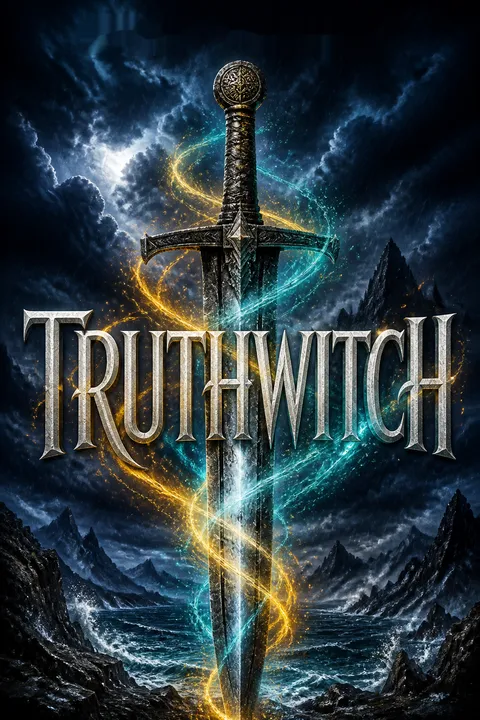
Truthwitch is a vibrant, emotionally charged fantasy that reimagines the epic quest through the lens of chosen family, female friendship, and the cost of power. At its heart, the novel is a celebration of bonds that transcend blood—Safi and Iseult's threadsisterhood is both shield and sword, a source of strength in a world that punishes difference. The Witchlands are a mirror of our own fractured societies, where prejudice, political ambition, and the fear of the other threaten to unravel the fabric of peace. Magic, here, is not just spectacle but metaphor—a force that can heal or corrupt, unite or destroy. The narrative's structure, alternating perspectives and interwoven plotlines, reflects the complexity of agency and the interconnectedness of fate. The story's lessons are clear: true power lies not in domination but in compassion, not in prophecy but in choice. The cost of freedom is high, but hope endures in the willingness to fight for those we love, to shape our own destinies, and to believe that even in a world of war and magic, threads severed can be bound anew.
Review Summary
Truthwitch by Susan Dennard receives mixed reviews. Fans praise the strong female friendship between Safi and Iseult, fast-paced action, complex magic system, and compelling characters like Prince Merik and Aeduan. Many appreciate the emphasis on friendship over romance and diverse representation. Critics cite confusing world-building, info-dumping, instalove between Safi and Merik, and poorly explained concepts. Some found the plot repetitive with excessive chase scenes. Overall, readers either loved the epic fantasy elements or felt overwhelmed by unclear exposition, though most agree the friendship theme resonates strongly.
People Also Read

Characters
Safiya fon Hasstrel
Safi is a Truthwitch, able to sense truth from lies, but her greatest strength is her fierce loyalty and impulsive courage. Born to minor nobility, she is both privileged and marginalized, her unregistered magic making her a target for those who would use or destroy her. Her relationship with Iseult is the emotional core of the story—a chosen sisterhood that transcends blood. Safi's journey is one of self-discovery, as she learns to wield her power not just for survival, but for the greater good. Her impulsiveness is both flaw and virtue, driving the plot and forcing those around her to confront uncomfortable truths. By the end, Safi embraces her agency, willing to bend and shape the world for those she loves.
Iseult det Midenzi
Iseult is a Threadwitch, able to see the emotional threads that bind people, but unable to see her own. As a Nomatsi, she faces prejudice and exclusion, both in the wider world and within her own tribe. Her friendship with Safi is her anchor, but also a source of vulnerability. Iseult's journey is marked by self-doubt, guilt, and the shadow of the Puppeteer—a Threadwitch who can control the Cleaved. Her calm, analytical mind is a counterpoint to Safi's impulsiveness, but beneath the surface lies a well of emotion and longing for belonging. Iseult's arc is one of claiming her own power, facing her fears, and choosing to fight for hope even when haunted by loss.
Merik Nihar
Merik is the prince of Nubrevna, a nation on the brink of starvation. His Windwitch magic is matched only by his sense of duty and his volcanic temper. Haunted by family expectations and the need to save his people, Merik is both idealist and pragmatist, willing to make hard choices but never at the cost of his crew's lives. His relationship with Safi is fraught with tension—attraction, frustration, and mutual respect. Merik's arc is one of sacrifice, loss, and the painful realization that leadership means bearing the weight of others' hopes and failures. The death of his Threadbrother Kullen is a crucible that forges new resolve and humility.
Aeduan
Aeduan is a Bloodwitch, able to track anyone by their blood, and trained as a Carawen monk. Hired to capture Safi, he is both antagonist and antihero, his pursuit driven by professional pride and a growing obsession. Beneath his ruthless exterior lies a complex web of loyalties—to his father, to the Carawen vows, and to a code of honor that is tested by his encounters with Iseult. Aeduan's inability to sense Iseult's blood marks her as unique, and their interactions are charged with ambiguity—threat, debt, and a strange kinship. His arc is one of questioning identity, purpose, and the meaning of loyalty.
Evrane Nihar
Evrane is Merik's aunt, a Carawen monk and Waterwitch healer. She is both mentor and guardian, her calm wisdom and martial skill a stabilizing force amid chaos. Evrane's faith in prophecy and the Cahr Awen shapes her actions, as she recognizes Safi and Iseult as the fulfillment of ancient hopes. Her willingness to sacrifice, to fight, and to heal marks her as a true servant of the Wells. Evrane's arc is one of hope rekindled, as she finds purpose in protecting the next generation.
Kullen Ikray
Kullen is Merik's Threadbrother and first mate, a powerful Airwitch whose magic comes at a personal cost. His loyalty to Merik is absolute, and his quiet strength is a counterbalance to Merik's volatility. Kullen's struggle with his own health and the demands of magic foreshadow his ultimate sacrifice—summoning a storm that saves his friends but costs him his life. His death is a pivotal moment, reshaping Merik's sense of responsibility and loss.
Empress Vaness
Vaness is the young Empress of Marstok, an Ironwitch whose power is both political and magical. She is a study in contrasts—elegant and brutal, idealistic and calculating. Her pursuit of Safi is driven by the needs of her people, and she is willing to risk herself for the greater good. Vaness's interactions with Safi are marked by respect, challenge, and the recognition of shared burdens. Her arc is one of forging unlikely alliances and redefining what it means to rule.
Mathew and Habim
Mathew, a Wordwitch, and Habim, a man-at-arms, are Safi and Iseult's surrogate family. Their guidance is both practical and emotional, teaching the girls to fight, to con, and to survive. Their involvement in the larger conspiracy to prevent war is both protective and manipulative, as they make hard choices for the girls' sake. Their presence is a reminder that family is chosen as much as inherited.
The Puppeteer
The Puppeteer is a Threadwitch who can control the Cleaved, bend magic to her will, and invade the dreams of others. Her connection to Iseult is both intimate and terrifying, a mirror of what Iseult might become. The Puppeteer's actions reveal the deeper dangers in the world's magic—the loss of self, the seduction of power, and the fragility of free will. She is both villain and warning, her presence a constant threat to hope.
Prince Leopold
Leopold is the imperial heir of Cartorra, a childhood friend of Safi's who plays the role of fop and flirt. Beneath his surface lies a keen mind and a willingness to manipulate events for the greater good. His actions at the Truce Summit and beyond reveal a capacity for both loyalty and deception, as he navigates the dangerous waters of imperial politics. Leopold's arc is one of self-discovery, as he chooses sides in the coming war.
Plot Devices
Dual Protagonists and Chosen Family
The narrative is structured around the deep, chosen sisterhood between Safi and Iseult. Their alternating perspectives allow for a rich exploration of friendship, loyalty, and the ways in which difference can be both strength and vulnerability. The chosen family motif is reinforced by their mentors and the found communities they build, contrasting with the blood ties that often betray.
Magic as Metaphor and Threat
Magic in the Witchlands is both tool and curse, shaping identity and destiny. The rare Truthwitch and Threadwitch abilities are coveted, feared, and misunderstood, making the heroines both valuable and hunted. The phenomenon of cleaving—when magic turns corrupt—serves as a metaphor for the dangers of unchecked power and the fragility of order. The world's magic is in crisis, mirroring the political and personal upheavals of the characters.
Political Intrigue and War
The backdrop of the Twenty Year Truce provides a ticking clock and a web of alliances, betrayals, and shifting loyalties. The personal is always political—Safi's magic is a weapon, Merik's contract is a lifeline, and every relationship is a potential battlefield. The narrative uses foreshadowing, dramatic irony, and shifting points of view to build tension and reveal the interconnectedness of fate.
Prophecy and the Cahr Awen
The prophecy of the Cahr Awen—two witches destined to restore balance—serves as both foreshadowing and thematic anchor. The awakening of the Origin Well, the recognition by Evrane, and the shadow of the Puppeteer all point to a world on the brink of transformation. The narrative structure weaves past and present, myth and reality, to suggest that the future is shaped by those who dare to hope.
Sacrifice and the Cost of Power
The story is marked by moments of sacrifice—Kullen's death, Evrane's wounds, the girls' willingness to risk everything for each other. Power is never free, and the cost is measured in blood, loss, and the willingness to choose others over self. The narrative uses these moments to explore the meaning of leadership, the limits of agency, and the enduring strength of love.
The Witchlands Series
Download PDF
Download EPUB
.epub digital book format is ideal for reading ebooks on phones, tablets, and e-readers.








































