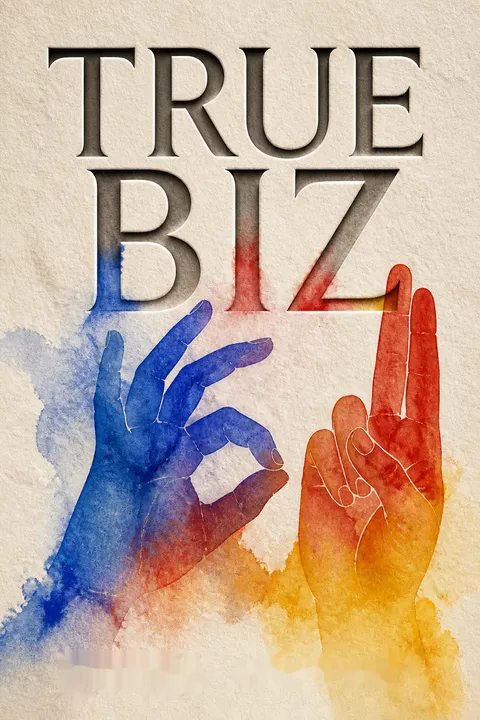

Plot Summary
Deafness and Defiance
February Waters, born to Deaf parents, grows up straddling two worlds: the insular, nurturing Deaf community and the often hostile, hearing mainstream. Her earliest memory of defiance—stabbing her ear with a pencil in class—signals her resistance to the relentless noise and misunderstanding of the hearing world. This act, misread as a cry for help, is really a plea for silence and belonging. February's parents, especially her mother, teach her that Deafness is not a deficit but a different way of being. Yet, even as a child, February senses the world's judgment and the precariousness of her community's place in it. This tension between pride and vulnerability will shape her life and leadership at River Valley School for the Deaf.
New Beginnings, Old Wounds
Charlie Serrano, a teenager with a failed cochlear implant and divorced parents, is sent to River Valley after struggling in mainstream school. Her father, more accepting of Deafness, wins custody, but the transition is fraught. Charlie's mother, a pageant coach obsessed with appearances, clings to the hope that technology will "fix" her daughter. Charlie's own sense of self is battered by years of language deprivation and the pressure to pass as hearing. The move to River Valley is both a relief and a source of anxiety—she is finally among other Deaf people, but she doesn't know sign language and fears being an outsider yet again. The wounds of her family's choices and society's expectations run deep.
Language Lost and Found
At River Valley, Charlie is plunged into a world where sign language is the norm and her lack of fluency marks her as different. She and her father attend beginner ASL classes, where she is both fascinated and frustrated by the visual language. The absence of the verb "to be" in ASL grammar becomes a metaphor for her own uncertain sense of existence. Meanwhile, February, now headmistress, reflects on the damage wrought by language deprivation—how children denied sign language are left isolated, angry, and unable to fully think or feel. The school becomes a place of both healing and reckoning, as students like Charlie struggle to reclaim the language and identity that was withheld from them.
Immersion and Isolation
Charlie's first days at River Valley are marked by loneliness and confusion. Her roommate, Kayla, is distant, and the rapid-fire signing of her peers leaves her lost. She is haunted by memories of special ed isolation and the Quiet Room, where her inability to communicate led to meltdowns and punishment. Yet, there are glimmers of hope: a kind dormkeeper, the warmth of the Deaf community, and the promise of immersion. February, too, feels the weight of responsibility—she must help students like Charlie find their footing, even as she battles bureaucratic obstacles and the looming threat of the school's closure.
Family Ties, Fractured
The relationship between Charlie and her mother is fraught with disappointment and miscommunication. Both long for connection but are trapped by their own expectations and regrets. A shopping trip for school supplies becomes a rare moment of harmony, but the underlying tension remains. February, caring for her own aging mother, is reminded of the fragility of family bonds and the ways in which love can be both a comfort and a source of pain. The generational divide—between those who fought for sign language and those seduced by the promise of technology—echoes through every interaction.
The River Valley Sanctuary
River Valley School for the Deaf is more than an institution; it is a sanctuary for students who have been failed by the mainstream. February works tirelessly to keep the school afloat, battling budget cuts and political indifference. The school's history is one of resilience—generations of Deaf families, like Austin Workman's, have found community and pride within its walls. Yet, the threat of closure looms, a reminder that Deaf culture is always at risk of erasure. The school's survival depends on the collective will of its students, staff, and the broader Deaf community.
Austin's Legacy, Charlie's Struggle
Austin Workman is the golden boy of River Valley—a fifth-generation Deaf student from a family steeped in Deaf culture. His confidence and fluency are a stark contrast to Charlie's insecurity and struggle. Yet, Austin's life is not without complications: his mother's pregnancy, the pressures of being a role model, and the expectations of his peers weigh on him. When his baby sister is born hearing, the family's sense of identity is shaken. For Charlie, Austin represents both what she longs for and what she fears she can never attain—a sense of belonging and ease in her own skin.
Signs and Silences
As Charlie's ASL improves, she begins to find her place at River Valley. She is given a sign name, a rite of passage that both thrills and unsettles her. Her friendship with Austin deepens, complicated by attraction and the social hierarchies of the school. The absence of sound—once a source of shame—becomes a space for intimacy and understanding. Yet, silences persist: between Charlie and her mother, between February and her partner Mel, and within the broader community as they navigate the politics of Deafness and hearing.
The Politics of Hearing
The debate over cochlear implants and oralism is ever-present. February, as headmistress, must navigate the false binary imposed by the medical establishment: technology or sign language, never both. Parents, desperate for their children to "fit in," often choose implants, not realizing the cost to their child's language and self-worth. The school becomes a battleground for these competing ideologies, with students like Charlie caught in the crossfire. The legacy of eugenics, oralist policies, and the Milan Conference haunts every decision, reminding the community that the fight for Deaf rights is far from over.
Love, Friendship, and Rivalry
The emotional lives of the students are as complex as their linguistic journeys. Austin and Charlie's budding romance is shadowed by his ex, Gabriella, and the social politics of the school. Kayla, Charlie's roommate, navigates her own challenges as a Black Deaf student, confronting both racism and ableism. Friendships are forged and tested in the crucible of adolescence, with language as both a bridge and a barrier. February and Mel's relationship, too, is strained by secrets, jealousy, and the pressures of caregiving.
The Cost of Normalcy
The pursuit of normalcy—by parents, doctors, and society—extracts a heavy toll. Charlie's mother's insistence on implants, her father's belated attempts at sign language, and the school's constant struggle for legitimacy all speak to the deep-seated shame and fear that surround Deafness. Students who cannot "pass" as hearing are often abandoned or neglected, their needs sacrificed on the altar of assimilation. February's reflections on language deprivation and the critical window for learning underscore the lifelong consequences of these choices.
Protest and Power
The students learn about the Deaf President Now movement and the power of collective action. February's curriculum on Deaf history becomes a catalyst for self-discovery and empowerment. As the threat to River Valley becomes imminent, the students—especially Charlie, Austin, and Eliot—begin to imagine their own forms of protest. The lessons of the past, from Martha's Vineyard to Gallaudet, inspire a new generation to fight for their rights and their future.
Implanted Futures
Charlie's implant fails catastrophically, leading to surgery and a painful reckoning with her parents. The recall of her device exposes the dangers of medical experimentation and the lack of informed consent. The prospect of another surgery becomes a battleground for autonomy, with Charlie determined to assert control over her own body. The personal becomes political, as her struggle mirrors the broader fight for Deaf self-determination.
The End of River Valley
The announcement of River Valley's closure sends shockwaves through the community. February is consumed by guilt and grief, unable to protect her students or her own family from loss. The teachers and students are left to contemplate an uncertain future—mainstream schools that cannot meet their needs, the dissolution of their community, and the erasure of their culture. Yet, even in the face of defeat, there is a stubborn refusal to go quietly.
Breaking and Remaking
As the reality of the school's end sets in, Charlie, Austin, and Eliot are pushed to the brink. Their personal struggles—Charlie's medical trauma, Austin's family crisis, Eliot's haunted past—converge in a desperate act of resistance. They join forces with Slash and his anarchist crew, channeling their anger into direct action. The lines between protest and crime blur, as they plot to strike at the heart of the system that has failed them.
Revolution in the Blood
The plan to bomb the Edge Bionics plant is both a cry of rage and a bid for agency. The students, guided by the lessons of history and the urgency of their own lives, risk everything to make themselves heard. February and Wanda, piecing together the clues, intervene just in time to prevent disaster. The act of sabotage is both a failure and a triumph—a moment of solidarity, a refusal to be erased, and a testament to the power of collective action.
True Biz: The Real Story
In the aftermath, the students and staff must reckon with the consequences of their actions. The school's closure is inevitable, but the bonds forged in struggle endure. February and Mel confront the fractures in their relationship, seeking a way forward. Charlie, scarred but unbroken, claims her place in the Deaf world. Austin, too, finds a new sense of purpose, determined to protect his sister and his community. The story ends not with resolution, but with the promise of ongoing resistance and the enduring power of language, love, and identity.
Silence Is Golden
As River Valley fades into history, its echoes linger in the lives of those it touched. The walls of the school, if they could speak, would tell stories of pain and joy, loss and triumph. The fight for Deaf rights, for language, for true belonging, continues. In the silence that follows, there is both grief and possibility—a golden space in which new stories can be written, and a new generation can find its voice.
Analysis
A powerful meditation on language, identity, and resistanceTrue Biz is a novel that refuses easy answers, instead immersing readers in the messy, beautiful, and often painful realities of Deaf life in America. Through its interwoven narratives and rich cast of characters, the book explores the consequences of language deprivation, the false promises of technological "cures," and the enduring strength of community. It challenges the medical and educational systems that pathologize difference, insisting on the value of Deaf culture and the right to self-determination. The novel's structure—blending fiction, history, and pedagogy—mirrors the complexity of its subject matter, inviting readers to question their own assumptions about normalcy, ability, and belonging. Ultimately, True Biz is a call to action: to listen, to learn, and to fight for a world in which every child has access to language, love, and the freedom to be themselves. Its lessons resonate far beyond the Deaf community, offering a blueprint for resistance and hope in the face of erasure.
Review Summary
True Biz receives mixed reviews averaging 4.06/5 stars. Readers praise its educational value about Deaf culture, ASL, and cochlear implant controversies, calling it eye-opening and important. Many appreciated the diverse perspectives of students and staff at a school for the deaf. However, critics cite structural issues including disjointed plotting, flat character development, rushed endings, and melodramatic subplots. The inclusion of ASL diagrams and historical information was well-received, though some found these elements disruptive. Several reviewers expressed strong objections to the book's violent ending involving bomb-making instructions, deeming it irresponsible and unnecessary.
People Also Read










Characters
February Waters
February is the headmistress of River Valley School for the Deaf, a second-generation Deaf woman raised in a loving, insular community. Her childhood was marked by both pride and vulnerability, and she carries the weight of her community's survival on her shoulders. As a leader, she is compassionate but often overwhelmed, torn between her responsibilities to her students, her aging mother, and her partner Mel. February's psychoanalytic core is a deep-seated fear of loss—of language, culture, and family. Her development is shaped by her struggle to balance tradition and change, and her ultimate realization that resistance, even in the face of defeat, is essential.
Charlie Serrano
Charlie is a Deaf teenager whose life has been defined by language deprivation, failed technology, and family discord. Her mother's obsession with normalcy and her father's late-blooming acceptance leave her feeling unmoored. At River Valley, Charlie is both outsider and insider—her lack of ASL fluency marks her as different, but her determination to belong drives her growth. Psychologically, Charlie is shaped by shame, anger, and a fierce desire for autonomy. Her journey is one of reclamation—of language, identity, and agency. Through friendship, love, and protest, she transforms from a passive victim to an active agent of change.
Austin Workman
Austin is the product of generations of Deaf pride—a confident, charismatic student whose family history is both a blessing and a burden. He is expected to lead, to embody the best of Deaf culture, but struggles with the pressures of perfection and the complexities of his own desires. The birth of his hearing (and later, deaf) sister destabilizes his sense of self and family. Austin's psychological arc is one of reckoning—with privilege, vulnerability, and the limits of tradition. His relationship with Charlie challenges his assumptions and deepens his empathy, leading him to risk everything for the future of his community.
Kayla
Kayla is Charlie's roommate, a Black Deaf student who navigates the intersecting oppressions of racism and ableism. She is both a guide and a challenger, pushing Charlie to confront uncomfortable truths about privilege and power within the Deaf world. Kayla's humor and resilience mask a deep awareness of injustice, and her ambitions—to teach, to lead, to change the system—reflect her refusal to accept the status quo. Her development is marked by a growing sense of agency and a commitment to intersectional activism.
Mel
Mel is February's wife, a hearing woman and lawyer who supports February's work but is often frustrated by the emotional and logistical burdens it brings. Their relationship is tested by secrets, jealousy, and the demands of caregiving. Mel's psychological core is a desire for stability and honesty, and her development is shaped by her willingness to confront hard truths and fight for her family, even when it means challenging February's choices.
Charlie's Mother
Charlie's mother is a pageant coach whose fixation on appearances and normalcy drives her to pursue technological "cures" for her daughter's Deafness. Her inability to accept Charlie as she is creates a chasm between them, filled with shame, disappointment, and unspoken love. Psychologically, she is driven by fear—of failure, of judgment, of loss—and her arc is one of slow, painful realization that love cannot be conditional.
Eliot Quinn
Eliot is a student at River Valley whose traumatic past—abuse, religious "healing," and family tragedy—has left him scarred both physically and emotionally. He is drawn into Charlie and Austin's orbit as a kindred spirit, someone with nothing left to lose. Eliot's psychological landscape is marked by pain, anger, and a yearning for belonging. His development is a testament to the power of solidarity and the possibility of redemption through collective action.
Slash
Slash is a former classmate of Charlie's from mainstream school, now part of a radical crew in East Colson. His transformation from stoner prankster to political agitator mirrors the novel's themes of awakening and resistance. Slash's scars—literal and figurative—speak to the costs of fighting the system. He is both a love interest and a symbol of the dangers and possibilities of revolution.
Wanda
Wanda is a Deaf teacher at River Valley and February's old flame. Her scientific mind and personal history of loss make her both a voice of reason and a source of comfort. Wanda's development is shaped by her ability to balance facts and feelings, and her willingness to support February even as the world they know collapses.
Gabriella
Gabriella is Austin's ex-girlfriend, a popular and privileged student whose beauty and bitterness make her both admired and feared. Her rivalry with Charlie and her role in the school's social hierarchy highlight the complexities of identity and belonging within the Deaf community. Gabriella's psychological core is insecurity masked by bravado, and her arc is one of gradual irrelevance as new alliances and priorities emerge.
Plot Devices
Dual Narratives and Shifting Perspectives
The novel employs a rotating cast of narrators—February, Charlie, Austin, and others—each offering a distinct lens on the events and themes. This structure allows for a rich exploration of identity, community, and conflict, as characters' inner lives and external realities intersect and diverge. The use of ASL glosses, historical asides, and "Did You Know?" sections deepens the reader's understanding of Deaf culture and the stakes of the story.
Foreshadowing and Nonlinear Chronology
The narrative opens with a crisis—students missing from River Valley—and then jumps back six months to trace the events leading up to this moment. This device builds suspense and invites the reader to piece together the causes and consequences of the characters' actions. Foreshadowing is used to signal both personal and collective tragedies, from medical failures to institutional collapse.
Symbolism and Motifs
The recurring motifs of language (sign, speech, deprivation), silence (as both oppression and sanctuary), and revolution (historical and personal) anchor the novel's themes. Objects like cochlear implants, pressure cookers, and graffiti ("Silence is golden") serve as symbols of both harm and hope. The myth of Eyeth, the utopian Deaf world, and the history of Martha's Vineyard function as both inspiration and warning.
Intertextuality and Meta-Narrative
The novel weaves in real historical events (the Milan Conference, Deaf President Now, eugenics) and educational materials (ASL grammar, Black ASL, protest strategies) to situate the characters' struggles within a broader context. This meta-narrative approach blurs the line between fiction and reality, inviting readers to see the story as both specific and universal.
Direct Action and Collective Agency
The climax of the novel is driven by the characters' decision to move from passive suffering to active resistance. The planning and execution of the protest/bombing at Edge Bionics is both a literal and metaphorical explosion—a breaking point that forces all involved to confront the costs and possibilities of change. The aftermath, with its mix of triumph and uncertainty, underscores the ongoing nature of the struggle.
Download PDF
Download EPUB
.epub digital book format is ideal for reading ebooks on phones, tablets, and e-readers.








































