
Key Takeaways
1. Sustainable Transformation Requires Relational Brain Skills
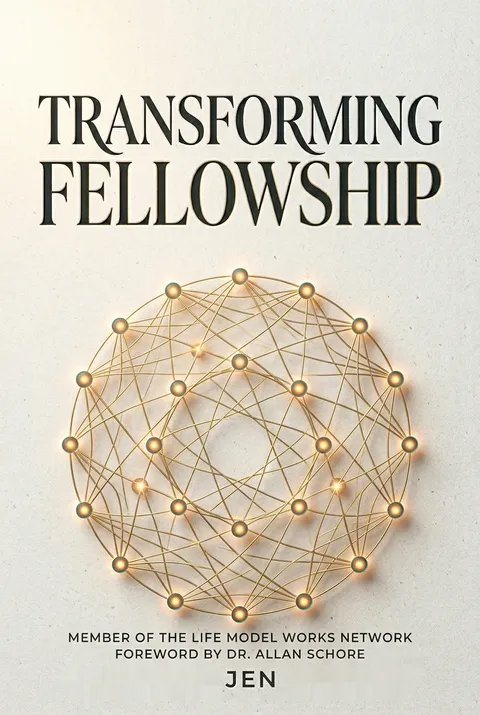
The conclusion of 30 years of study that forms the basis for this book says that just like learning to read Hebrew fluently, sing well or play an instrument, developing a godly character that holds up under pressure and “suffers well” requires training in nineteen specific skills that retrain the way our brain sees the world and responds to people.
Beyond traditional methods. Many programs for healing, recovery, and spiritual growth often fall short of sustainable transformation, not due to a lack of faith or knowledge, but a missing piece: relational skills. These nineteen specific brain skills are fundamental to character development and resilience, enabling us to navigate life's pressures and "suffer well" without collapsing.
Brain's fast track. Our brain's "fast track" system, which governs reactions and relational skills, operates faster than conscious thought. This means intellectual understanding alone (e.g., "I will love my enemies") doesn't automatically translate into immediate, skilled responses. Lasting change requires retraining this fast-track system, which is often overlooked by traditional approaches.
Chesed and koinonia. These skills are learned and transmitted within a "chesed" (sticky love) community, a "koinonia" (pooled resources) where people are genuinely glad to be together. Without this high-joy environment, relational skills cannot be effectively acquired, practiced, or motivated, leading to stunted growth and a cycle of "predator" (attacking weaknesses) or "possum" (hiding weaknesses) behaviors instead of "gentle protector" qualities.
2. Joy and Simple Quiet Build Foundational Emotional Capacity
Relational joy is best conveyed face-to-face but voice tone comes in a close second.
Joy is contagious. Relational joy, expressed through warm voice tones, bright eye smiles, and attuned body signals, is the fundamental ingredient for character formation and joyful community. It creates a euphoric chemical cocktail in the brain, motivating connection and making us feel valued and cherished. This positive state defines our personality and draws others in.
Rest recharges. Simple Quiet, the ability to calm and soothe oneself after both joyful and upsetting emotions, is the strongest predictor of lifelong mental health. This rhythm of joy and rest prevents overwhelm, recharges our relational battery with serotonin, and is crucial for regulating our nervous system, preventing issues like anxiety, depression, and addiction.
Natural rhythm. Ideally, we learn this connect/disconnect dance from early caregivers who consistently provide joy and allow for rest. When these skills are missing, we resort to "BEEPS" (Behaviors, Experiences, Events, People, Substances) to artificially regulate emotions. Remedial training involves practicing genuine joy and quiet moments, often with trusted friends, to rewire the brain for these essential states.
3. Secure Bonds (for Two and Family) Shape Our Identity
From the moment we are born, our bond with mom becomes the primary playing field to learn brain skills, especially Skills 1 and 2.
Primary attachment. Skill 3, "Bonds for Two," is the delightful, reciprocal dance between two people, forming a mutual mind state where both feel seen and understood. This primary bond, typically with a mother, establishes inner security and a template for all future relationships, influencing our character and identity.
Expanding community. Building on a secure "Bonds for Two," Skill 5, "Family Bonds," expands our capacity for joy and belonging within a group. Starting with the father and then extending to a wider "tribe" after puberty, these three-way bonds provide a playground for learning new skills and shifting from individual needs to collective "our" needs. This is where we learn to be part of something bigger than ourselves.
Healing disconnections. When these bonds are insecure due to early life patterns, isolation, fear of rejection, or self-centeredness can dominate. Remedial acquisition involves engaging in chesed communities, where safe, joyful interactions and Immanuel healing help repair relational foundations, allowing individuals to confidently explore group connections and overcome past hurts.
4. Our Deepest Hurts Reveal Our Core Heart Values
Caring deeply can mean hurting deeply, but our deepest hurts hide our greatest treasures.
Pain's purpose. Pain demands attention and, if unchecked, can steal valuable resources. However, Skill 6, "Identify Heart Values from Suffering," offers a redemptive perspective: our deepest hurts often point to our greatest treasures—the unique heart values God has placed within us.
Uncovering identity. Lifelong patterns of what deeply bothers or excites us reveal our core identity. For example, a strong value for truth makes us deeply troubled by deception. These "God qualities" can lead to "redemptive suffering," where our pain is not just a liability but a sign of what we care about most.
Community mirrors. Learning Skill 6 involves identifying these patterns and asking trusted individuals in our chesed community to reflect back the qualities they observe in us. This process, often guided by prayer and Immanuel's perspective, helps us embrace our unique design and find meaning in our suffering, transforming perceived weaknesses into strengths.
5. Synchronized Storytelling Bridges Minds and Generations
The quality of our stories tell us how well our brain is functioning.
Beyond words. Skill 7, "Tell Synchronized Stories" (Four-plus stories), involves crafting narratives that integrate words, authentic emotions, and body sensations. These stories require all four levels of the nonverbal right-hemispheric control center to work with the left hemisphere, creating coherent and deeply meaningful accounts of our experiences.
Captivating connection. Four-plus stories do more than entertain; they captivate listeners, resolve conflicts, and propagate brain skills by allowing others to genuinely share our emotional and physical experience. They are told at a moderate emotional intensity to engage, not overwhelm, and become powerful tools for mutual understanding and connection.
Remedial practice. In a world increasingly reliant on digital communication, face-to-face storytelling is diminishing. Remedial acquisition involves purposeful practice within chesed communities, using story checklists and feedback to improve our ability to articulate feelings and body sensations. This strengthens memory, builds relational intelligence, and creates a legacy for future generations.
6. Maturity Levels Guide Growth and Prevent Relational Casualties
What this means is our bodies continue to grow but somewhere along the way we have missed what we needed to continue increasing and growing in step with our bodies.
Developmental roadmap. Skill 8, "Identify Maturity Levels," provides a crucial roadmap for emotional, mental, physical, and spiritual growth across six life stages: Unborn, Infant, Child, Adult, Parent, and Elder. Recognizing our current maturity level helps identify developmental gaps and guides our next steps for growth.
Stunted growth. Many adults are emotionally stunted at earlier stages, often due to missing ingredients in their upbringing or unprocessed trauma. This "pseudo-maturity" leads to rigid responses, fear-driven decisions, and an inability to consistently care for others. For example, a 40-year-old might still struggle with the child maturity task of asking for help.
Intentional progression. Remedial growth involves honestly assessing our earned maturity, identifying missing needs and tasks, and seeking guidance from mature individuals in chesed communities. This systematic effort, fueled by joy and Immanuel's presence, helps fill developmental gaps, increases emotional capacity, and transforms generational patterns, moving us from self-focus to life-giving service.
7. Taking Breathers and Interactive Quieting Manage High-Energy States
Skillfully take short pauses before people become overwhelmed. We read the non-verbal cues so we can build trust.
Respecting limits. Skill 9, "Take a Breather," is the safety net for interactions, involving momentary disengagement to prevent overwhelm. It means recognizing nonverbal cues that signal someone is reaching their limit and pausing to allow them to quiet and recharge, thereby building trust and preventing relational damage.
High-energy control. Skill 15, "Quiet Interactively," takes this further by enabling us to operate at high energy levels and manage intense drives (aggressive, sexual, predatory) without "going over the top." This skill, often learned through playful interactions with a father figure, allows us to sustain engagement while making short pauses to avoid crossing into harmful territory.
Preventing violence. When these skills are missing, interactions can quickly escalate to anger, fear, or even violence, as individuals lack the internal mechanism to regulate intense arousal. Remedial training requires safe environments with observers who can intervene, allowing individuals to practice recognizing overwhelm cues and maintaining relational connection during high-intensity moments.
8. Returning to Joy from Big Feelings is a Trainable Skill
The longer we stay stuck in a negative emotion the weaker we become.
Natural state of joy. The human brain is wired for glad-to-be-together joy, and negative emotions (fear, anger, sadness, disgust, shame, hopeless despair) are signals that something is wrong. Skill 11, "Return to Joy from the Big Six Feelings," is the ability to quiet these distressing emotions and return to a joyful state while staying in relationship.
Consequences of avoidance. Failure to learn Skill 11 leads to avoiding, side-tracking, or disconnecting from emotions, often resulting in "behavior-management" strategies that shut down expression. Prolonged negative emotions deplete us, leaving stress hormones in our bloodstream for extended periods and causing relationships to "blow out."
Remedial practice. Ideally, infants learn this by having caregivers share their upset and help them calm down, internalizing the cycle of distress leading to comfort and joy. Remedial training involves identifying weak emotions, practicing "return to joy" stories with trusted friends, and engaging Immanuel to navigate upset, demonstrating that negative emotions do not have the final word.
9. "Heartsight" (Seeing as God Sees) and Stopping "Sark" (Fleshly Thinking) are Essential for Peace
False “Godsight” may seem true to us at the moment but leads to blame, accusation, condemnation, gossip, resentment, legalism, self-justification and self-righteousness.
Divine perspective. Skill 13, "See What God Sees" (Heartsight/iSight), is the profound ability to view situations, ourselves, and others from God's perspective, yielding hope and direction. It allows us to see beyond immediate problems or perceived flaws, recognizing the beauty of redemption and God's active presence even in distress.
Opposing the "sark." Skill 14, "Stop the Sark" (fleshly thinking), is the crucial counterpart, actively opposing our own understanding that leads to blame, accusation, and self-righteousness. The "sark" is the unredeemed part of man, often using scripture or intellect to justify destructive actions, like the angry synagogue ruler rebuking Jesus for healing on the Sabbath.
Community discernment. Remedial learning involves relying on chesed communities for "witnesses" and feedback, checking our intentions against God's character and the test of shalom (peace). This discernment helps us remove the "log in our own eyes," preventing spiritual abuse and fostering a restorative community where truth and relationships are valued above being "right."
10. Secure Attachment and Understanding Pain Levels are Keys to Healing
Our lives and reality need to be organized around secure love.
Attachment template. Skill 17, "Identify Attachment Styles," recognizes that our early responses to needs create a bonding template (secure, dismissive, distracted, disorganized) that shapes our identity and view of God. Insecure styles, rooted in fear, lead to patterns like pursuing, withdrawing, or chaotic connections, often driven by deep cravings and reliance on "BEEPS."
Five levels of pain. Skill 18, "Intervene Where the Brain is Stuck," provides strategic solutions for the five distinct levels of brain disharmony and pain (Articulate, Act, Attune, Assess, Attach). Applying the correct intervention—whether it's providing information, an example, attunement, safety, or connection—is crucial, as using the wrong solution (like giving advice to someone in attachment pain) can exacerbate distress.
Complex emotional recovery. Skill 19, "Recover from Complex Emotions," addresses the most challenging emotional states, where multiple "Big Six" emotions combine (e.g., shame + anger = humiliation; fear + hopelessness = dread). This advanced skill requires a strong foundation in joy, rest, and returning to joy, enabling us to stay relationally connected and quiet swirling emotions even when the "accelerator and brakes are pressed at the same time."
11. Recognizing Energy Styles Fosters Acceptance and Mutual Satisfaction
Some people are at their best with activity and others with solitude. Knowing our styles and needs brings out the best in all our interactions.
Unique wiring. Skill 16, "Recognize High and Low Energy Response," acknowledges that individuals have dominant nervous system responses: high-energy (sympathetic, seeking activity) or low-energy (parasympathetic, seeking quiet). There's no right or wrong style, but understanding these differences is crucial for mutual satisfaction in relationships.
Impact on relationships. High-energy responders might gravitate towards "predator" reactions (attacking, controlling) when stressed, while low-energy responders might exhibit "possum" behaviors (self-deprecating, withdrawing). Failure to recognize these styles leads to resentment and attempts to force others to conform, hindering connection.
Harmonious interaction. Remedial learning involves identifying our own and others' energy styles and adapting activities to suit diverse needs. This fosters acceptance, allowing for rhythmic transitions between high-energy worship and low-energy meditation, or balancing active play with quiet puzzles. Leaders and families can create environments that honor these distinctions, leading to more joyful and efficient interactions.
12. Acting Like Myself in Big Feelings Preserves Relationships
When we find our design we will be life-giving - whether we are upset or joyful.
Consistent character. Skill 12, "Act Like Myself in the Big Six Feelings," is the ability to remain our true, relational selves—consistent, kind, and attentive—even when experiencing intense negative emotions like anger, fear, or shame. This skill is vital for maintaining trust and closeness in relationships during times of upset.
Beyond avoidance. A lack of this skill causes us to damage or withdraw from relationships, acting like a different person when upset. Instead of avoiding distress, the goal is to express our deepest values and reflect our God-given design under all circumstances, much like Uncle Rich who remained patient and relational while fixing his broken-down van.
Immanuel's example. Remedial learning involves observing examples of those who stay relational during upset, sharing "acting like myself" stories, and engaging Immanuel for guidance on how to express Christ's life in both good and bad times. This practice strengthens our character, allowing us to navigate emotional turbulence gracefully and become a stable, life-giving presence for others.
People Also Read




Download PDF
Download EPUB
.epub digital book format is ideal for reading ebooks on phones, tablets, and e-readers.








































