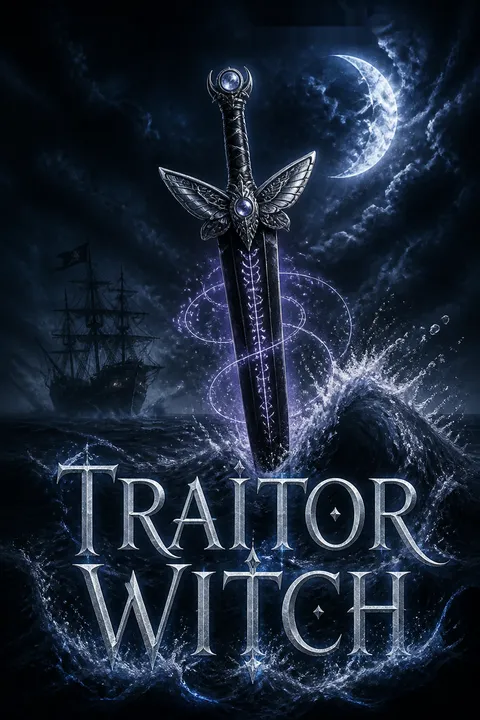

Plot Summary
1. Gods, Sisters, Balance, Death
In the beginning, the Sun and Moon, birthed from divine solitude and Fate's impartiality, create the world by splitting themselves and embracing duality—life and death, day and night. Their harmony fractures when death claims life, leading to an arms race of creation; mortals, immortals, witches, and ultimately, the opposing Solar and Lunar covens. The origin stories nestle underneath all that unfolds later, explaining the coven's diverging core beliefs—Solar for healing and life, Lunar for death and pleasure—echoed in Nilsa's journey. This cosmic rivalry signifies the impossibility of light without darkness, setting up the book's ongoing tension: individual agency and loyalty caught in the crossfire of cosmic, inherited, and personal obligations. Fate, the third goddess, quietly observes as night and day wage their endless chase, and every action ripples.
2. A Shadow's Mission Revealed
We meet Nilsa, the "Shadow of the Moon," an orphan raised in the Lunar coven, whose skill is weaponized into holy assassination. She completes her latest target using blood magic—her comfort with death distinct from Solar healing. Nilsa's sense of community and comfort is found among her Lunar sisters and Glenna, the High Priestess. Yet shadows already loom; Nilsa's looming immortality and solitary path, coupled with the sorrow of being denied a goddess-blessed harem, isolate her. Glenna, loving yet burdened, hints that happiness and agency are not as simple as fulfilling duty, foreshadowing Nilsa's central struggle: Does destiny mean sacrifice or self-determination? Nilsa's conflicting desires—to serve, to belong, to love—ignite the plot's fuse.
3. Fostering Among Enemies
Nilsa is "fostered" with the rival Solar coven, enduring a year of restrictive, cold discipline, reinforcing how foreign her values and desires are compared to theirs. She navigates a minefield of suspicion, especially from Annalise, and must conceal her true self, unlike her less-guarded friends. Felicity, the Solar High Priestess, offers her unexpected warmth and even an open invitation to stay—a chance for a different, peaceful life. But Nilsa refuses, her personal and spiritual loyalty tied to the Lunar coven and the shadow-dwelling Goddess. These scenes not only show Nilsa's longing for home but draw out the irreconcilable differences and deep mistrust that divide the Solar and Lunar worlds—and which make any peace fragile, at best.
4. Murder Begets Exile
Tragedy erupts: first Felicity, then Glenna, are viciously murdered in calculated strikes that shock both covens. Nilsa is framed for both crimes and, covered in damning evidence, is forced to flee to avoid execution—by her own people or her rivals. The book's wheel turns: healer becomes fugitive, loyal Shadow becomes traitor witch. Betrayal severs Nilsa's last ties to safety and community, turning her journey inward and outward. The only way to clear her name is to hunt down the real killers, an act both of survival and vengeance—yet this mission will force Nilsa to reevaluate loyalty, justice, and what it truly means to carry the burden and blessing of death.
5. The Seer's Foretelling
Pursued and desperate, Nilsa encounters the Fate-touched, blind Seer, Noster, whose vision and riddling words shift the path of her flight. He and his twin Casimir, both shifter-pirates, sense a kinship—destiny's invisible nettle—hinting that Nilsa is meant for something more than exile or martyrdom. Their intervention offers Nilsa a means of escape aboard their ship, the Deadwood, and the promise that running is not defeat, but a regrouping. The prophecy-feel to Noster's advice and the uncanny recognition between Nilsa and the twins layer the story with fate and connection, opening the book's harem dynamic and raising the question: Are bonds chosen, assigned by deities, or both?
6. Life—and Flight—on the Run
Nilsa boards the pirates' ship—centered among Noster, Casimir, Rysen the vampire, Kier the fae, and Valorean the sardonic mage-captain. Their alliance is rooted in mutual need and tentative trust, marked by sharp suspicion and playful, growing attraction. Nilsa hides her true identity (posing as a Solar), even as she tangles with the pirates' supernatural natures and the unpredictability of sea-life. The forced intimacy, magical camaraderie, flirtations, and gradual unraveling of secrets form a found family of fractured immortals—each betrayed or cursed by fate, each uniquely drawn to Nilsa and, in their own broken way, necessary for her completeness as Shadow. Their protection and hunger offer new risks, new joys.
7. Fate-bound: Pirates and Prey
At sea, lunar rites and pirate pragmatism collide. Nilsa's growing attraction to the crew—fueled by dream-visitations from mate-bound siren Klaus—intensifies the harem dynamic. Encounters shimmer with sexual tension, mutual rescue, and emotional confession. Meanwhile, outside threats multiply: enemy fleets, magical storms (contrived, Nilsa suspects, by rivals), and the shadow of Nilsa's past. The Deadwood's captain, Valorean, takes action to protect his ship and denounce betrayals, but his bluster barely veils a growing bond to Nilsa. Her magical talents, honesty, and humor speak to each crew member's wound and longing, setting the group on a course where love and survival are intertwined. Fate, once a distant goddess, is now intimate.
8. Bonds Forged at Sea
The Deadwood becomes a crucible. Nilsa's magical acts (sigils, transformations) and sexual chemistry with each man (especially via feeding, fighting, and confiding secrets) bring hidden truths to light. The pirates, each broken in unique ways—Nos's prophecy, Cas's beast, Kier's curse, Rysen's bloodlust, Val's resistance—reveal both their traumas and their loyalty. Nightly rites, dream-sharing, and crises at sea (wraith storms, magical attacks) accelerate the sense of chosen family and collective vulnerability. The story's emotional arc pivots, layering desire with trust, vulnerability with power, as each struggles to allow love amid a world that has taught them to expect betrayal. Nilsa, once lone Shadow, feels hope in belonging.
9. Dream Interludes and Mate Calls
Klaus, the enigmatic siren, enters Nilsa's dreams—first with sensuality, then a desperate plea. Through these dream interludes, Nilsa is courted for a future mate challenge in the siren court that mirrors the harem bonds waking in her daily life. The mate dream-bond, alternately intoxicating and invasive, exposes Nilsa to joy, longing, and the wounds of being chosen by fate when choice itself feels limited. Klaus's battles on distant shores echo Nilsa's, and the harem bonds on the Deadwood intensify—a tide that cannot be denied, even as her enemies draw near and secrets, both divine and human, threaten to swallow her whole.
10. Tangled Loyalties and Secrets
The past is never really past. Nilsa's investigation of who framed her leads through pain and revelation: Glenna's athame, mysterious rings, impossible curses (Kier's). Her rescue of Solar Elsie and their journey to Ilyani—where she sees the destitution and defeat of the once-great witch temples—upends her understanding of power, solidarity, and what's left worth saving. The journey now includes protecting the next generation, even as magical bargains, fae curses, and harem dynamics complicate affections and roles. Each confession (about origins, missions, or curses) threads Nilsa's group more tightly, even as it opens raw wounds. Loyalty is a shifting, living thing.
11. The Queen's Deadly Bargain
The crew's past with the Eagle of Galmere is laid bare—she holds the Deadwood's pirates in thrall by a fae bargain, forcing them to traffic forbidden goods (fae dust, siren scales) at risk of destruction or eternal torment. This revelation recasts every act of piracy as survival rather than greed or love of chaos. Nilsa learns that her enemies are many: not just rival witches and queens, but allies and lovers on a chain. She must weigh her own vendetta and justice against the lives of her mates. The queen's web is vast; sacrifice may demand more than death.
12. Blood in the Water
The Deadwood's delivery of "contraband" brings Nilsa face to face with both her harem's vulnerability and the Eagle's power. The queen's cruelty (mutilation, imprisonment, blood pits) is no rumor—she separates Rysen, her fangs taken for potions, and the rest of the crew forced to serve. Infiltration—through secret, magical means—leads Nilsa into the dark heart of the palace: occult laboratories, Solar traitors, and the "Mortal Cure"—a monstrous perversion of creation that devours immortals, bearing a warped echo of the goddesses' cycles. The threat is physical, existential, and intimate. To confront it, Nilsa must risk her soul, her power, and her mates.
13. Truths Unveiled in Sanctuary
Nilsa, fleeing blood and betrayal, reaches a hidden sanctuary ruled by Mother Lunar Petra and Mother Solar Sophie. The city, carved in stone and secret, holds both promise and pain. Petra, aged and dying by divine will, is the last teacher, and the source of the book's deepest secrets: Glenna's betrayal, the hidden purpose of Shadows, the truth about the goddess's edicts, and the revolving door of harem-bonded consorts. Petra's hard-won wisdom and unvarnished honesty force Nilsa to face loss and to claim her inheritance as Last Shadow, healer and destroyer both—but love and hope flicker amid the final orders.
14. The Last Shadow Learns
Under Petra's ruthless tutelage, Nilsa endures pain and truth. She learns the origin of Shadows: not assassins of petty targets, but intended agents to slay the Queen—whose "Mortal Cure" threatens life itself. Glenna's manipulation—having Nilsa kill innocents for a human queen—betrays the goddess and all the covens. Nilsa's grief, guilt, and fury erupt, but Petra offers grim hope: break the cycle, kill the queen, restore balance. Training is war—new sigils, shadow-walking, and spirit blades. Nilsa must accept isolation for the sake of legacy, but the possibility of love—her mates, her past, her future—pulses beneath every bruise.
15. Harem of Broken Men
As Nilsa prepares for her final mission, the Deadwood's crew—each wounded, each bound—endure loss and longing. Rysen's descent into bloodlust, Cas's uncontrollable beast, Nos plagued by tormenting visions, Valorean haunted by guilt—each man aches for Nilsa's return and is willing to defy fate and death itself to protect her. Klaus, the distant siren, calls to Nilsa in vision, too. The harem dynamic is no mere trope; it is revealed as a vessel for healing, agency, and the slow piecing together of broken souls. The final reunion, when it comes, will not be easy, or safe.
16. Storms and Betrayal
The Deadwood's ill-fated run leaves Rysen captured, Valorean reeling from guilt, Cas lost in beast form, and Nilsa tormented with guilt, anger, and longing, even as she forges ahead with her mission to infiltrate the palace. The divided harem, each still holding tight to their connection with Nilsa, operates at the edge of despair. Fate and mutual devotion drive them to attempt the impossible: they will rescue Rysen, help Nilsa, and perhaps even break free from the Queen's bargain. But hope comes with risk; every escape is bought with pain, every step forward is followed by a shadow.
17. Into the Heart of Darkness
Nilsa's journey to assassinate the Queen leads through secret laboratories, torture chambers, and charnel minories—where immortals are butchered for the Mortal Cure, and traitor witches wield power as tools of the powerful. Confrontation with Lily, the Solar-Alchemist, and the queen escalates to betrayal and torture: Nilsa is beaten, shackled, and brought close to the edge of death. Yet through suffering, her resolve crystallizes. The limits of loyalty, faith, and endurance are redrawn in fire and blood, even as the pirates face enslavement, Kier's curse looms, and the harem's bonds are tested to the breaking point.
18. Alchemy, Betrayal, and Sacrifice
In the climax, Nilsa faces annihilation, but also the possibility of resurrection—through love, courage, and self-forgiveness. The book sets up final, impossible choices: can she kill the queen before all is lost? Will the harem be reunited, or broken by the journey? Can the cycle of injustice and betrayal finally end—if not for the world, then at least for a pirate ship's worth of broken men and one last Shadow? The answer remains unresolved, but the emotional scars and hopes pulse—suggesting that survival, vengeance, and love are all, finally, acts of faith.
Analysis
Traitor Witch is an epic of complicity, autonomy, and the radical act of belongingMarie Mistry constructs a world where every victory is paid for in blood or tears, and where destiny is an inheritance both deadly and precious. The novel confronts the ways trauma is socialized and internalized—how families, covens, and lovers form us, and break us, in turn. Nilsa's journey from loyal shadow to scapegoat to last hope is not just a fantasy power-fantasy; it is a searing account of survivor's guilt, found family, and the impossibility—and necessity—of choosing oneself when the world would use, chain, or destroy you. The harem romance is not a mere erotic trope, but a radical vision of healed (and healing) community: even broken people, even the damned, can be worthy of love. Power is always costly, and in the face of fate, brutality, and betrayal, Traitor Witch insists that faith—whether in gods, lovers, or oneself—is an act of rebellion, and love is the spell that, perhaps, can end cycles of harm. It is a celebration of queer, messy, chosen kinship, and an exhortation: wholeness is the shape of our wounds, not their absence.
Review Summary
Reviews for Traitor Witch are generally positive, averaging 4.25 out of 5. Readers praise the distinct, memorable love interests, strong world-building, and the witty, compelling protagonist Nilsa. Many highlight the entertaining blend of pirates, magic, and fantasy elements, with her sarcastic cat familiar frequently stealing the show. Common criticisms include the very slow romantic burn, uneven page time among love interests, and occasional frustration with Nilsa's secretive behavior. Several readers note the plot loses momentum toward the end, though most intend to continue the series.
Characters
Nilsa
Nilsa is the novel's complex, prickly heart—a woman both forged and burned by loyalty. Orphaned and raised as the "Shadow of the Moon," she is a paradox: powerful but isolated, nurturing but deadly, loyal yet always suspect. Her relationship with death mirrors her relationship with love; both are feared and desired. Nilsa's psycho-emotional journey is from compliant tool to autonomous chooser: she must reclaim identity through successive betrayals, embrace agency in love and violence, and learn to see herself—victim and perpetrator, lover and avenger—as whole. Her connection to others (her coven, her dream-mate Klaus, the pirates) pushes her toward self-worth and redemption, and her story forms the book's brutal, beating core.
Glenna
Glenna is Nilsa's adoptive mother and mentor, the one who shapes her into a deadly Shadow. At first loving and wise, Glenna's revelation as a co-conspirator and manipulator of Nilsa is shattering—a mother's betrayal as the primal wound. Glenna's psychoanalytic role is both comfort and contamination; she is Eve and Medea, perverting the very nature of nurturing with her toxic expectations. Her actions force Nilsa into exile, while the truth of Glenna's edicts (and her complicity in the Queen's machinations) ultimately set Nilsa on the road to autonomy, fury, and the possibility of breaking the cycle.
Casimir and Noster
Casimir, the exuberant, broken beast, and Noster, the blind, Fate-touched Seer, offer Nilsa both protection and vulnerability. Their relationship as twins—a contrast of outer strength and inner suffering—mirrors Nilsa's own dual natures. Cas's beast is a symbol of trauma and healing; Nos's visions oscillate between blessing and curse, liminality and longing. Both are deeply marked by abandonment, guilt, and the failures of love, and form the emotional bedrock of Nilsa's eventual found family. Their mate-bond with Nilsa is not just sexual fulfillment but the promise of being seen, chosen, and saved—from fate and from themselves.
Rysen
Rysen is strength and fear made flesh—a man undone by past savagery and addiction, desperate to be worthy of gentleness and love. His bond to Nilsa is primal and dangerous, complicated by shame and the constant risk of becoming a monster. Rysen's psychoanalytical arc moves from self-hatred to tentative hope, from solitary survival to shared striving. The harem dynamic demands that he trust Nilsa with both his thirst and his heart, and in so doing, perhaps reclaim a self that can give as well as take.
Kier
Kier is the most enigmatic of the crew, marked by an ancient curse that punishes trust and truth. His self-imposed silence is shield and wound—a refusal to be vulnerable, bred from heartbreak, betrayal, and magical compulsion. Kier's struggle is to allow Nilsa and the crew into his world; to risk being hurt again for the possibility of release and connection. His psychoanalysis is that of the wounded child turned ice-hearted guardian; his relationship with Nilsa the slow thaw of possibility and trust.
Valorean
Valorean is arrogance, guilt, and wry humor wrapped around a core of profound distrust. His bond to his ship is both boon and prison; his attitude toward Nilsa wavers between attraction, resentment, and the desperate hope that she is the exception to the betrayals he has suffered. Valorean's psychoanalytic journey requires that he learn to see vulnerability as strength, and accept that love—messy, magical, complicated—is worth the risk, even if it means forfeiting control.
Klaus
Klaus is the echo of destiny—the call that both beckons and frightens. His mate-dream romance with Nilsa bridges desire and dread, fate and freedom. Klaus is temptation, destiny, and the possible future Nilsa is not ready to claim, a testimony that the wounds of fate can sometimes be healed only by the wounded. His struggles in his own distant world mirror Nilsa's: battles, bargains, and the impossibility of loving without risk.
Petra
Petra is Nilsa's last teacher—aged, scarred, and dying by divine order. She is a living relic of the cycle Nilsa seeks to break: a Shadow who lost everything, who continues to serve in hope that someone may succeed where she failed. Petra's relationship to Nilsa is both harsh and loving: the educator who refuses sentiment but gives the last comfort and wisdom. Her role is to both challenge and warn Nilsa—there are prices for everything, even victory.
Sophie
Sophie represents the silent costs of power—the ways in which rules, secrecy, and mythical propriety can constrain just as much as they guide. She is the quiet, diplomatic counterpart to Petra's brashness, offering Nilsa both comfort and the limits of tradition. Sophie's psychoanalysis is that of the caretaker forced to silence her doubts; her wisdom is essential, even as she remains a keeper of secrets.
Queen Catherine (The Eagle of Galmere)
Catherine is power incarnate—a human queen whose relentless pursuit of control has led her to pervert the very fabric of creation. She is the embodiment of the book's antagonistic themes: immortality stolen, bargains corrupted, love sacrificed for survival. Her relationship to Nilsa and the pirates is that of a spider to her web: all are caught, all are marked for destruction, unless Nilsa can break the chain.
Plot Devices
Dual Narrative Structures
The novel employs interleaving perspectives—the divine mythos and mortal struggle, Nilsa's solitary quest and the harem's collective journey, past and present—mirroring the cosmic framing of Sun, Moon, and Fate. Dualities structure every motif: life/death, love/betrayal, obedience/rebellion, self/other. These parallel narratives are often converging lines: fate and choice, prophecy and agency slam into each other at every twist. The structure underscores both personal and existential conflict, and the hope that wholeness can be found only in embracing contradiction.
Magical Symbology and Sigils
Sigils—tattooed, inked, burned—mark characters' development and provide plot function: protection, transformation, and constraint. Inheritance, loss, and power manifest in magical scars—visible reminders of trauma, loyalty, and legacy. The book literalizes the cost of magic; every new ability (or curse) is bought with pain and change. In this way, each stage of Nilsa's growth (and the harem's evolution) is material, not abstract: destiny writes itself in blood and ink.
Harem Dynamics and Mate Bonds
The harem structure isn't only for erotic fantasy; it is the engine of character change. Each bond is both wound and possibility—demanding honesty, healing old traumas, and learning to accept love without certainty. The psychoanalytical device of the harem is both union and individuation; the journey is not just to find lovers, but to become a self able to be loved. The mate bond itself is used as a plot device to spur rescue, sacrifice, and transformation for all parties.
Magical Realism and Dreamspace
In weaving Nilsa's dream-conversations with Klaus, prophecies with Nos, spirit-walking, and the shifting boundaries between material and supernatural realms, the novel makes interior and exterior reality equally consequential. Dreams are not soft escape or exposition; they are sites of challenge, negotiation, and fate. The blurring of the real and the magical literalizes the porous boundaries between self and other, fate and choice.
Cycles of Betrayal and Redemption
The book is ruthless in its foreshadowing and setup/payoff: every warning is echoed, every betrayal mirrored by opportunity for redemption, and vice versa. From Glenna's early warnings, to the pirates' confessed pasts, to the queen's bargains and the cycle of Shadows, readers are primed to expect both devastation and the hope of rescue. The reader is never allowed to forget the cost of loyalty—nor the possibility that loyalty, once perverted, can be reclaimed by acts of conscience.
The Deadwood Series
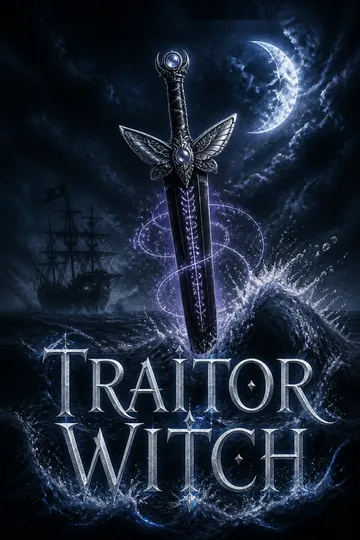
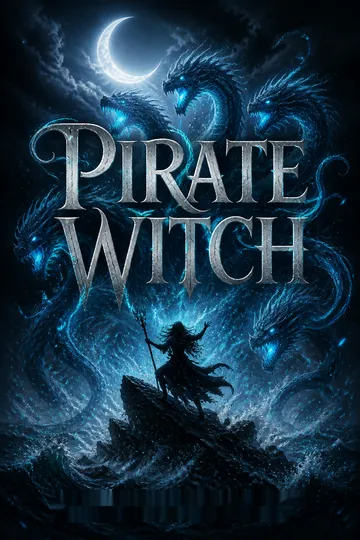
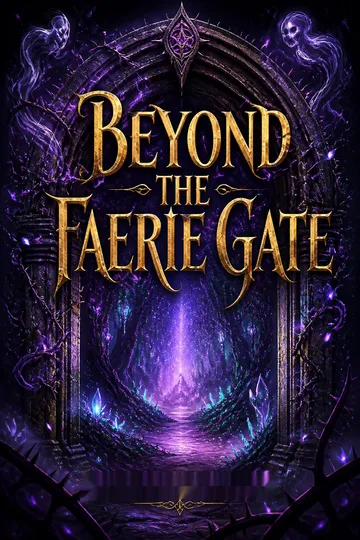

Download PDF
Download EPUB
.epub digital book format is ideal for reading ebooks on phones, tablets, and e-readers.








































